Time Periods
Paleolithic
Mesolithic
Neolithic
Chalcolithic
Bronze Age
Iron Age
Classical Period
Post-Classical Period
Early Modern Period
Industrial Period
Contemporary Period
Time Periods
Paleolithic
Mesolithic
Neolithic
Chalcolithic
Bronze Age
Iron Age
Classical Period
Post-Classical Period
Early Modern Period
Industrial Period
Contemporary Period
Location
About
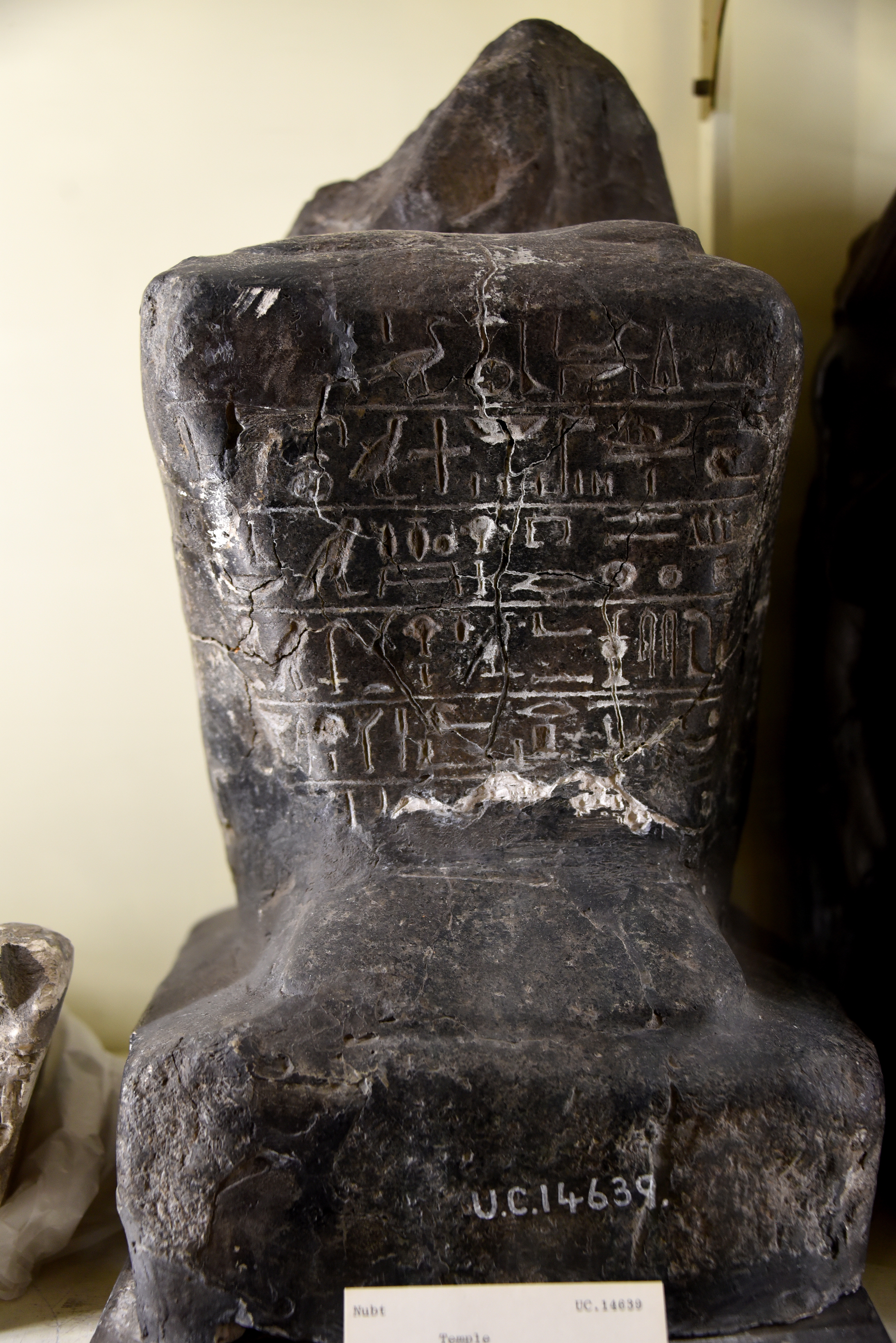
Naqada, located on the west bank of the Nile in Egypt, is an archaeological site of immense significance due to its role in the development of prehistoric Egyptian civilization. This site was the center of the Naqada culture, a period that spanned from approximately 4400 to 3000 BCE. Naqada is known for its extensive necropolis, containing around 2,000 graves, which provides crucial insight into early Egyptian burial practices. The site's development into a state-style civilization from a chiefdom indicated a complex social hierarchy and economic stability, primarily facilitated by gold trade. The town also served as the cult center of the deity Set around 3500 BCE. Discoveries at Naqada have helped archaeologists understand the transition from prehistoric to dynastic Egypt, marking it as a key site for studies on ancient Egyptian culture and society.
Gallery
Explore photographs of ancient structures, artifacts, and archaeological excavations at Naqada


Archaeological Features
Explore the unique architectural and cultural elements found at this historical site
Burial and Funerary Structures
Historical Timeline
Journey through time and discover key events in this site's archaeological history
Plan Your Visit
Details
- Country
- Egypt
- Source
- Wikipedia
More Sites in Egypt
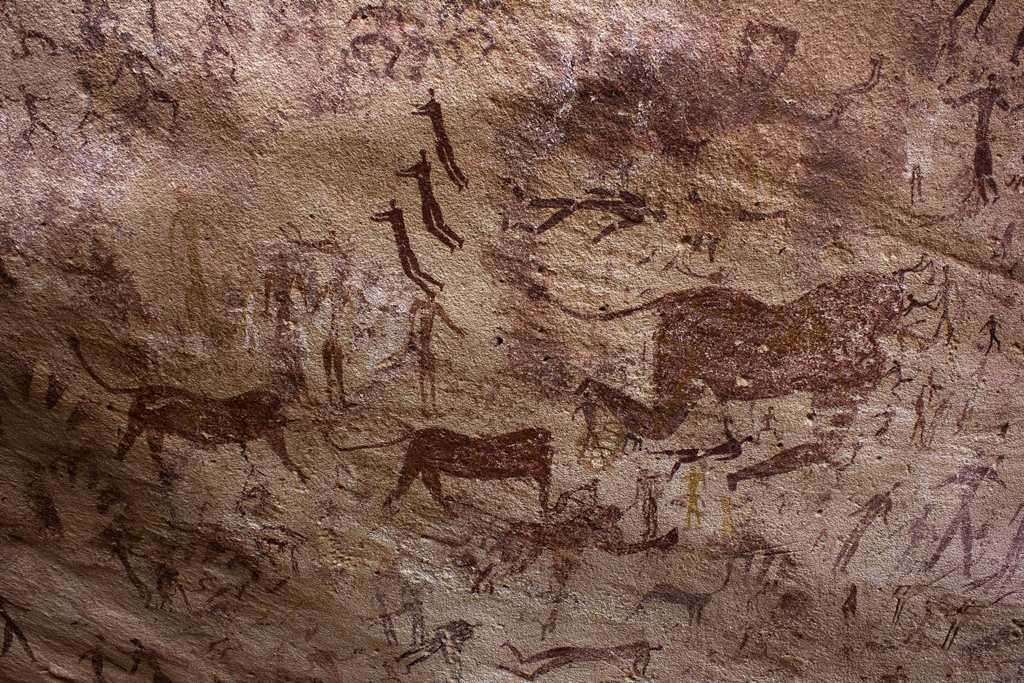
Cave of Beasts
Neolithic rock shelter with unique paintings
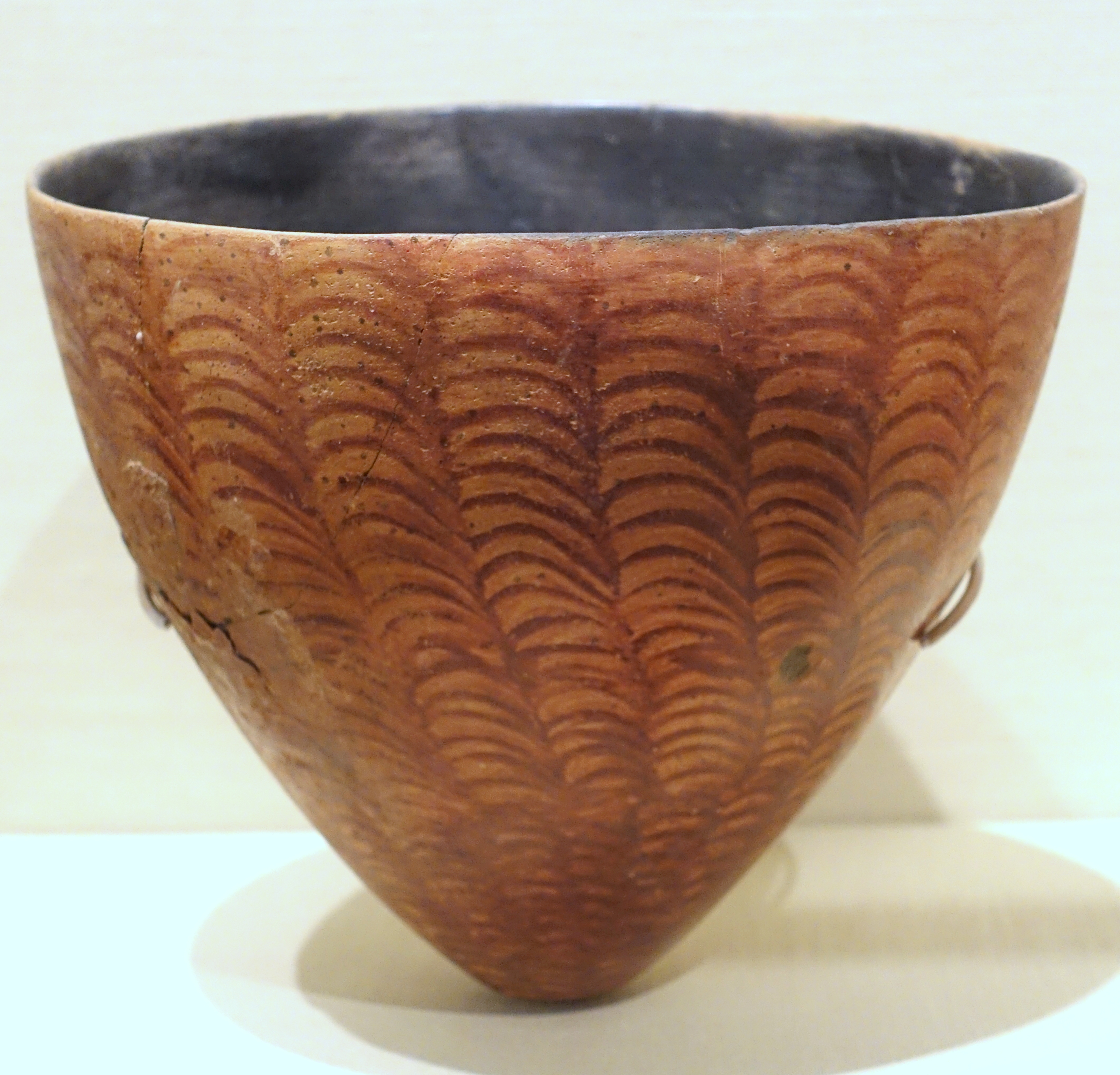
Qustul
Lower Nubian cemetery with ancient burials
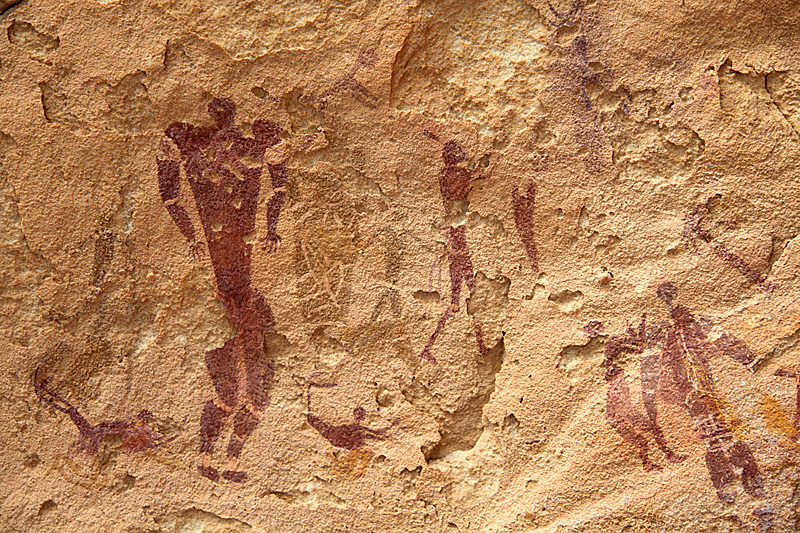
Cave of Swimmers
Neolithic cave with ancient rock art
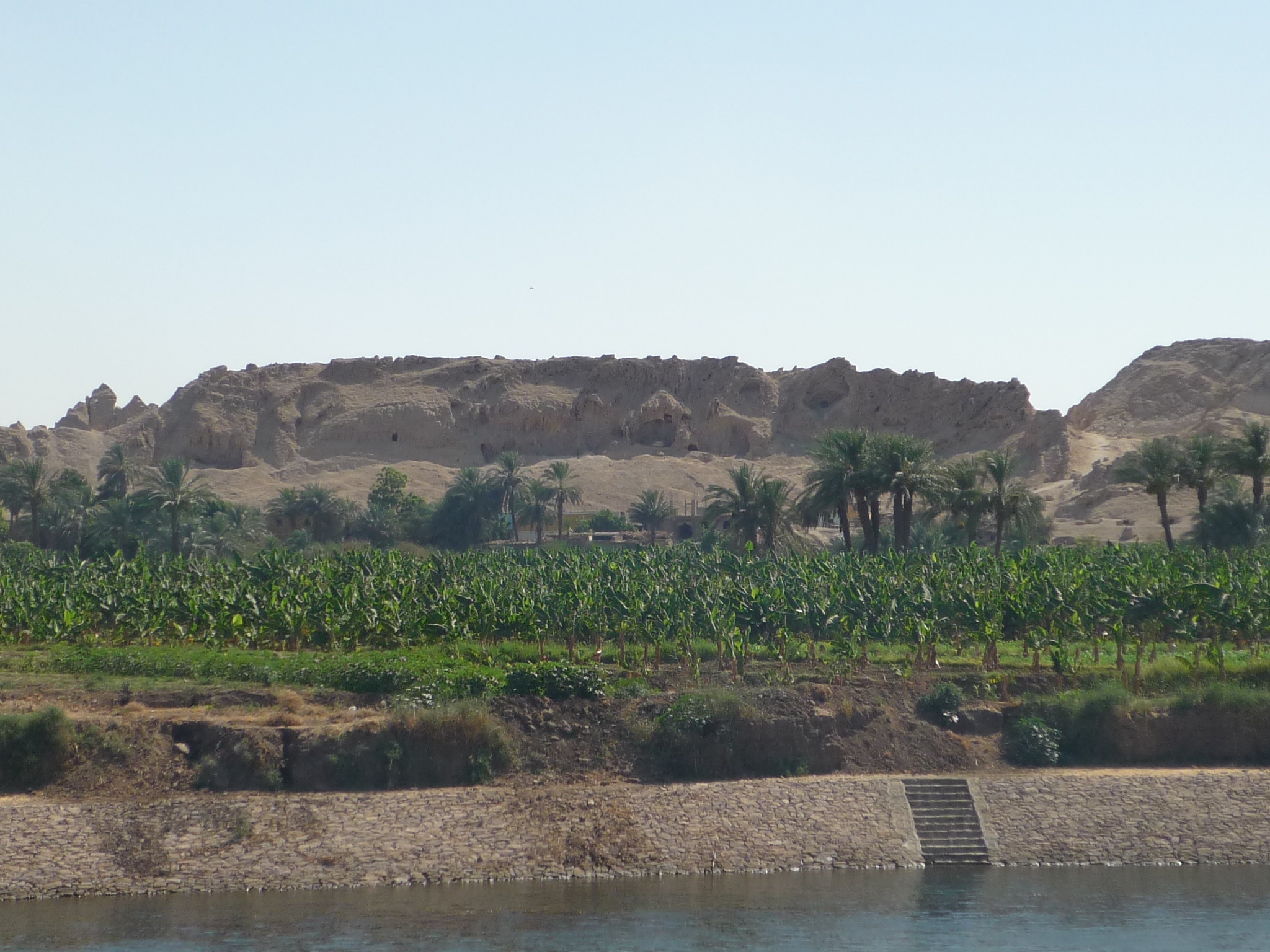
Gebelein
Archaeological site with mummies and temple ruins
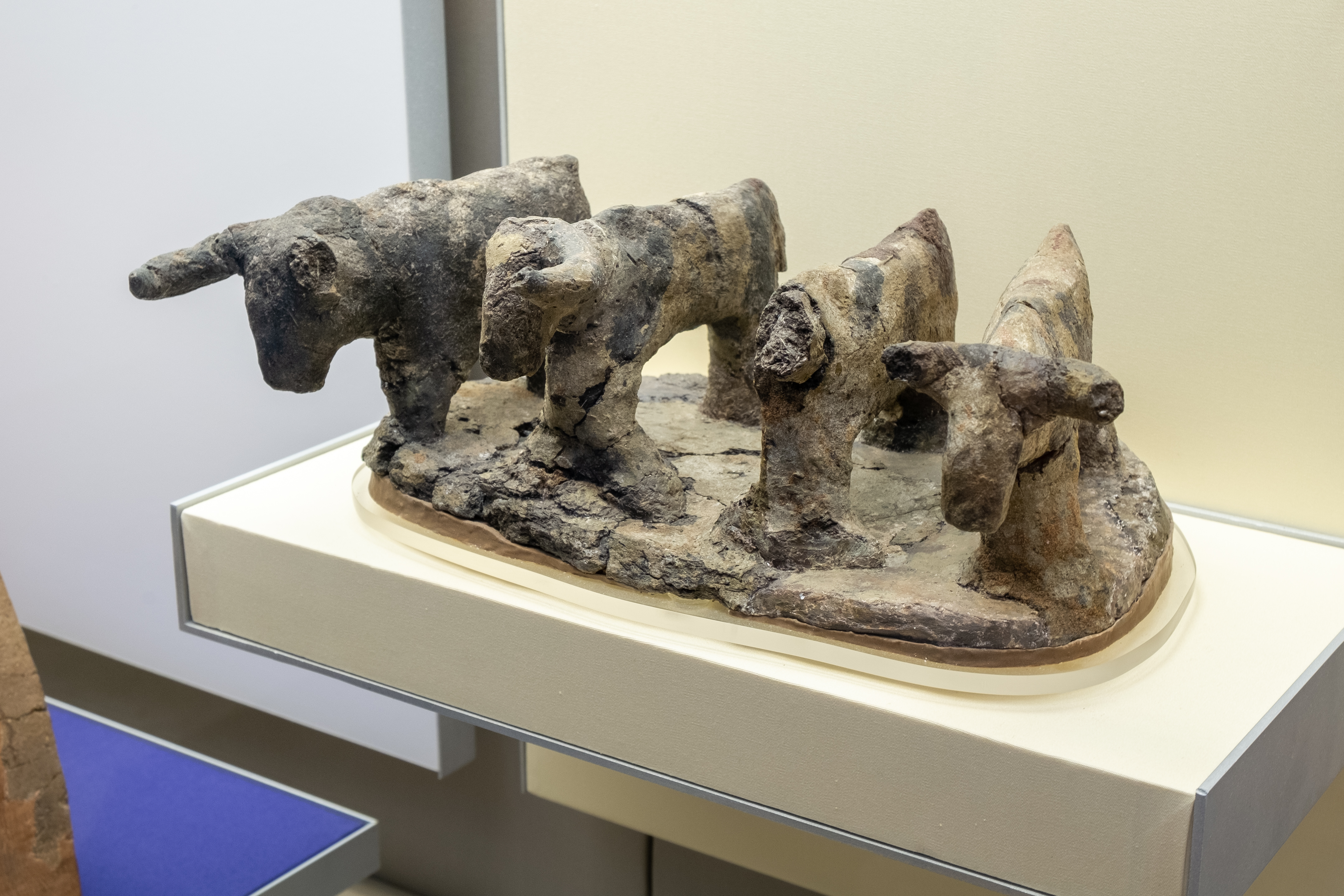
El-Amrah, Egypt
Predynastic site with Amratian culture artifacts.
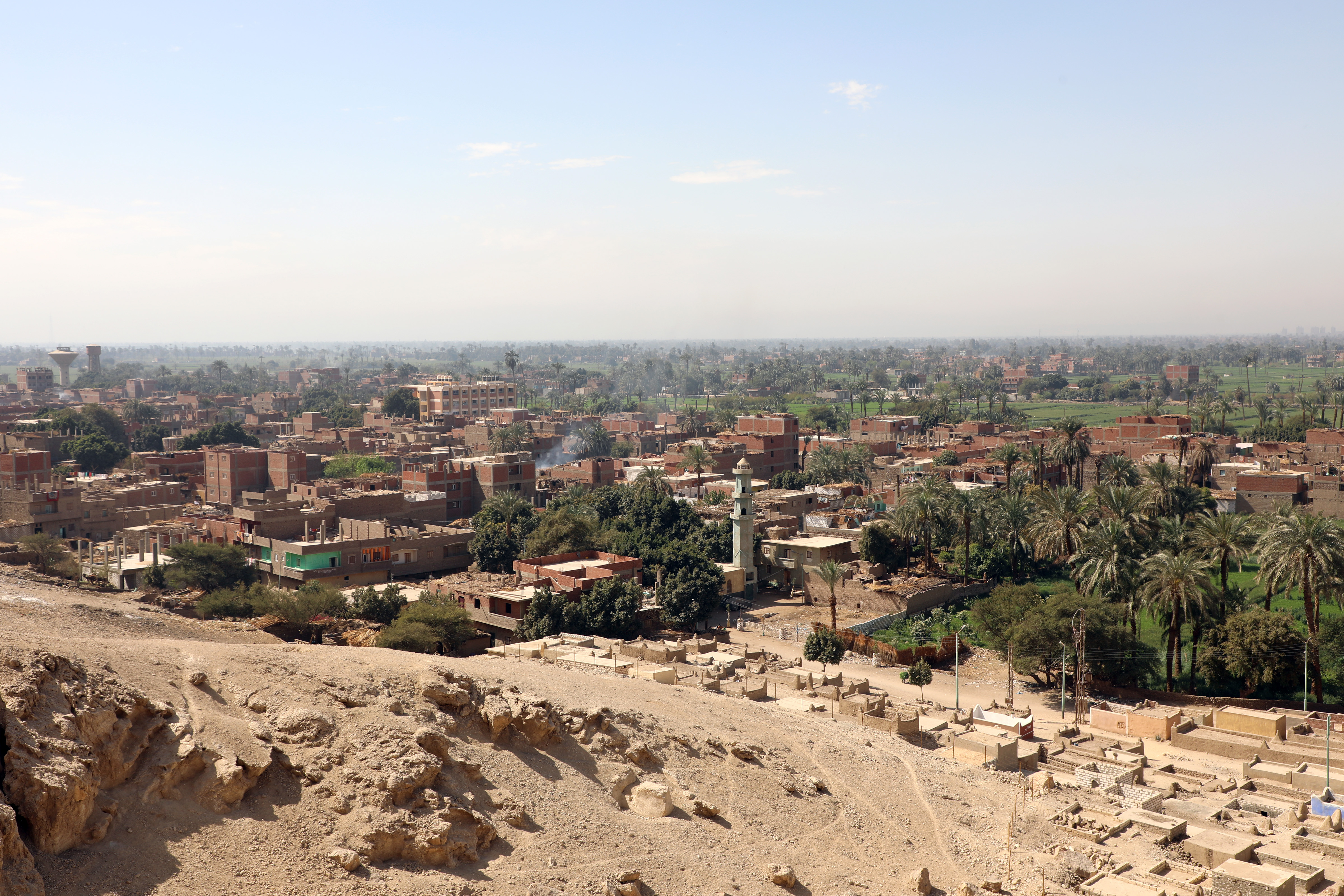
Hemamieh
Ancient cemeteries with Badari and Old Kingdom tombs.