Sites Worth Exploring
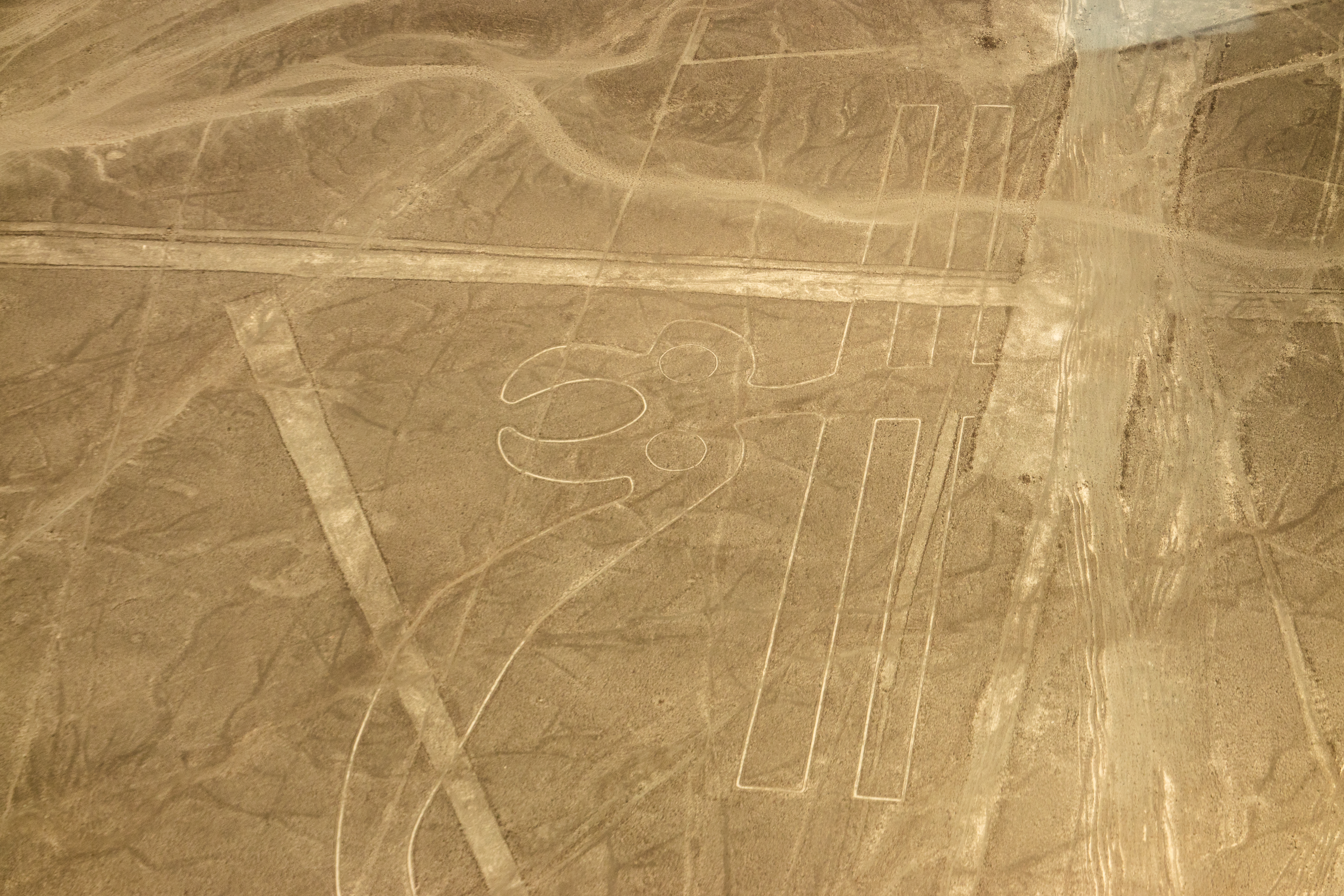
Nazca lines
The Nazca Lines are a series of large geoglyphs etched into the soil of the Nazca Desert in southern Peru. Created between 400 BCE and 500 CE, these l...
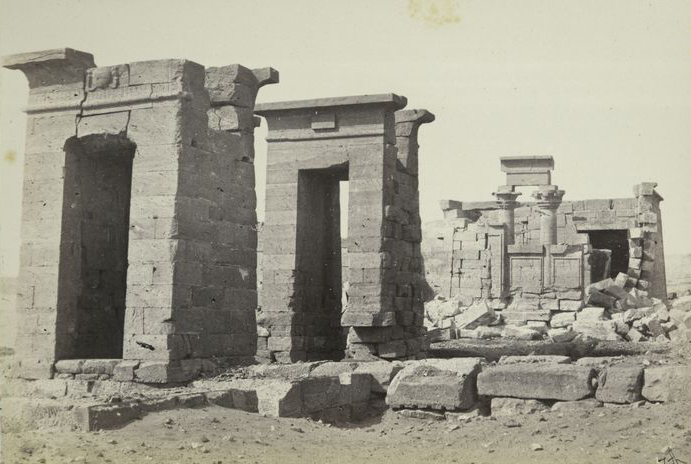
Temple of Debod
The Temple of Debod was originally constructed in the 2nd century BCE under the direction of Kushite King Adikhalam in southern Egypt, near Aswan. Th...
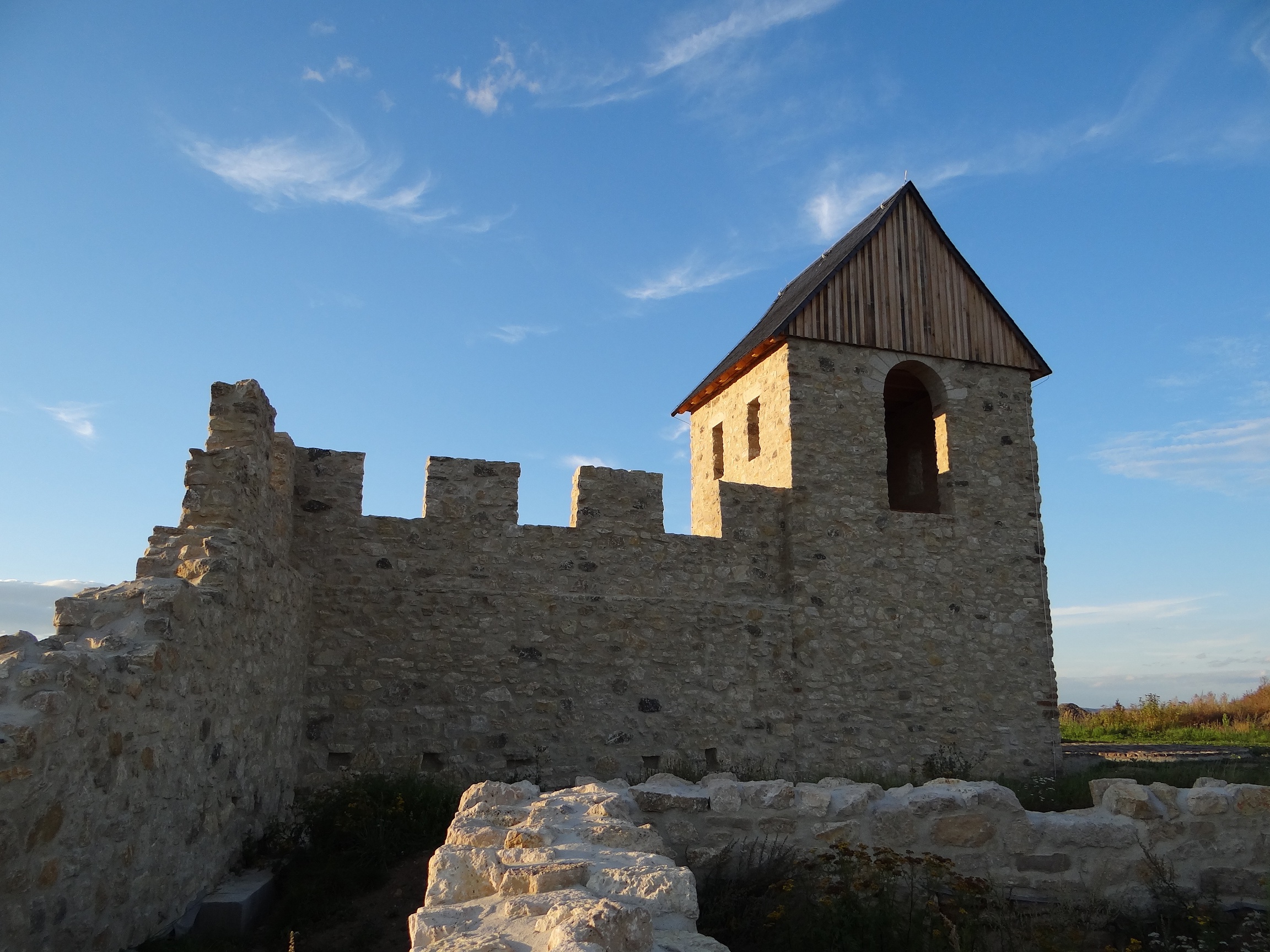
Royal palace of Werla
The Royal Palace of Werla, an archaeological site in Lower Saxony, Germany, stands as a testament to the region's rich history, particularly during th...
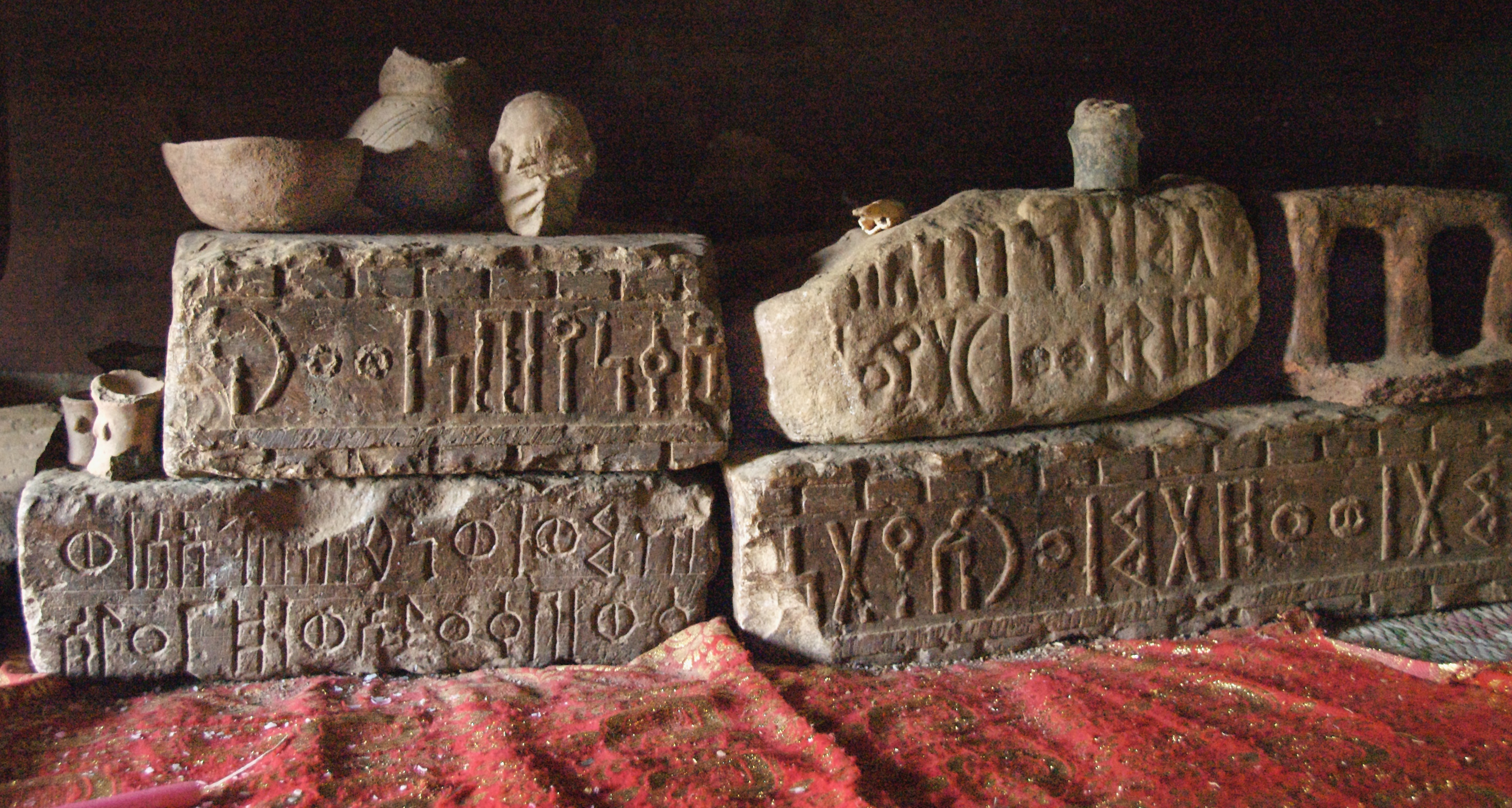
Yeha
Yeha, located in the northern Central Zone of Tigray, Ethiopia, is a significant archaeological site known for its ancient Sabaean-style architecture....
Popular Countries
Start your journey by exploring these countries rich in history and archaeological heritage.

South Africa

Peru

Egypt

Mexico
Why We Built This
We're building something that should have existed years ago: a comprehensive, free database of archaeological sites from around the world. The goal is simple—take all the scattered information about these places and put it somewhere anyone can actually find it. Researchers, travelers, students, or anyone curious about the past shouldn't have to dig through academic paywalls or obscure government PDFs to learn where history happened.
Making It Findable
Most archaeological site information is buried in places regular people will never look—subscription-only journals, regional heritage reports, or databases that haven't been updated since 2003. That's a problem. Right now, we're focused on aggregation: pulling together data from Wikipedia, UNESCO records, and dozens of other sources into one searchable map. The idea is that if you're planning a trip to Greece or just wondering what's worth seeing near your hometown, you shouldn't need a PhD to figure it out.
Built to Grow
Sites don't stop being discovered, and excavations don't stop producing new information. What we're building isn't meant to be a static reference—it's designed to eventually connect with active fieldwork. Archaeologists already have to document and publish their findings for grants and academic requirements. If we can make that process easier while also making the information public, everyone wins. That's the longer-term vision: a platform that updates as discoveries happen, not years after.
The Real Story Is Better
There's a lot of nonsense out there about ancient civilizations—lost continents, alien architects, that kind of thing. The frustrating part is that the actual history is usually more interesting than the conspiracy theories. But when accurate information is hard to find, people fill in the gaps with whatever's available. By making real archaeological data accessible and readable, we're betting that most people will choose facts over fiction when given the option. The engineering behind the Pyramids or the logistics of Roman road networks are genuinely impressive—no extraterrestrials required.
About the Project
Archaeolist is built to make the world's ancient history accessible and findable. We believe that every site has a story worth telling, whether it's a famous wonder or a hidden ruin. Our goal is to connect people with projects, preserving our shared heritage for future generations.
The project is led by Marshall Schurtz, PhD, an archaeologist trained at the University of Pennsylvania and with experience at digs around the world including Lebanon, Iraq, and Spain.