Explore the Map
Royal palace of Werla
52.0377° N, 10.5548° E
About
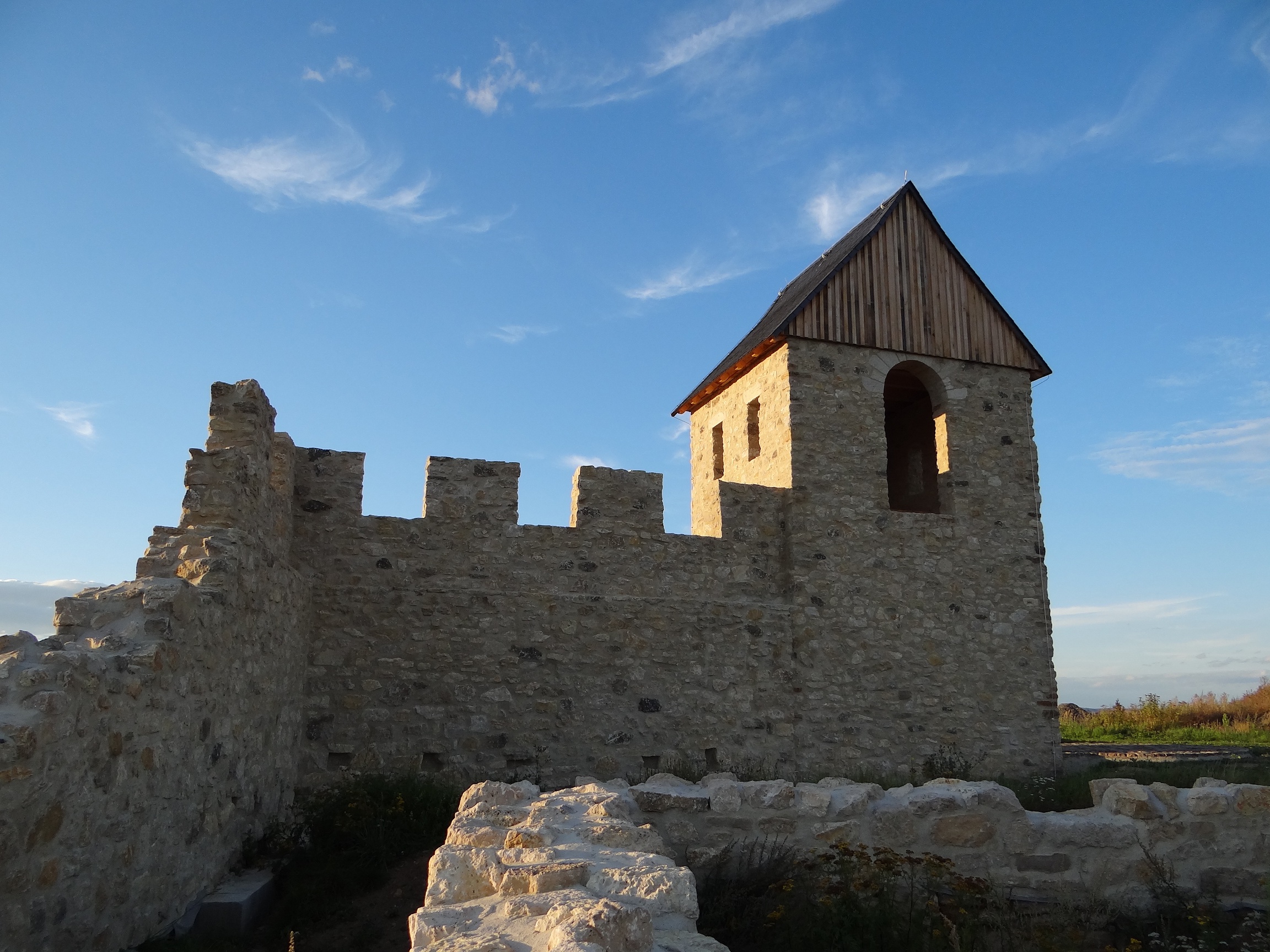
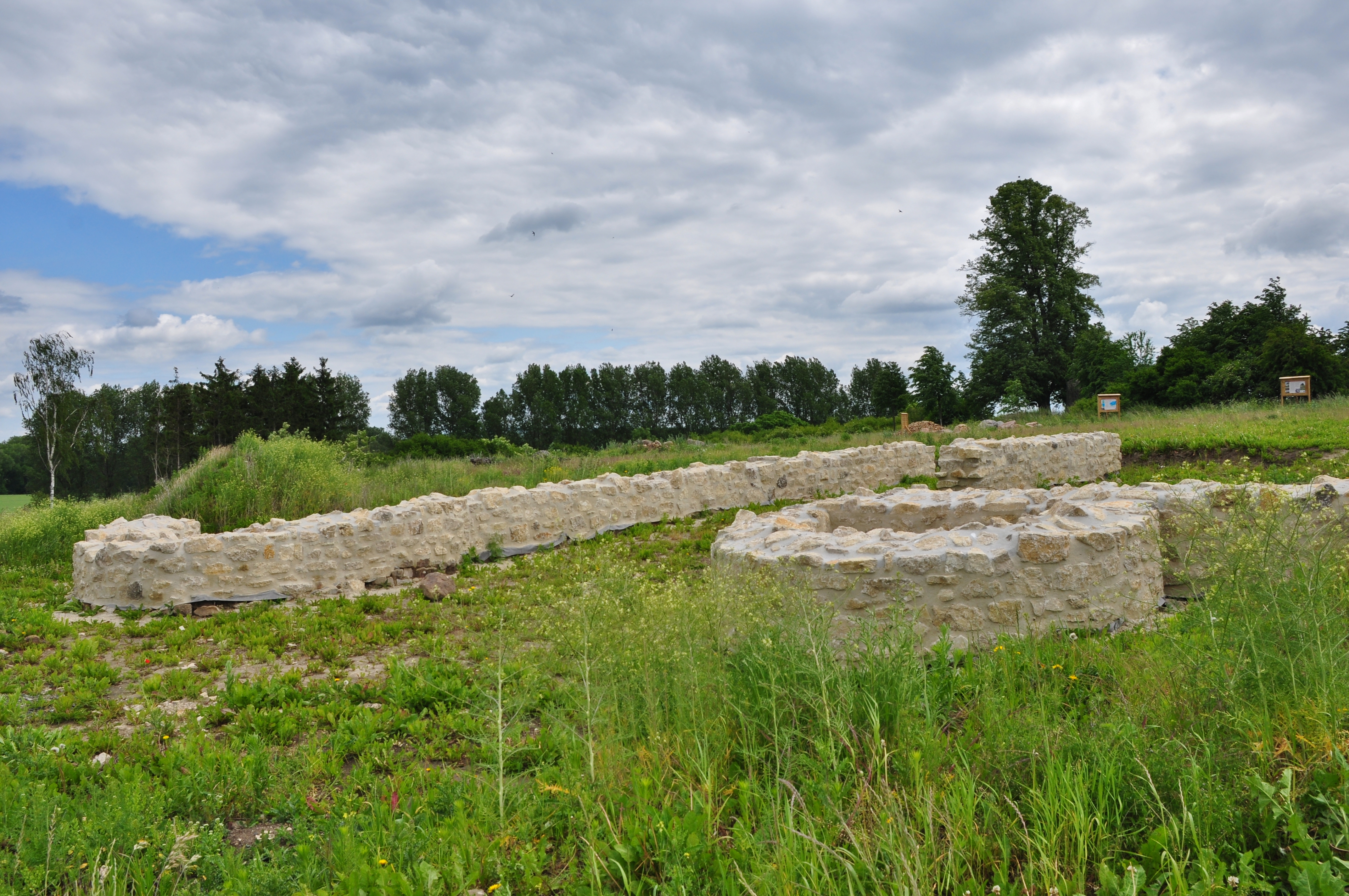
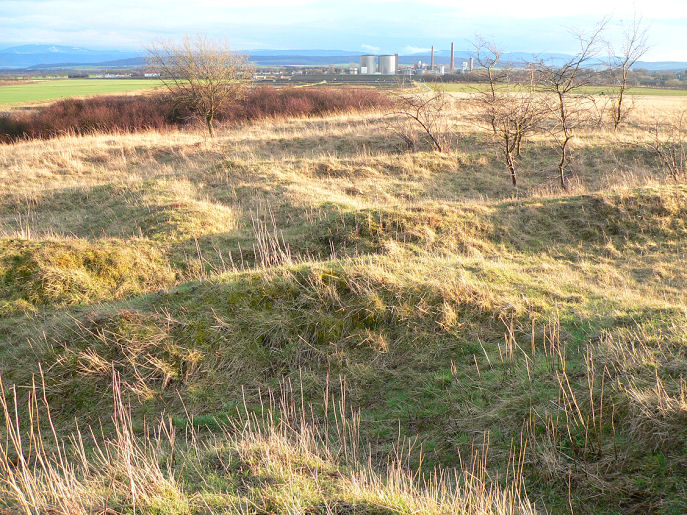
The Royal Palace of Werla, an archaeological site in Lower Saxony, Germany, stands as a testament to the region's rich history, particularly during the Ottonian period of the Holy Roman Empire in the 10th century CE. This site, perched atop a natural plateau, features a fortified palace complex with defensive walls, moats, and towers, reflecting its strategic significance. Notably, Werla transitioned from a royal residence to an industrial settlement with workshops and residential areas. Throughout its history, the site witnessed significant events, including royal visits and a pivotal meeting of Saxon nobles. The palace complex experienced growth during the High Middle Ages before falling into ruin in the 14th century CE. Archaeological excavations have revealed a Neolithic grave, providing evidence of early habitation, and have shed light on the site's development and eventual decline.
Gallery
Explore photographs of ancient structures, artifacts, and archaeological excavations
Historical Timeline
Journey through time and discover key events in this site's history
Neolithic Settlement
3700 BCE
Ottonian Golden Age
10th-11th century CE
Werla Settlement Expansion
11th-12th century CE
9th Century Fortified Farmstead
9th century CE
Ottonian Palace Construction
10th century CE
Frederick Barbarossa's Visit
1180 CE
Decay and Ruin
14th century CE
Archaeological Features
Unique architectural and cultural elements found at this historical site
Defensive Structures
Burial and Funerary Structures
Industrial and Craft Structures
Religious and Ritual Structures
Domestic and Habitation Structures
Frequently Asked Questions
Plan Your Visit
Tours, travel arrangements, and practical information


More Sites in Germany
Kyffhausen Castle
Medieval castle ruin with Neolithic origins
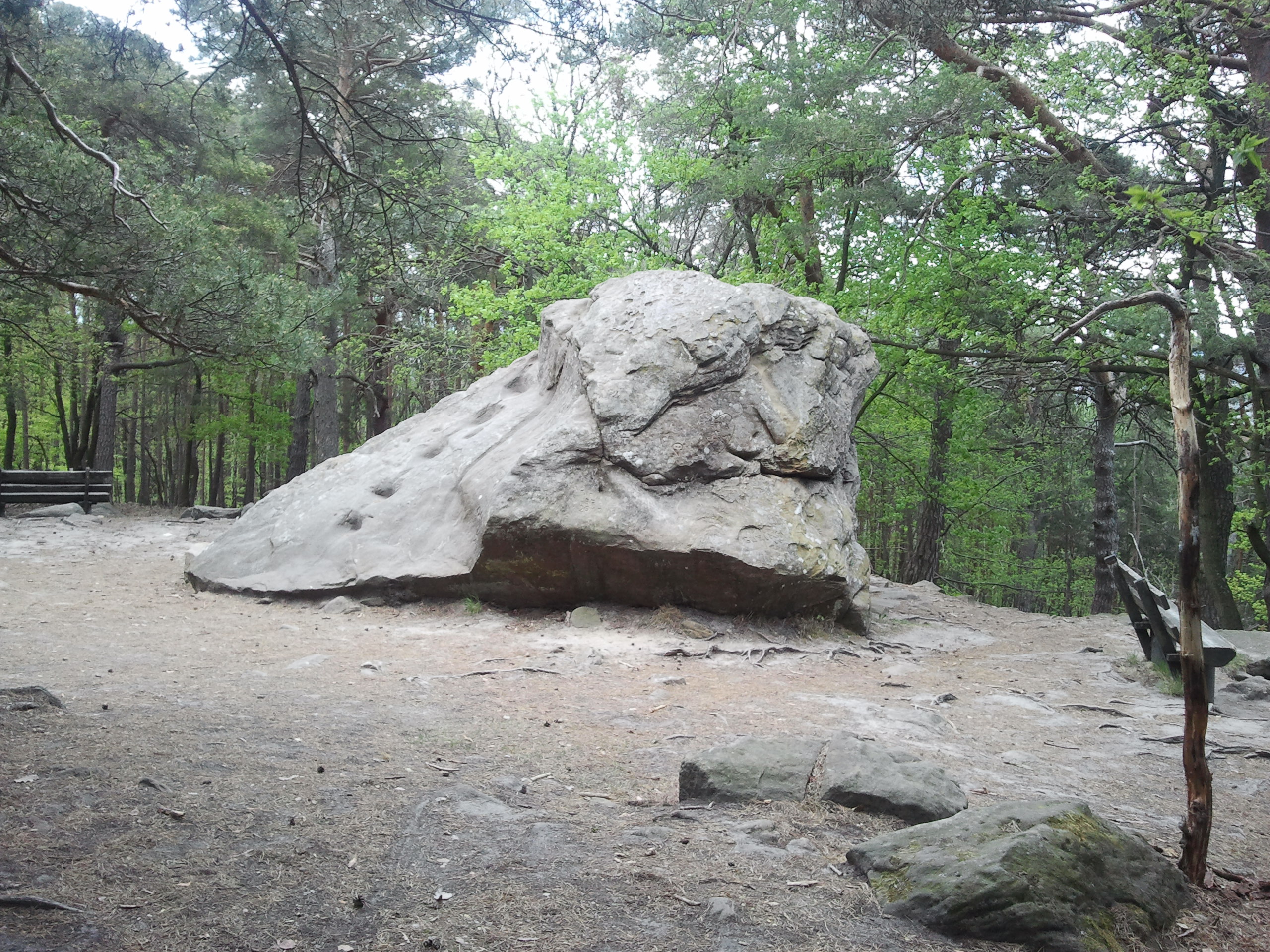
Teufelsstein (Haardt)
Monolith with Celtic and Roman carvings
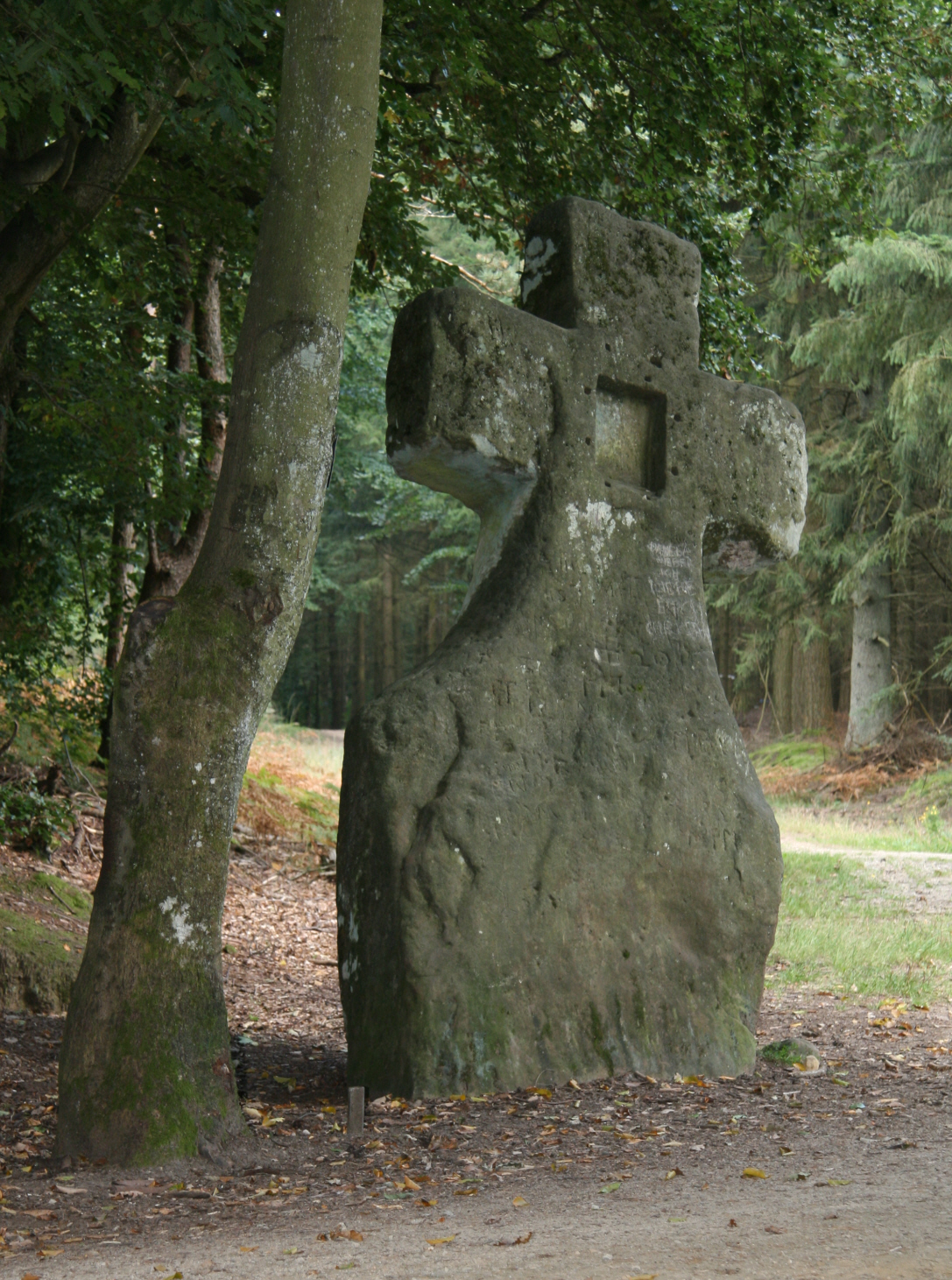
Fraubillen cross
Resculpted menhir into a Christian cross
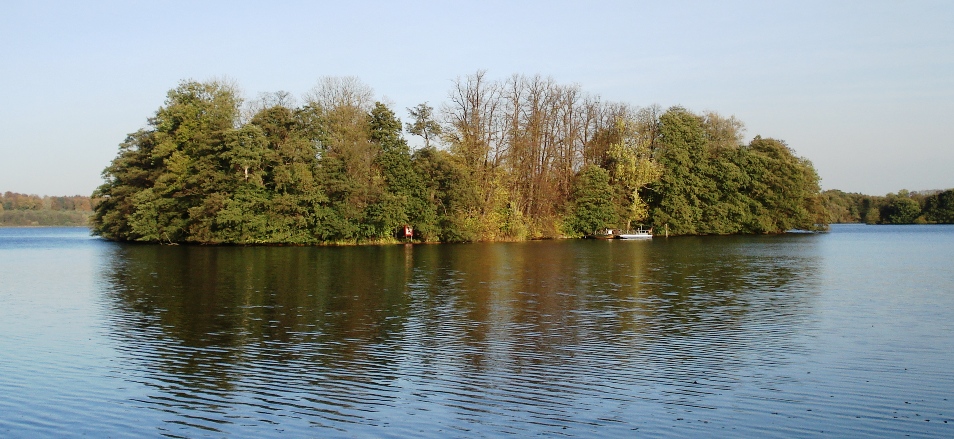
Pheasant Island (Eutin)
Small island with medieval castle ruins.
Langweiler (archaeological site)
Neolithic farming settlement with ritual enclosures
Blankenhagen Castle
Ruins of 13th-century motte-and-bailey castle