UNESCO Archaeological Sites
About UNESCO
The United Nations Educational, Scientific and Cultural Organization (UNESCO) World Heritage Sites represent the most significant natural and cultural treasures of our planet. These sites are judged to contain "cultural and natural heritage around the world considered to be of outstanding value to humanity."
How does a place become a World Heritage Site?
The process begins with a country (State Party) creating a Tentative List of important sites. From this list, they can select a site to prepare a comprehensive Nomination File. This file is evaluated by independent advisory bodies: ICOMOS (for cultural sites) and IUCN (for natural sites). Finally, the World Heritage Committee meets annually to make the final decision on inscription.
Types of sites
- Cultural: Man-made sites like monuments, cities, or buildings (e.g., Taj Mahal, Historic Centre of Rome).
- Natural: Physical or biological formations with exceptional beauty or scientific value (e.g., Great Barrier Reef, Yellowstone).
- Mixed: Sites that satisfy both cultural and natural criteria (e.g., Machu Picchu).
Threats
Many sites are in danger due to climate change, overtourism, armed conflict, and neglect. UNESCO maintains a List of World Heritage in Danger to rally international support.
Famous sites
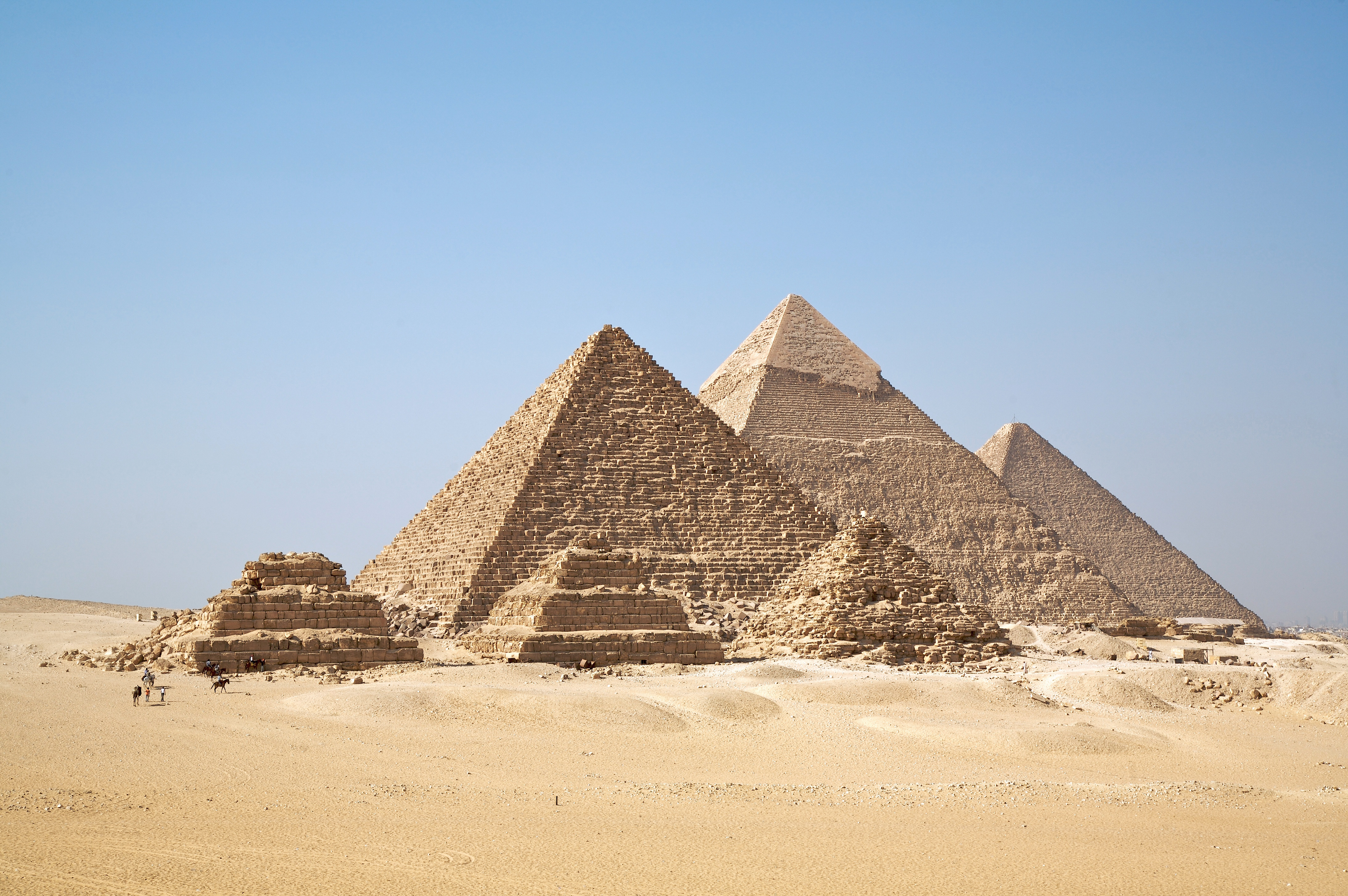
Some of the most recognizable include the Pyramids of Giza, Angkor Wat, Pompeii, and Chichen Itza.
Filter by Country
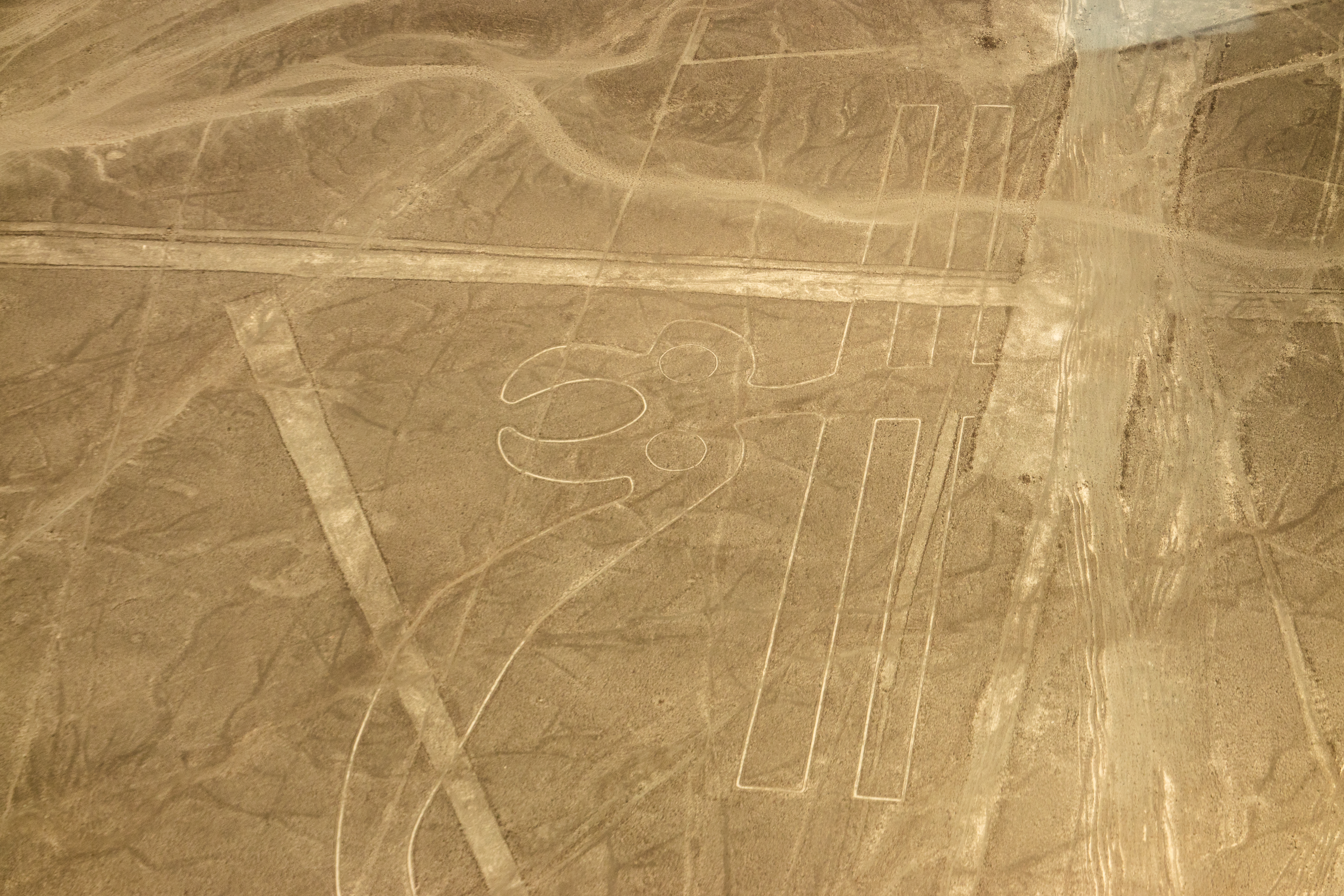
Nazca lines
Large geoglyphs on Peru's desert plateau.
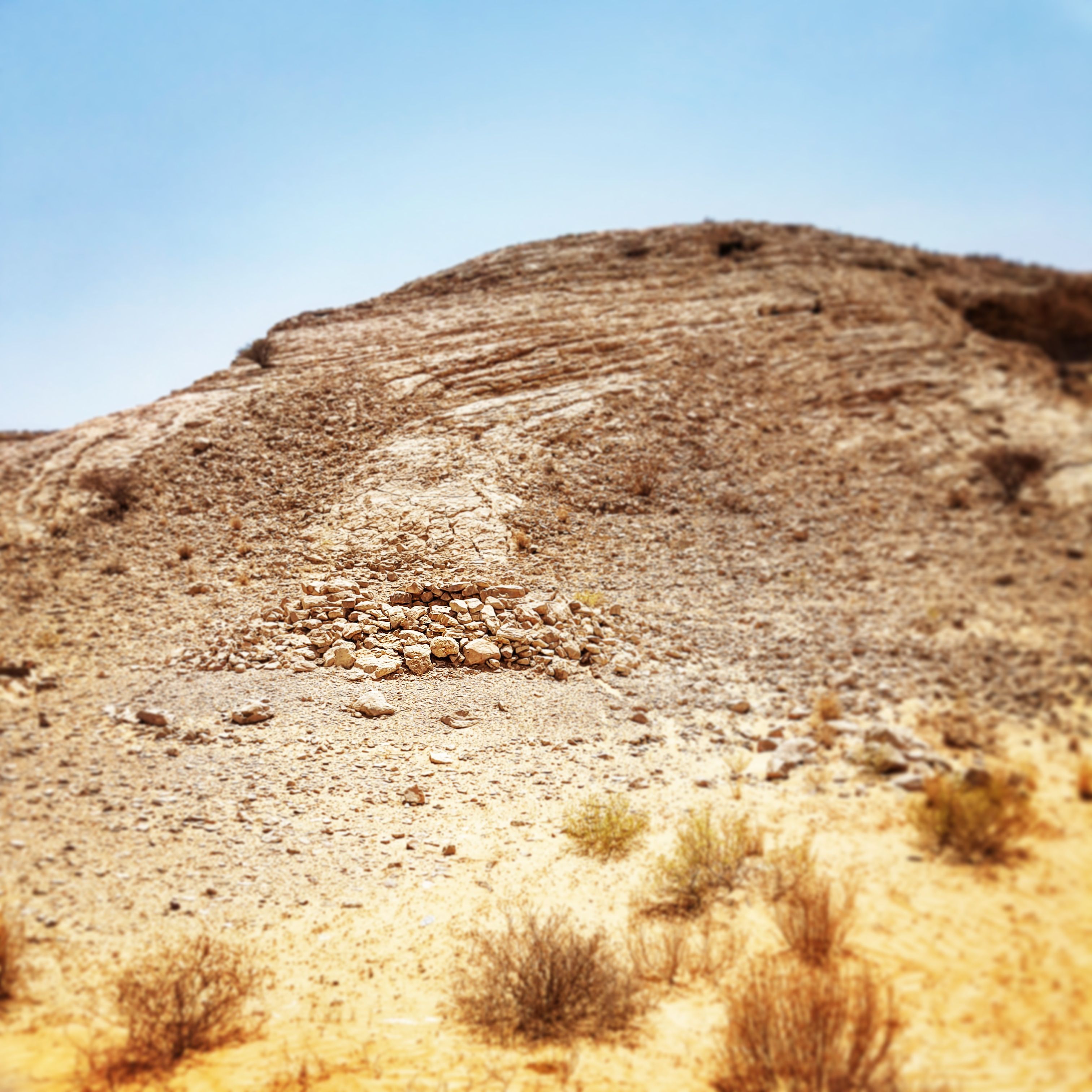
Bidaa Bint Saud
Hafit tombs, Iron Age irrigation, settlement.
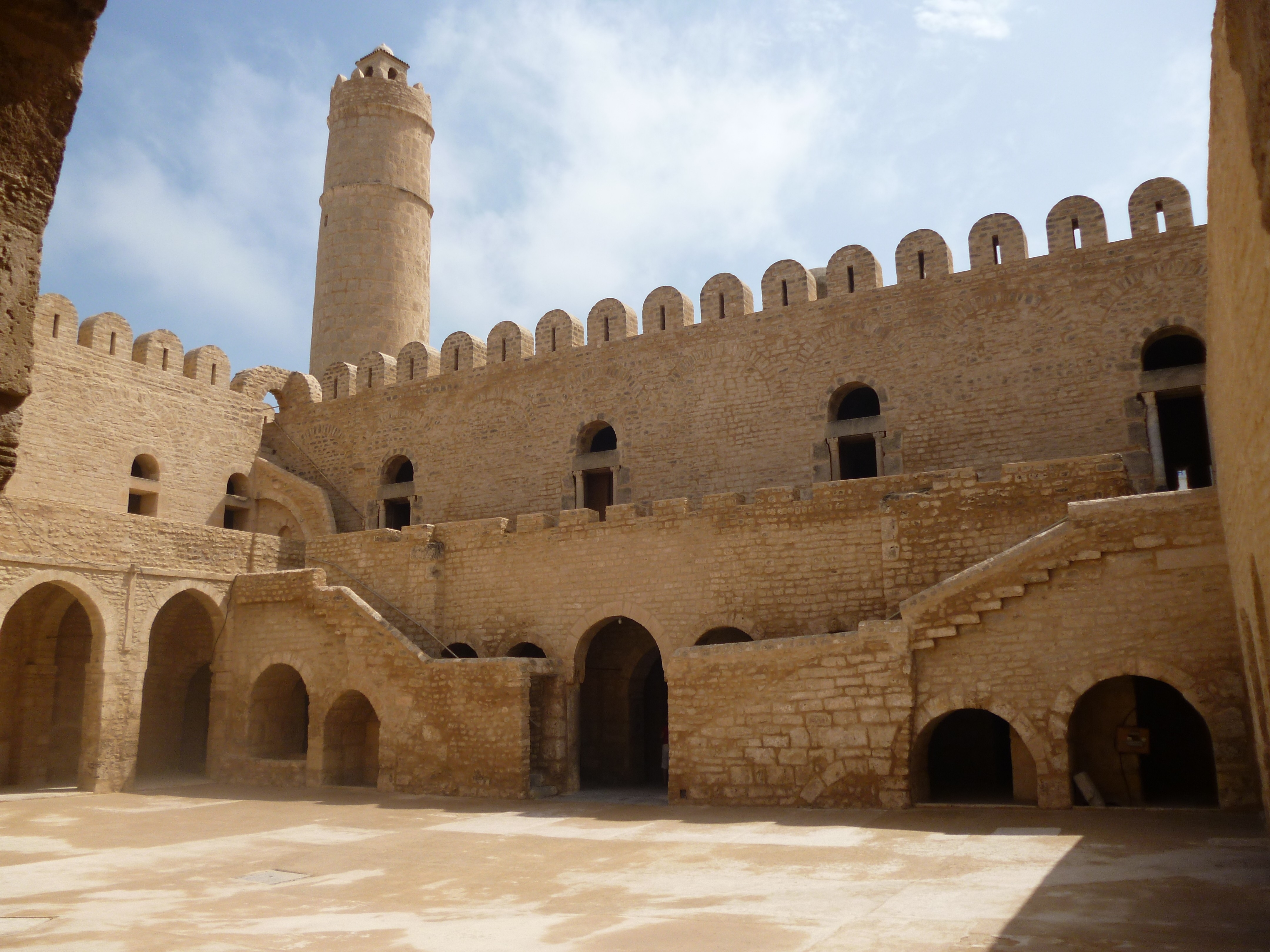
Medina of Sousse
Islamic architectural site with Punic steles
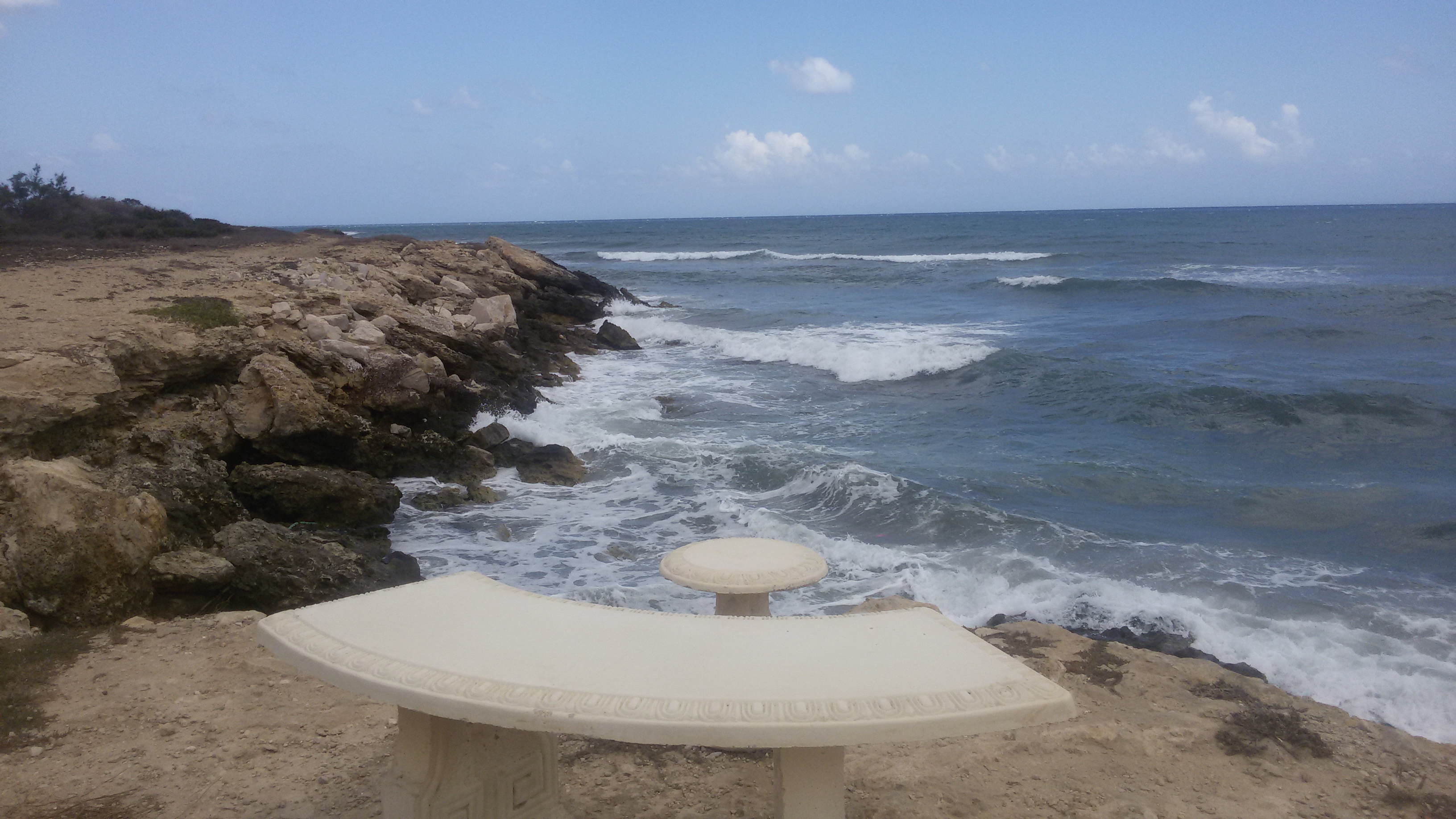
Kerkouane
Ancient Punic city with unique ruins

Sarazm
Proto-historical agricultural settlement in Tajikistan
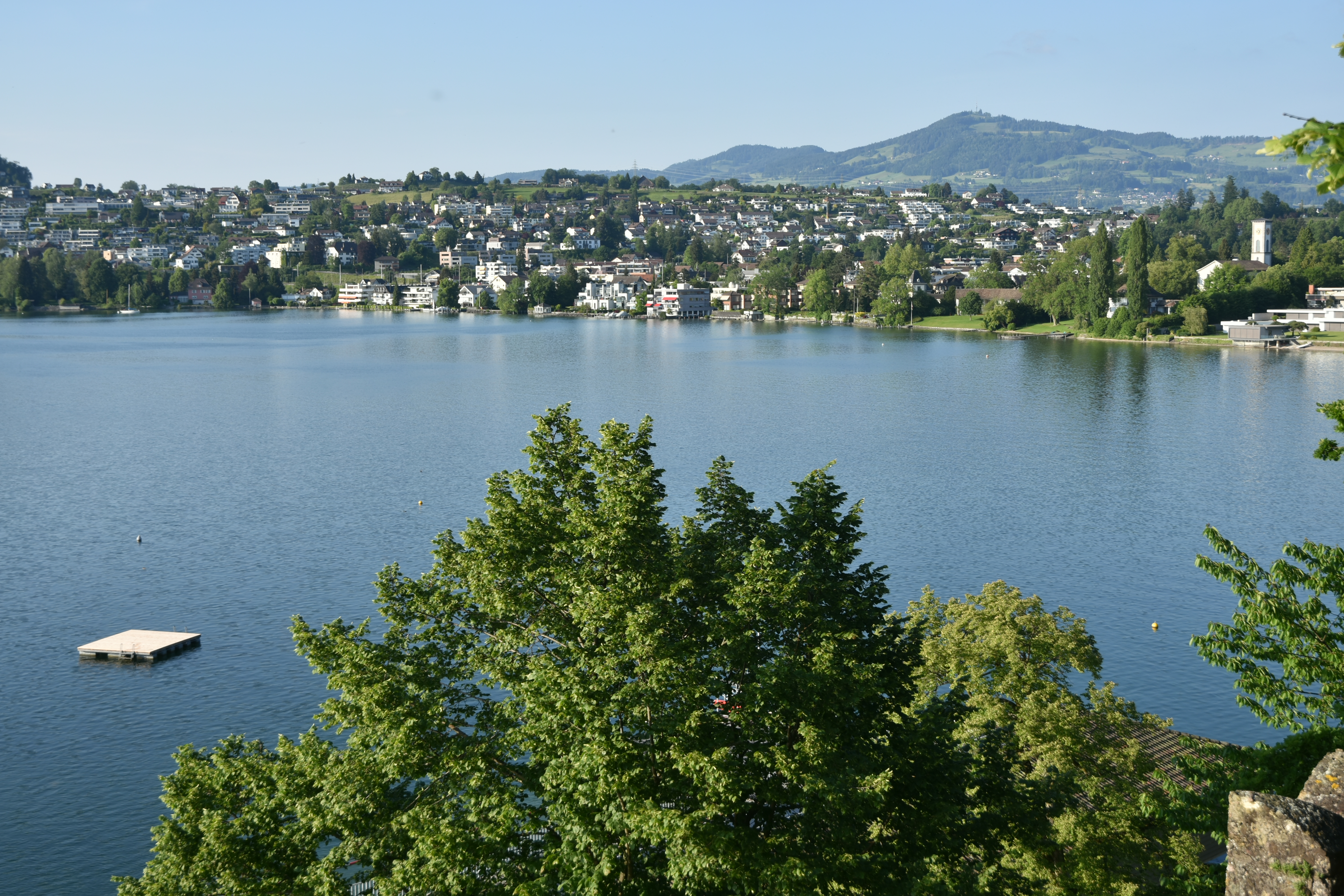
Centum Prata
Roman vicus with commercial and public structures
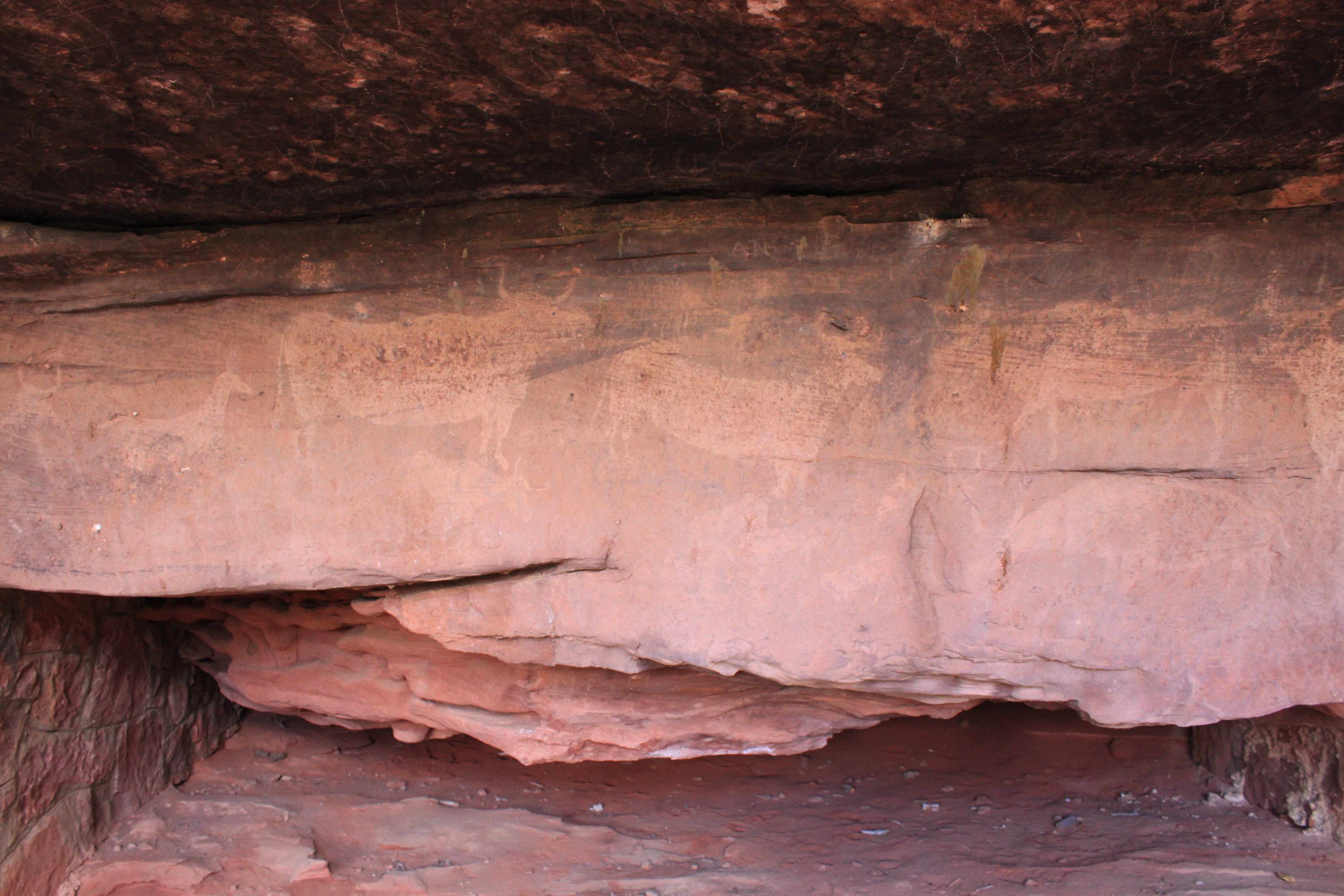
Rock art of the Iberian Mediterranean Basin
Prehistoric rock art in eastern Spain
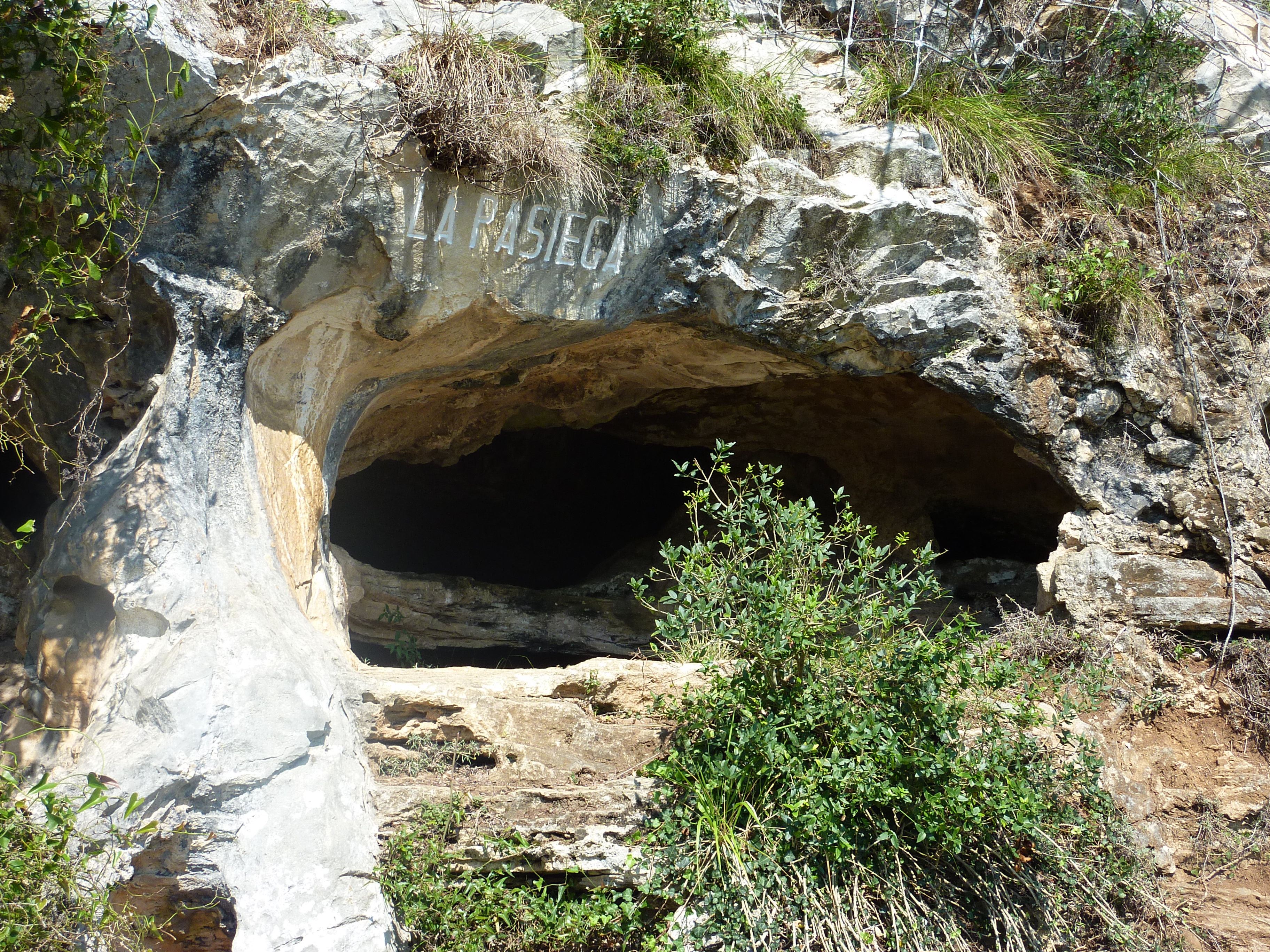
Cave of La Pasiega
Complex cave with Paleolithic rock art.
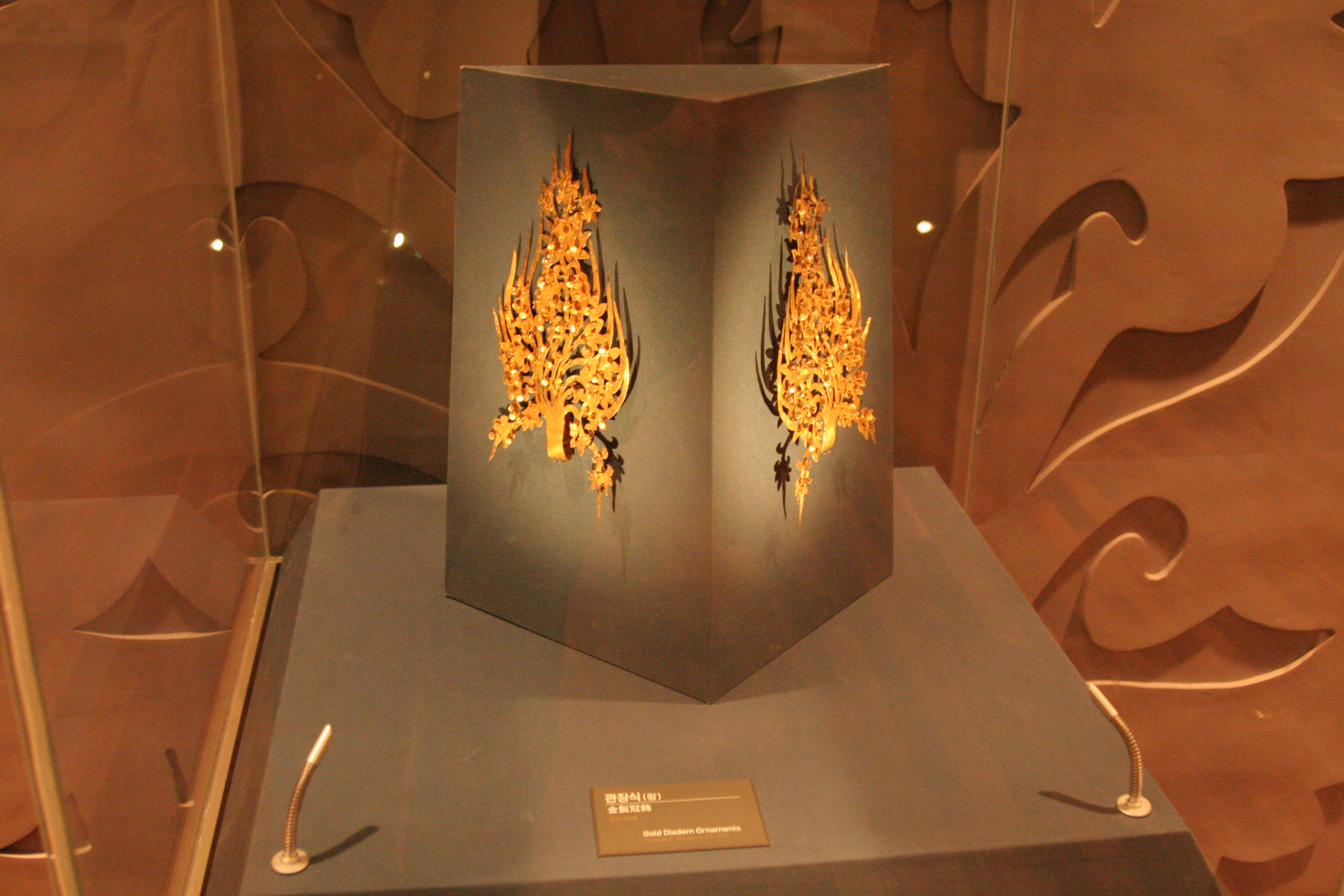
Tomb of King Muryeong
Intact Baekje royal tomb with artifacts.
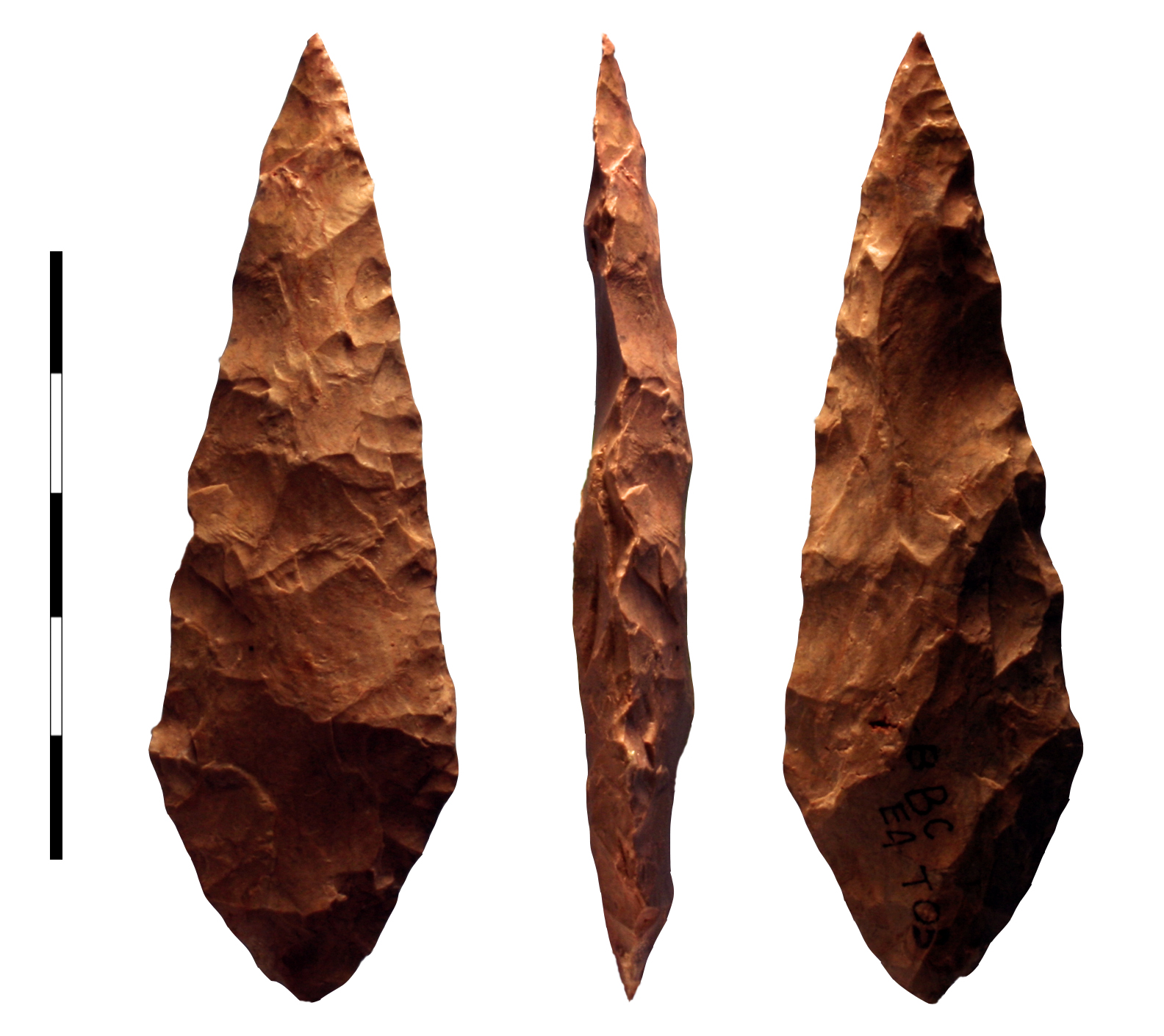
Stadsaal Caves
Sandstone caves with San rock art.
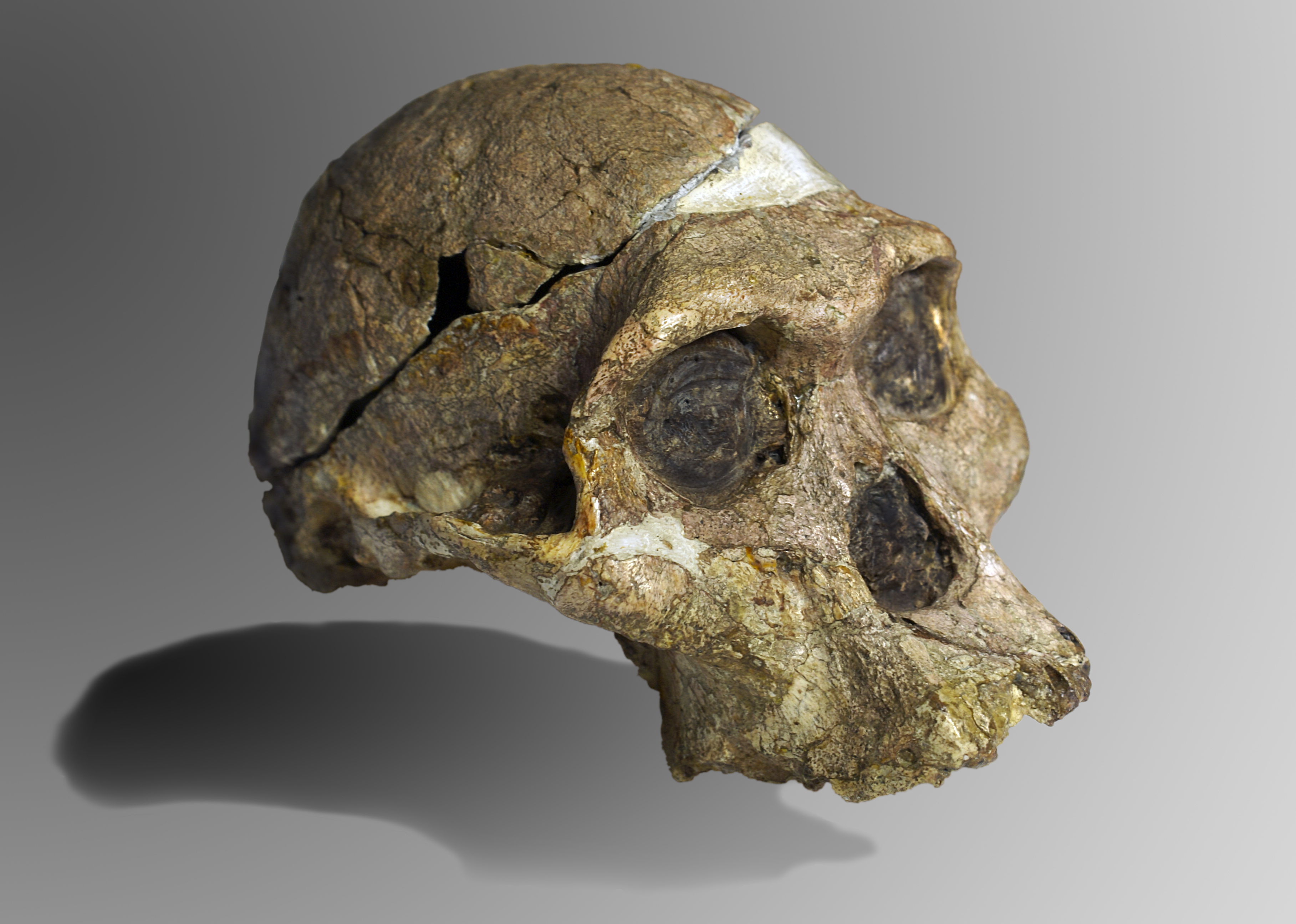
Plovers Lake
Fossil-bearing dolomitic cave in South Africa
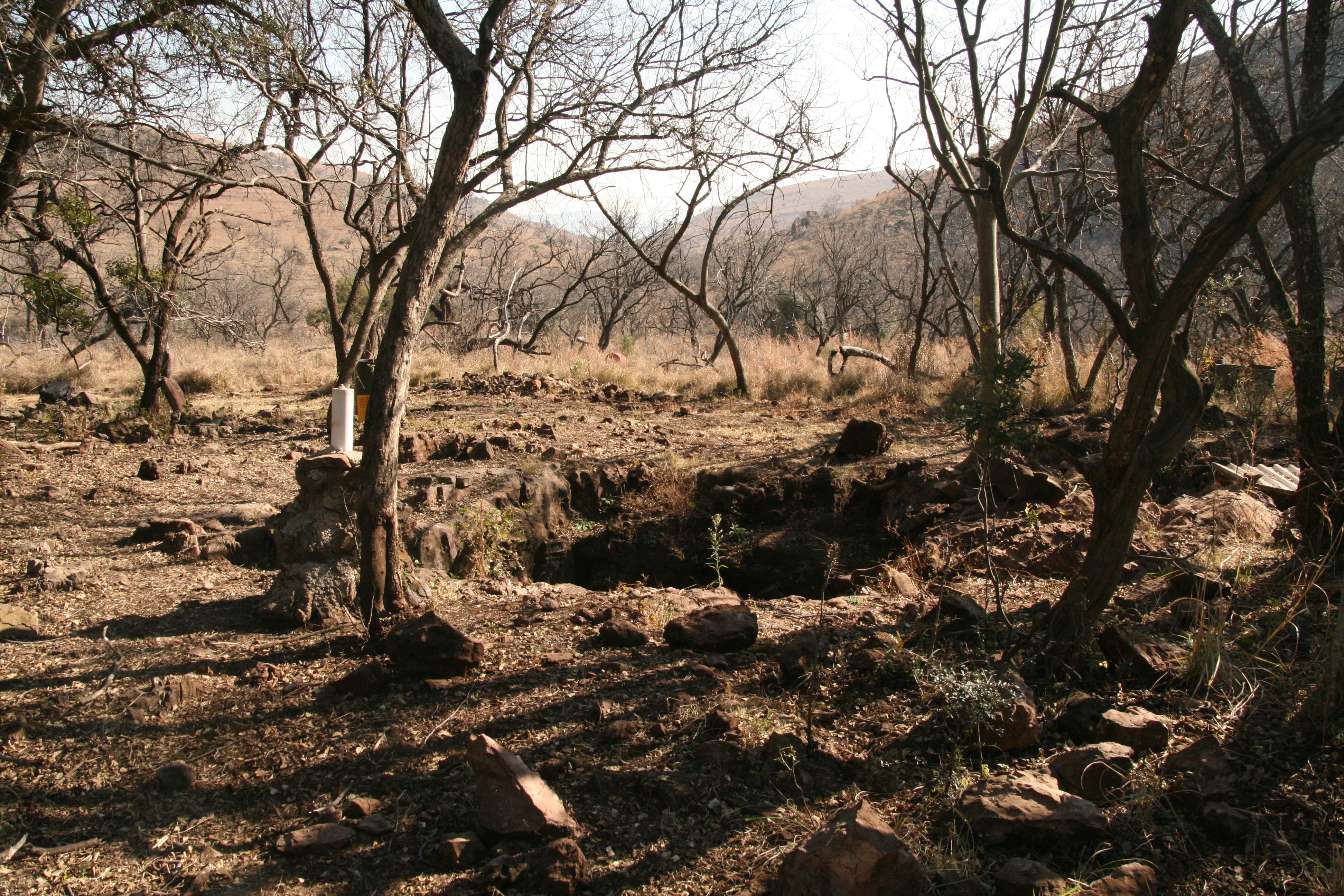
Malapa Fossil Site, Cradle of Humankind
Fossil-bearing cave with early hominid remains
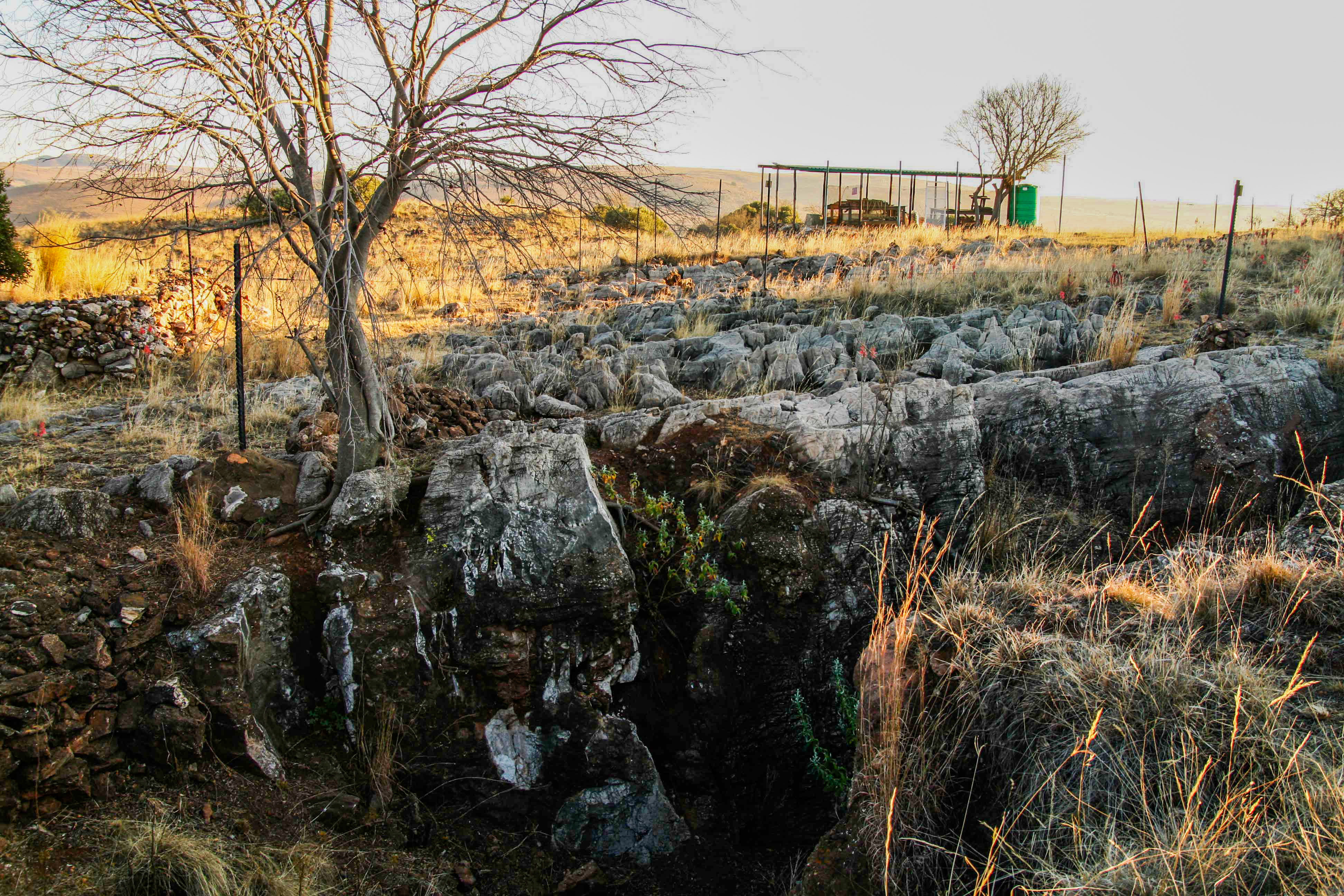
Kromdraai fossil site
Fossil-bearing breccia-filled cave site
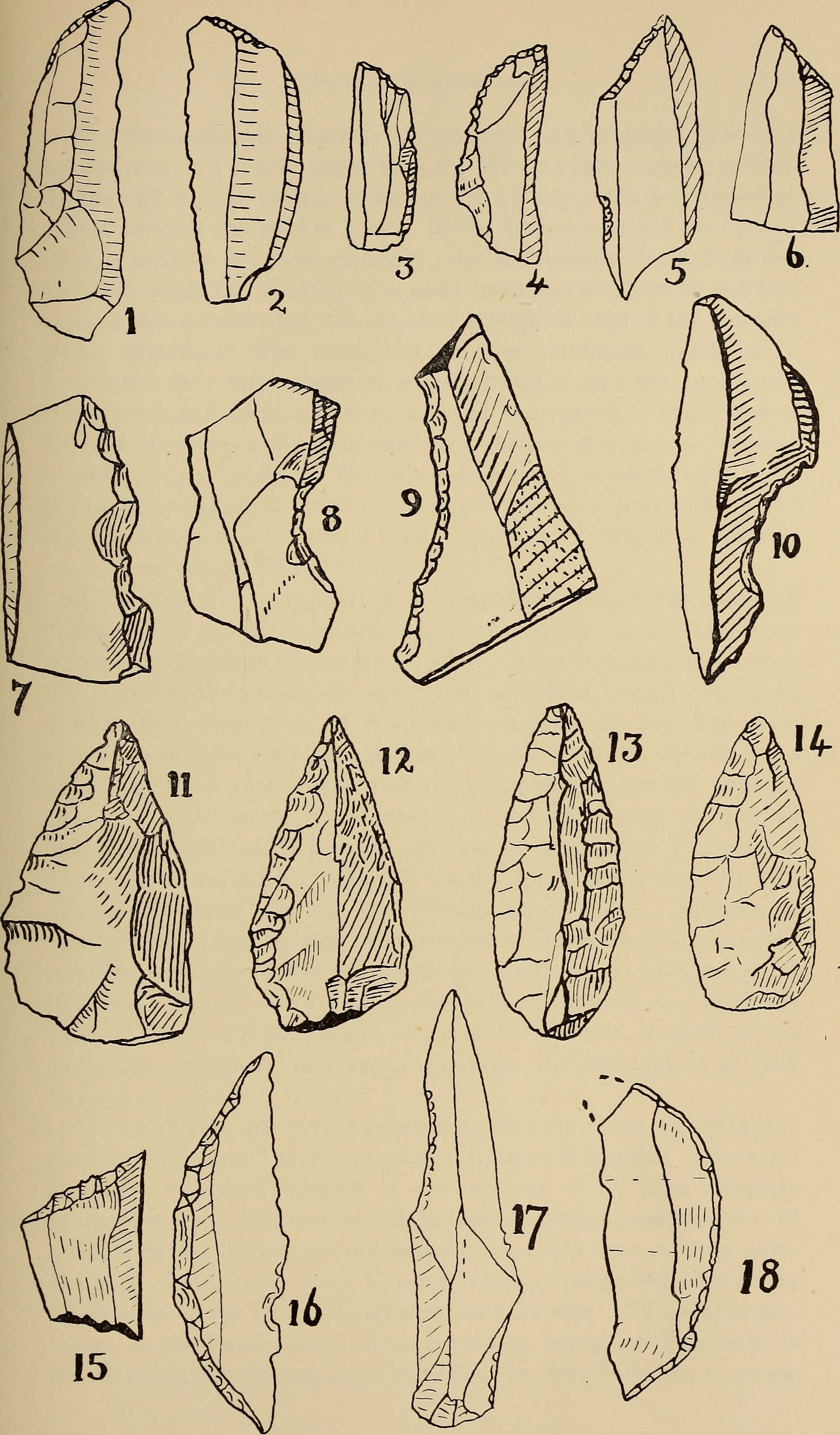
Klasies River Caves
Coastal caves with Middle Stone Age deposits.
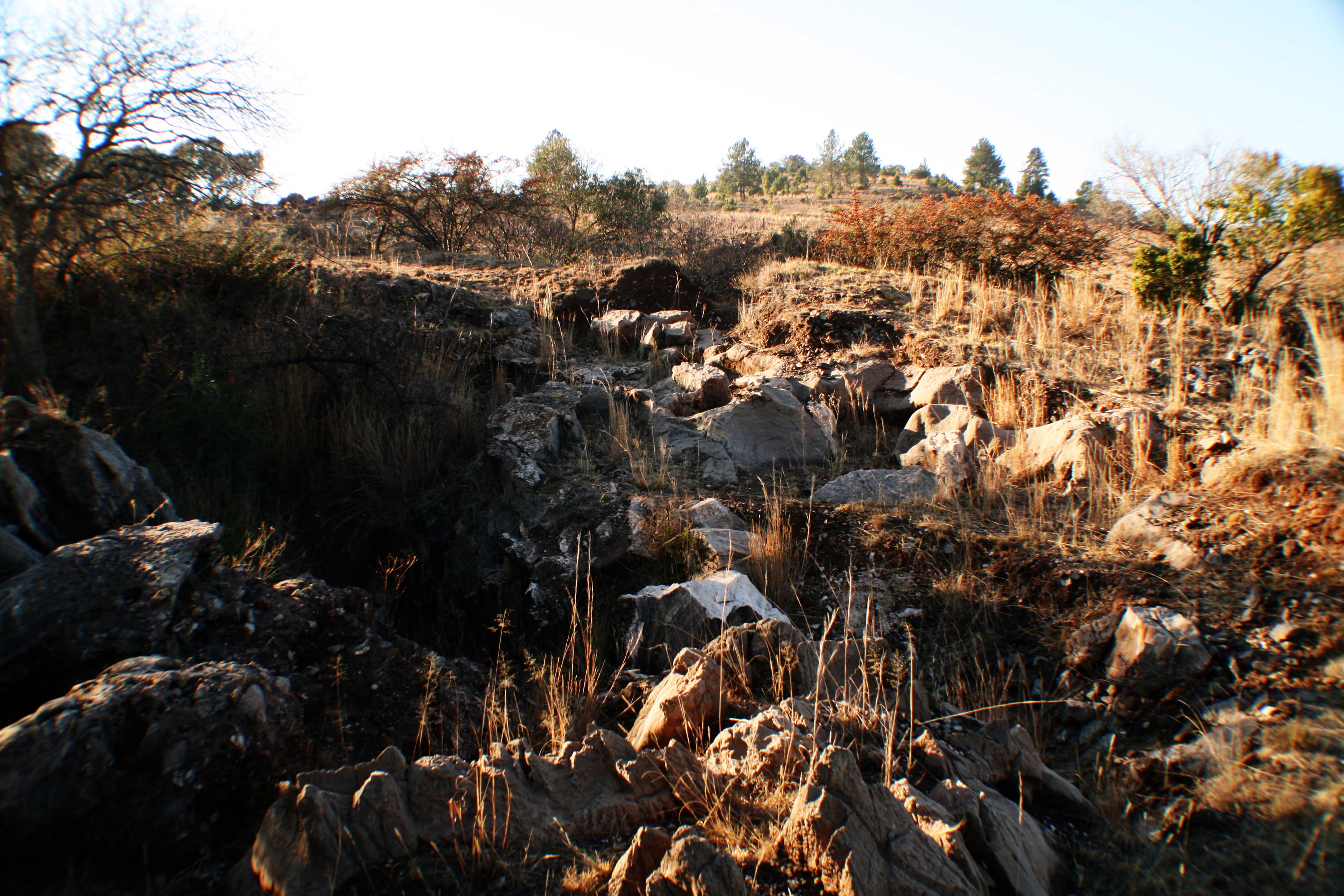
Cooper's Cave
Fossil-bearing breccia-filled dolomitic caves.
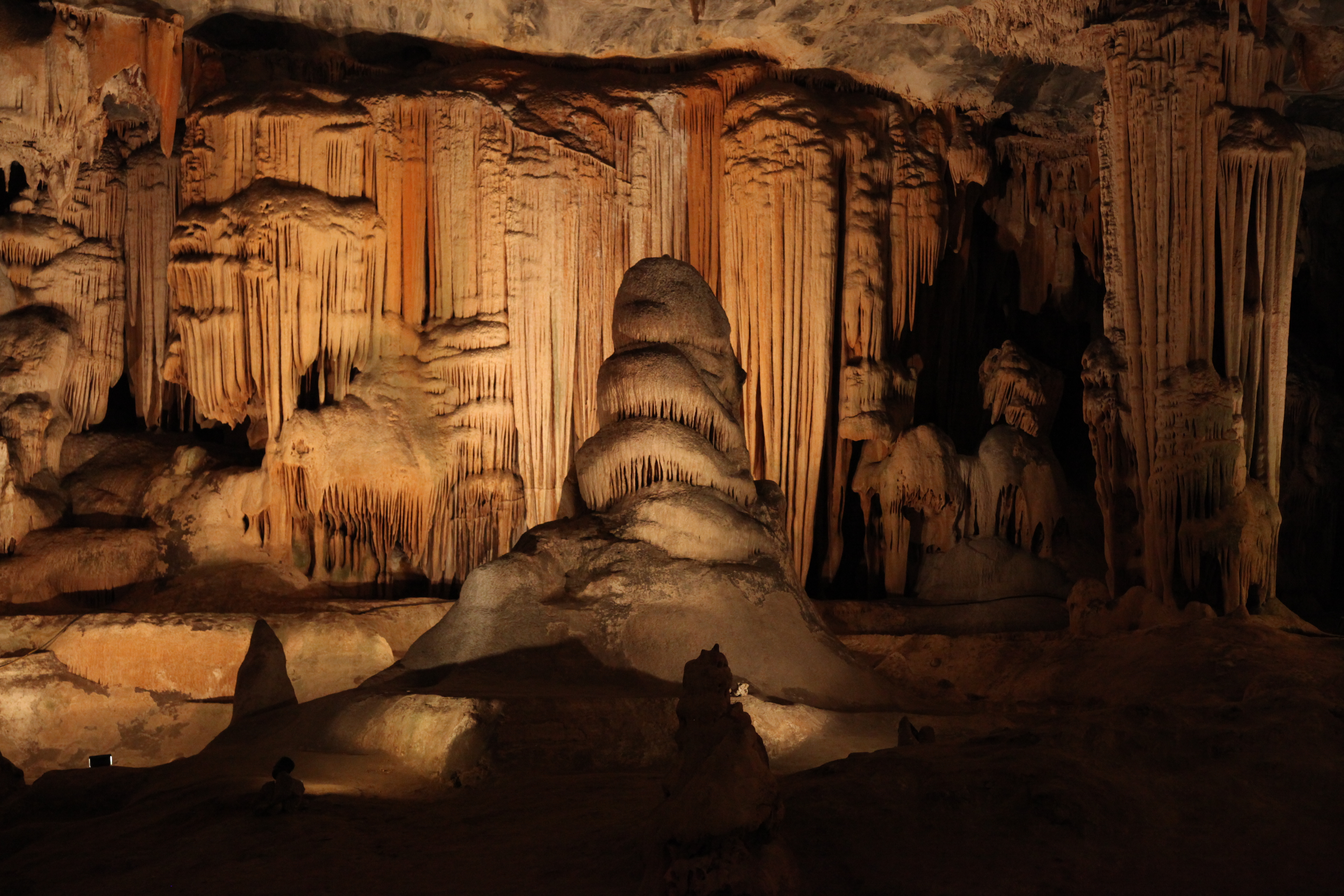
Cango Caves
Extensive limestone cave system with artifacts.
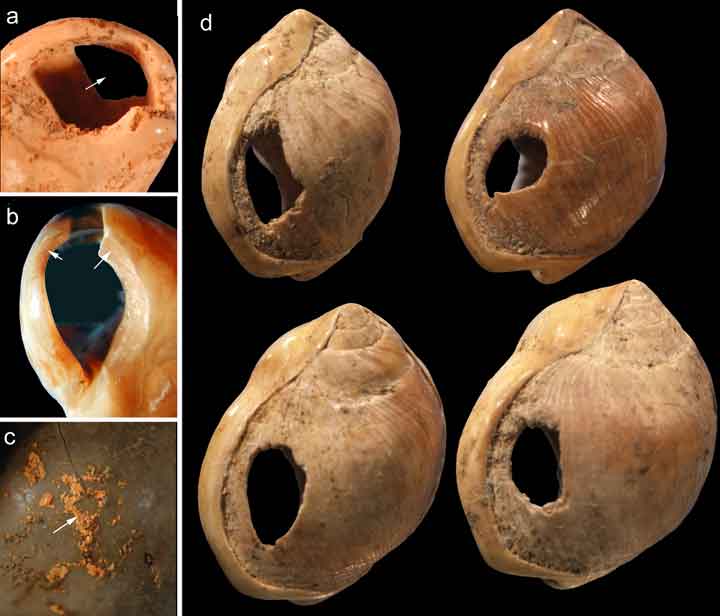
Blombos Cave
Stone Age cave with symbolic artifacts
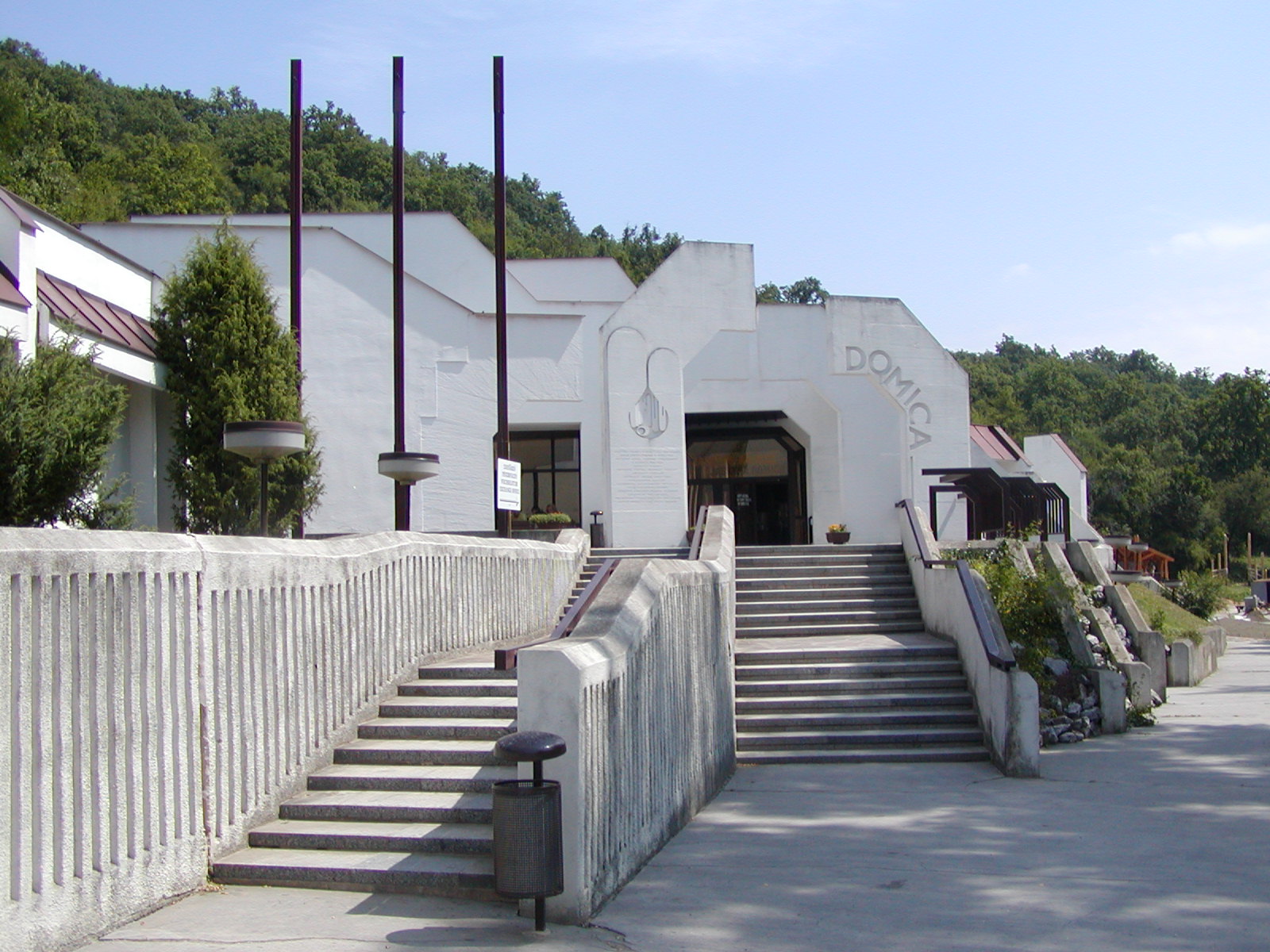
Domica Cave
Complex karst cave with speleothems and artifacts
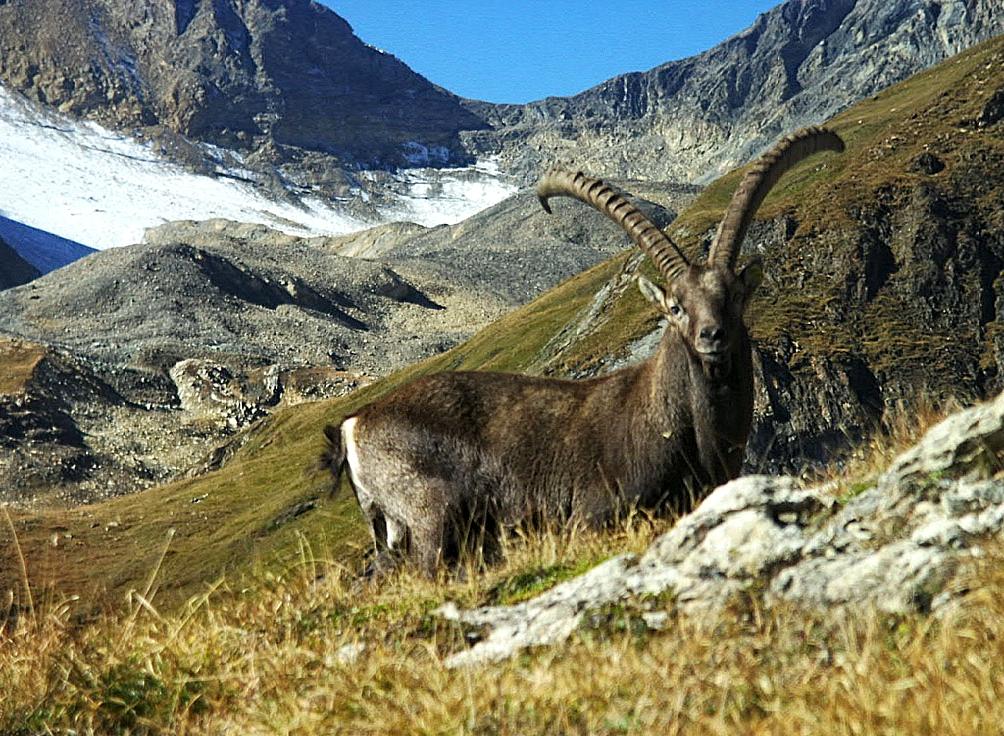
Balanica
Cave complex with ancient hominin remains
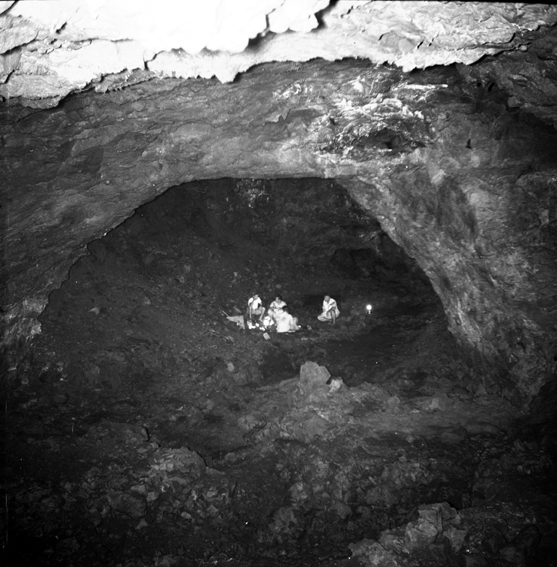
Falemauga Caves
Lava tunnels with prehistoric human occupation.
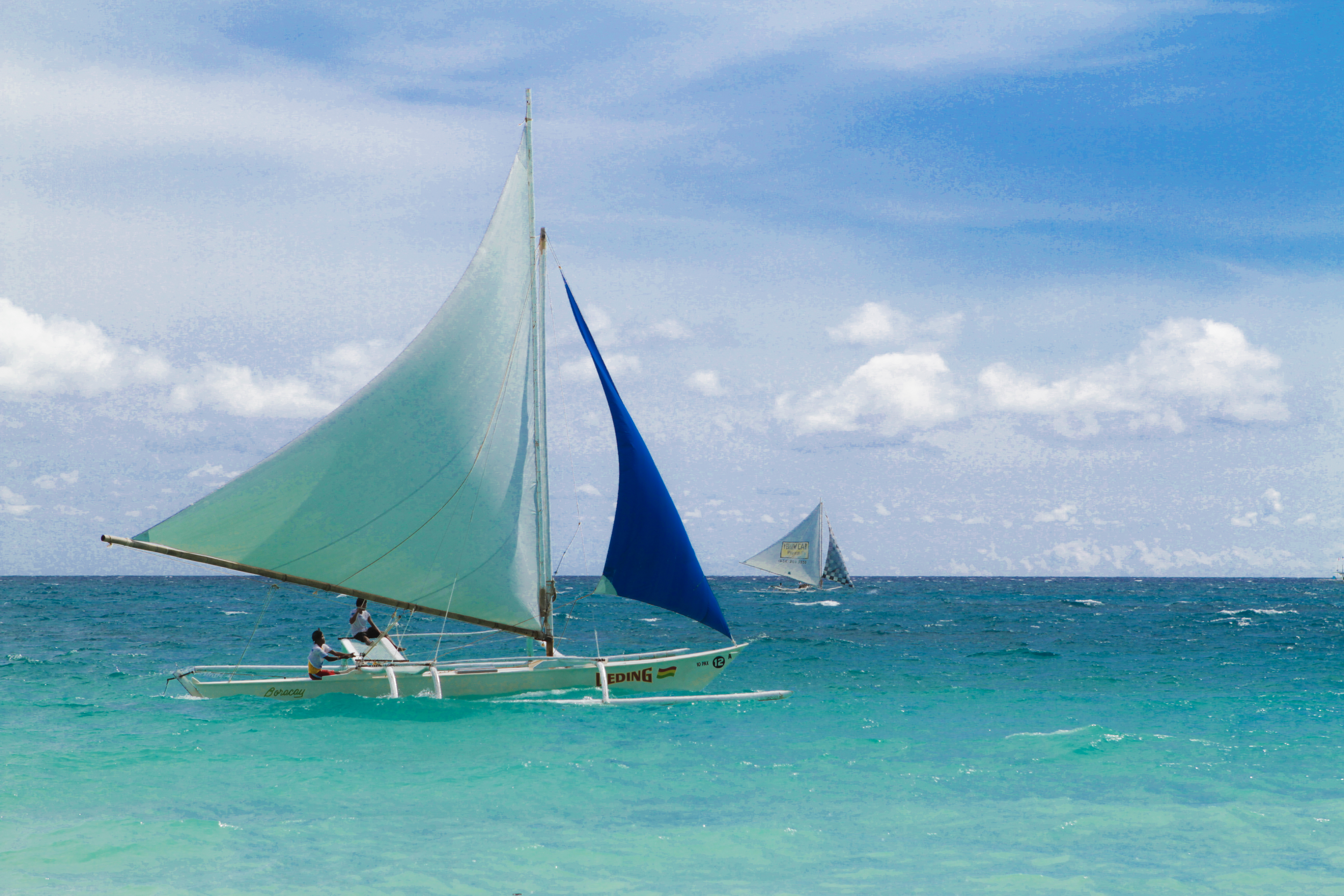
Kalanay Cave
Small cave with Sa Huynh pottery.
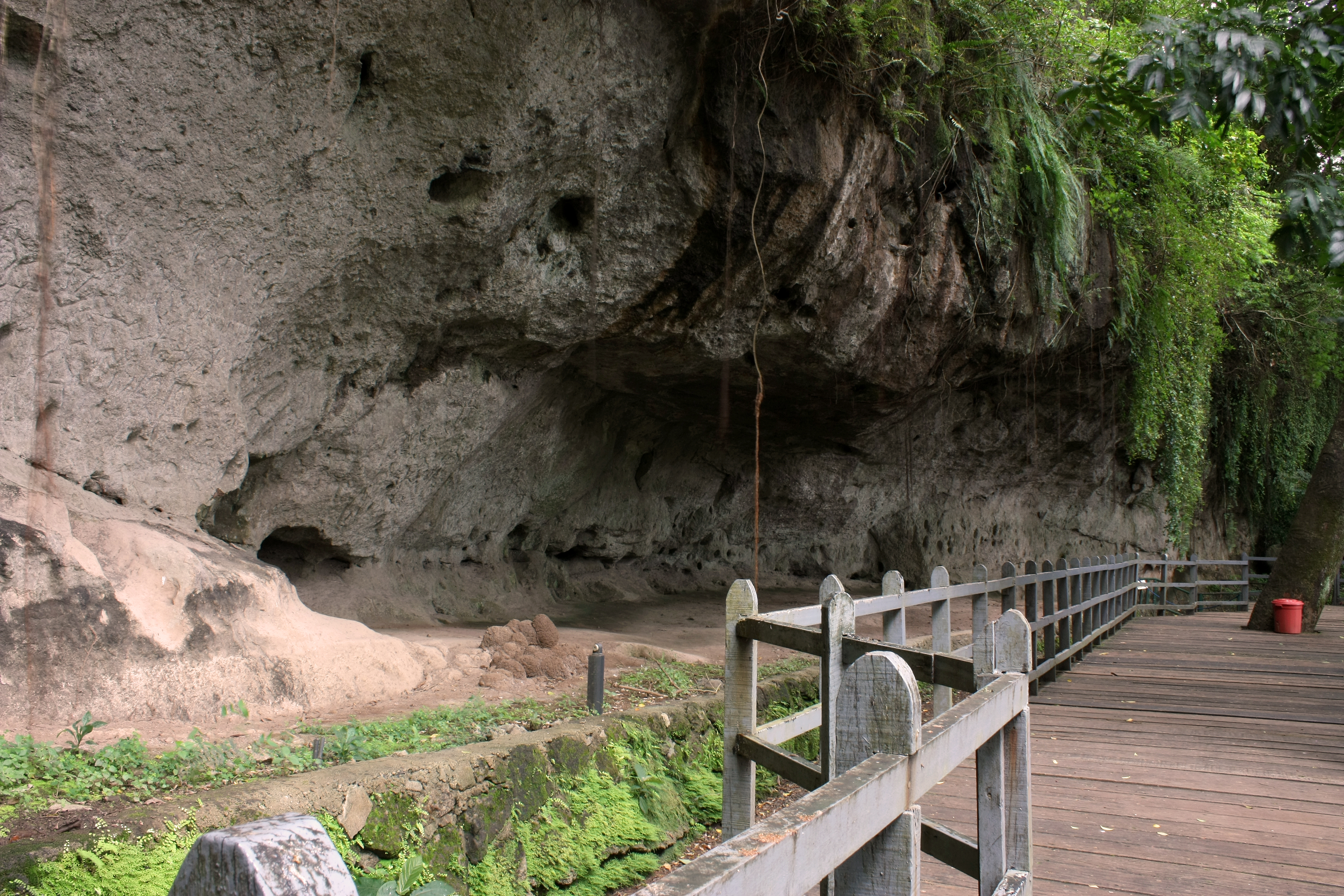
Angono Petroglyphs
Neolithic petroglyphs in volcanic rock shelter
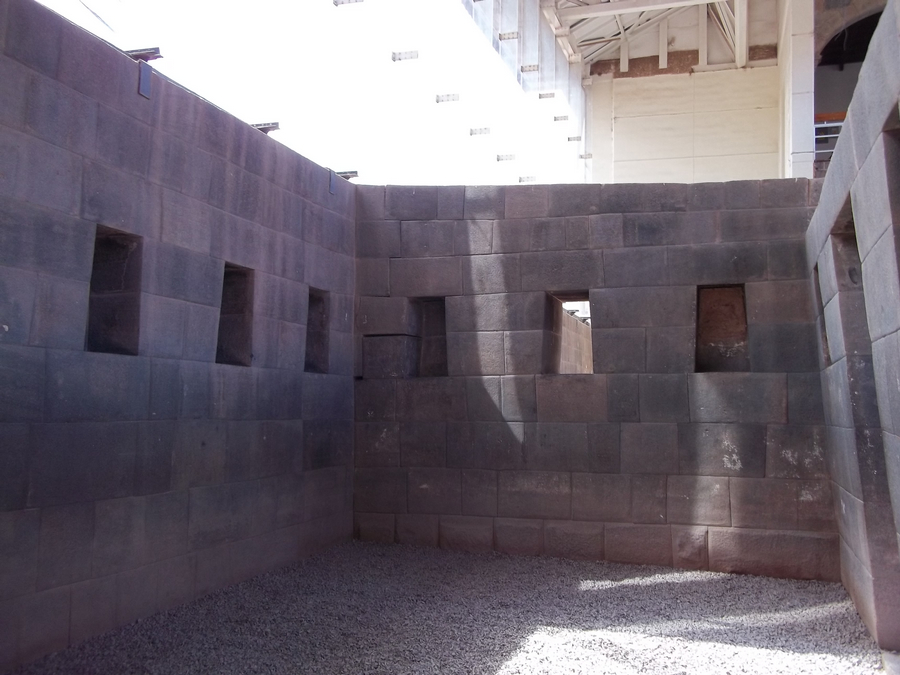
Coricancha
Inca temple with exquisite stone masonry
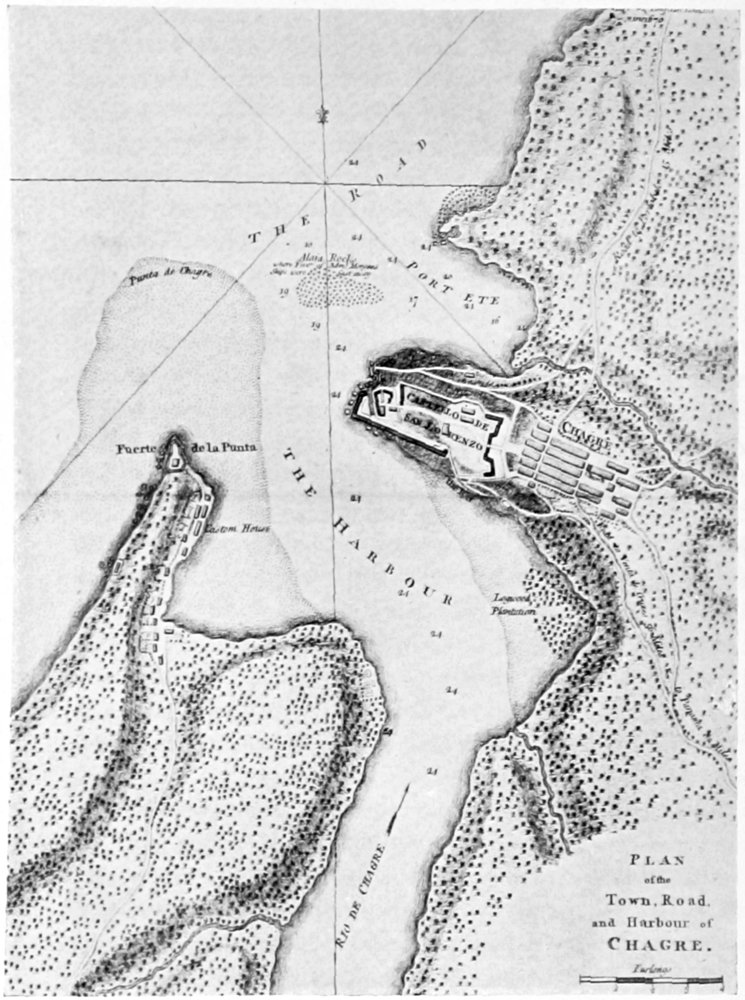
Chagres and Fort San Lorenzo
Ruins of Spanish fort and village