
Explore the Map
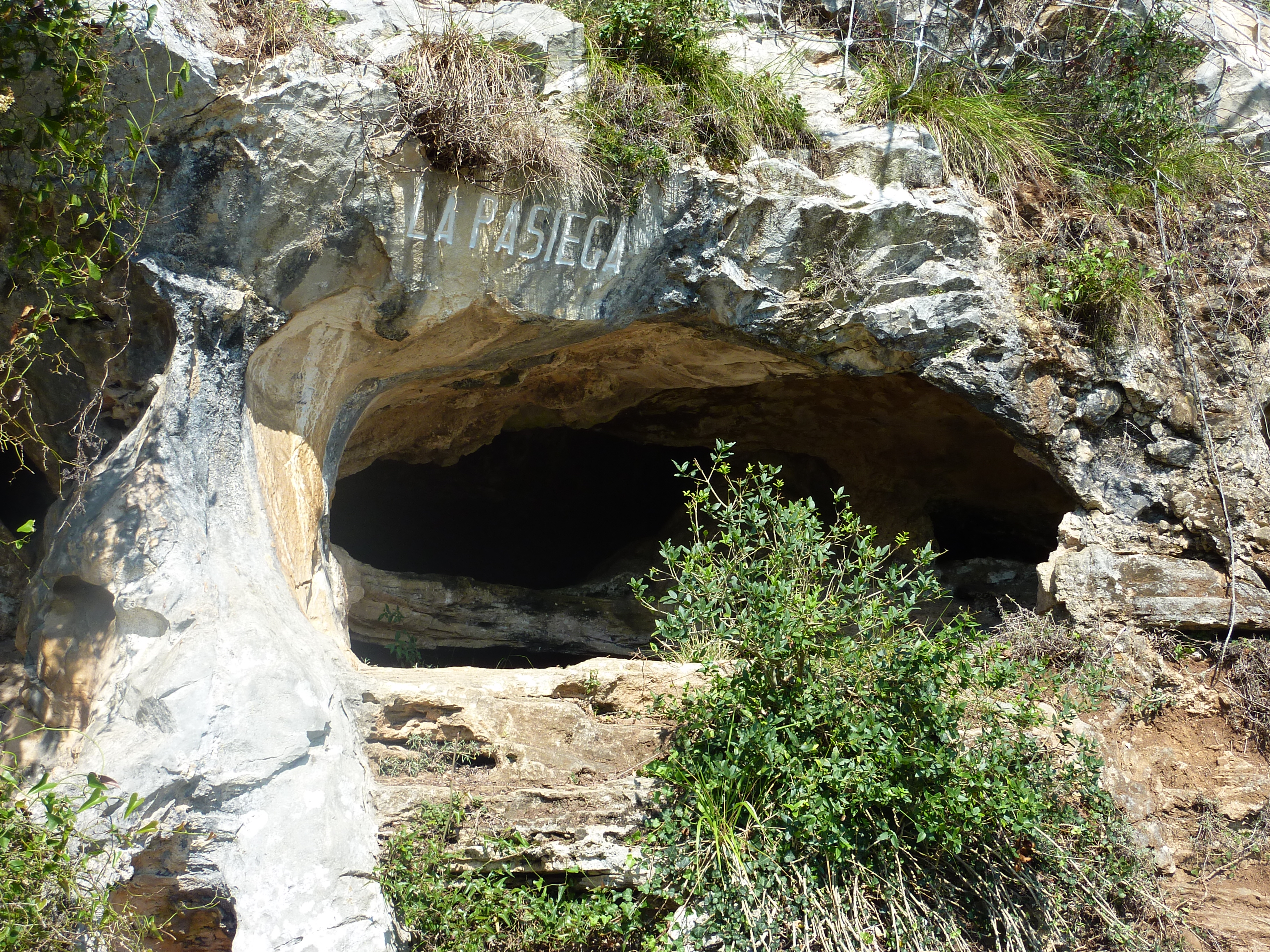
Cave of La Pasiega
43.2889° N, -3.9656° E
About
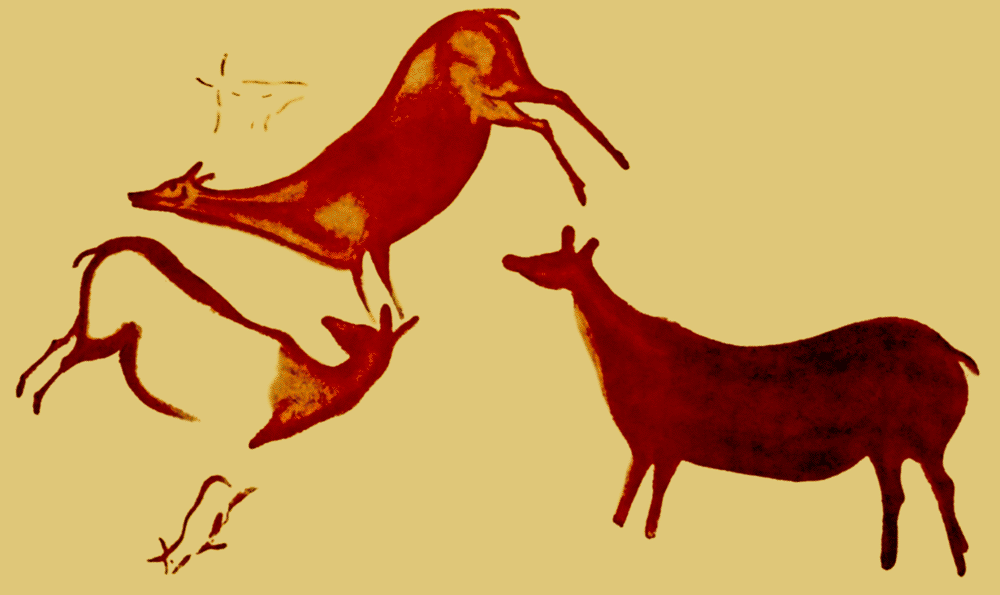
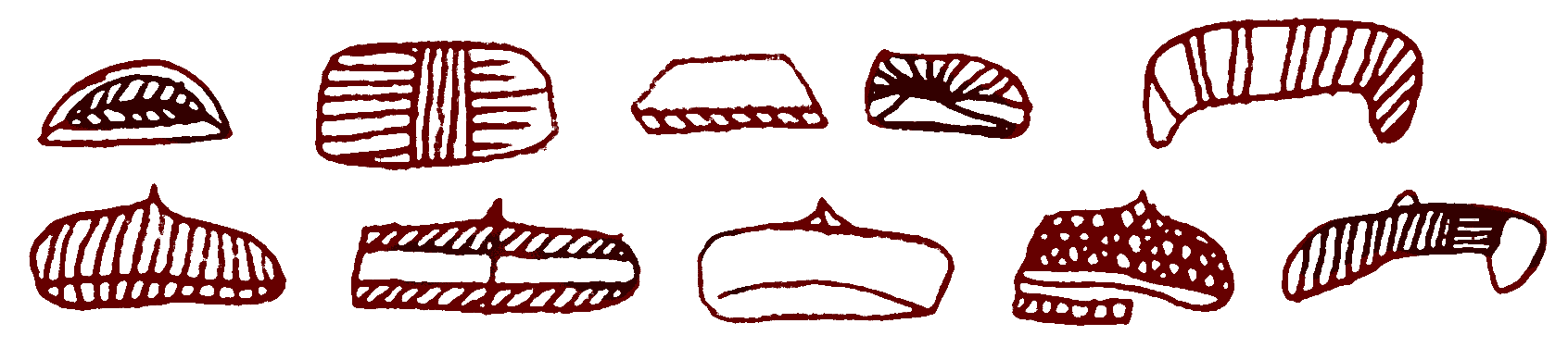
The Cave of La Pasiega, located in the Pas River valley of Cantabria, Spain, is an archaeological site renowned for its significant Paleolithic rock art, which includes cave paintings and engravings. These artworks primarily depict animals such as horses, deer, and cattle, along with various abstract symbols. The cave is a part of Monte Castillo's cave complex and features a labyrinthine network of galleries and chambers. The art is attributed to both Neanderthals and early modern humans, with some paintings dating back over 64,000 years. This makes La Pasiega one of the earliest known sites of human artistic expression. Its discovery has provided crucial insights into the cultural and artistic practices of Upper Paleolithic peoples.
Gallery
Explore photographs of ancient structures, artifacts, and archaeological excavations
Historical Timeline
Journey through time and discover key events in this site's history
Neanderthal art creation
64,000 BCE
Upper Solutrean and Lower Magdalenian phases
16,000 BCE, 11,000 BCE
Archaeological Features
Unique architectural and cultural elements found at this historical site
Artistic and Decorative Features
Domestic and Habitation Structures
Frequently Asked Questions
Plan Your Visit
Tours, travel arrangements, and practical information
More Sites in Spain
Cave of Chufín
Paleolithic cave art in Cantabria, Spain
Castro de Borneiro
Iron Age castro in Galicia, Spain
La Fonteta Phoenician Port
La Fonteta is an ancient Phoenician port city that was located in what is now the town of Guardamar del Segura, Alicante, Spain.
Castulo
Iberian town and Roman-era settlement in Andalusia, Spain
La Olmeda
Late Antique Roman villa, Palencia, Spain
Las Capellanías
Prehistoric funerary complex in Huelva, Spain