
Explore the Map
Cave del Valle (Cantabria)
43.2986° N, -3.4194° E
About
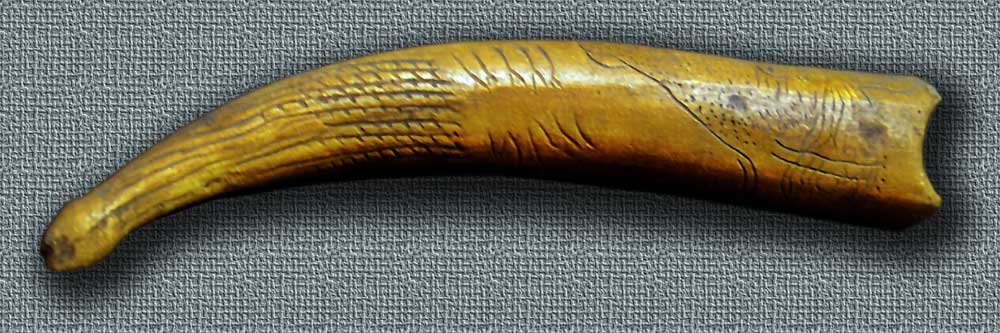
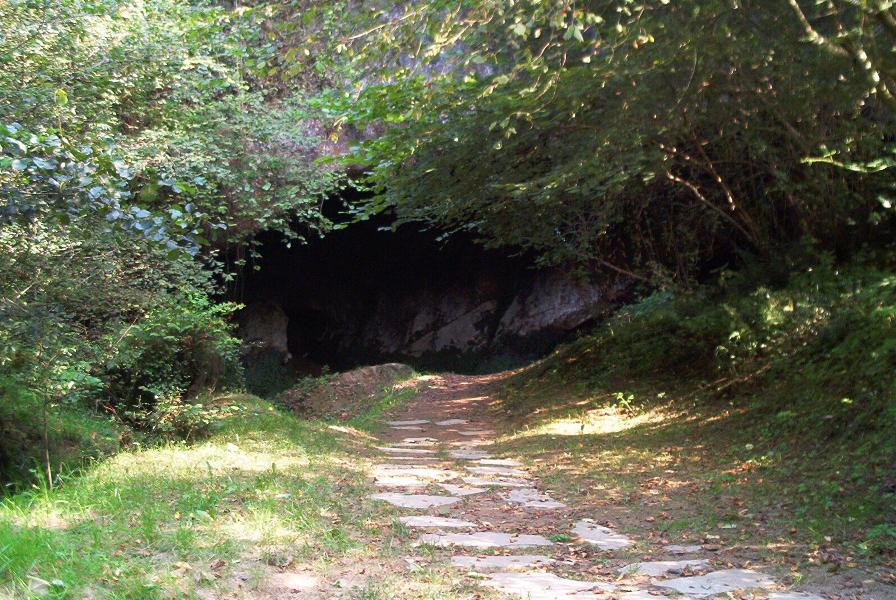
Cave del Valle, located in Cantabria, northern Spain, is an important archaeological site known for its prehistoric significance. Although no rock paintings have been reported, the cave has yielded significant artifacts indicating human occupation dating back approximately 9,000 years. These artifacts include Azilian harpoons, scrapers, and Upper Magdalenian spear points and bone tools, reflecting its use during the Upper Paleolithic and Mesolithic periods. The cave is not only an archaeological treasure but also a speleological marvel, recognized as one of the longest explored caves globally, with over 64 kilometers mapped. However, some artifacts of archaeological interest, such as a perforated and decorated stick, have been lost, though copies and other items are preserved in regional museums.
Gallery
Explore photographs of ancient structures, artifacts, and archaeological excavations
Historical Timeline
Journey through time and discover key events in this site's history
Human occupation evidence
9000 years ago
Archaeological Features
Unique architectural and cultural elements found at this historical site
Domestic and Habitation Structures
Environmental and Natural Features
Frequently Asked Questions
Plan Your Visit
Tours, travel arrangements, and practical information
More Sites in Spain
Cave of Chufín
Paleolithic cave art in Cantabria, Spain
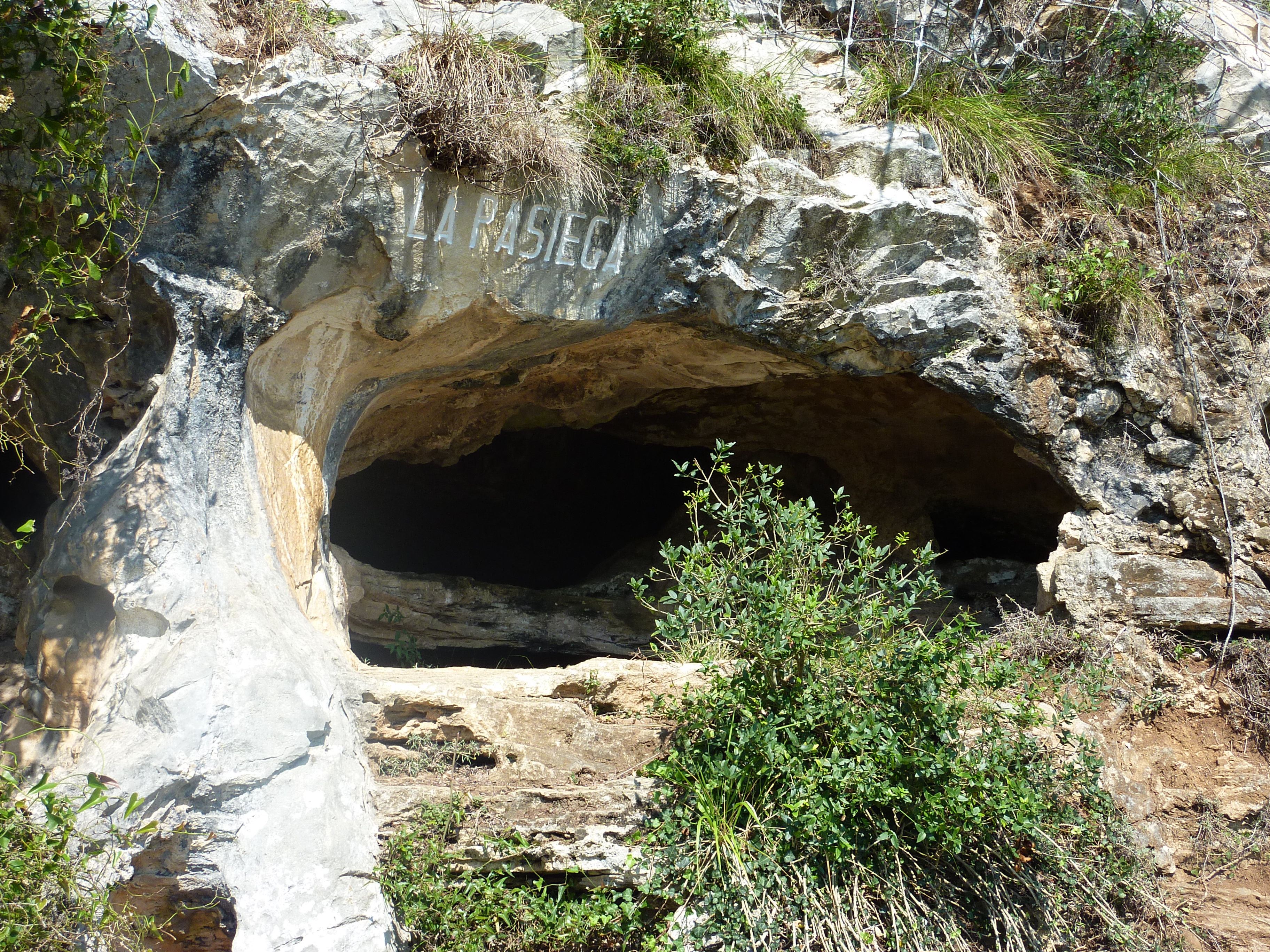
Cave of La Pasiega
Complex cave with Paleolithic rock art.
Castulo
Iberian town and Roman-era settlement in Andalusia, Spain
La Fonteta Phoenician Port
La Fonteta is an ancient Phoenician port city that was located in what is now the town of Guardamar del Segura, Alicante, Spain.
La Olmeda
Late Antique Roman villa, Palencia, Spain
Las Capellanías
Prehistoric funerary complex in Huelva, Spain