
Valencia
Time Periods
Paleolithic
Mesolithic
Neolithic
Chalcolithic
Bronze Age
Iron Age
Classical Period
Post-Classical Period
Early Modern Period
Industrial Period
Contemporary Period
Time Periods
Paleolithic
Mesolithic
Neolithic
Chalcolithic
Bronze Age
Iron Age
Classical Period
Post-Classical Period
Early Modern Period
Industrial Period
Contemporary Period
Location
About
Valencia (; Spanish: [baˈlenθja] ; officially in Valencian: València [vaˈlensia]) is the capital of the province and autonomous community of the same name in Spain. It is the third-most populated municipality in the country, with 807,693 inhabitants within commune, 1,582,387 inhabitants within the urban area and 2,522,383 inhabitants within the metropolitan region. It is located on the banks of the Turia, on the east coast of the Iberian Peninsula on the Mediterranean Sea. Valencia was founded as a Roman colony in 138 BC under the name Valentia Edetanorum. After the fall of the Western Roman Empire, Valencia became part of the Visigothic Kingdom from 546 AD and 711 AD. Islamic rule and acculturation ensued in the 8th century, together with the introduction of new irrigation systems and crops. The Aragonese Christian conquest took place in 1238, and so the city became the capital of the Kingdom of Valencia. The city's population thrived in the 15th century, owing to trade with the rest of the Iberian Peninsula, Italian ports, and other Mediterranean locations, becoming one of the largest European cities by the end of the century. Already harmed by the emergence of the Atlantic World trade in detriment to Mediterranean trade in global trade networks, along with insecurity created by Barbary piracy throughout the 16th century, the city's economic activity experienced a crisis upon the expulsion of the Moriscos in 1609. The city became a major silk manufacturing centre in the 18th century. During the Spanish Civil War, the city served as the accidental seat of the Spanish Government from 1936 to 1937. The Port of Valencia is the 5th-busiest container port in Europe and the second busiest container port on the Mediterranean Sea. The city is ranked as a Gamma-level global city by the Globalization and World Cities Research Network. Its historic centre is one of the largest in Spain, spanning approximately 169 hectares (420 acres). Due to its long history, Valencia has numerous celebrations and traditions, such as the Falles (or Fallas), which was declared a Fiesta of National Tourist Interest of Spain in 1965 and an intangible cultural heritage by UNESCO in November 2016. In 2022, the city was voted the world's top destination for expatriates, based on criteria such as quality of life and affordability. The city was selected as the European Capital of Sport 2011, the World Design Capital 2022 and the European Green Capital 2024.
Plan Your Visit
Details
- Country
- Spain
- Source
- Wikipedia
More Sites in Spain
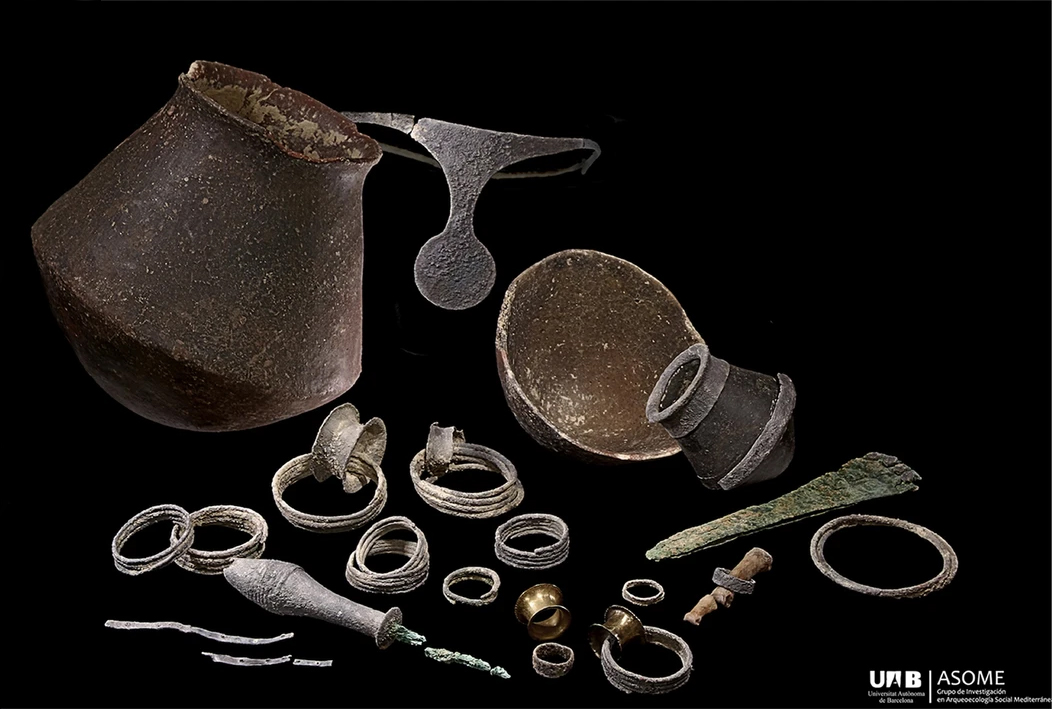
La Almoloya
Bronze Age site with rich graves
Tito Bustillo Cave
Explore this archaeological site.
Palencia
Explore this archaeological site.
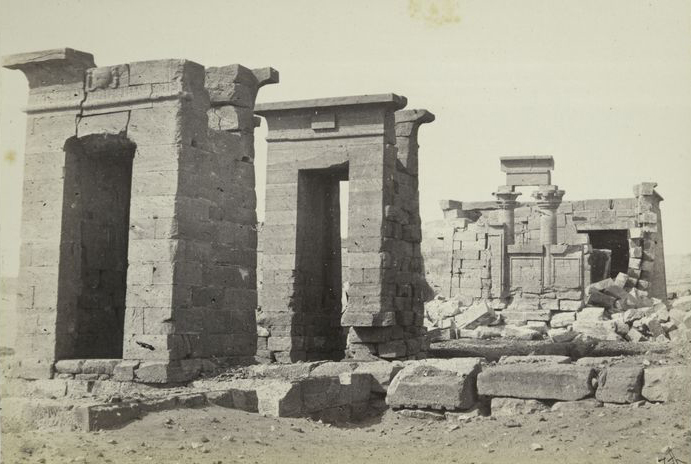
Temple of Debod
Egyptian temple reconstructed in the center of Madrid
Valeria, Spain (Roman city)
Explore this archaeological site.
Dolmen de Axeitos
Explore this archaeological site.