
Explore the Map
Cueva de los Casares
40.9575° N, -2.2909° E
About
Cueva de los Casares is a cave in Riba de Saelices (Province of Guadalajara, Castile-La Mancha, Spain). Discovered in 1933, it contains a number of paleolithic cave paintings, and is most notable for a series of paintings depicting what some have argued is the earliest representation of human understanding of the reproductive process, featuring images of copulation (perhaps mediated by a mysterious shaman figure), pregnancy, childbirth, and family life. Mammoths and other animals feature frequently in the illustrations. It was declared Bien de Interés Cultural in 1935. There are many representations of animals, anthropomorphs (human-like figures), and ideograms (including penises, vulvas, tools, and more abstract images). The cave and its paintings are little known to scholars outside Spain.
Historical Timeline
Journey through time and discover key events in this site's history
Discovery
1933
Declared Bien de Interés Cultural
1935
Archaeological Features
Unique architectural and cultural elements found at this historical site
Artistic and Decorative Features
Domestic and Habitation Structures
Environmental and Natural Features
Frequently Asked Questions
Plan Your Visit
Tours, travel arrangements, and practical information
More Sites in Spain
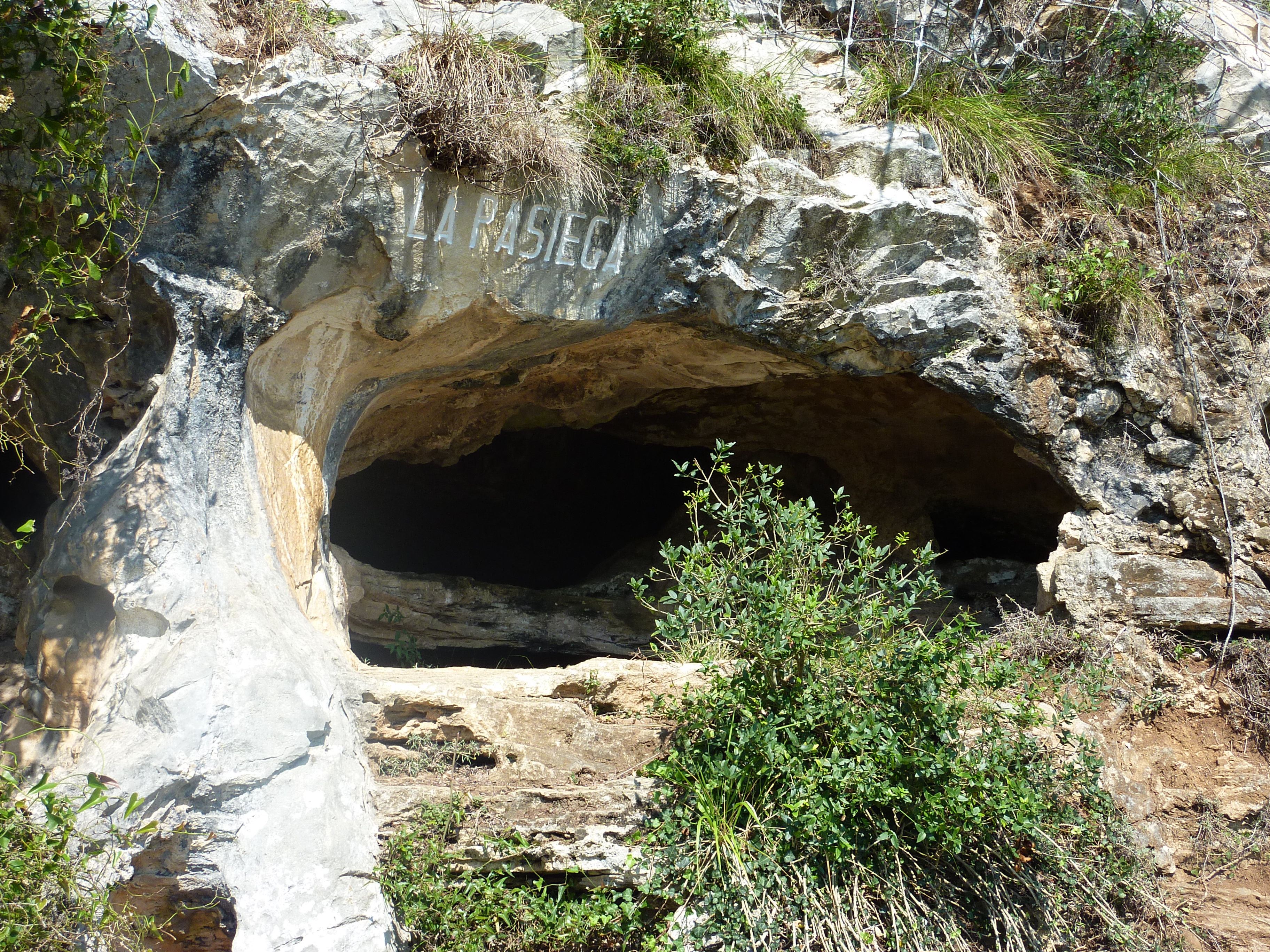
Cave of La Pasiega
Complex cave with Paleolithic rock art.
Cave of Chufín
Paleolithic cave art in Cantabria, Spain
La Fonteta Phoenician Port
La Fonteta is an ancient Phoenician port city that was located in what is now the town of Guardamar del Segura, Alicante, Spain.
Castell de la Fosca
Castell de la Fosca or Punta del Castell is an ancient Iberian settlement or oppidum sited on a rocky promontory at the north end of the beach called
Calatrava la Vieja
Medieval fortress and town in Castile‑La Mancha, Spain
Caves of Nerja
The Caves of Nerja (Spanish: Cueva de Nerja) are a series of caverns close to the town of Nerja in the Province of Málaga, Spain.