
Explore the Map
Angono Petroglyphs
14.5329° N, 121.1868° E
About
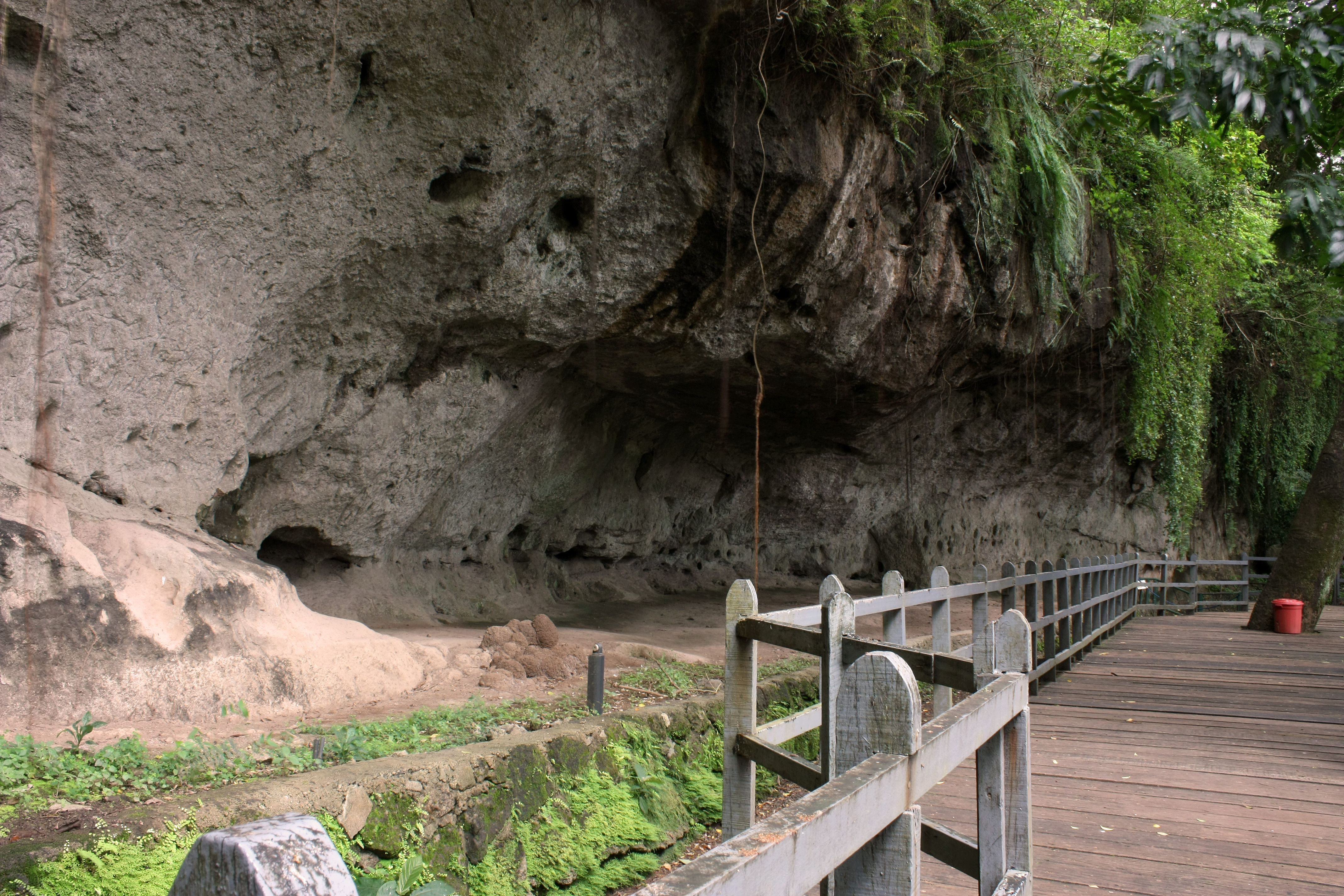
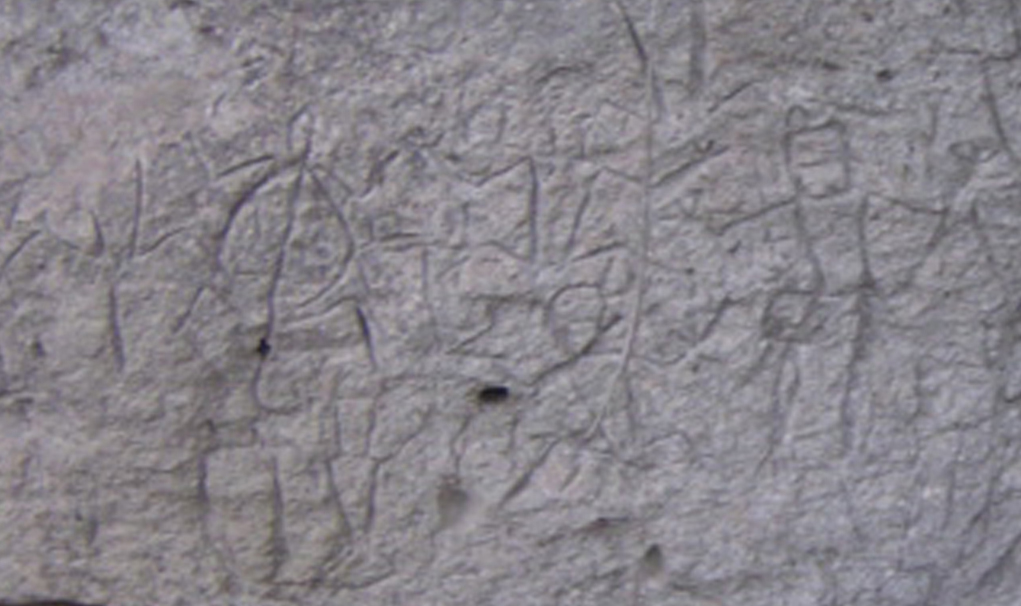
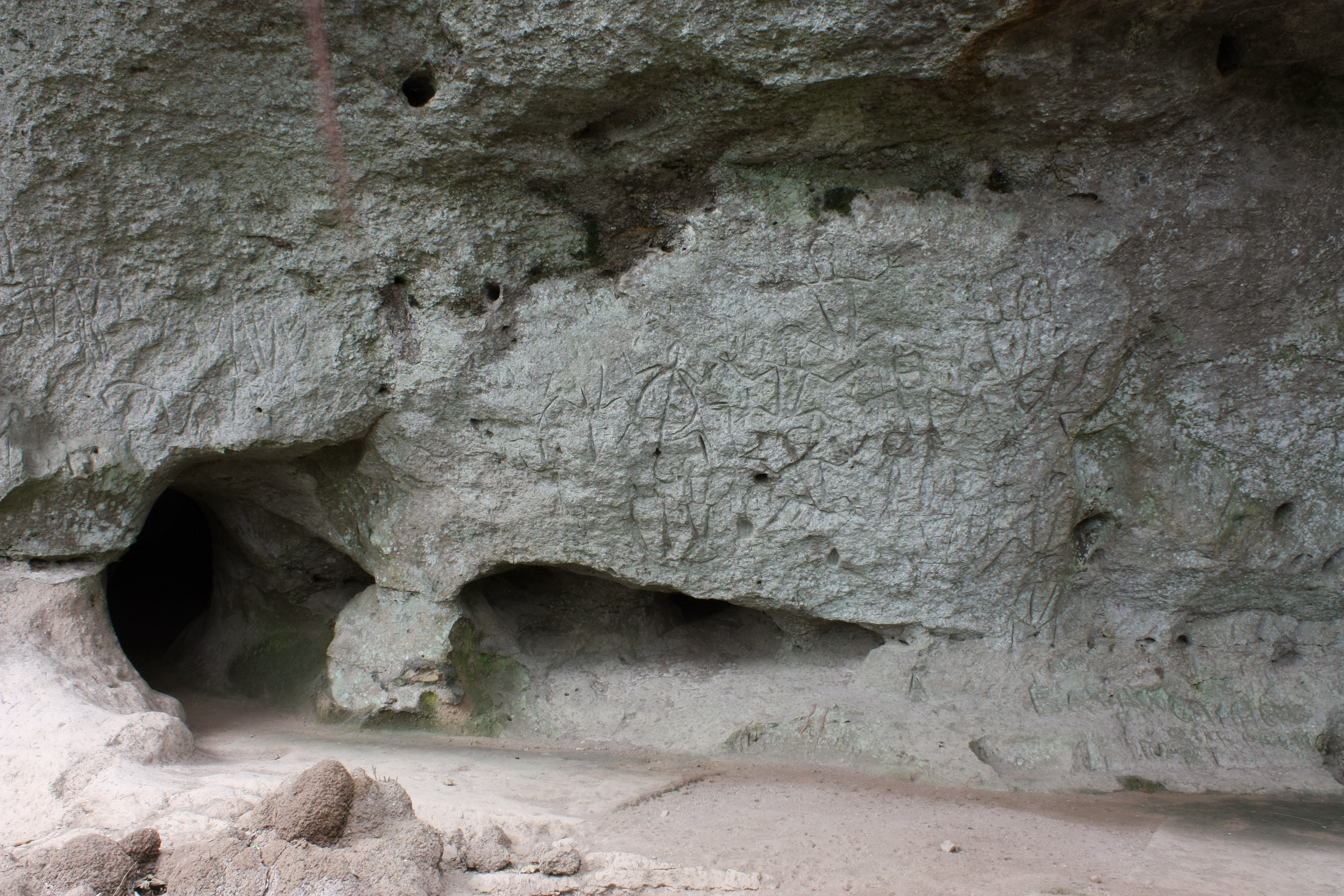
The Angono - Binangonan Petroglyphs, located in a volcanic rock shelter in Rizal, Philippines, are the oldest known artistic expressions in the country, dating back to the late Neolithic period around 2000 BCE. These 127 carvings, etched into the rock wall, primarily depict stylized human figures, animals, and other symbolic designs. The petroglyphs are believed to have held healing and sympathetic magic significance. The site comprises two distinct phases of artistic activity: the earlier phase consists of geometric shapes and figures created by Australo-Melanesian hunter-gatherers, while the latter phase involves modifications by Austronesian groups, possibly during more recent times. Recognized as a National Cultural Treasure, the site is under ongoing preservation efforts to protect it from erosion and vandalism, reflecting its cultural and historical importance.
Gallery
Explore photographs of ancient structures, artifacts, and archaeological excavations
Historical Timeline
Journey through time and discover key events in this site's history
Phase 1 Petroglyph Creation
2000 BCE
Neolithic Petroglyph Engraving
2000 BCE
Phase 2 Modification
Contemporary Period
Archaeological Features
Unique architectural and cultural elements found at this historical site
Artistic and Decorative Features
Environmental and Natural Features
Frequently Asked Questions
Plan Your Visit
Tours, travel arrangements, and practical information
More Sites in the Philippines
Lal-lo and Gattaran Shell Middens
Ancient shell middens along Cagayan River
Tabon Caves
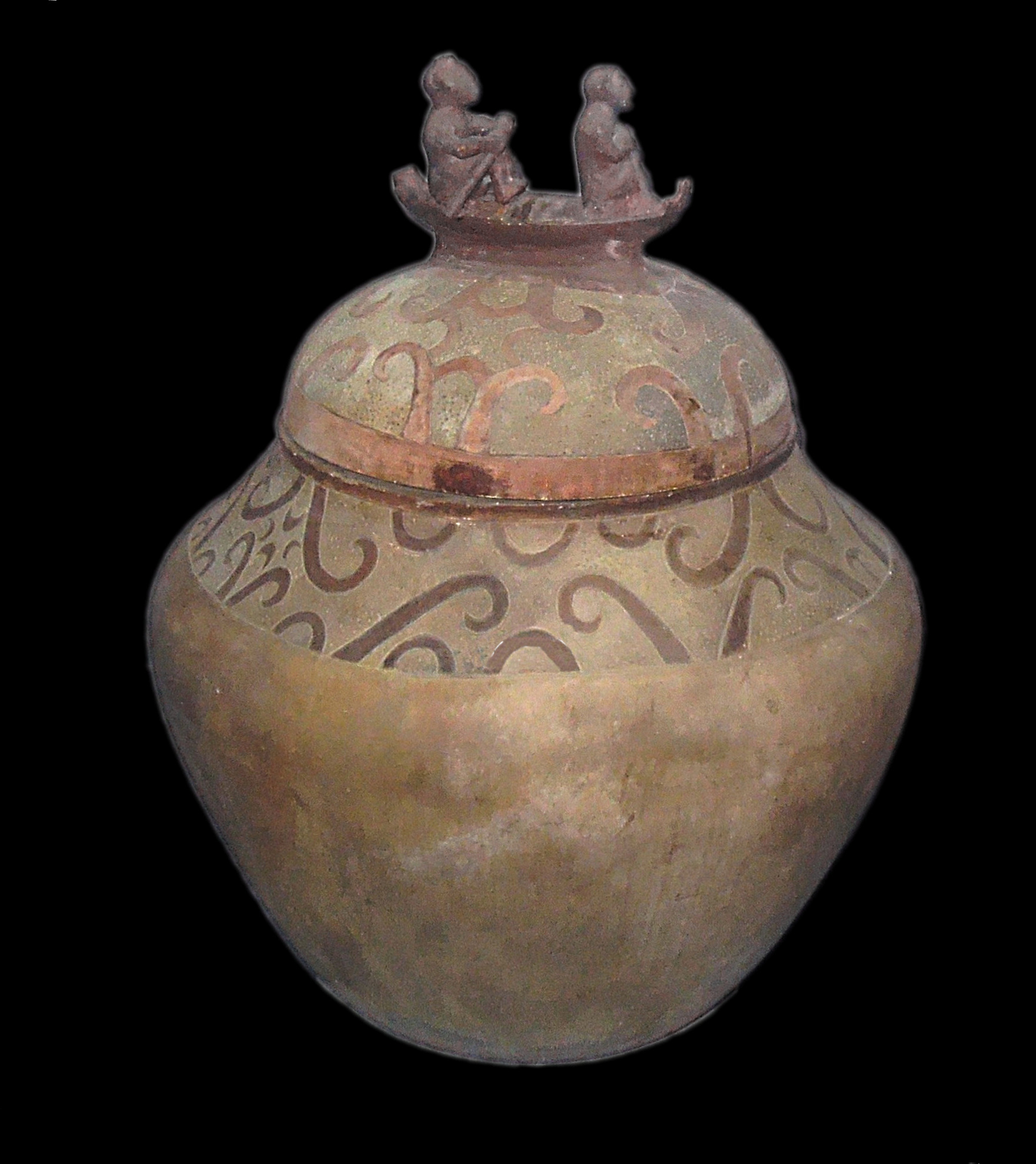
Cave system with prehistoric human remains
Lapuz Lapuz Cave
Limestone cave with diverse archaeological finds
Pandanan shipwreck
Pre-Spanish Southeast Asian trading shipwreck
Buenavista Protected Landscape
Limestone coffin burial site in forest.
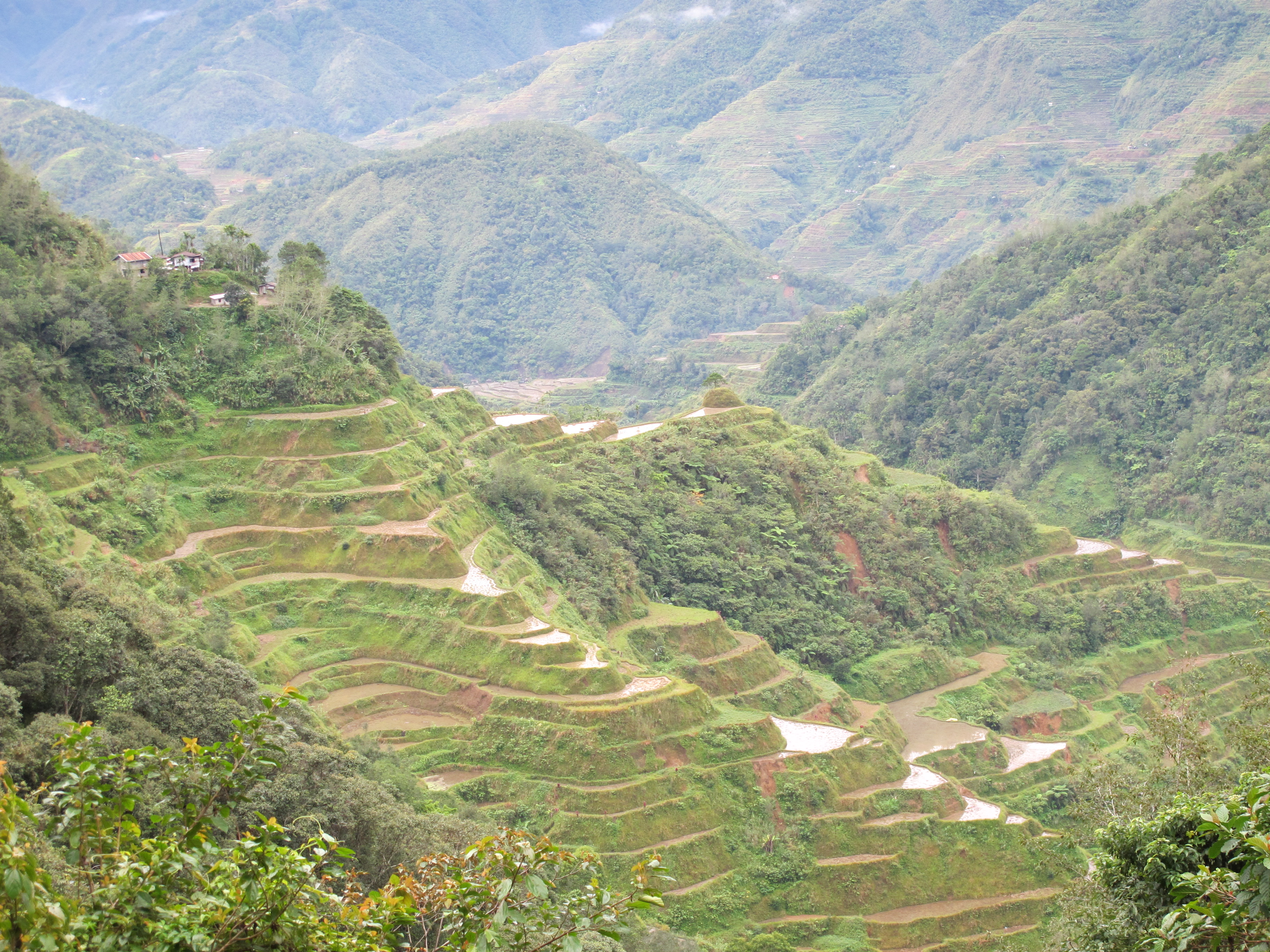
Old Kiyyangan Village
Ancient Ifugao village with rice terraces