
Explore the Map
Lapuz Lapuz Cave
11.0279° N, 122.6561° E
About
Lapuz Lapuz Cave, located in Bulabog Putian National Park in the Philippines, is a significant archaeological site offering insight into the local prehistoric way of life. The cave, primarily made of limestone, measures approximately 90 meters in length and is situated between two rivers, the Jalaur and Tambunac. Excavations conducted in the late 20th century revealed a rich assemblage of artifacts including stone tools, animal bones, shells, and pottery. The stratigraphy indicated two main occupation layers dated to roughly the 13th and 15th centuries CE. The presence of diverse faunal remains suggests varied hunting and gathering strategies, while the earthenware and stone tools provide clues to the daily activities and technological practices of its former inhabitants. This site offers a valuable glimpse into the subsistence and cultural practices of the region during the Late Post-Classical Period.
Historical Timeline
Journey through time and discover key events in this site's history
Layer 2 Occupation
1240 CE
Layer 3 Occupation
1420 CE
Archaeological Features
Unique architectural and cultural elements found at this historical site
Domestic and Habitation Structures
Environmental and Natural Features
Frequently Asked Questions
Plan Your Visit
Tours, travel arrangements, and practical information
More Sites in the Philippines
Buenavista Protected Landscape
Limestone coffin burial site in forest.
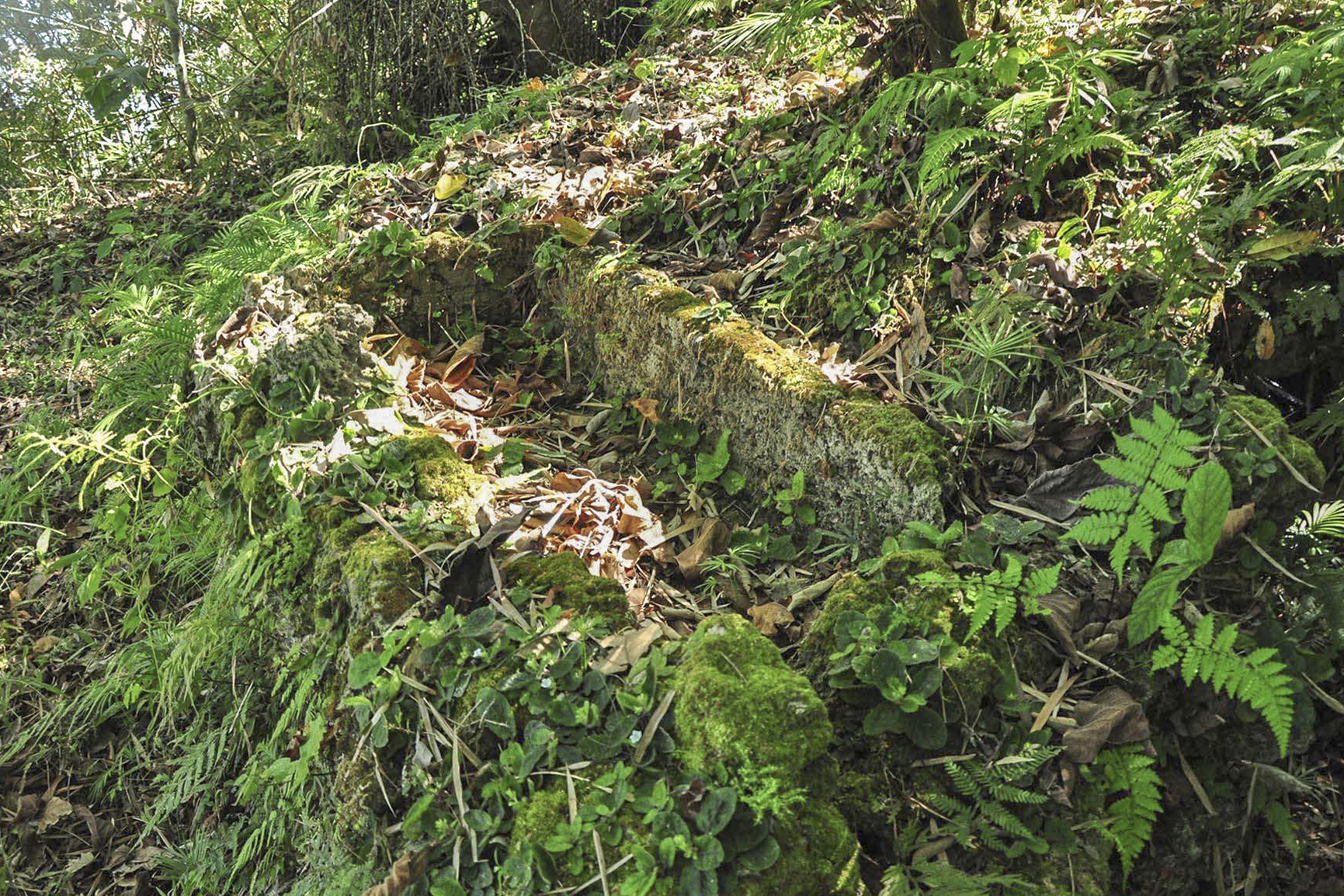
Limestone tombs of Kamhantik
Carved limestone tombs in Philippine forest
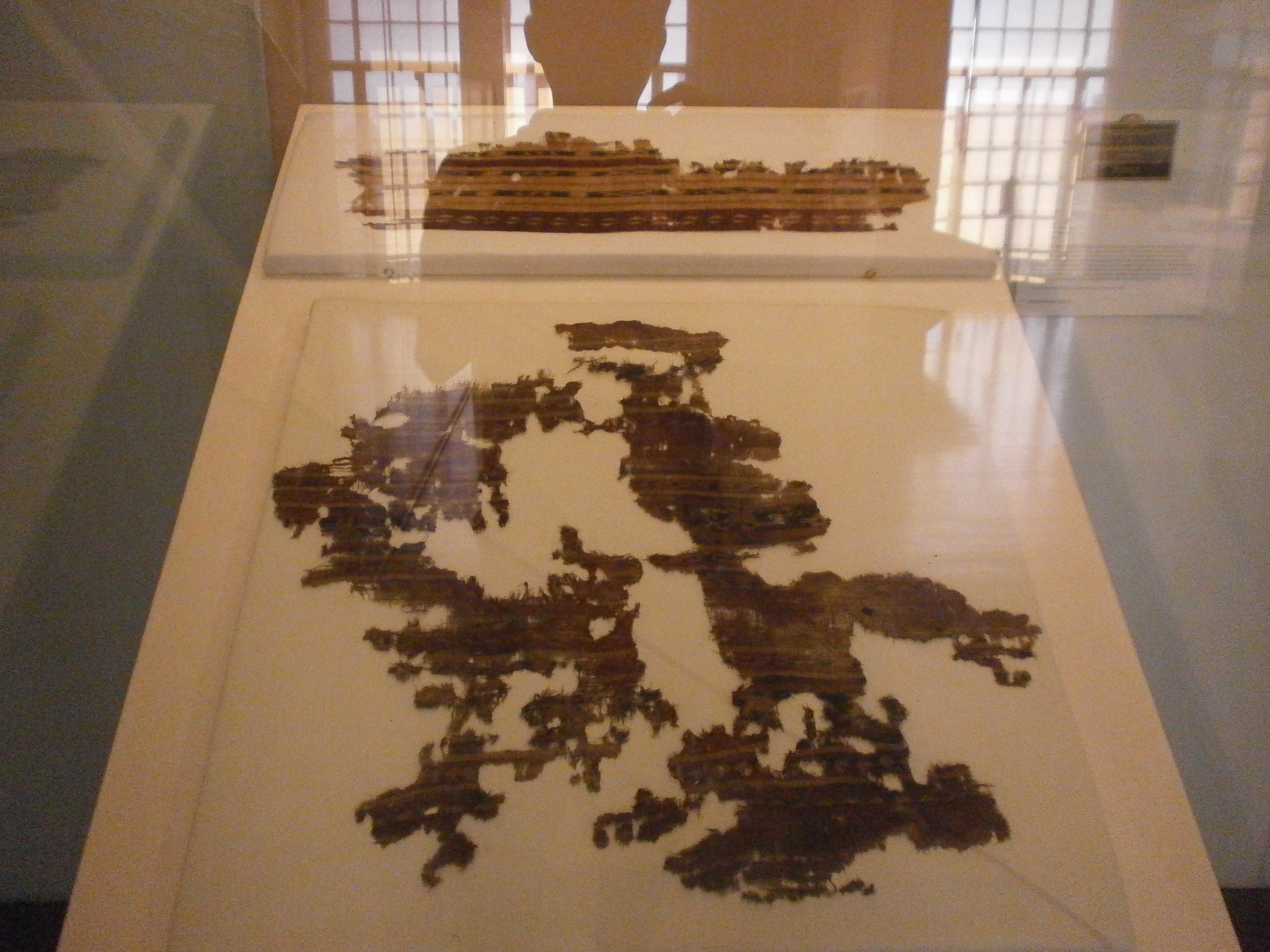
Guyangan Cave System
Limestone cave system with burial artifacts.
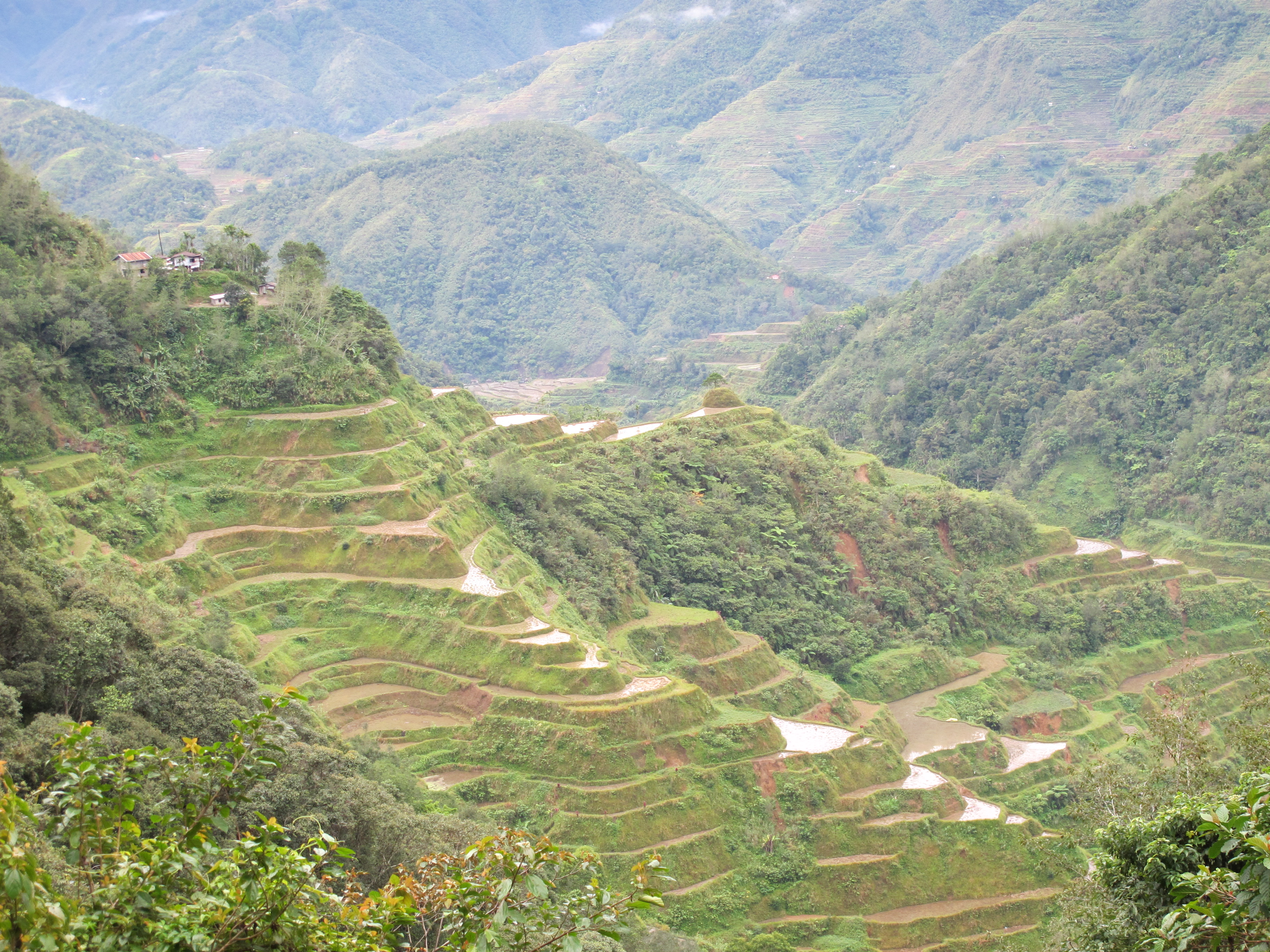
Old Kiyyangan Village
Ancient Ifugao village with rice terraces
Pandanan shipwreck
Pre-Spanish Southeast Asian trading shipwreck
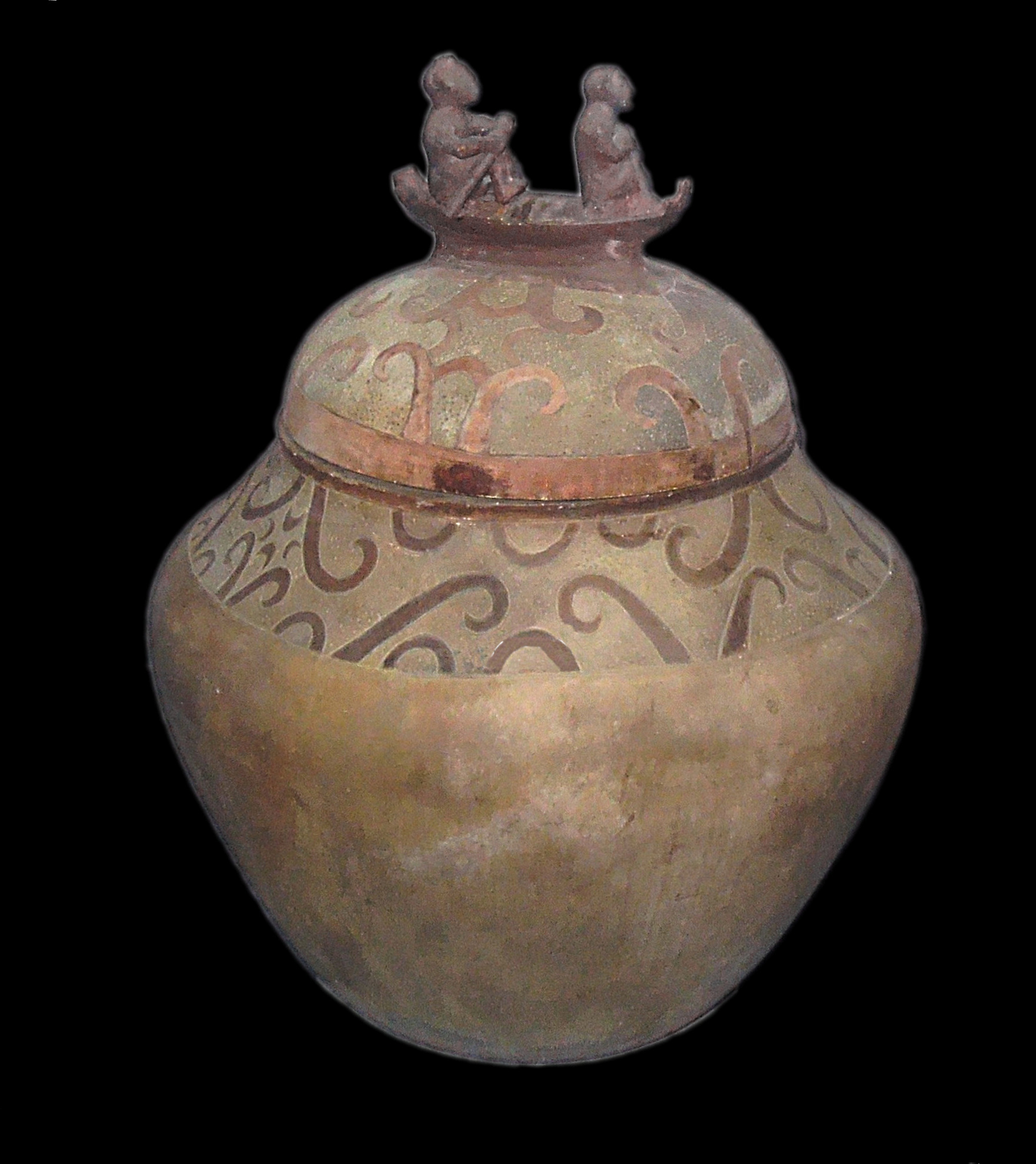
Tabon Caves
Cave system with prehistoric human remains