
Explore the Map
Guyangan Cave System
12.9541° N, 122.0908° E
About
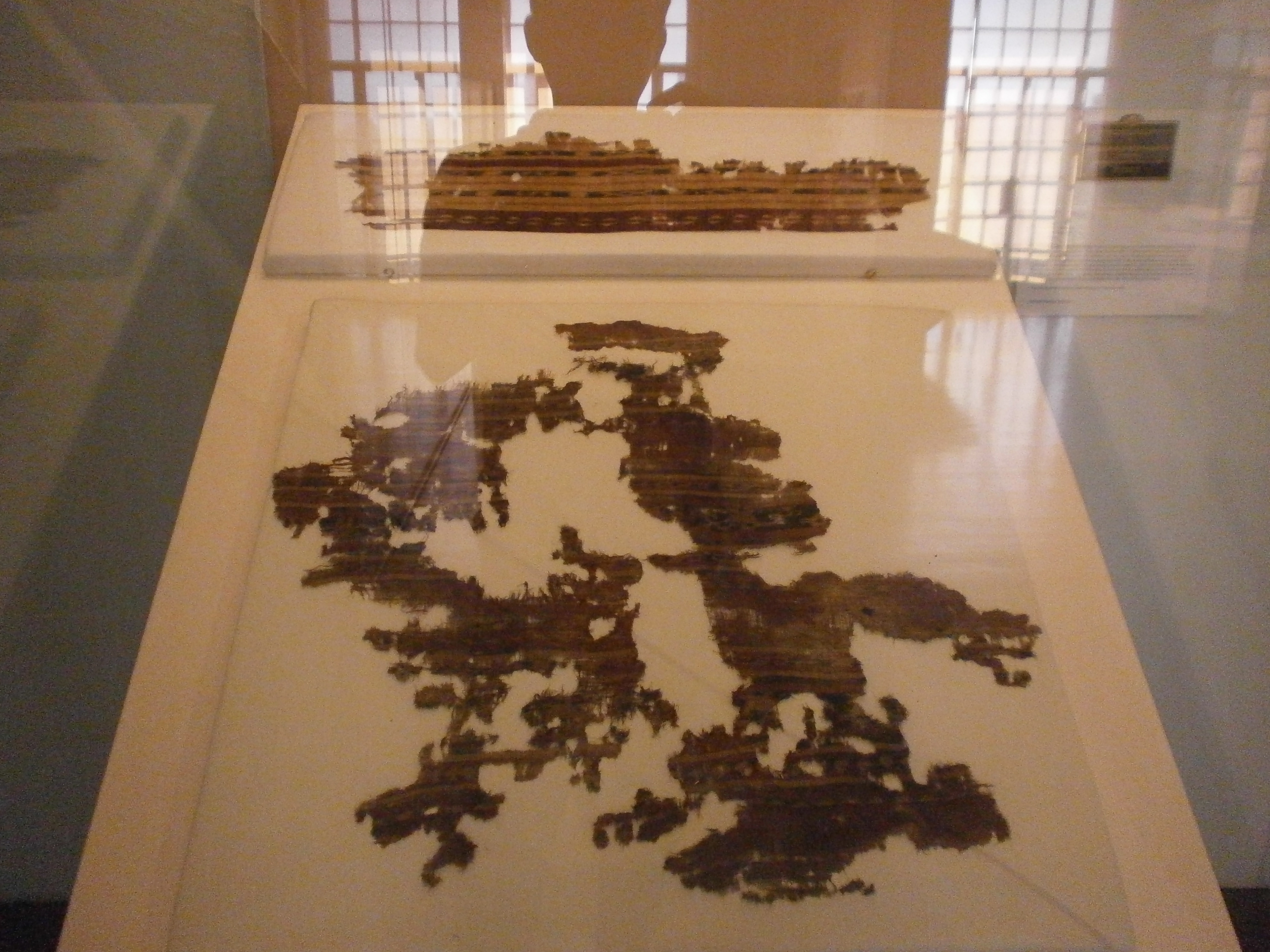
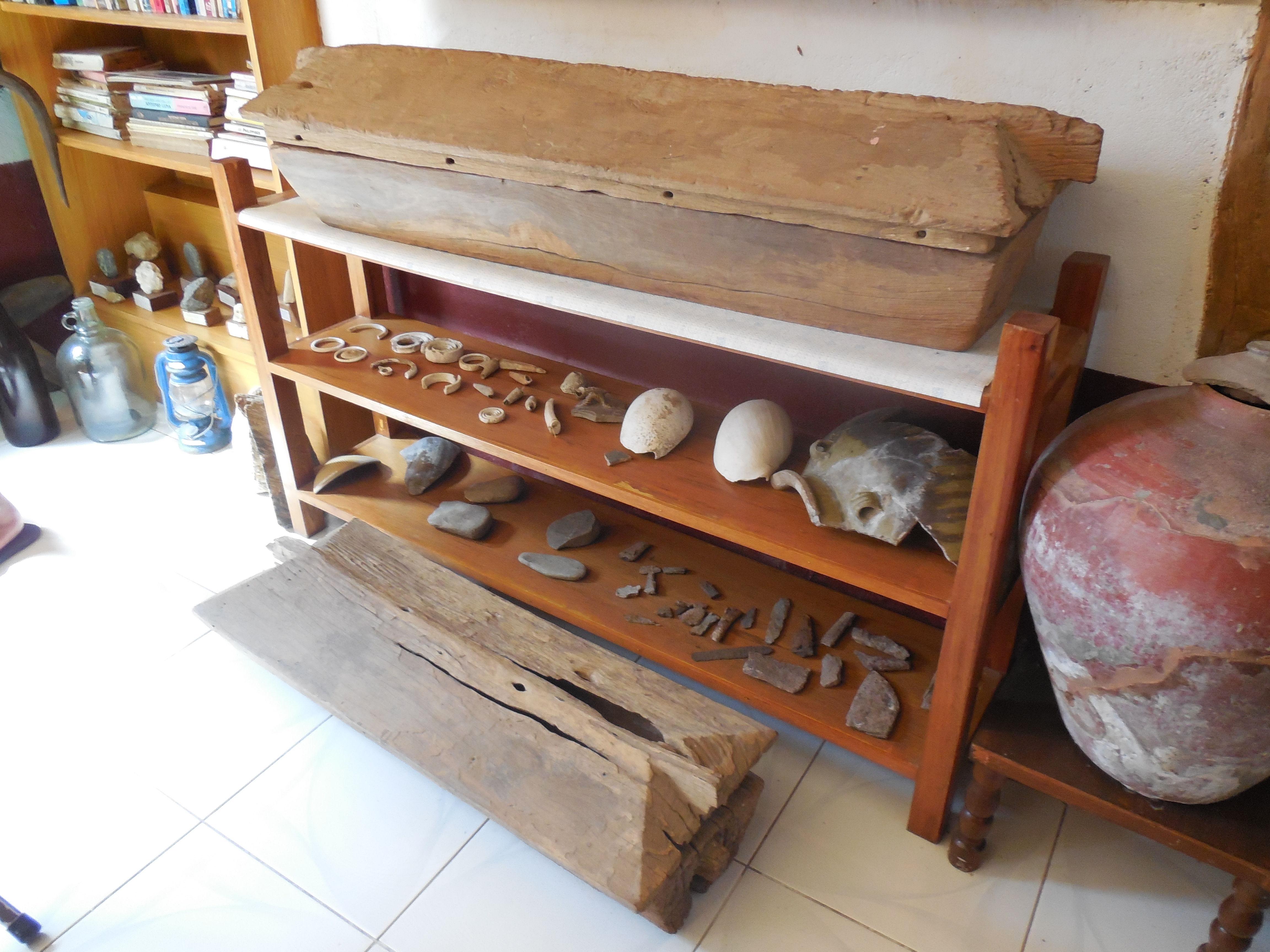
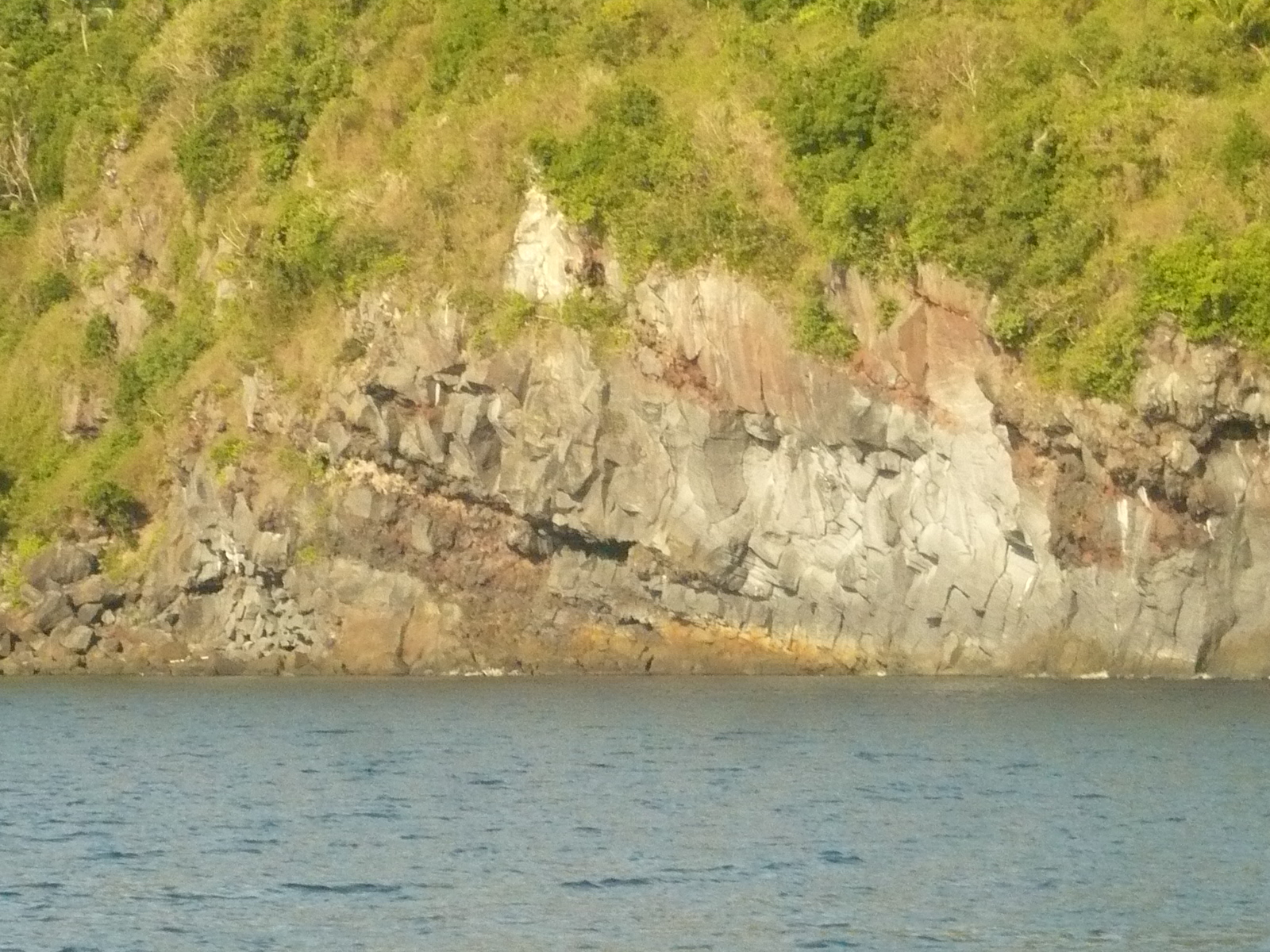
The Guyangan Cave System is an important archaeological site located on Banton Island, Philippines, known for its historical significance as a burial ground. The site comprises seven caves within a limestone formation on Guyangan Hill, which served as a secondary burial location during precolonial times. In 1936, archaeological excavations uncovered wooden coffins, human skeletal remains, and the oldest known burial cloth in Southeast Asia, the Banton Cloth, estimated to be 400 years old. These findings indicate a sophisticated precolonial society with established burial practices, including artificial cranial deformation among the nobility. As a recognized National Cultural Property, the cave system is protected for its cultural and historical value, with plans for a site museum to preserve and research the island's heritage.
Gallery
Explore photographs of ancient structures, artifacts, and archaeological excavations
Historical Timeline
Journey through time and discover key events in this site's history
Precolonial Burial Practices
1600 CE
Archaeological Features
Unique architectural and cultural elements found at this historical site
Burial and Funerary Structures
Domestic and Habitation Structures
Frequently Asked Questions
Plan Your Visit
Tours, travel arrangements, and practical information
More Sites in the Philippines
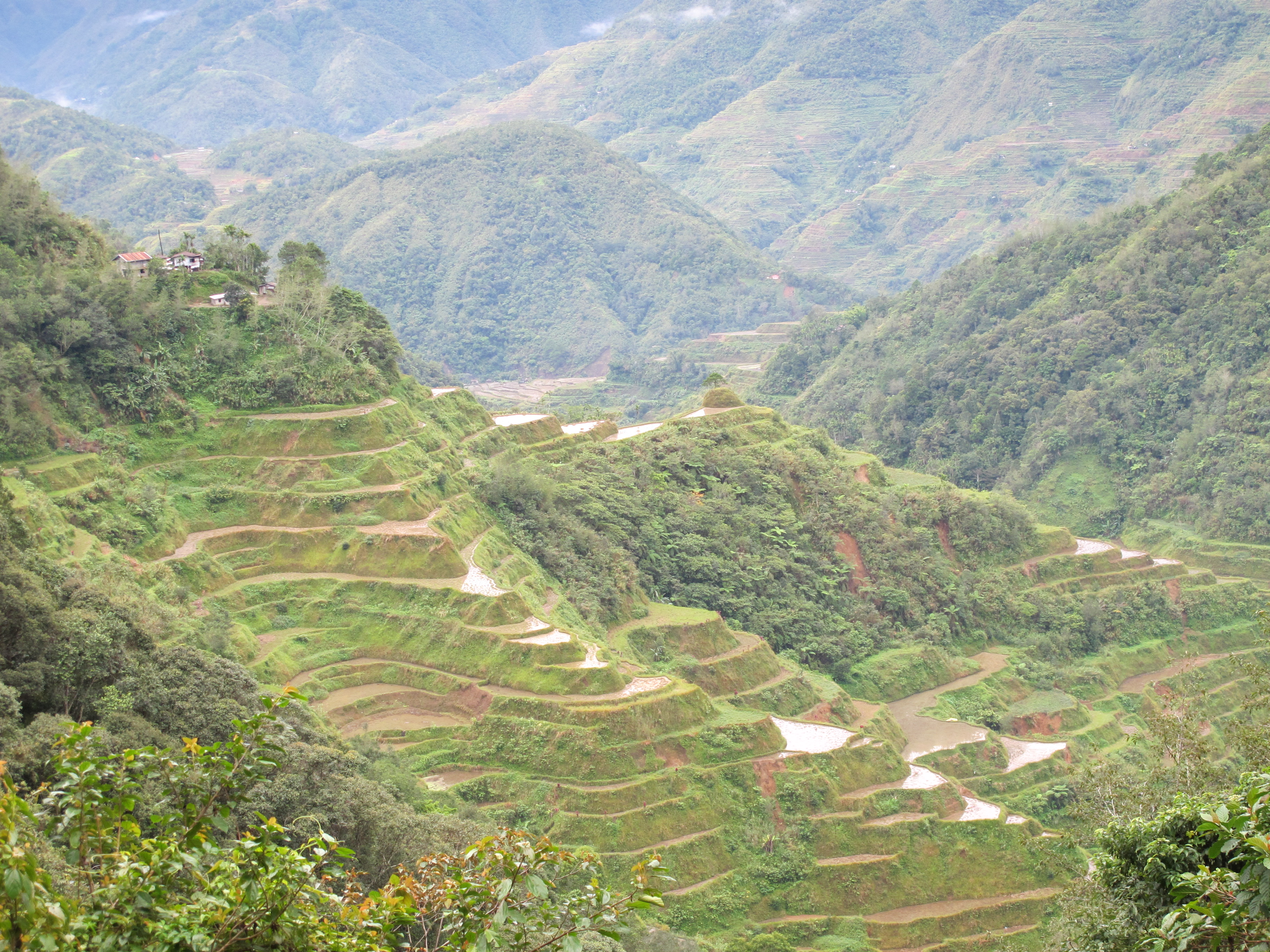
Old Kiyyangan Village
Ancient Ifugao village with rice terraces
Pandanan shipwreck
Pre-Spanish Southeast Asian trading shipwreck
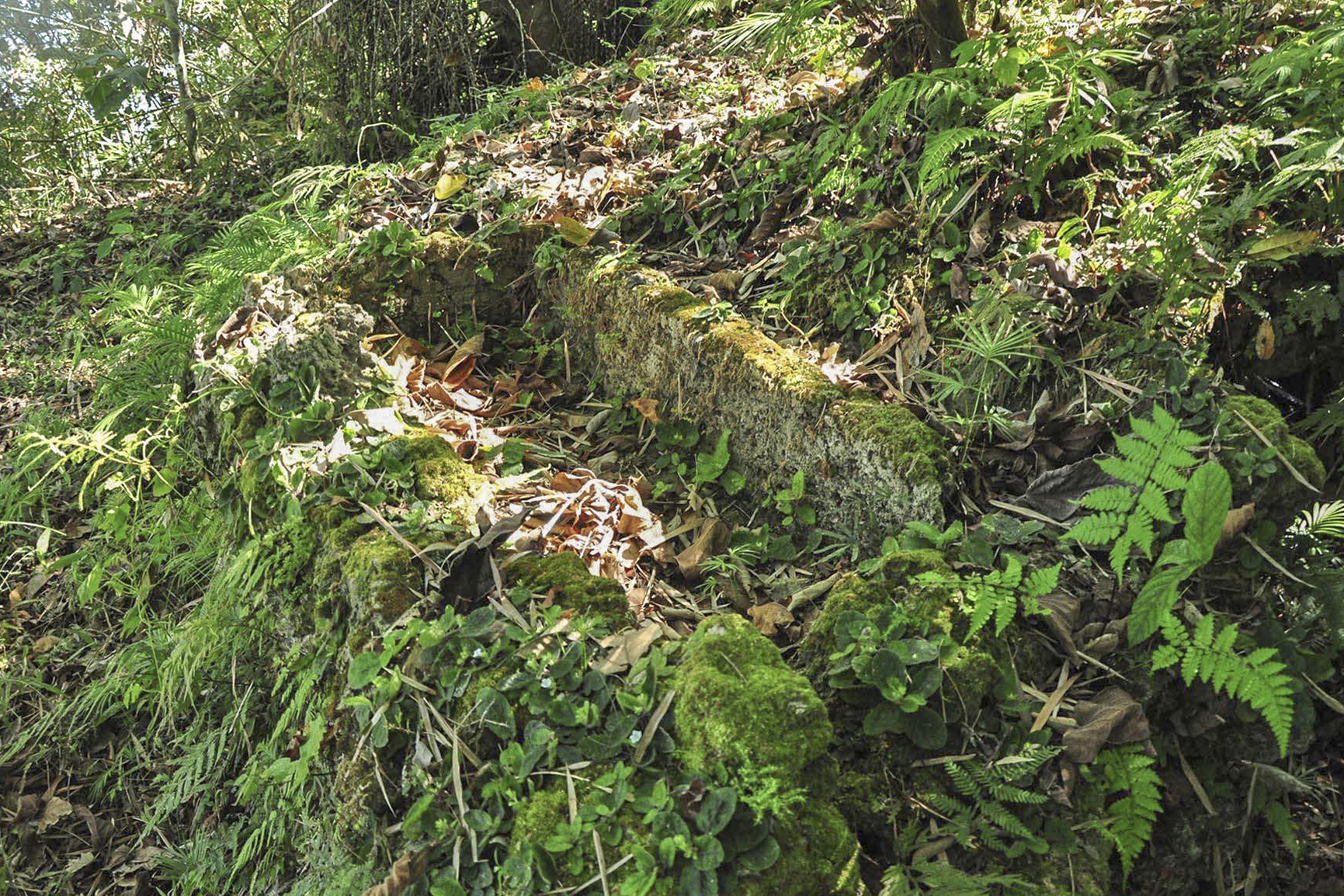
Limestone tombs of Kamhantik
Carved limestone tombs in Philippine forest
Lapuz Lapuz Cave
Limestone cave with diverse archaeological finds
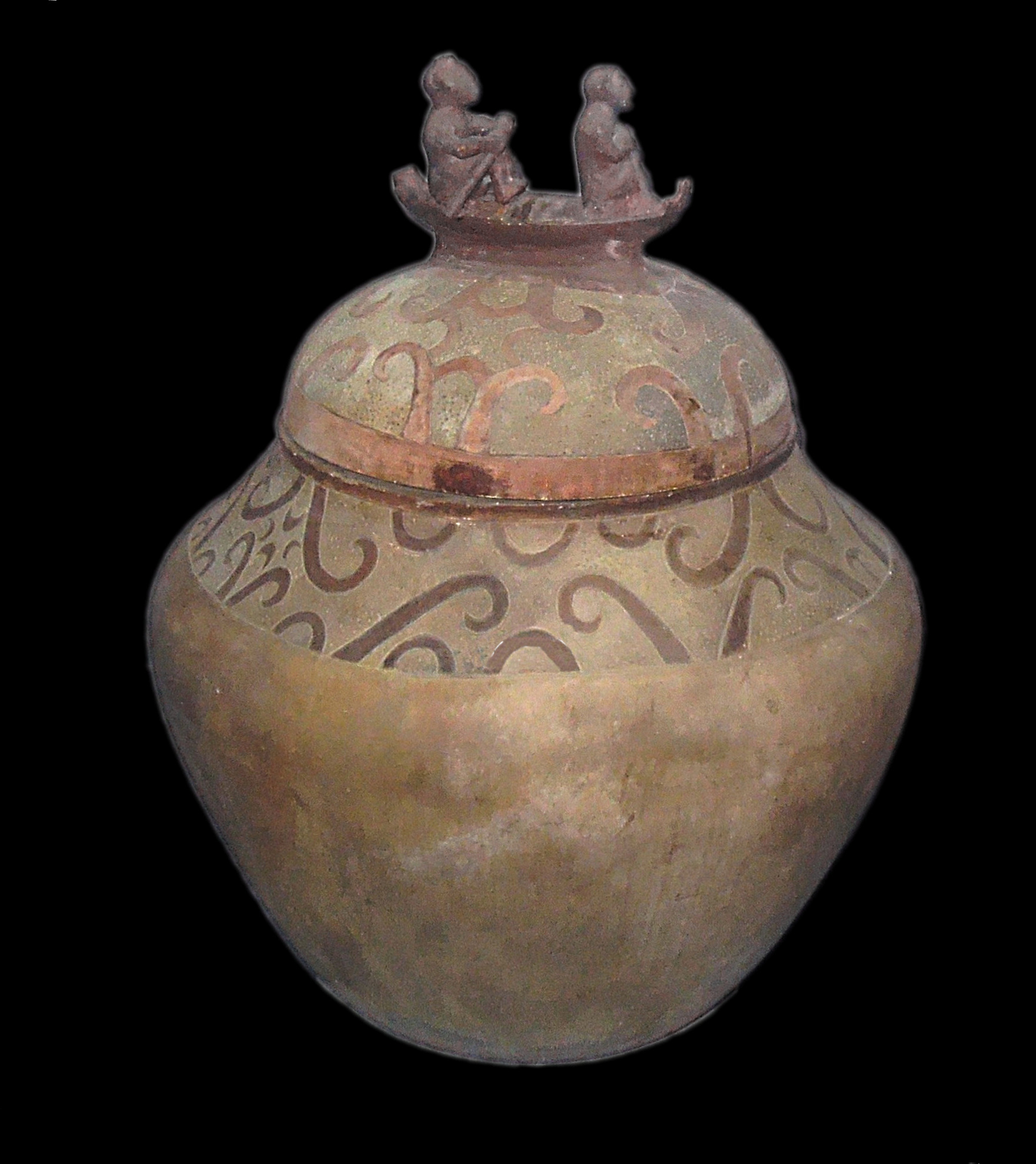
Tabon Caves
Cave system with prehistoric human remains

Kalanay Cave
Small cave with Sa Huynh pottery.