
Explore the Map
Tabon Caves
9.2799° N, 117.9814° E
About
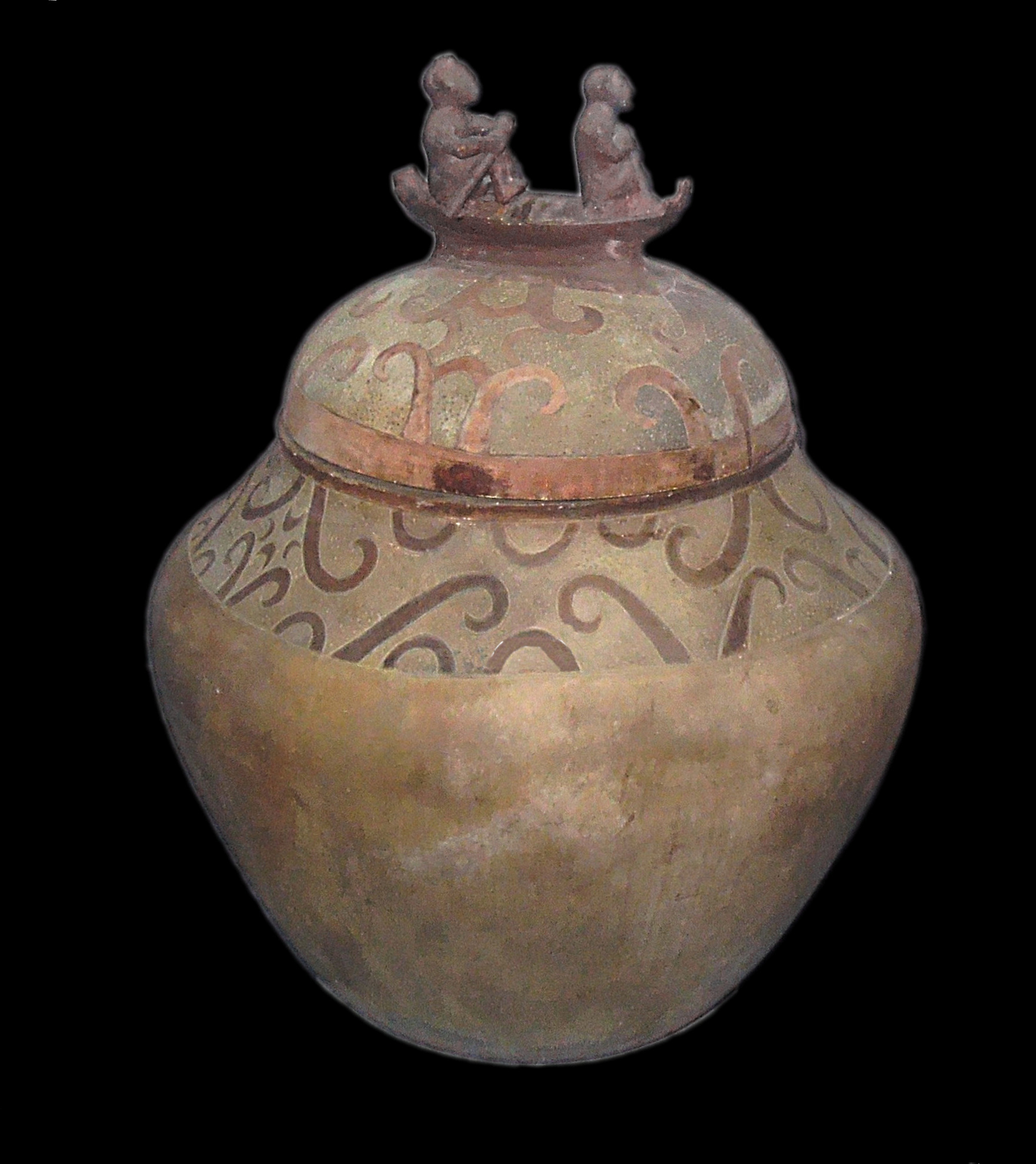
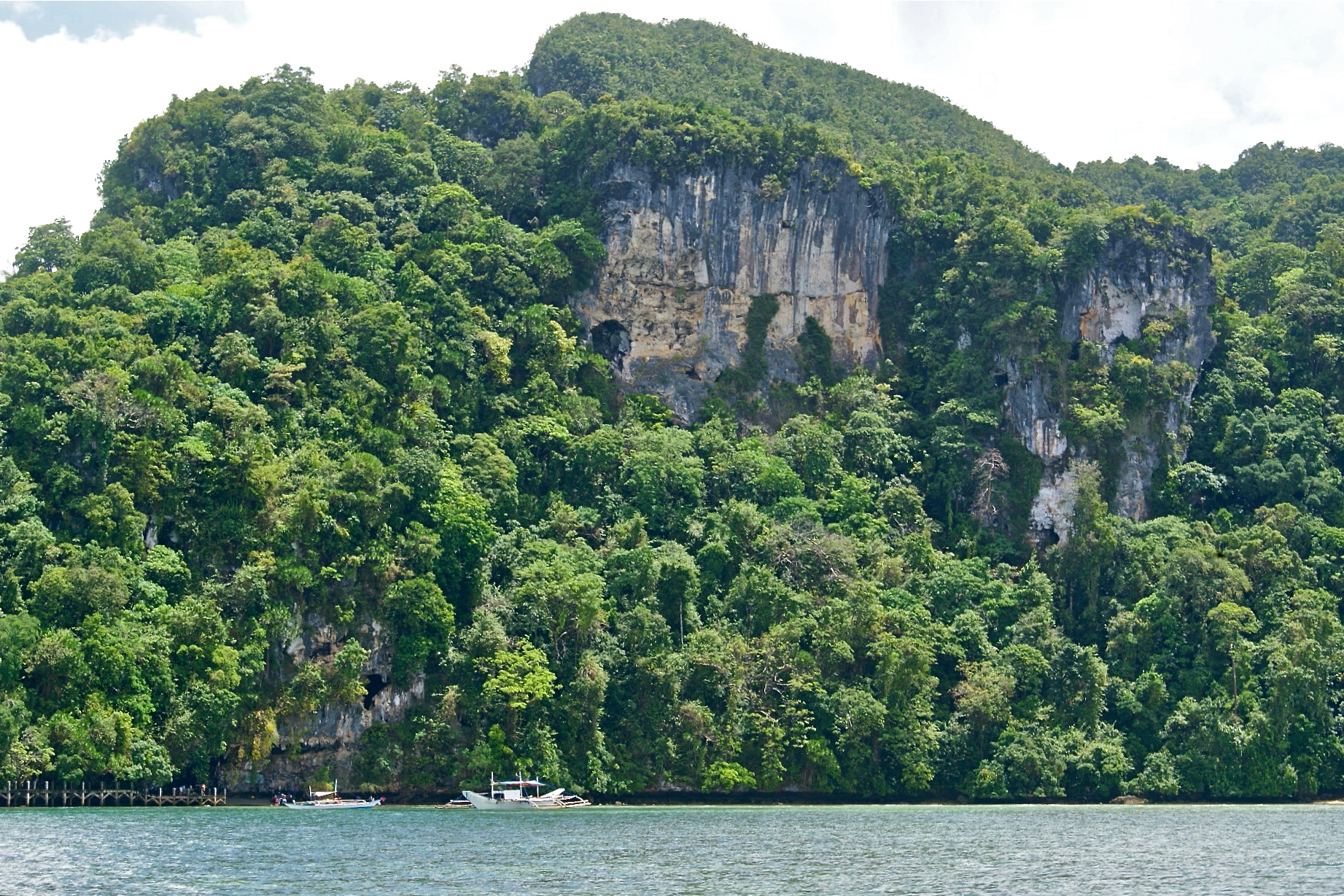
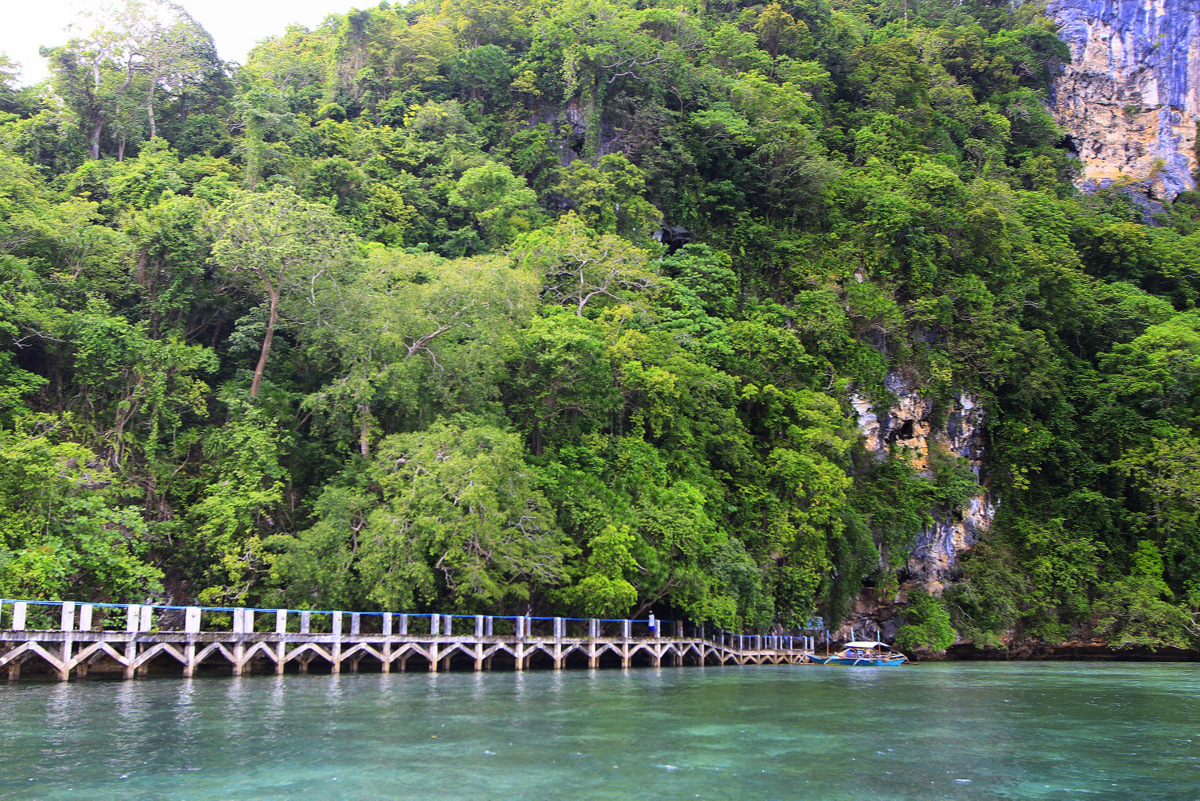
The Tabon Caves, located in Lipuun Point, Palawan, Philippines, is an important archaeological site known for its prehistoric human remains and extensive jar burials. The site is a complex of caves that have been used by early humans dating back 50,000 years, marking it as one of the earliest habitation sites in Southeast Asia. Significant finds include the Tabon Man, over 1,500 burial jars, and the Manunggul Jar, a notable burial artifact. The cave complex offers insights into early human life, burial practices, and trade connections with China during the Song and Yuan dynasties. Protected as a National Cultural Treasure, the site continues to be a focal point for archaeological studies and cultural heritage preservation.
Gallery
Explore photographs of ancient structures, artifacts, and archaeological excavations
Historical Timeline
Journey through time and discover key events in this site's history
Jar Burial Period Ends
1500 years ago
Trade with China
Song and Yuan dynasty periods
Jar Burial Period Begins
3000 years ago
Early Human Habitation
50,000 years ago
Archaeological Features
Unique architectural and cultural elements found at this historical site
Storage Structures
Burial and Funerary Structures
Artistic and Decorative Features
Domestic and Habitation Structures
Plan Your Visit
Tours, travel arrangements, and practical information
More Sites in the Philippines
Lal-lo and Gattaran Shell Middens
Ancient shell middens along Cagayan River

Kalanay Cave
Small cave with Sa Huynh pottery.
Guyangan Cave System
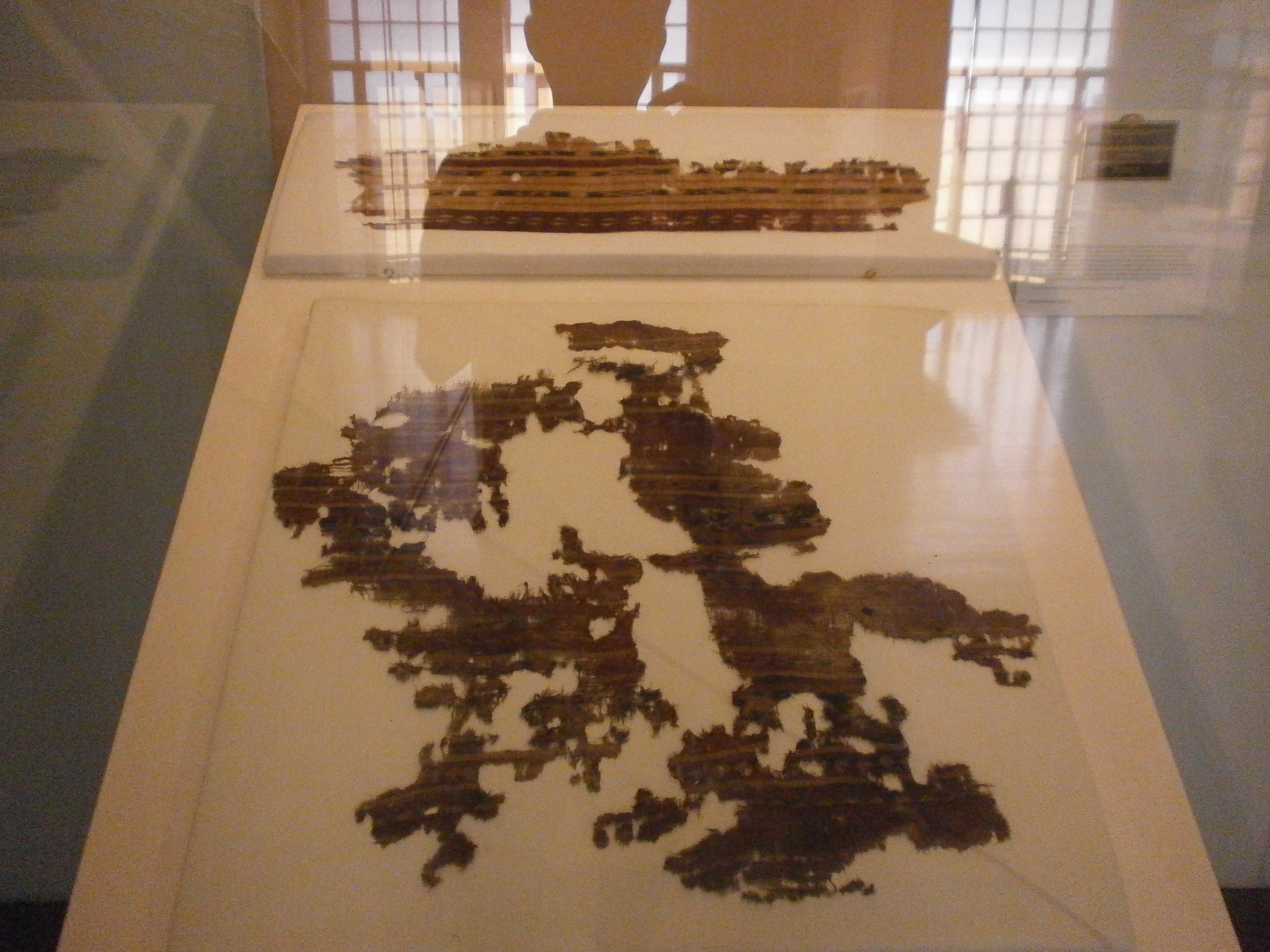
Limestone cave system with burial artifacts.
Pandanan shipwreck
Pre-Spanish Southeast Asian trading shipwreck
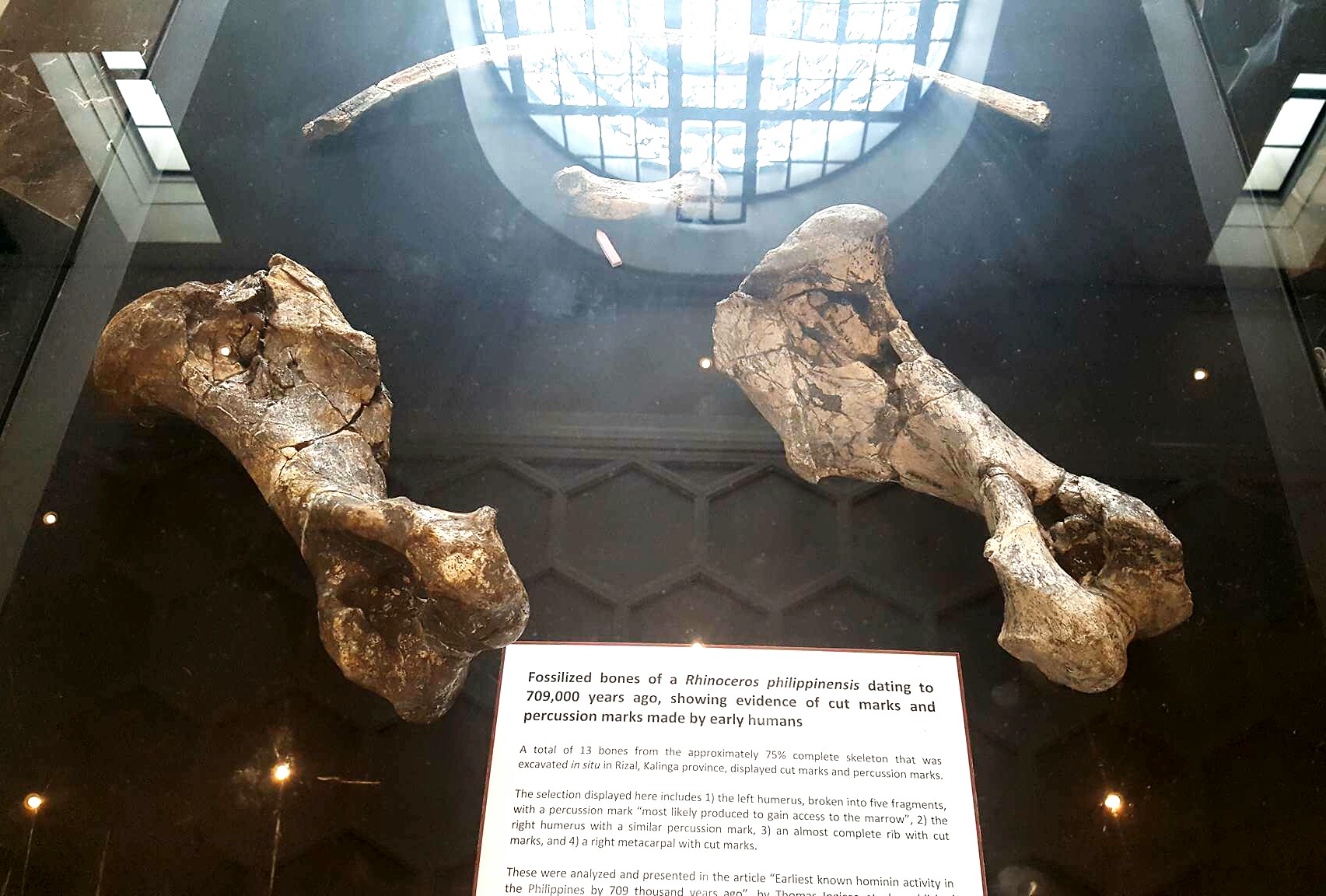
Rizal Archaeological Site (Kalinga)
Pleistocene stone tools, rhinoceros fossils
Buenavista Protected Landscape
Limestone coffin burial site in forest.