
Explore the Map
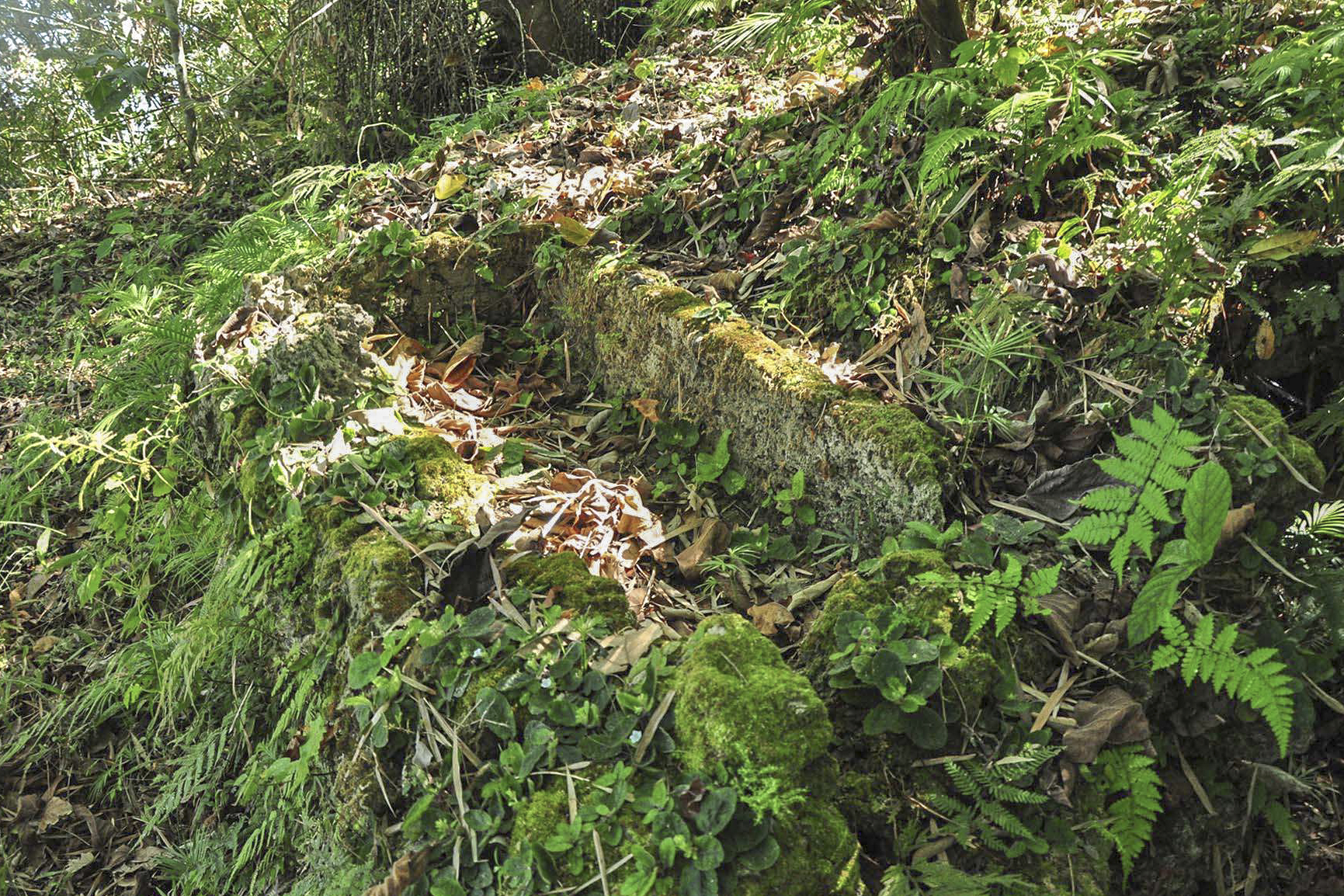
Limestone tombs of Kamhantik
13.5203° N, 122.4203° E
About
The Limestone Tombs of Kamhantik, located in the Buenavista Protected Landscape of Mulanay, Quezon, Philippines, are a significant archaeological site featuring fifteen carved limestone sarcophagi believed to have been created by pre-colonial Tagalog people. These tombs, dating back to the early and late Post-Classical Period (approximately 890-1030 CE), are unique in the Philippines for their detailed construction within a forested area. The site has been subject to looting, with many of the lids, skeletal remains, and burial goods removed before formal archaeological investigation began in 2011. Despite this, the tombs offer valuable insight into the funerary practices and cultural expressions of the region's early inhabitants. The area is intertwined with local mythology, believed to be constructed with assistance from supernatural beings, and holds cultural significance as a sacred space for the local community.
Gallery
Explore photographs of ancient structures, artifacts, and archaeological excavations
Historical Timeline
Journey through time and discover key events in this site's history
Construction and Use of Tombs
890 CE, 1030 CE
Archaeological Features
Unique architectural and cultural elements found at this historical site
Burial and Funerary Structures
Artistic and Decorative Features
Frequently Asked Questions
Plan Your Visit
Tours, travel arrangements, and practical information
More Sites in the Philippines
Lapuz Lapuz Cave
Limestone cave with diverse archaeological finds
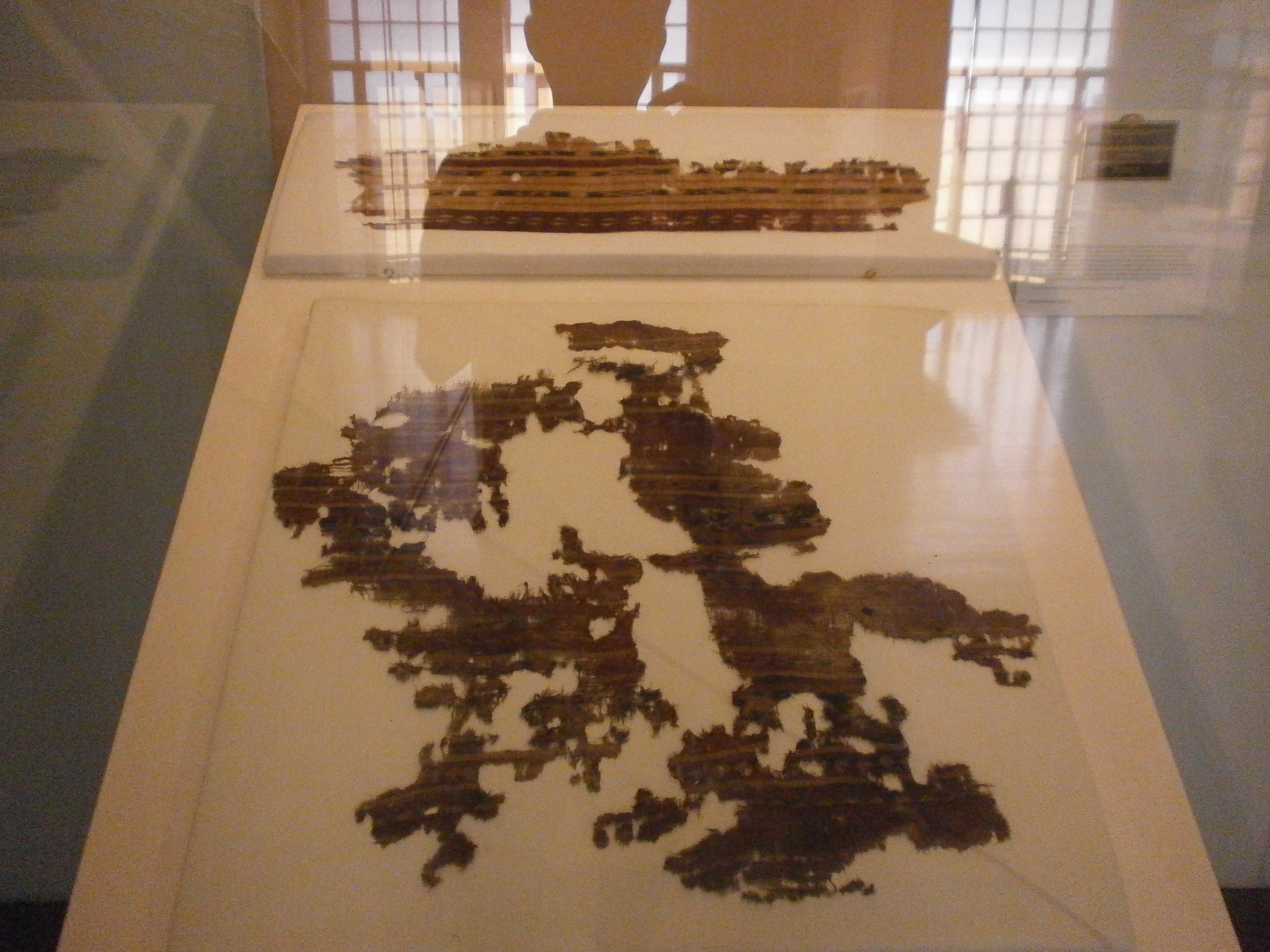
Guyangan Cave System
Limestone cave system with burial artifacts.
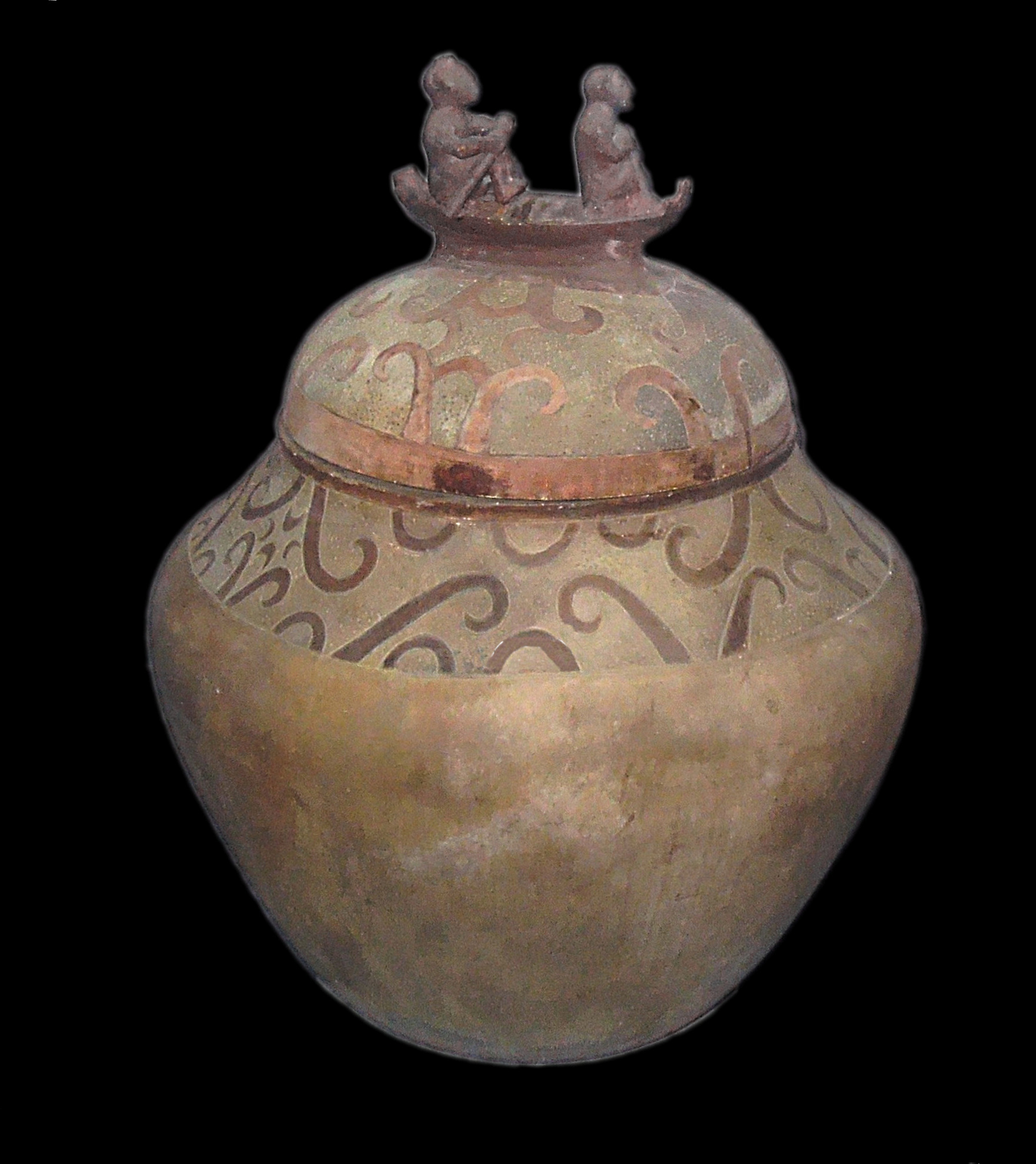
Tabon Caves
Cave system with prehistoric human remains

Kalanay Cave
Small cave with Sa Huynh pottery.
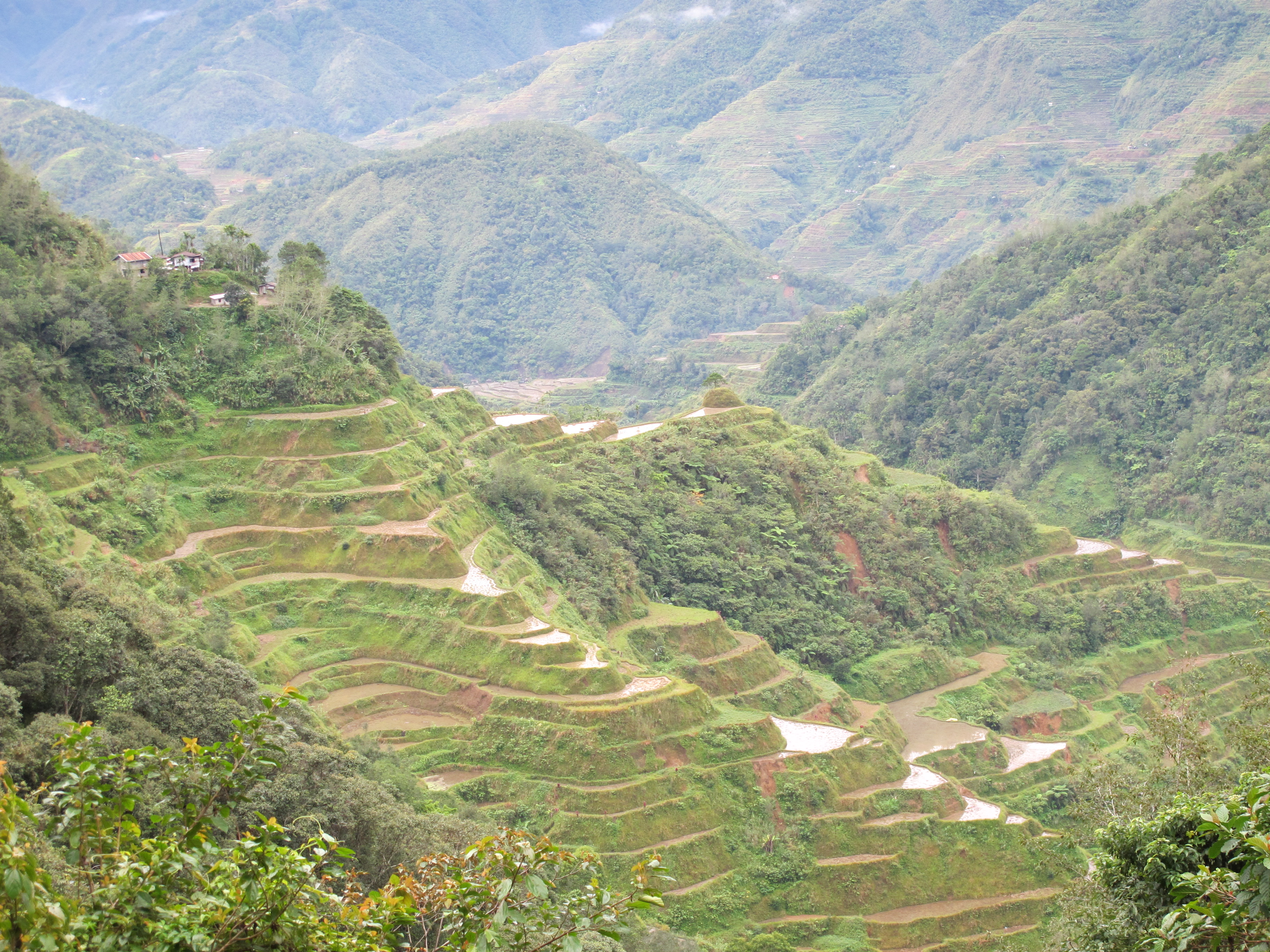
Old Kiyyangan Village
Ancient Ifugao village with rice terraces
Buenavista Protected Landscape
Limestone coffin burial site in forest.