
Explore the Map
Kromdraai fossil site
-26.0000° N, 27.7500° E
About
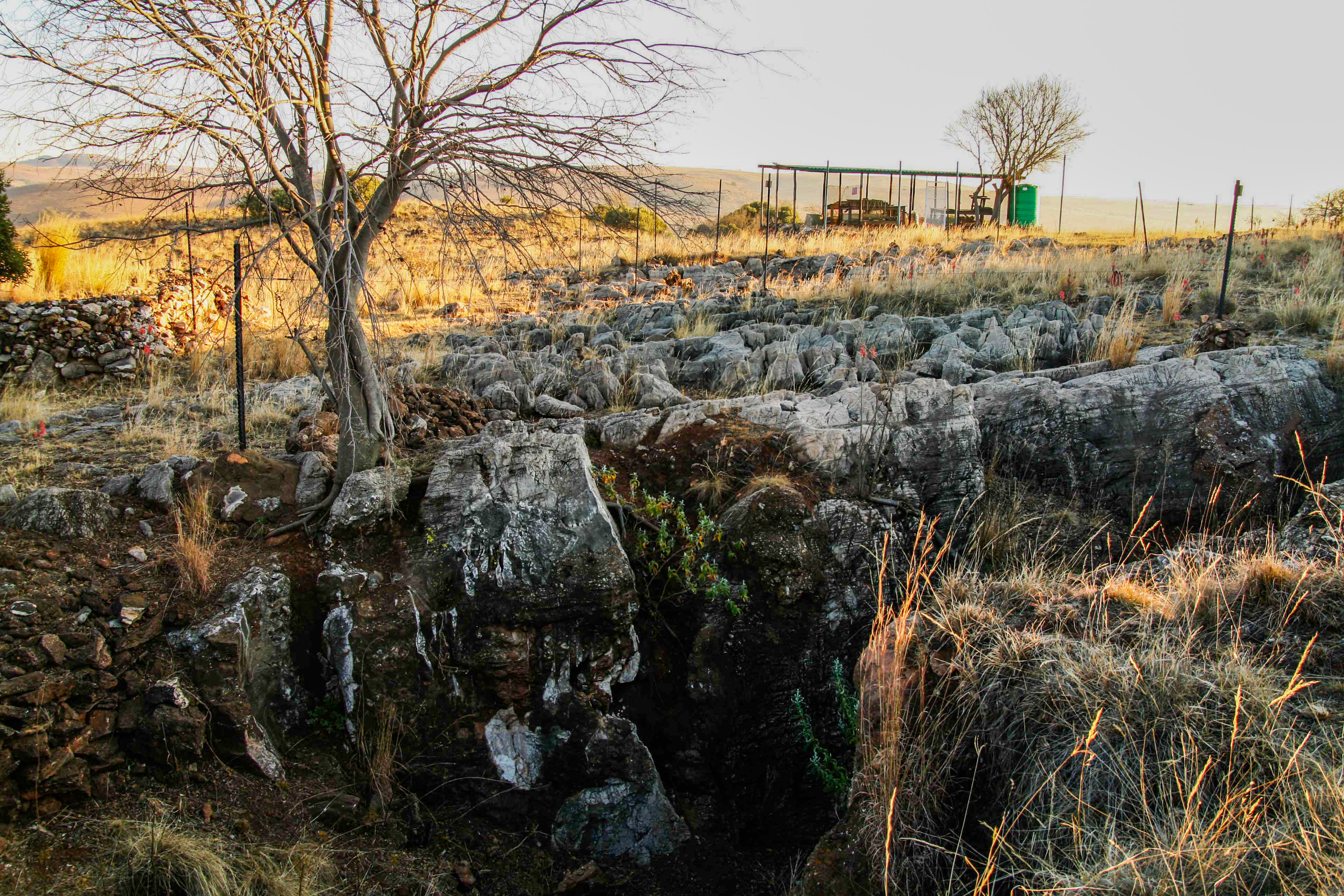
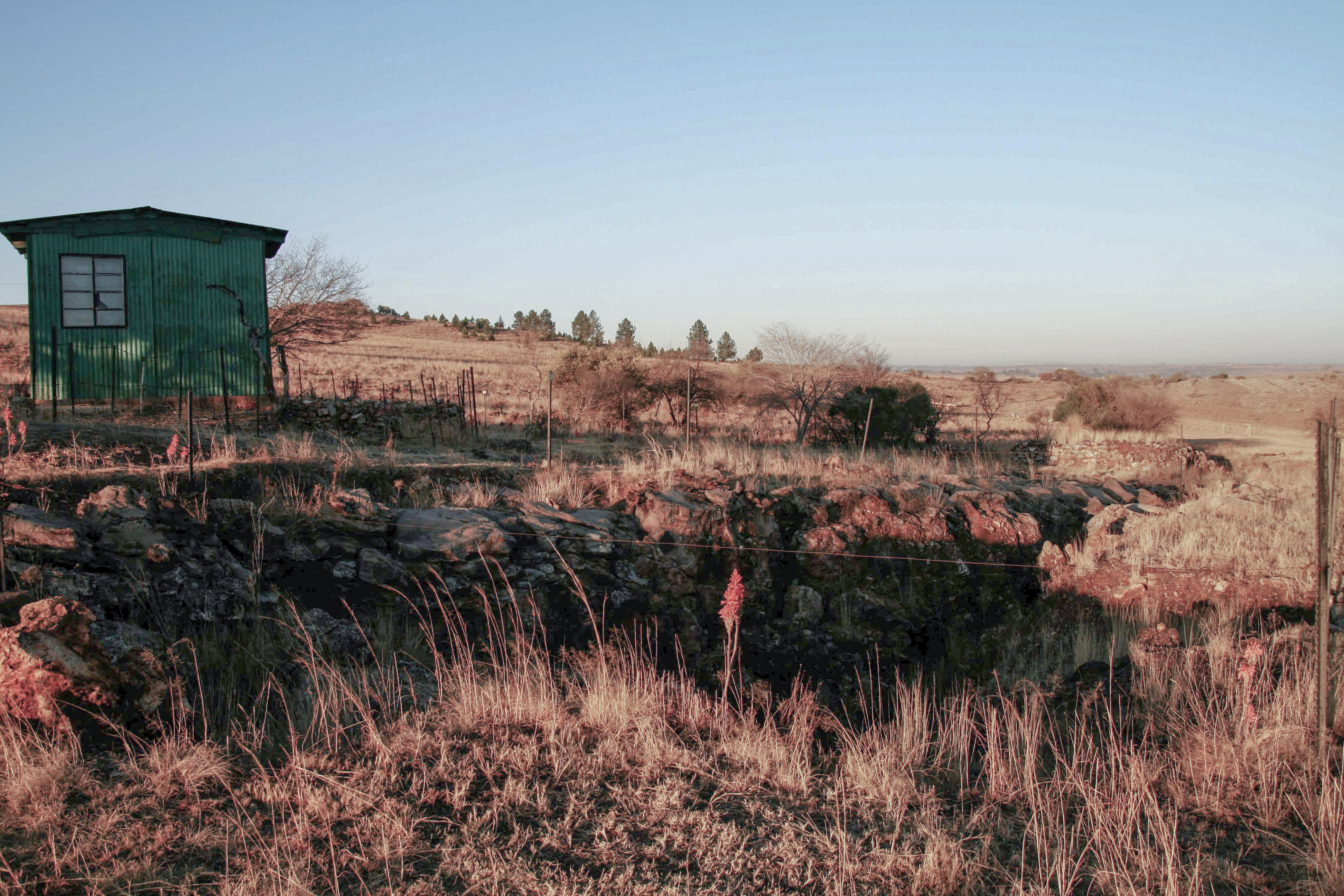
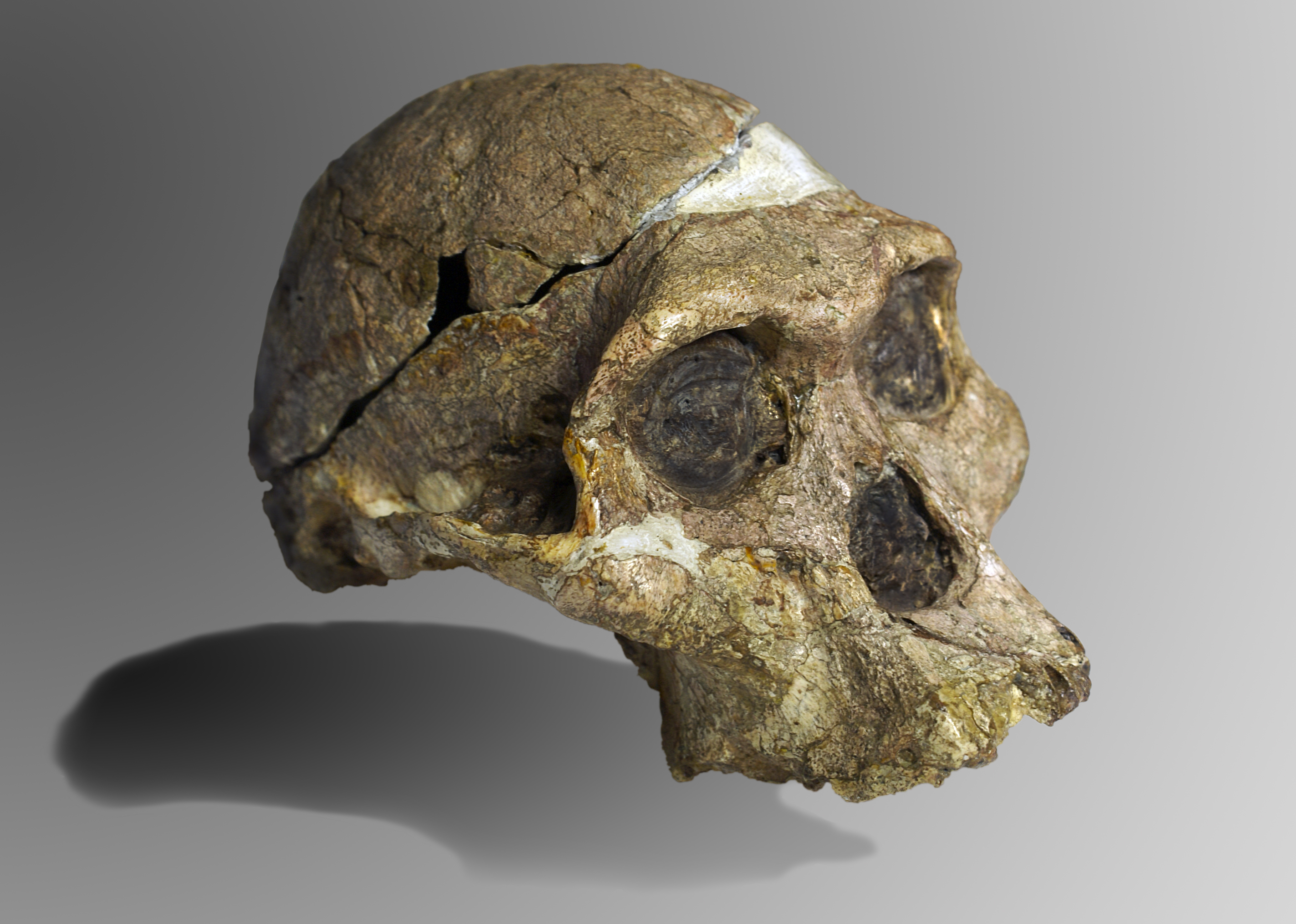
Kromdraai is a significant archaeological site located within the Cradle of Humankind World Heritage Site in South Africa. This site is renowned for its fossil-bearing breccia-filled caves which have provided invaluable insights into early hominin species, particularly with the discovery of the holotype of Paranthropus robustus. The site comprises two main fossil-bearing localities, Kromdraai A and Kromdraai B, with the latter being the primary source of hominin fossils. These remains have been dated to approximately 2.0 to 1.6 million years ago, placing them in the Lower to Upper Paleolithic periods. The site has also yielded a rich assemblage of thousands of animal fossils, contributing to our understanding of the paleoecological environment of the time. Ongoing excavations continue to uncover new findings, helping to refine the dating and contextual understanding of the site.
Gallery
Explore photographs of ancient structures, artifacts, and archaeological excavations
Historical Timeline
Journey through time and discover key events in this site's history
Paranthropus robustus occupation
2.0 - 1.6 million years ago
Archaeological Features
Unique architectural and cultural elements found at this historical site
Domestic and Habitation Structures
Environmental and Natural Features
Frequently Asked Questions
Plan Your Visit
Tours, travel arrangements, and practical information
More Sites in South Africa
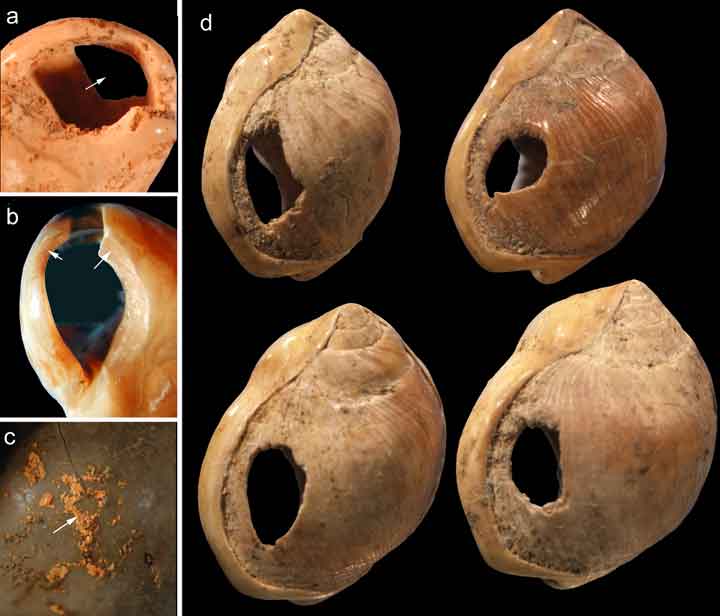
Blombos Cave
Stone Age cave with symbolic artifacts
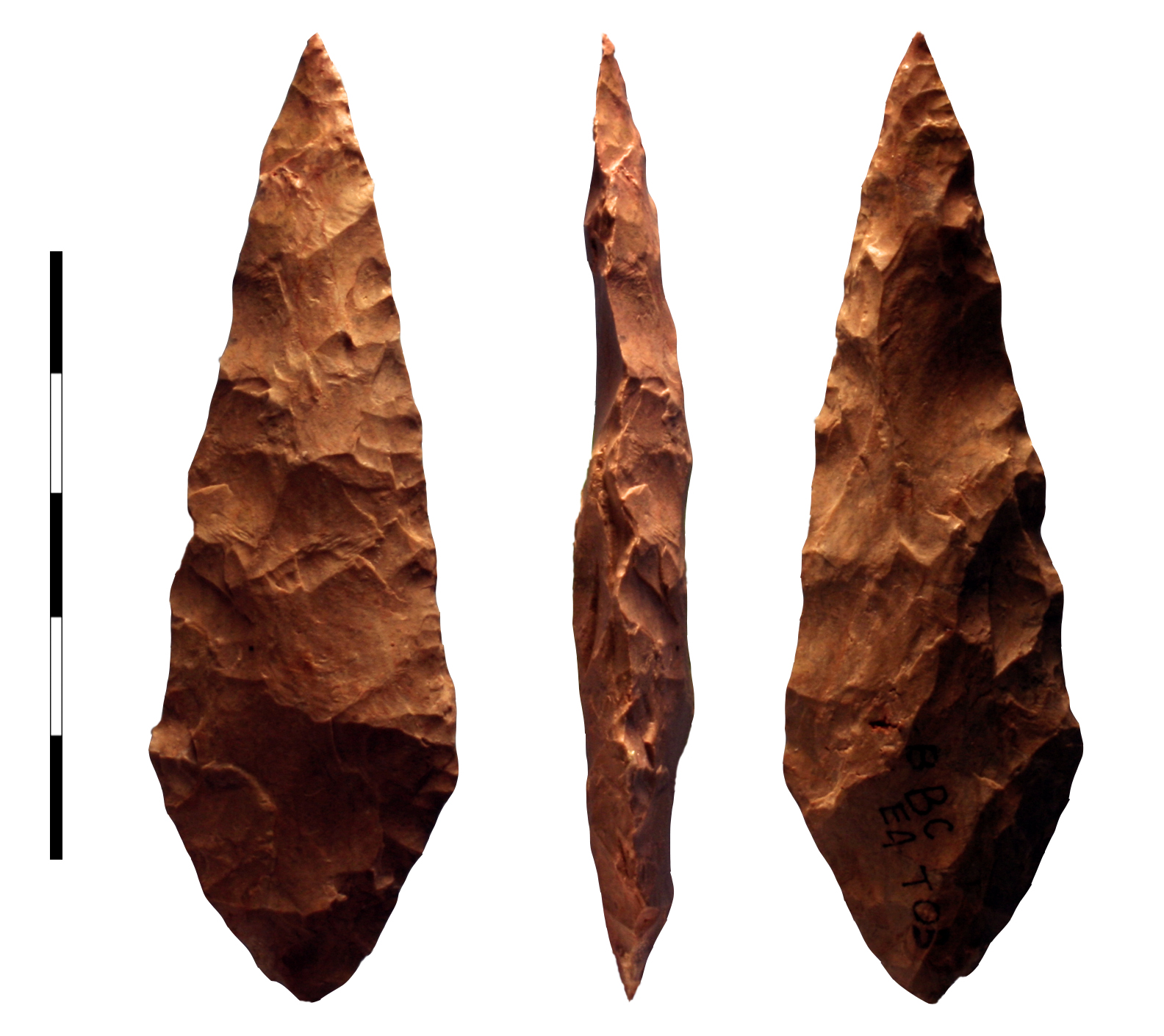
Stadsaal Caves
Sandstone caves with San rock art.
Melkhoutboom Cave
Later Stone Age habitation cave in South Africa
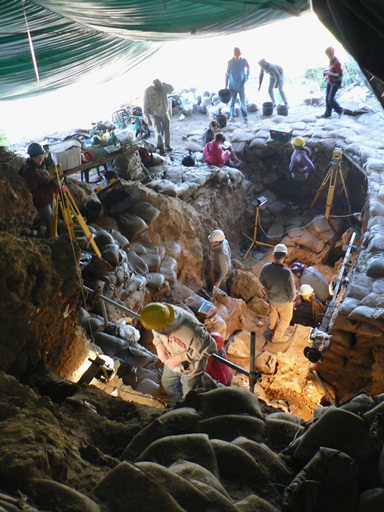
Pinnacle Point
Middle Stone Age caves with symbolic behavior evidence
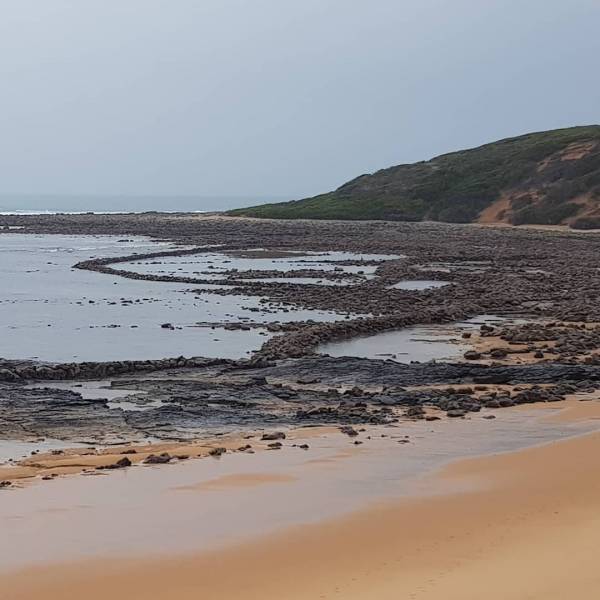
Stilbaai Tidal Fish Traps
Ancient intertidal stonewall fish traps
Boomplaas Cave
Stratified cave with ancient human occupation