
Time Periods
Paleolithic
Mesolithic
Neolithic
Chalcolithic
Bronze Age
Iron Age
Classical Period
Post-Classical Period
Early Modern Period
Industrial Period
Contemporary Period
Time Periods
Paleolithic
Mesolithic
Neolithic
Chalcolithic
Bronze Age
Iron Age
Classical Period
Post-Classical Period
Early Modern Period
Industrial Period
Contemporary Period
Location
About
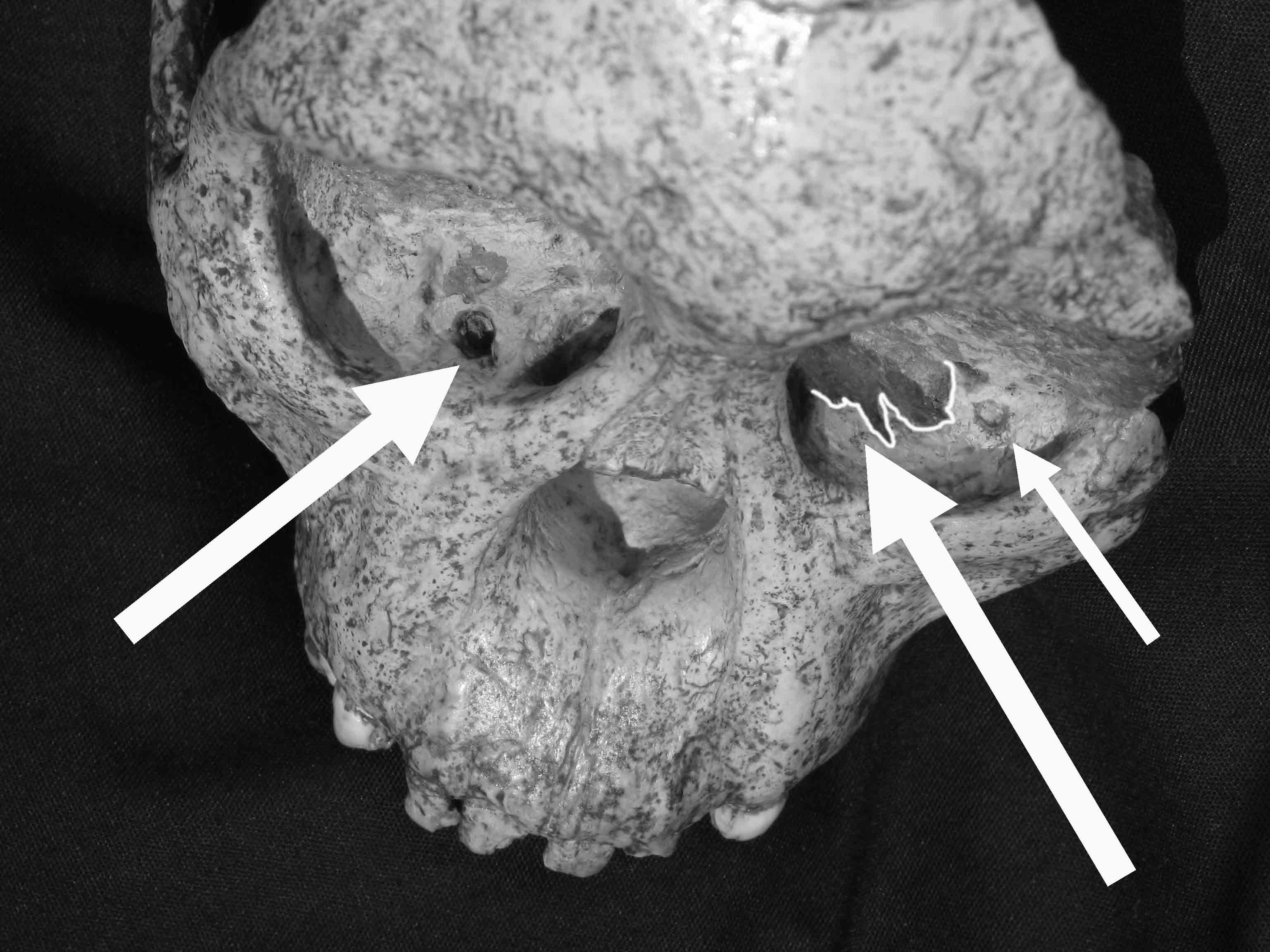
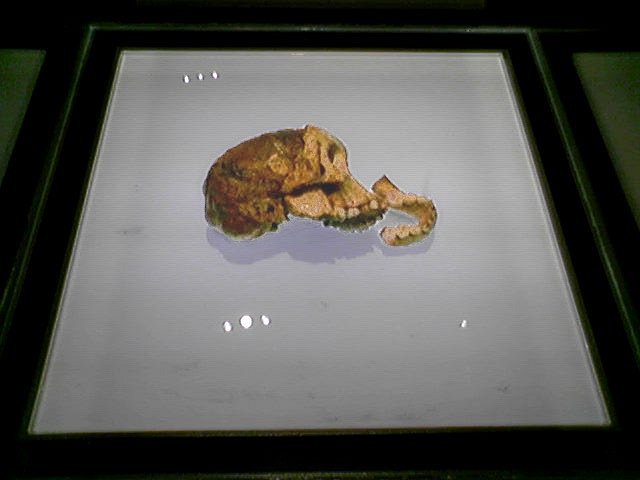
The Taung fossil site, located in the North West Province of South Africa, is an archaeologically significant location known for the discovery of the Taung Child—a skull of the early hominid species Australopithecus africanus. Found in 1924 within a limestone quarry, the site is characterized by caves formed in a massive tufa flow. The Taung Child discovery was pivotal in understanding human evolution, providing evidence supporting the notion that human ancestors originated in Africa. This finding was instrumental in challenging previous misconceptions, such as those associated with the Piltdown Man. Though the site has been extensively mined, it remains crucial for studying early hominid life and the geological and taphonomic contexts of their habitats.
Gallery
Explore photographs of ancient structures, artifacts, and archaeological excavations at Taung
Archaeological Features
Explore the unique architectural and cultural elements found at this historical site
Domestic and Habitation Structures
Environmental and Natural Features
Historical Timeline
Journey through time and discover key events in this site's archaeological history
Plan Your Visit
Details
- Country
- South Africa
- Source
- Wikipedia
More Sites in South Africa
Melkhoutboom Cave
Later Stone Age habitation cave in South Africa
Cango Caves
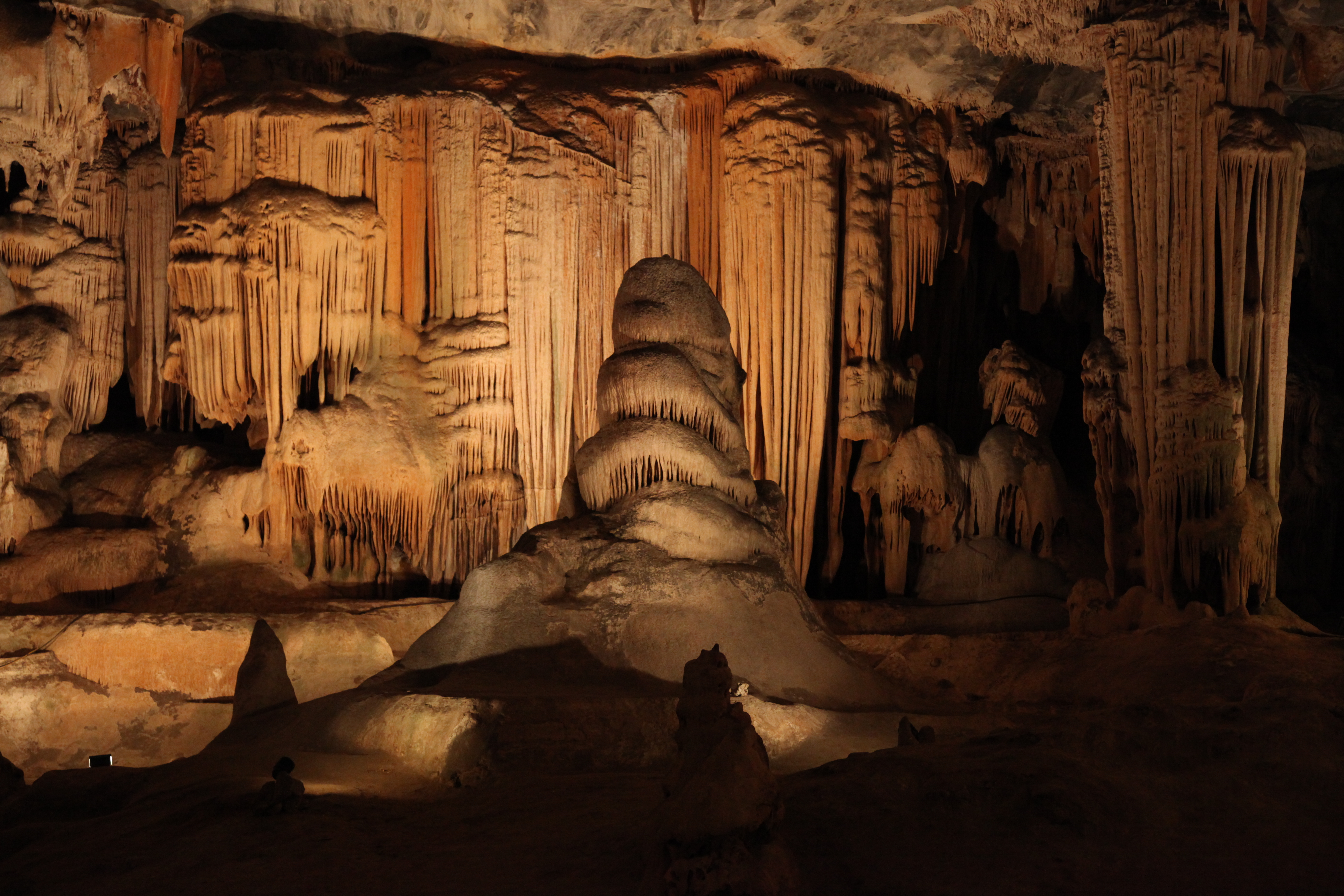
Extensive limestone cave system with artifacts.
Elands Bay Cave
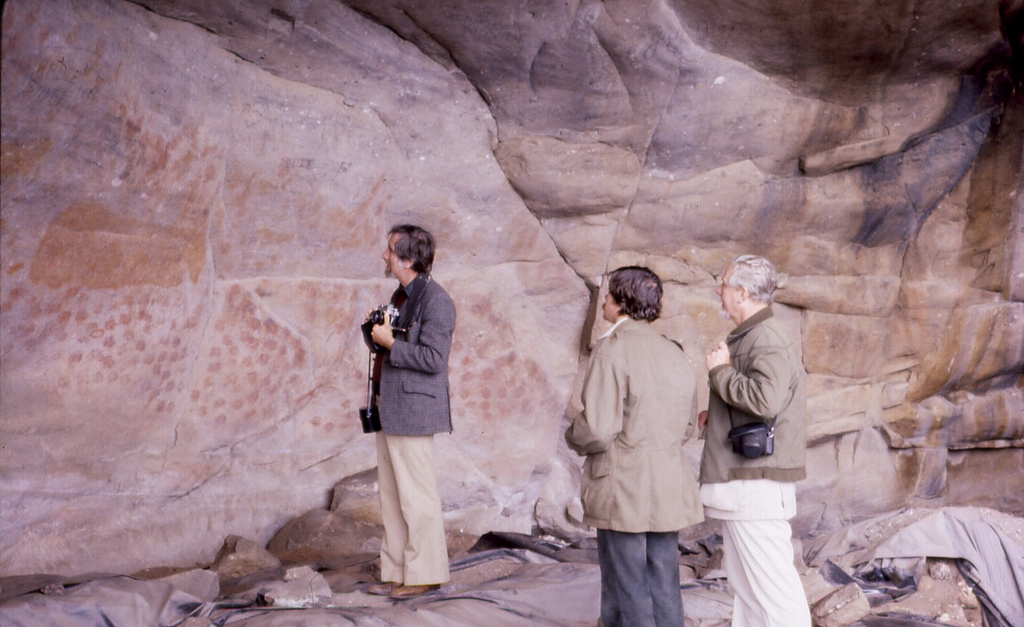
Archaeological cave site with faunal remains.
Gladysvale Cave
Fossil-rich breccia-filled hominid cave.
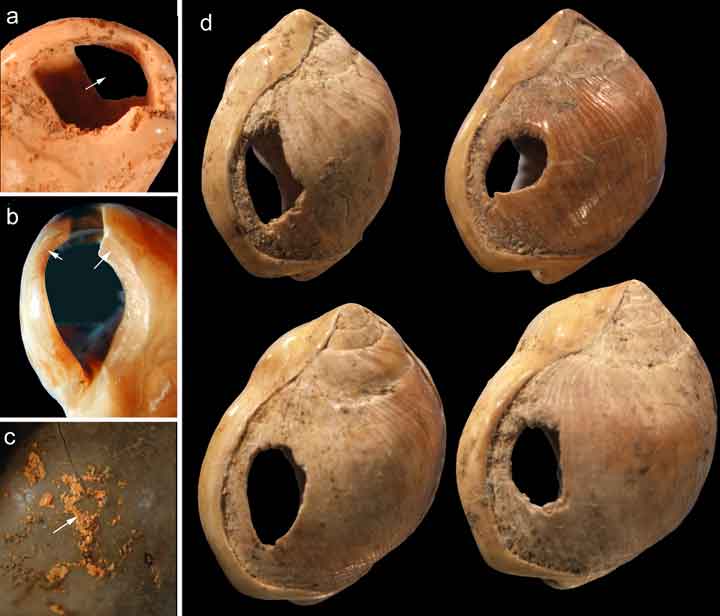
Blombos Cave
Stone Age cave with symbolic artifacts
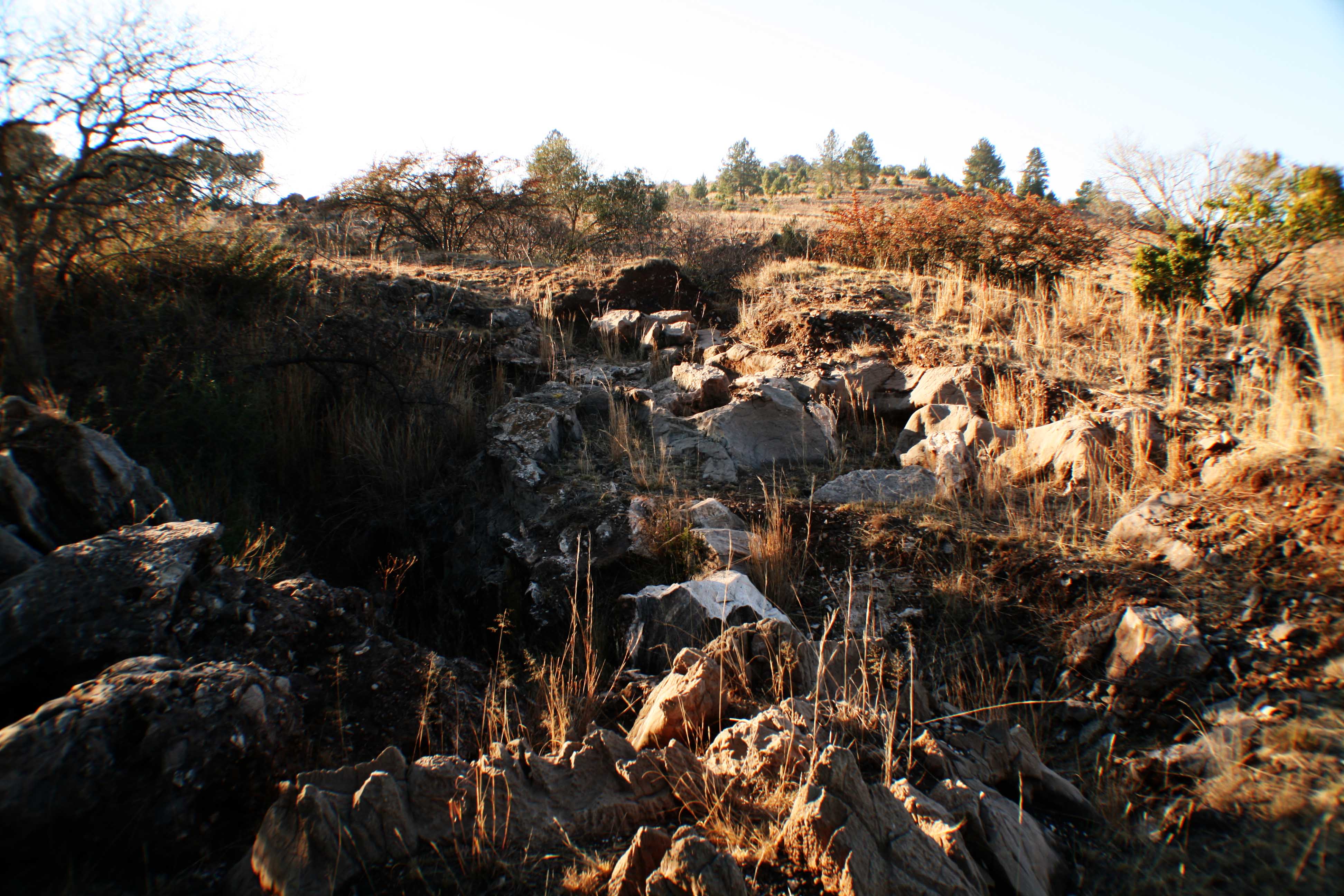
Cooper's Cave
Fossil-bearing breccia-filled dolomitic caves.