
Explore the Map
Melkhoutboom Cave
-33.3167° N, 25.2833° E
About
Melkhoutboom Cave, located in the Eastern Cape of South Africa, is a significant Later Stone Age archaeological site. Situated in the Cape Folded Mountain Belt, this cave has revealed a rich record of human habitation spanning several millennia. Key findings include evidence of domestic use with hearths, artistic contributions like cave paintings, and burial practices evidenced by child graves. The artefactual record shows a transition in subsistence strategies and tool technologies, particularly through the phases known as the Wilton, Albany, and Robberg industries. The cave's sequence illustrates shifts in environmental and social dynamics from the terminal Pleistocene to the Holocene, indicating a movement towards more sedentary lifestyles and diversified food resources. This site provides invaluable insights into the adaptation and evolution of human populations in southern Africa during the Later Stone Age.
Historical Timeline
Journey through time and discover key events in this site's history
Wilton Base Marker Unit occupation
7300 years BP
Medium Brown Series Unit occupation
7660 years BP
Rock Fall Unit occupation
10500 years BP
Initial occupation phase
15400 years BP
Archaeological Features
Unique architectural and cultural elements found at this historical site
Burial and Funerary Structures
Artistic and Decorative Features
Domestic and Habitation Structures
Environmental and Natural Features
Food Production and Processing Features
Frequently Asked Questions
Plan Your Visit
Tours, travel arrangements, and practical information
More Sites in South Africa
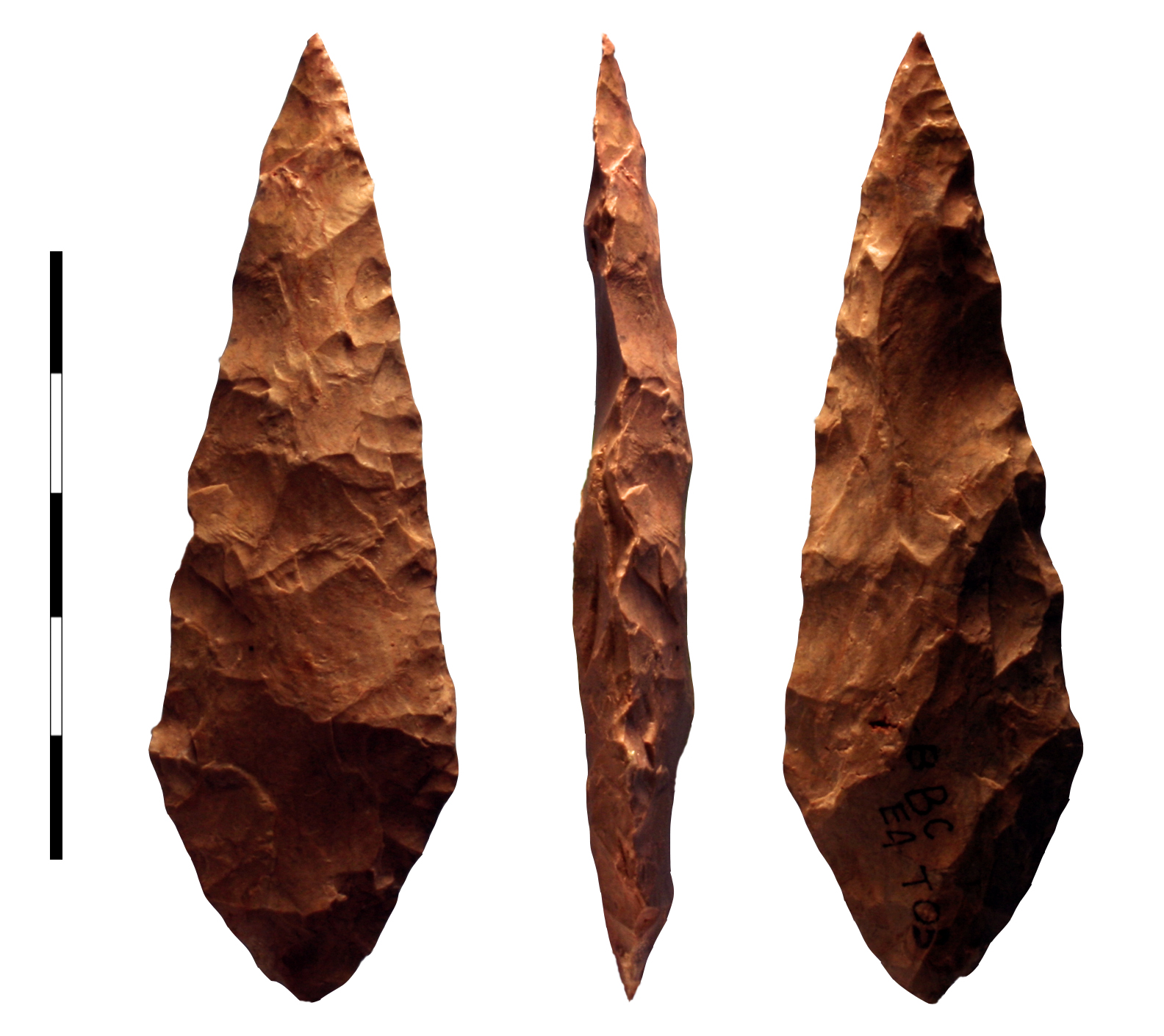
Stadsaal Caves
Sandstone caves with San rock art.
Wonderwerk Cave
Ancient cave with extensive archaeological deposits
Boomplaas Cave
Stratified cave with ancient human occupation
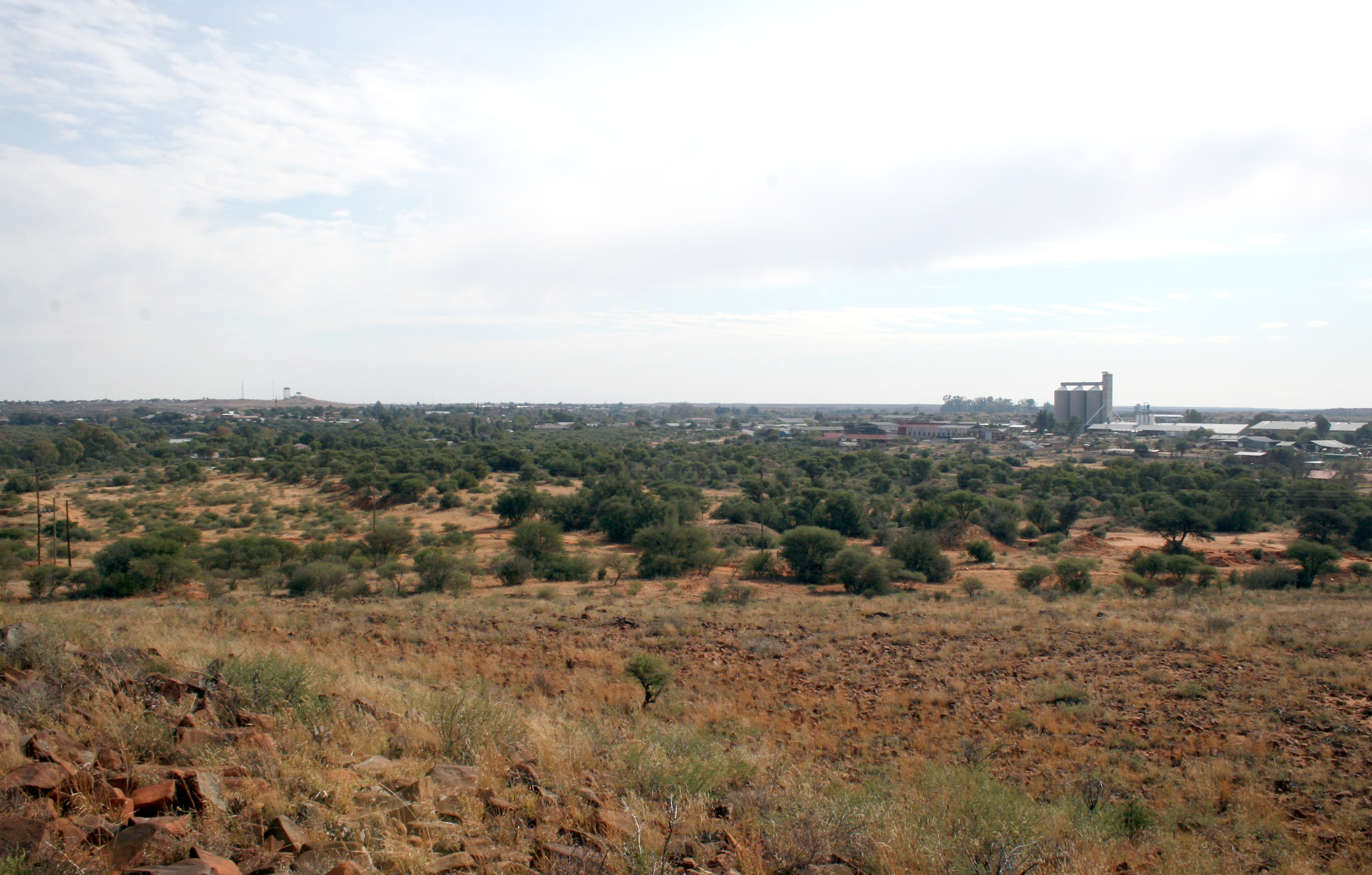
Canteen Kopje
Rich Stone Age archaeological sequence in South Africa
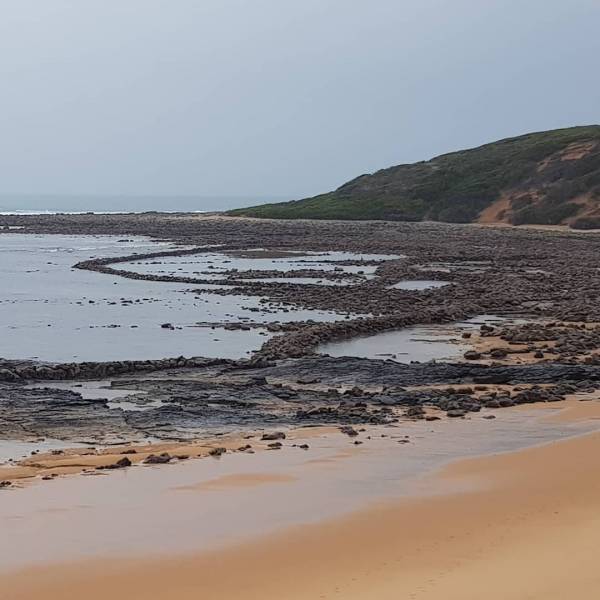
Stilbaai Tidal Fish Traps
Ancient intertidal stonewall fish traps
Mussel Point
Large shell midden with extensive deposits