
Explore the Map
Balanica
43.3392° N, 22.0864° E
About
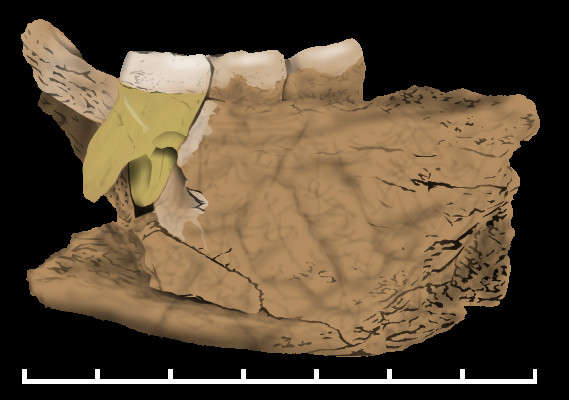
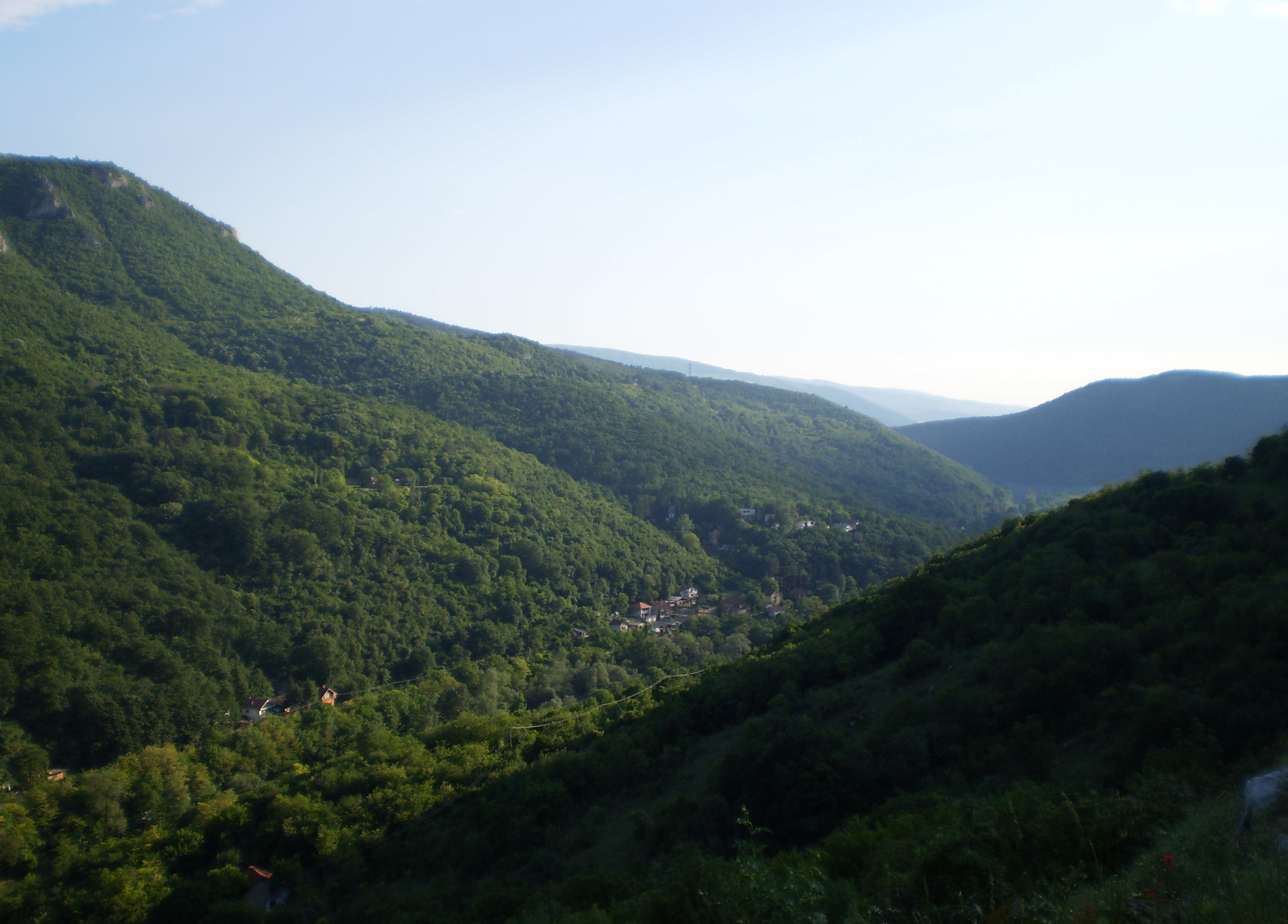
The Balanica site in southeast Serbia is a significant paleoarchaeological location consisting of a complex of caves, including Velika and Mala Balanica, within the Sićevo Gorge region. This site has yielded critical insights into human evolution, particularly through the discovery of Homo heidelbergensis remains dating back up to 525,000 years, marking them as some of the oldest known in Europe. Additionally, Neanderthal remains estimated to be 300,000 years old were uncovered, representing the oldest in Eastern Europe. These findings underline the role of the Balkans as an ancient crossroads and refuge during glacial periods, facilitating the exchange and evolution of diverse hominin populations. The discovery of hearths and stone tools points to the technological and cultural practices of early human inhabitants, emphasizing the site's importance in understanding human prehistory.
Gallery
Explore photographs of ancient structures, artifacts, and archaeological excavations
Historical Timeline
Journey through time and discover key events in this site's history
Early Neanderthal Presence
300,000 years ago
Homo heidelbergensis Occupation
525,000 years ago
Archaeological Features
Unique architectural and cultural elements found at this historical site
Domestic and Habitation Structures
Environmental and Natural Features
Food Production and Processing Features
Frequently Asked Questions
Plan Your Visit
Tours, travel arrangements, and practical information
More Sites in Serbia
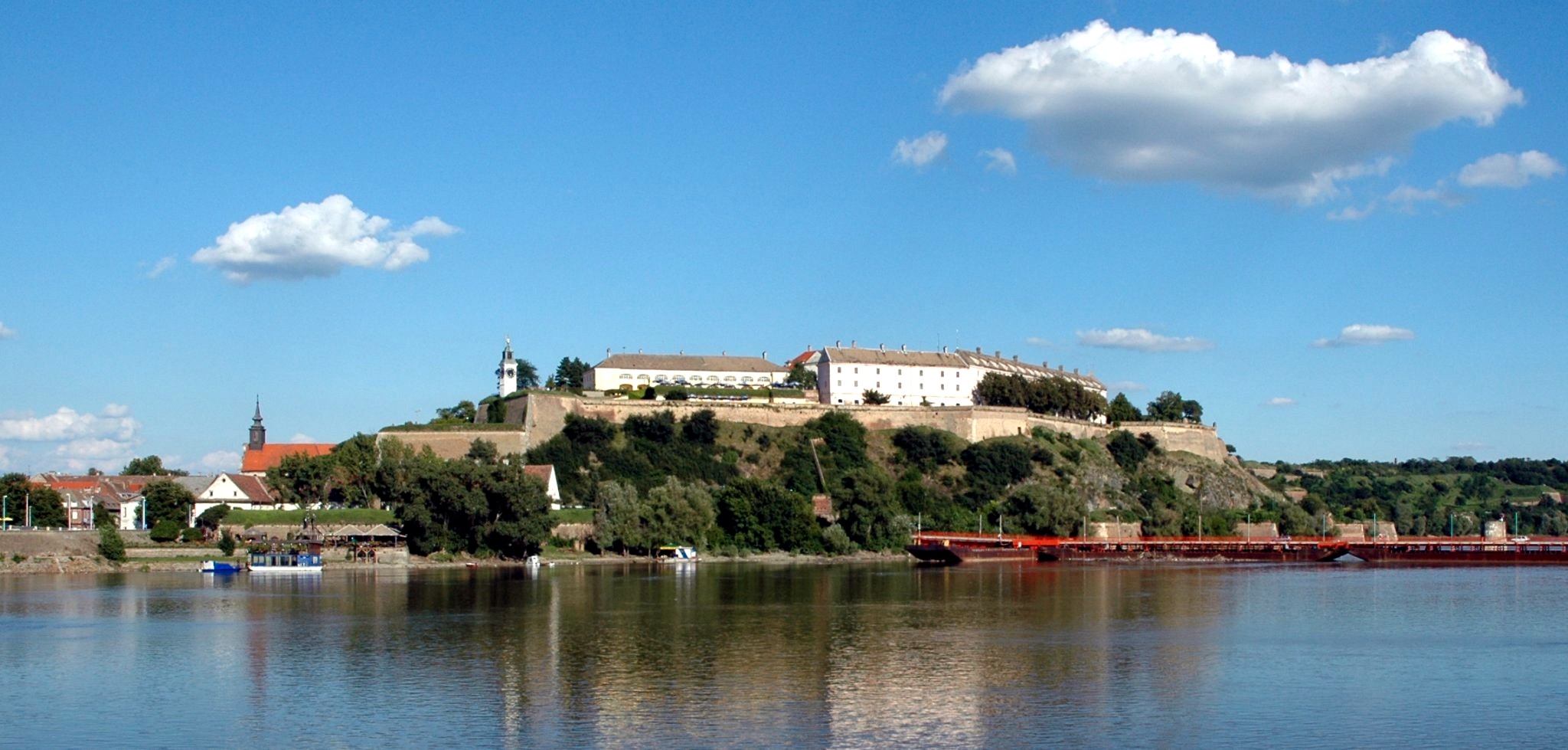
Petrovaradin Fortress
Fortress with extensive underground corridors
Trojanov Grad
Fortress remains on Cer Mountain, Serbia.
Medieval Monuments in Kosovo
<p>The four edifices of the site reflect the high points of the Byzantine-Romanesque ecclesiastical culture, with its distinct style of wall painting, which…
Kale-Krševica
Ancient Macedonian city with Greek features
Velika humka
Settlement site near Pilatovići, Serbia.
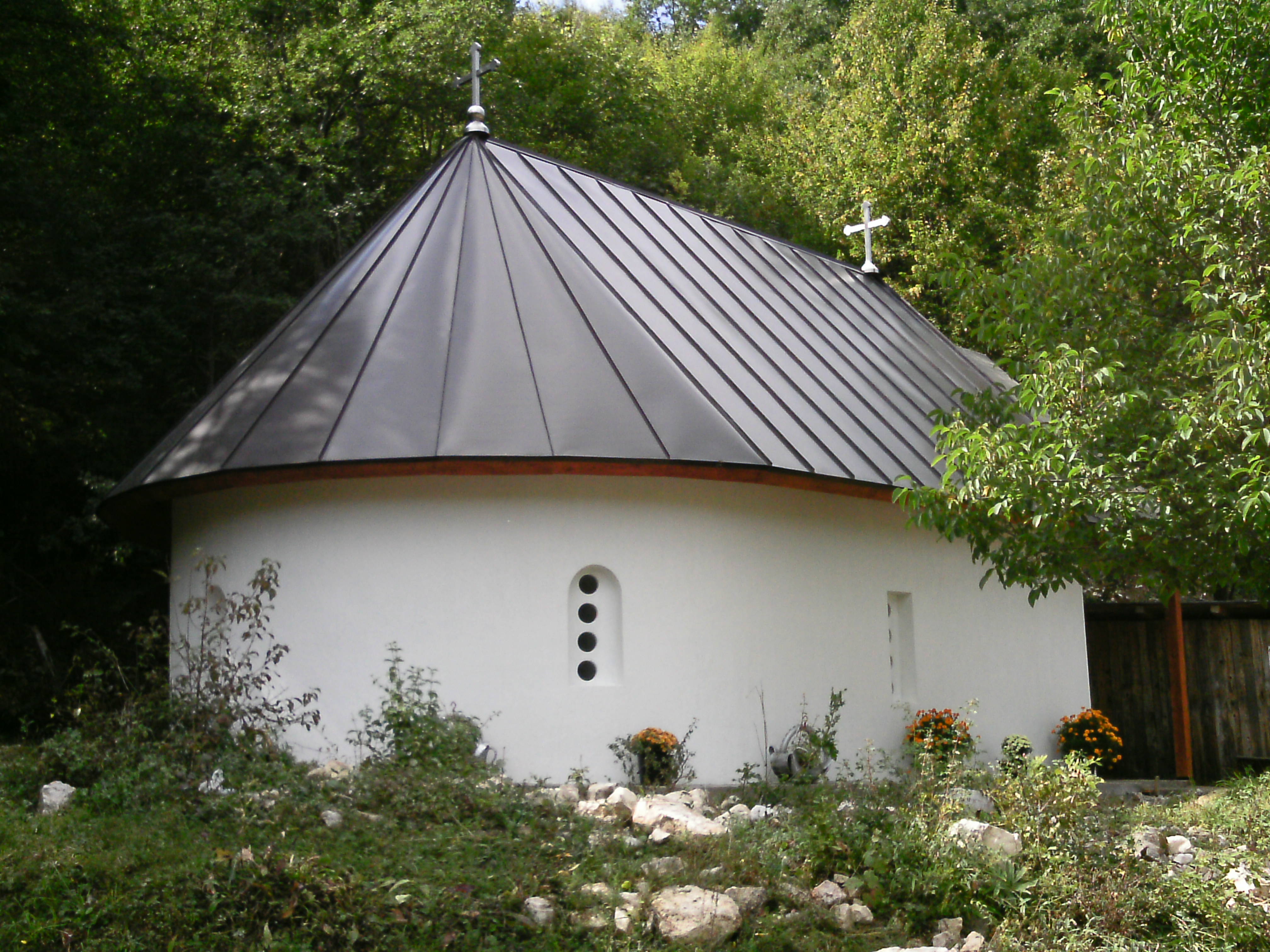
Janja Monastery
15th-century Serbian Orthodox monastery ruins