Explore the Map
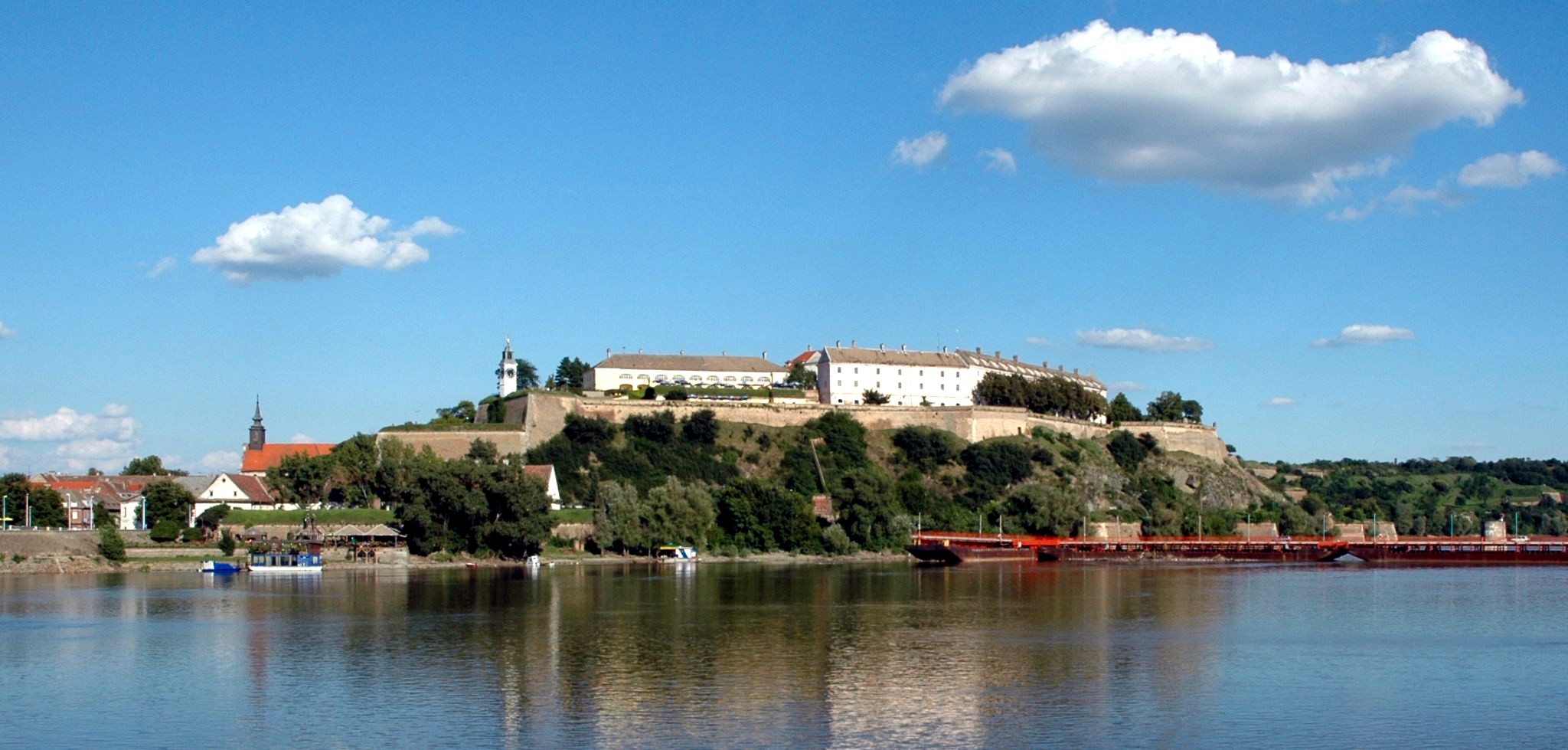
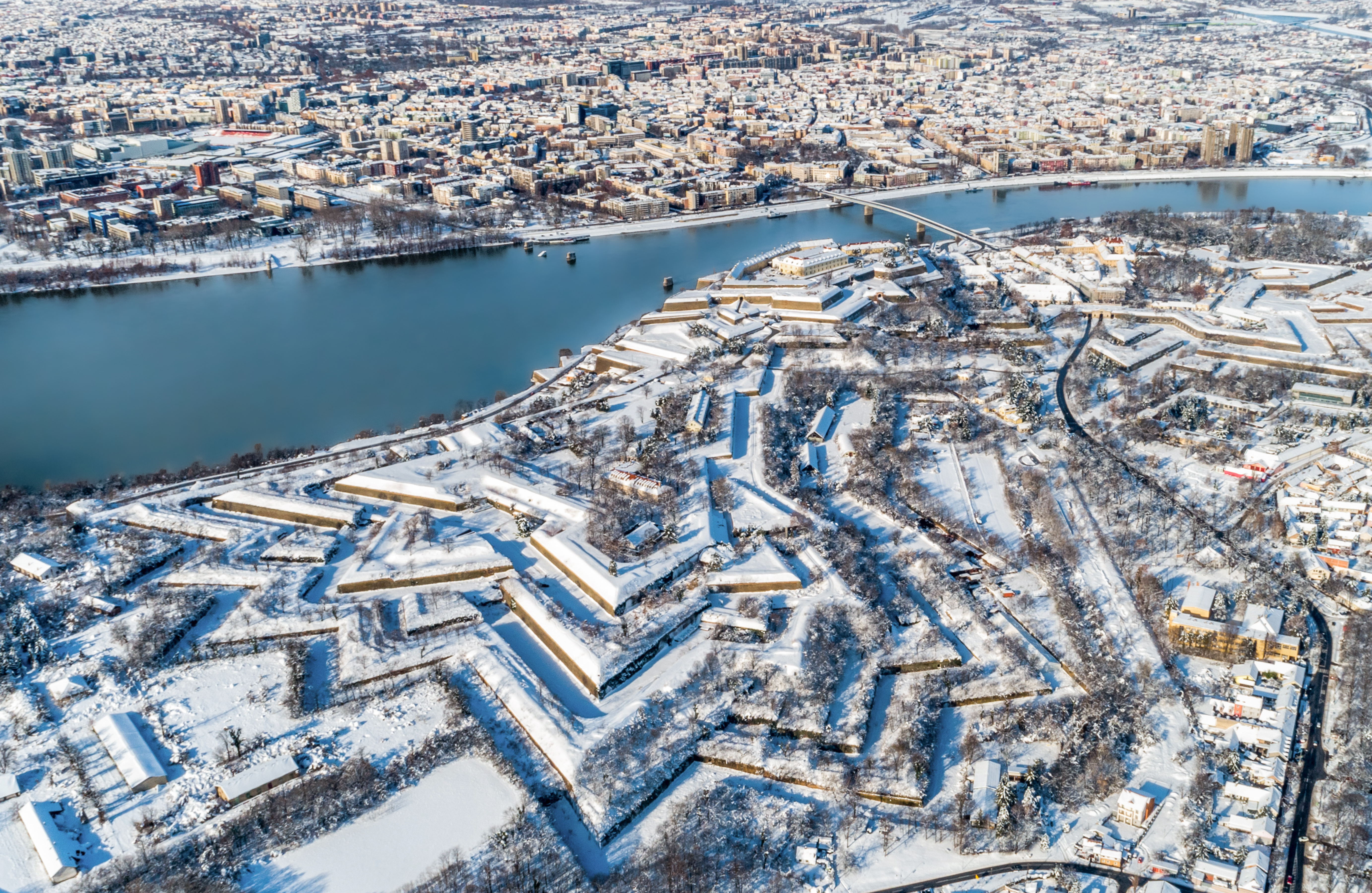
Petrovaradin Fortress
45.2525° N, 19.8625° E
About
Petrovaradin Fortress, located on the Danube's right bank in Serbia, is a historically significant fortress known for its extensive underground corridors and strategic defensive structures. Archaeological investigations reveal that the site has been continuously inhabited since the Upper Paleolithic era, with fortifications dating back to the Early Bronze Age. The Romans established a fortress here as part of their defensive line along the Danube. In the 13th century, Cistercian monks constructed a monastery over the remnants of the Roman structures. The fortress was a critical military site, especially during the Ottoman invasions and later under Austrian control, culminating in significant events like the Battle of Petrovaradin in 1716. The fortress's complex tunnel system, completed in the 18th century, underscores its military importance. Today, Petrovaradin Fortress stands as a monument to its varied historical legacy.
Gallery
Explore photographs of ancient structures, artifacts, and archaeological excavations
Historical Timeline
Journey through time and discover key events in this site's history
Bronze Age Ramparts
c. 3000 BCE
Paleolithic Settlement
19,000 BCE - 15,000 BCE
Roman Fortifications
1st century CE
Cistercian Monastery
1247 CE - 1252 CE
Ottoman Siege
1526 CE
Austrian Control
1687 CE
Battle of Petrovaradin
1716 CE
Tunnel System Completion
1776 CE
Hungarian Revolution Conflict
1849 CE
Archaeological Features
Unique architectural and cultural elements found at this historical site
Defensive Structures
Military Installations
Religious and Ritual Structures
Plan Your Visit
Tours, travel arrangements, and practical information
More Sites in Serbia
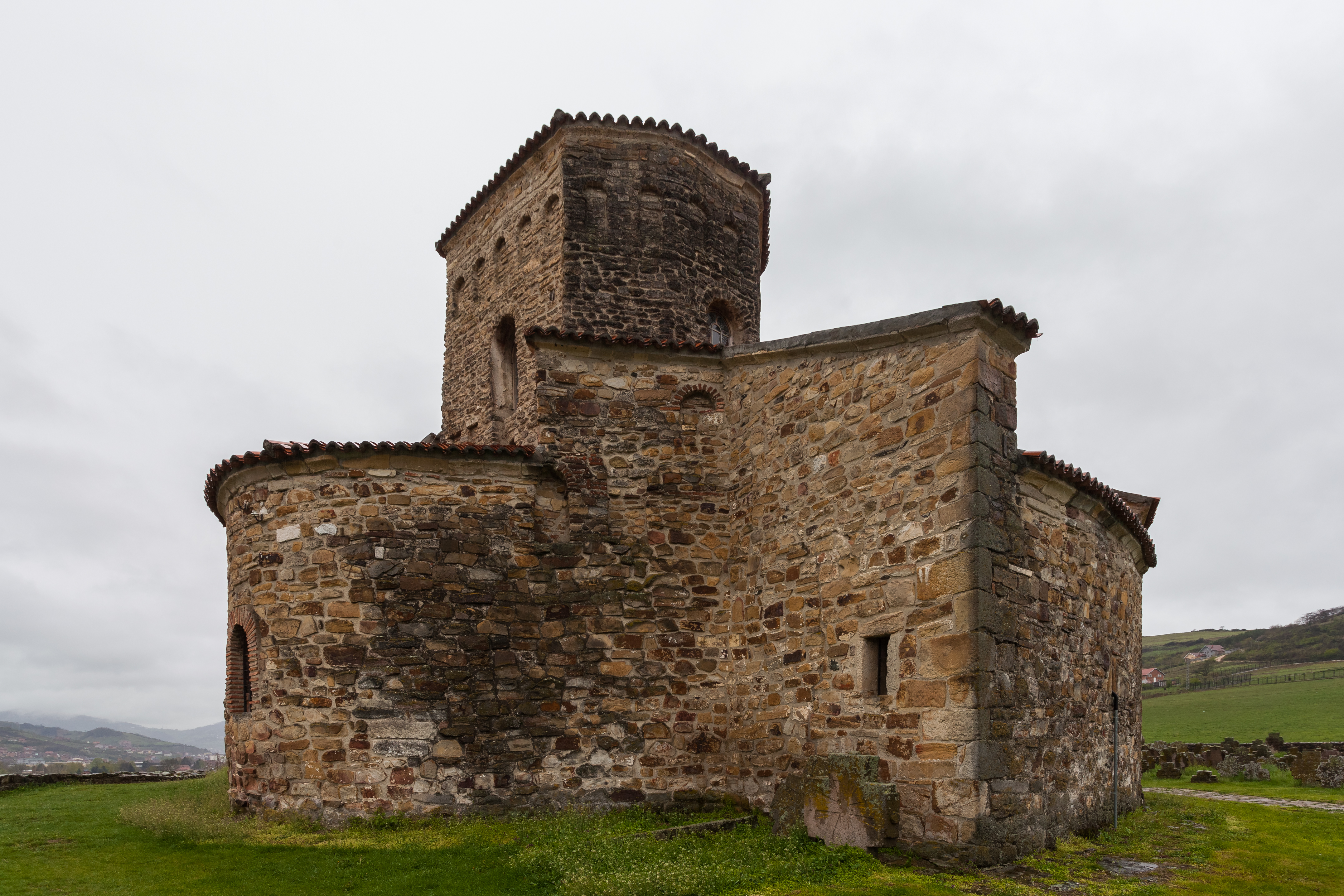
Church of the Holy Apostles Peter and Paul, Ras
Oldest intact church in Serbia, Ras site
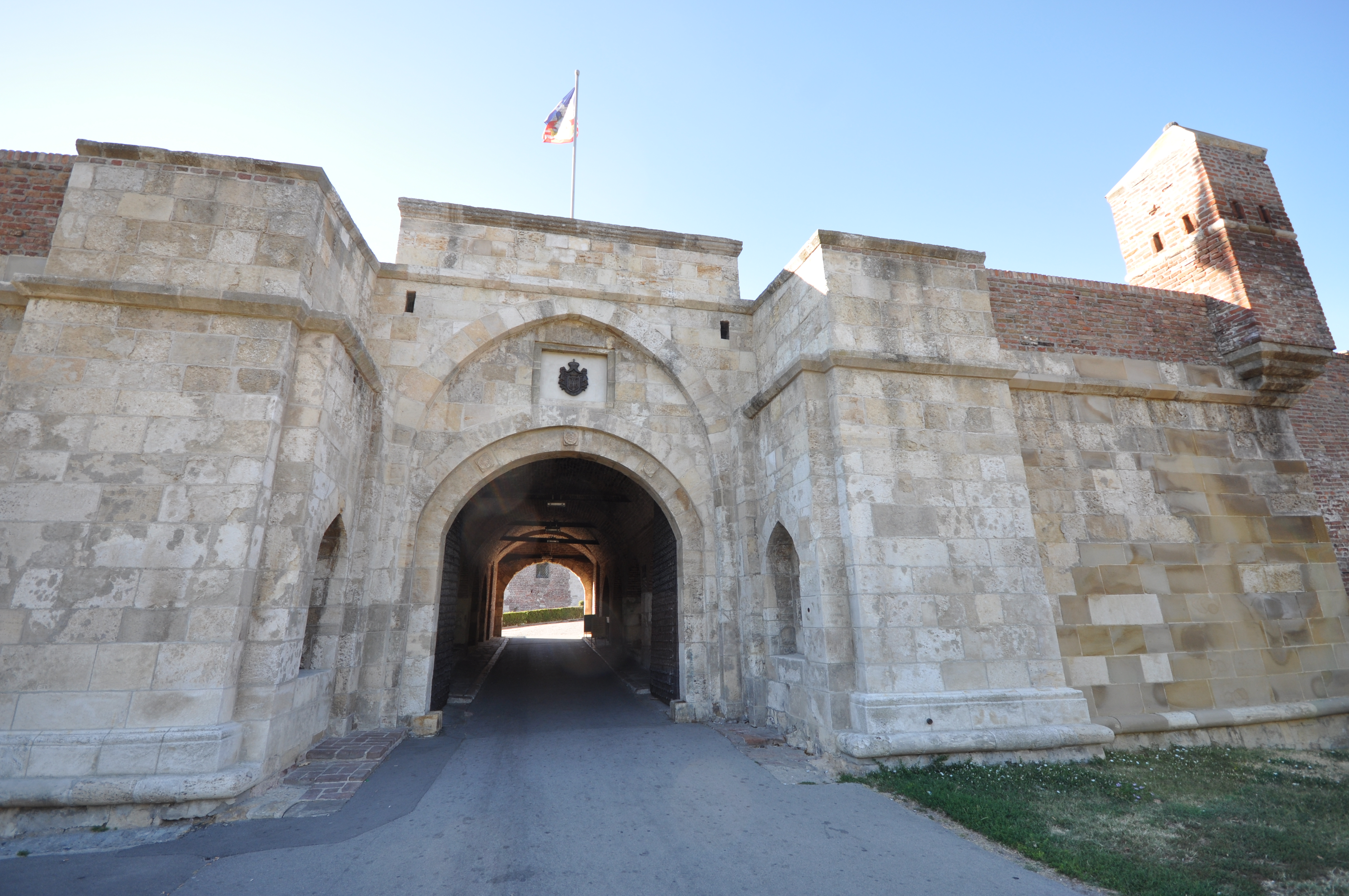
Belgrade Fortress
Historical fortress overlooking Sava and Danube
Velika humka
Settlement site near Pilatovići, Serbia.
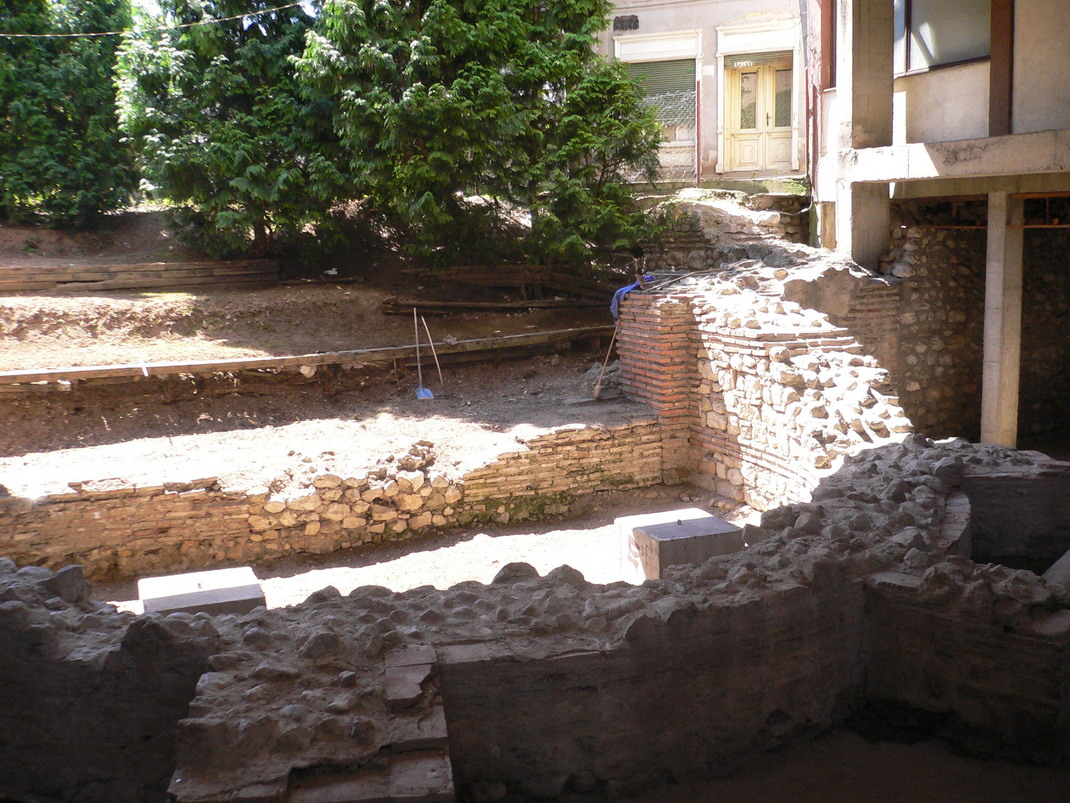
Remesiana
Ancient Roman city with ecclesiastical significance.
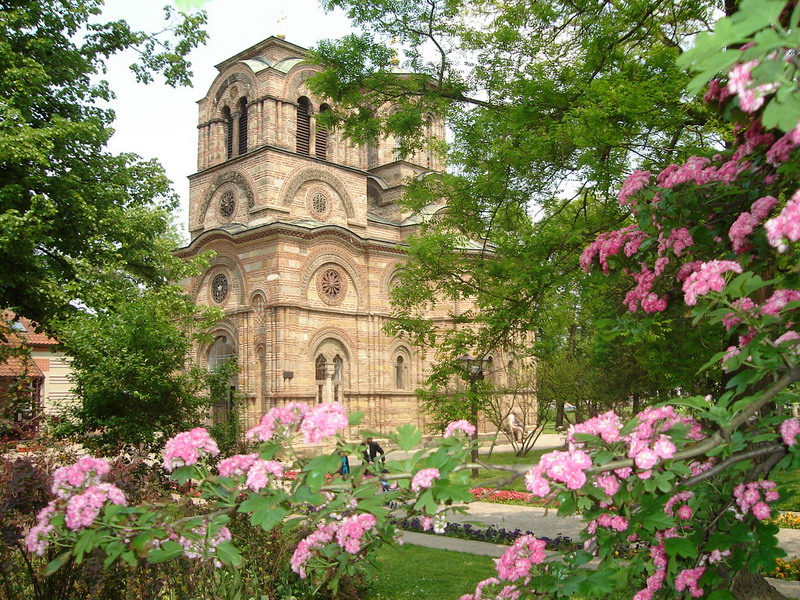
Lazarica Church
Trefoil Serbian Orthodox church with dome.
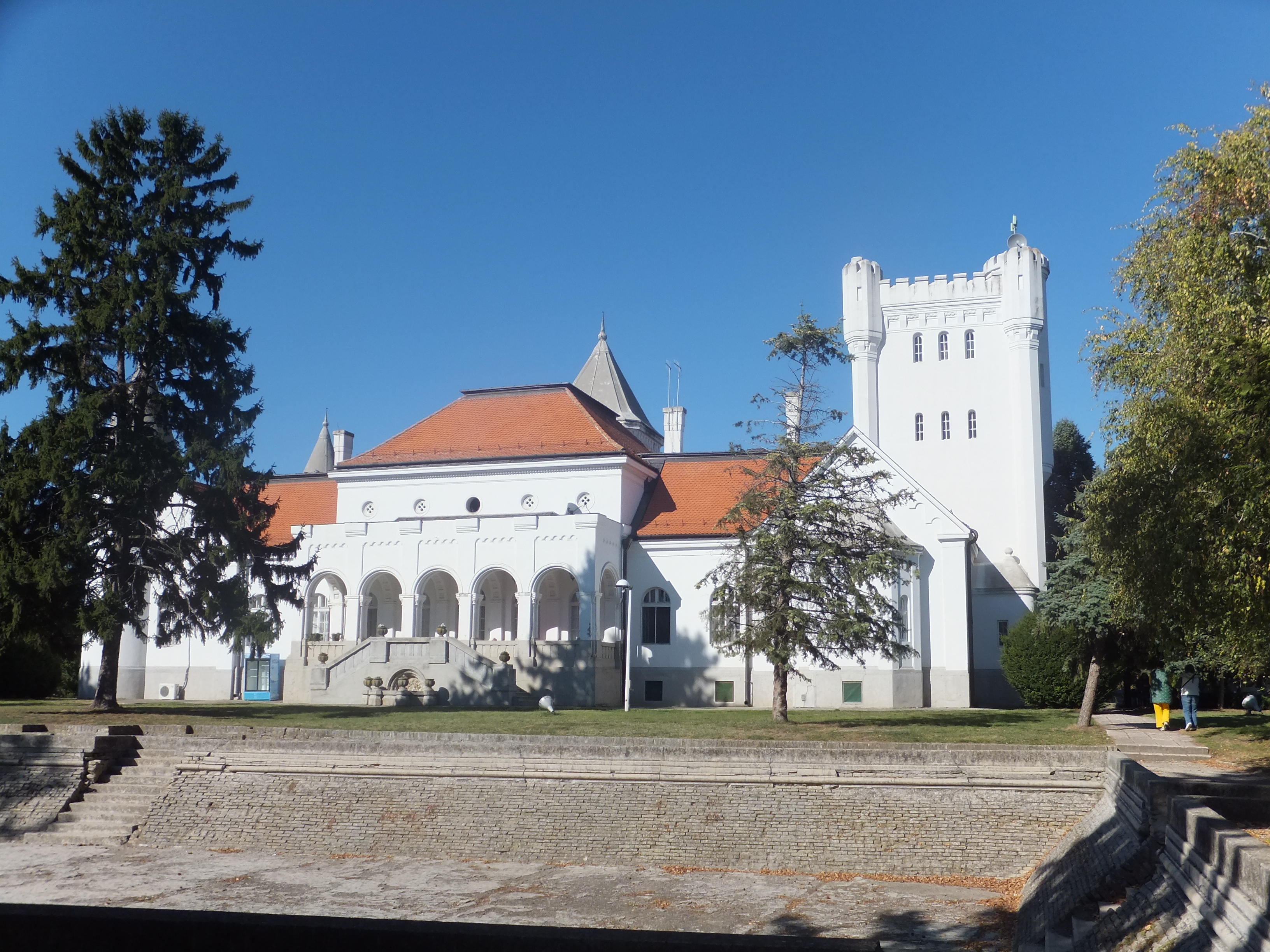
Trojanov Grad
Fortress remains on Cer Mountain, Serbia.