Time Periods
Paleolithic
Mesolithic
Neolithic
Chalcolithic
Bronze Age
Iron Age
Classical Period
Post-Classical Period
Early Modern Period
Industrial Period
Contemporary Period
Time Periods
Paleolithic
Mesolithic
Neolithic
Chalcolithic
Bronze Age
Iron Age
Classical Period
Post-Classical Period
Early Modern Period
Industrial Period
Contemporary Period
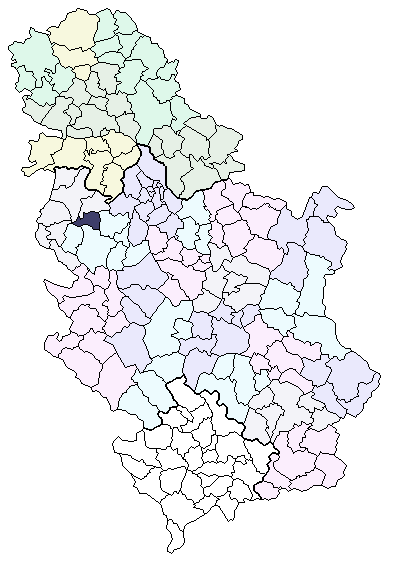
Location
About
Svileuva, located in the Mačva District of Serbia, is an important archaeological site that dates back to the Roman imperial period. The site was first mentioned in Roman sources during the 1st to 4th centuries CE and is known for the discovery of 21,000 Roman coins after World War II, indicating its historical significance and economic activity during Roman times. The area was also notable during the Serbian Uprisings, where Serbian forces successfully defeated an Ottoman faction, highlighting its strategic importance in the 19th century. The site offers insights into both the Roman influence in the region and its role in later historical events.
Gallery
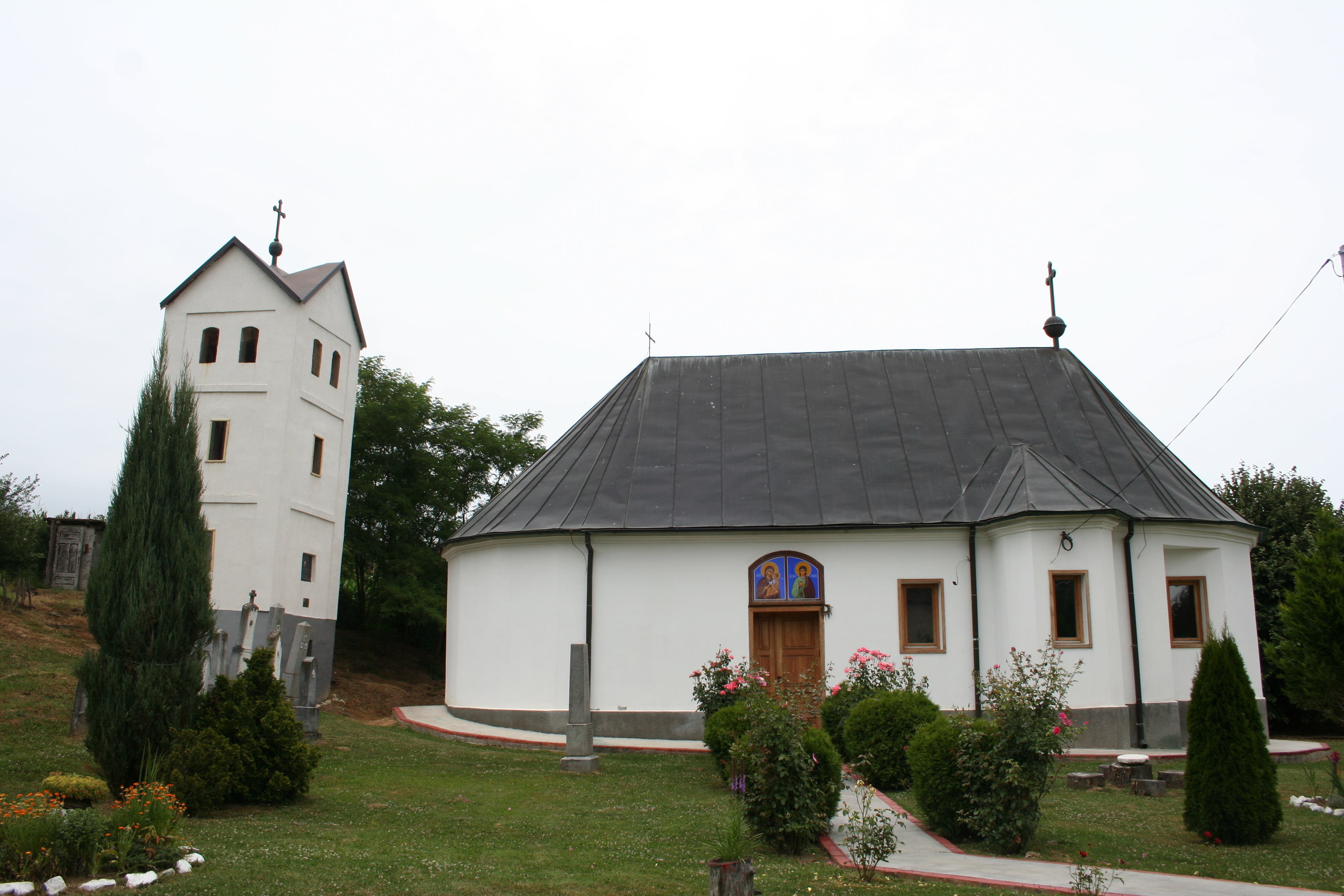
Explore photographs of ancient structures, artifacts, and archaeological excavations at Svileuva
Archaeological Features
Explore the unique architectural and cultural elements found at this historical site
Miscellaneous Features
Domestic and Habitation Structures
Historical Timeline
Journey through time and discover key events in this site's archaeological history
Plan Your Visit
Details
- Country
- Serbia
- Source
- Wikipedia
More Sites in Serbia
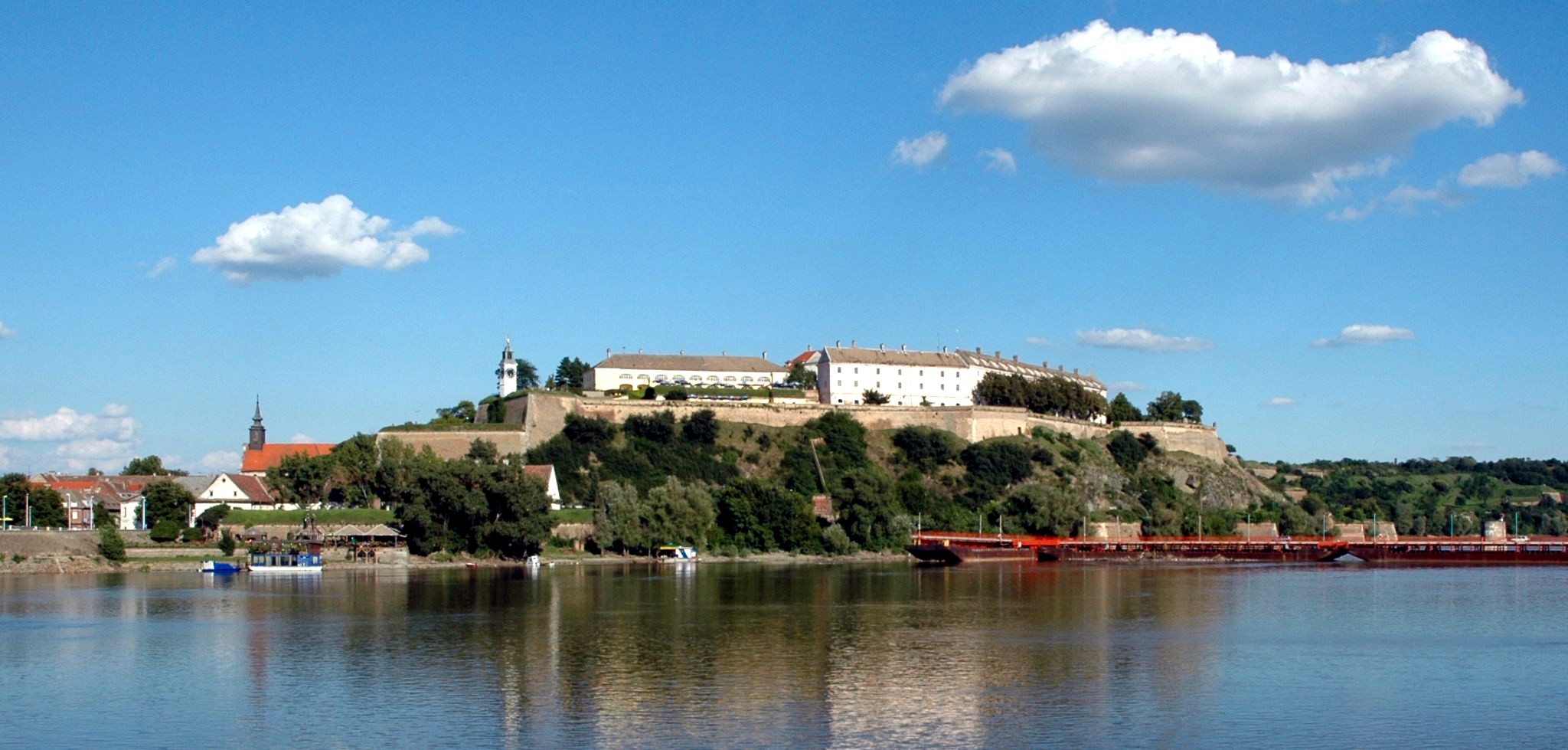
Petrovaradin Fortress
Fortress with extensive underground corridors
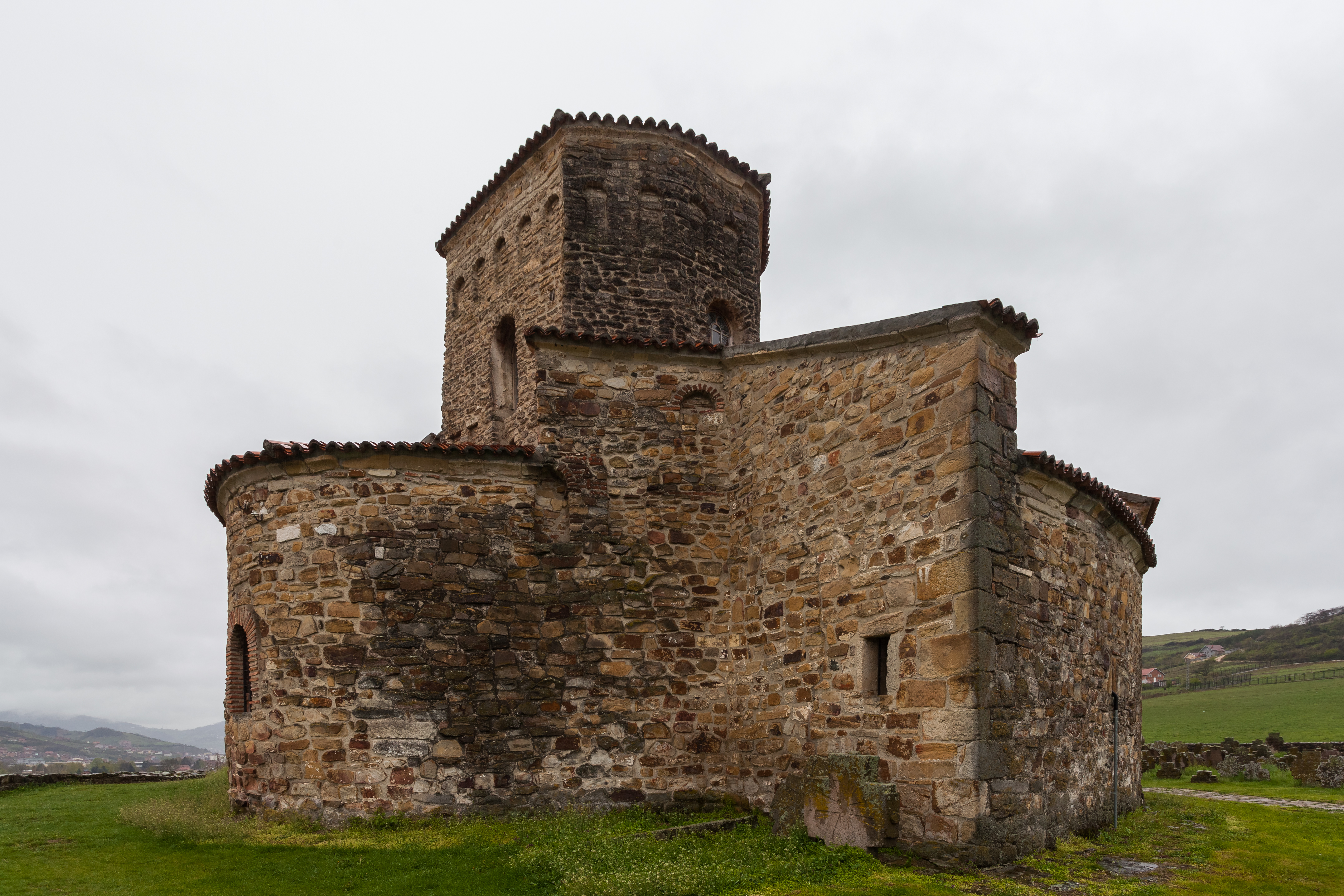
Church of the Holy Apostles Peter and Paul, Ras
Oldest intact church in Serbia, Ras site
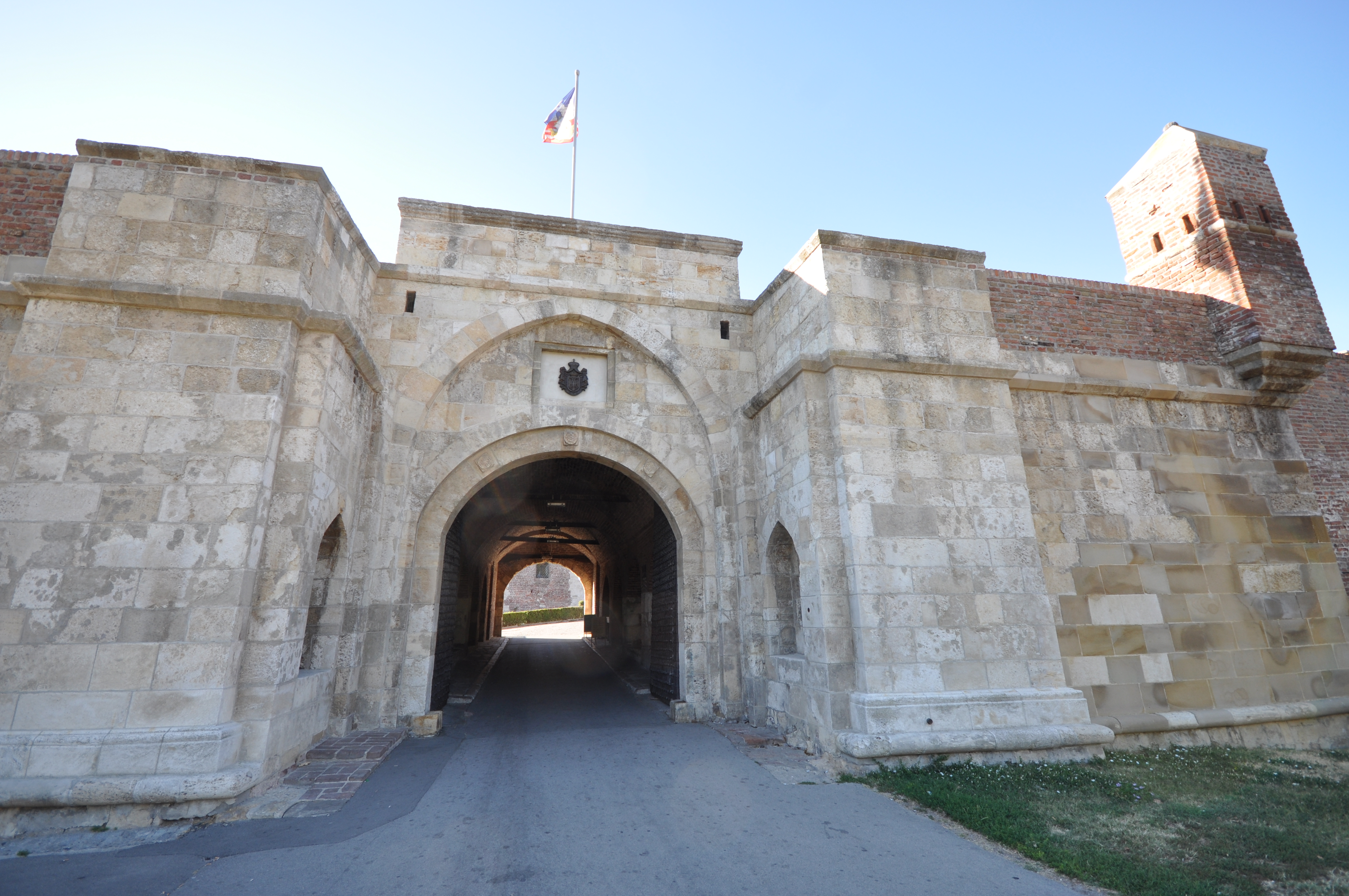
Belgrade Fortress
Historical fortress overlooking Sava and Danube
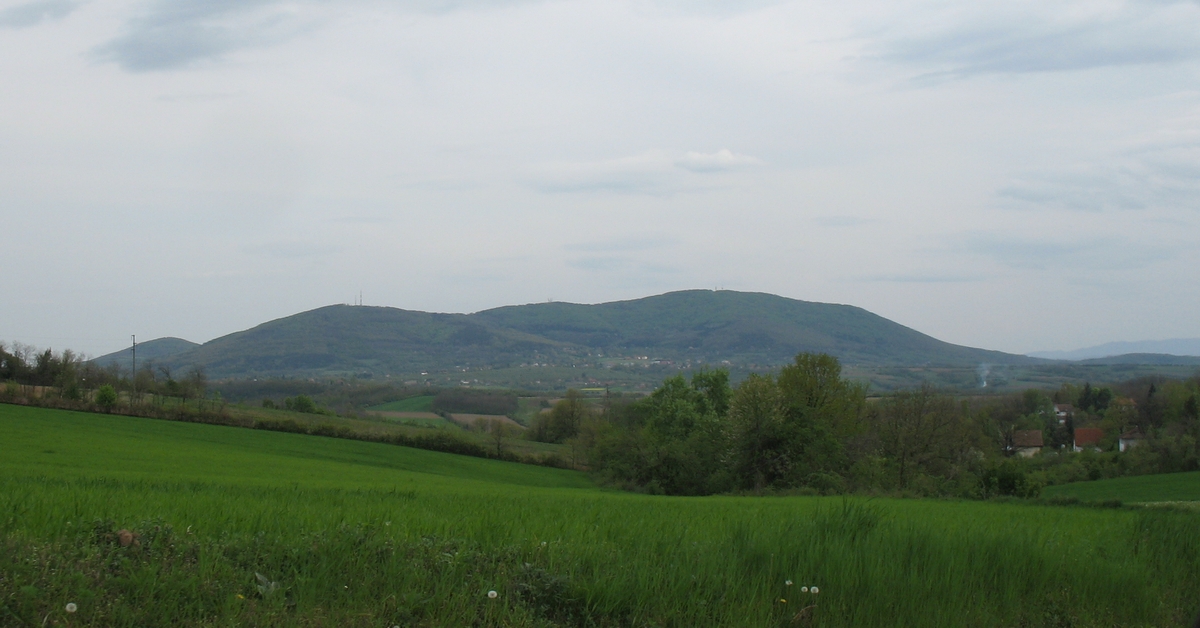
Kosmaj
Mountain with rich historical mining activity.
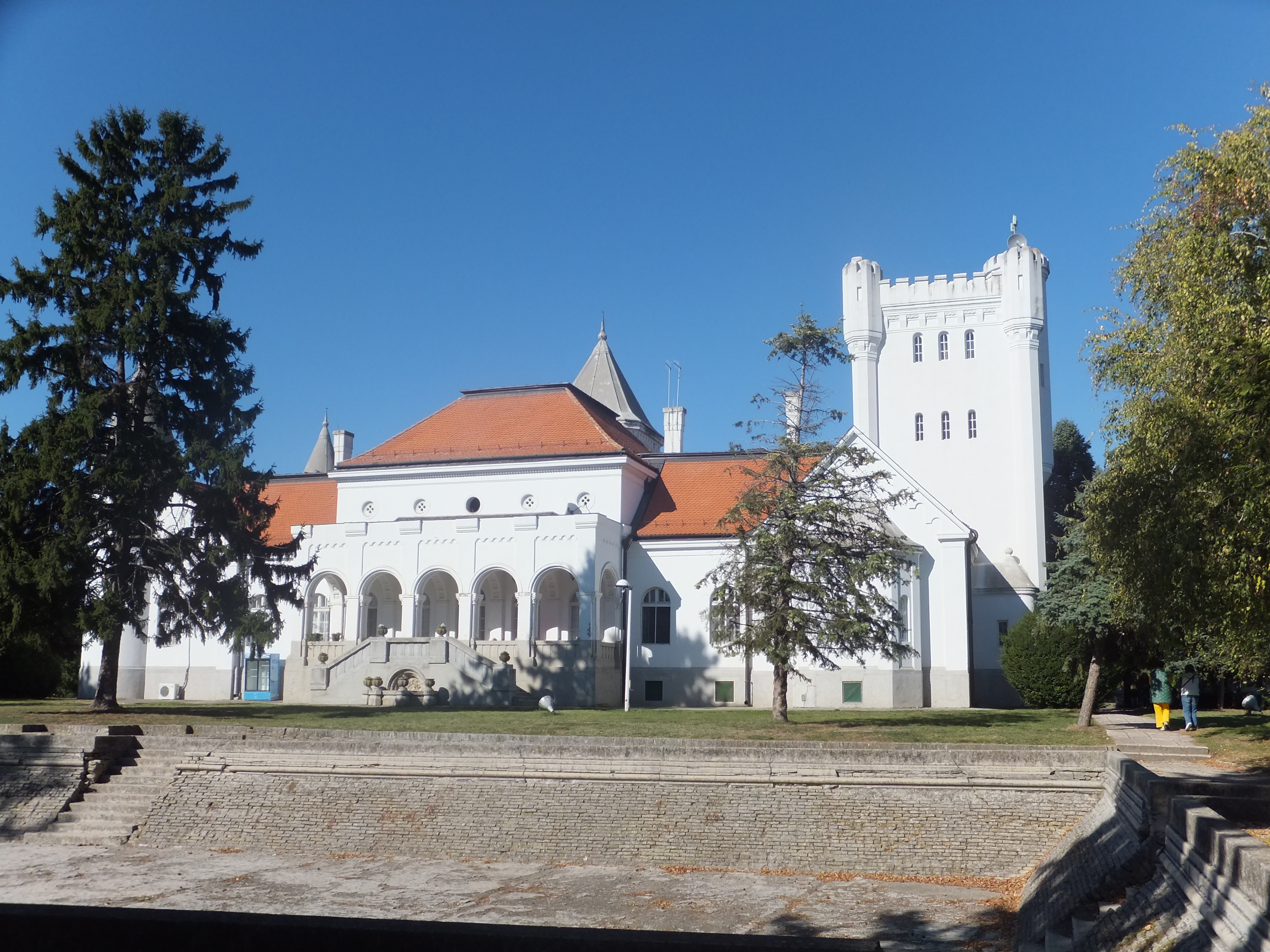
Trojanov Grad
Fortress remains on Cer Mountain, Serbia.
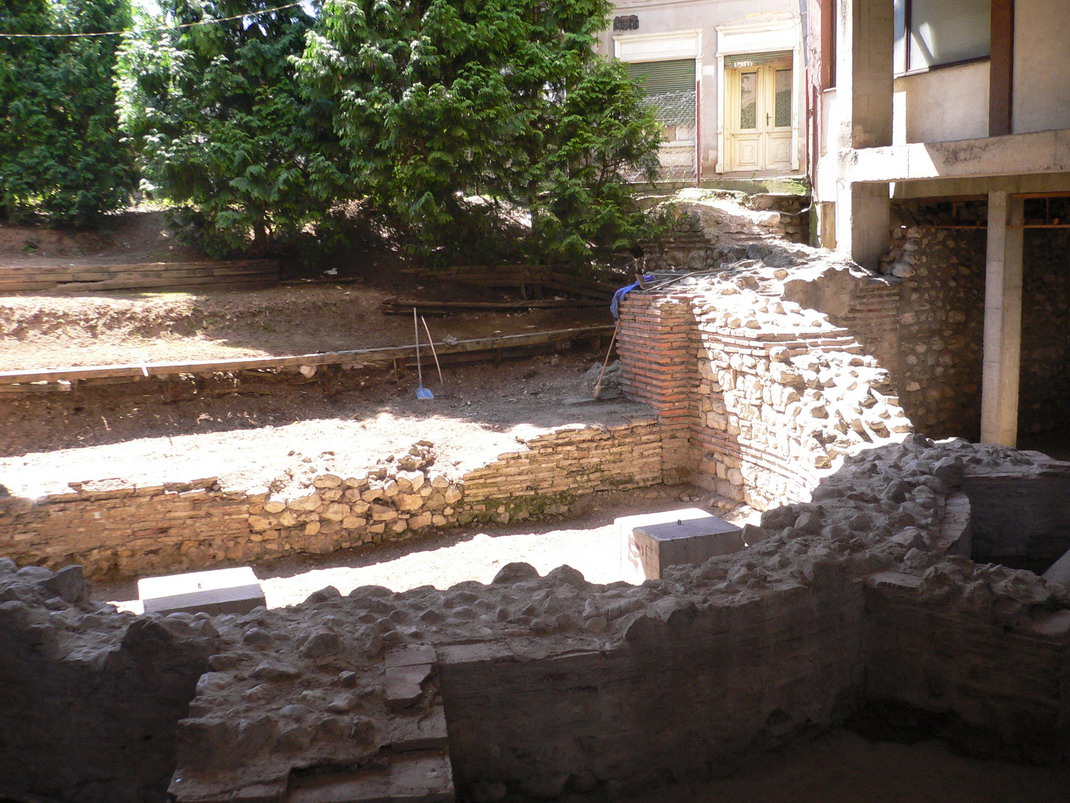
Remesiana
Ancient Roman city with ecclesiastical significance.