
Explore the Map
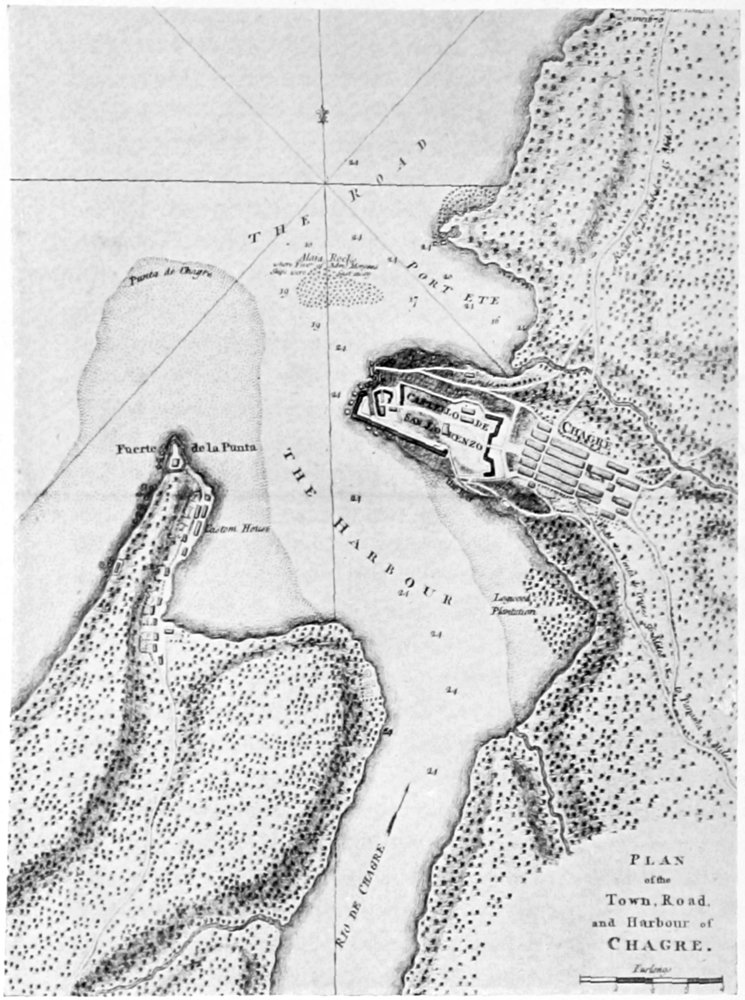
Chagres and Fort San Lorenzo
9.3222° N, -80.0028° E
About
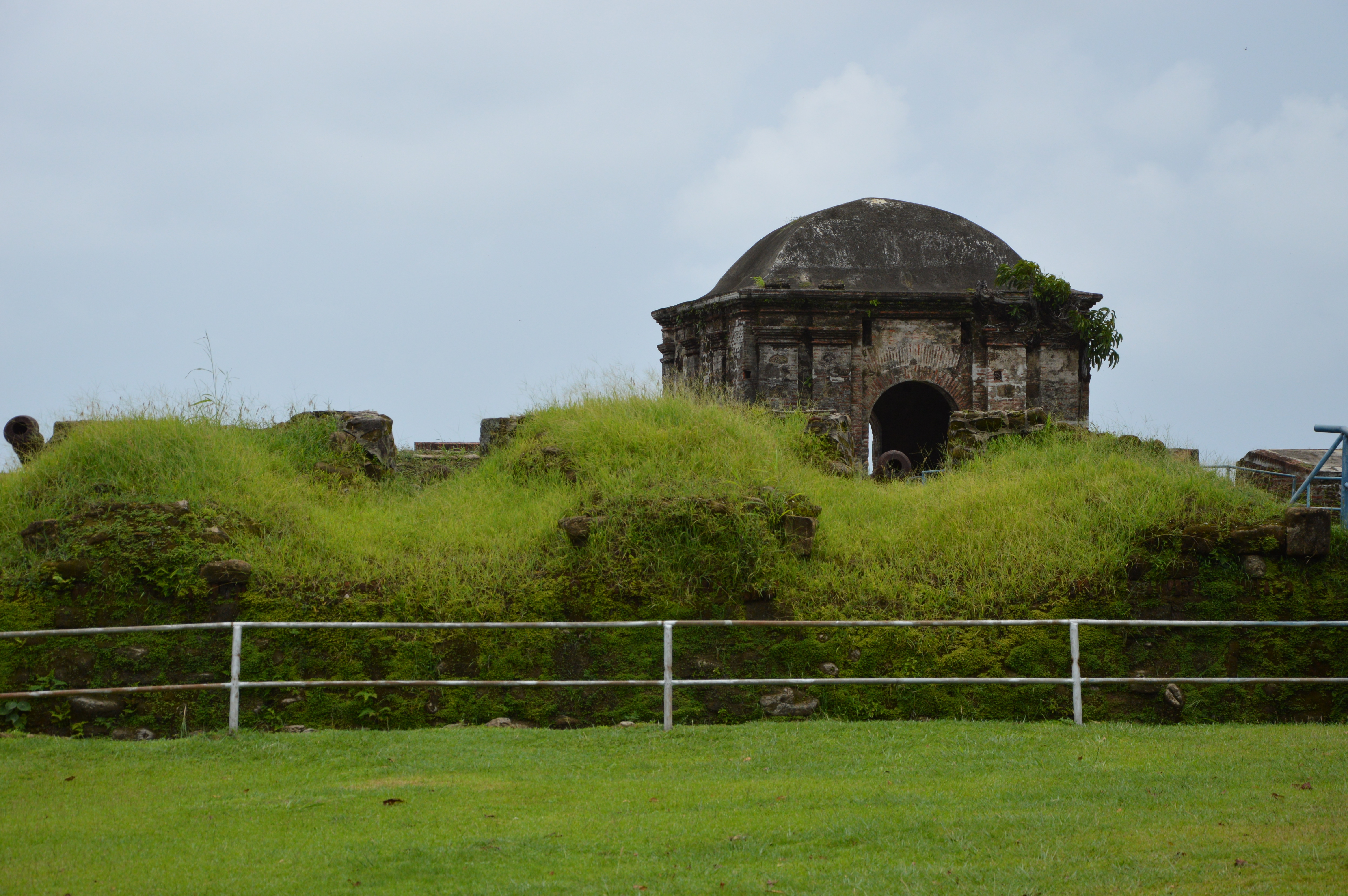
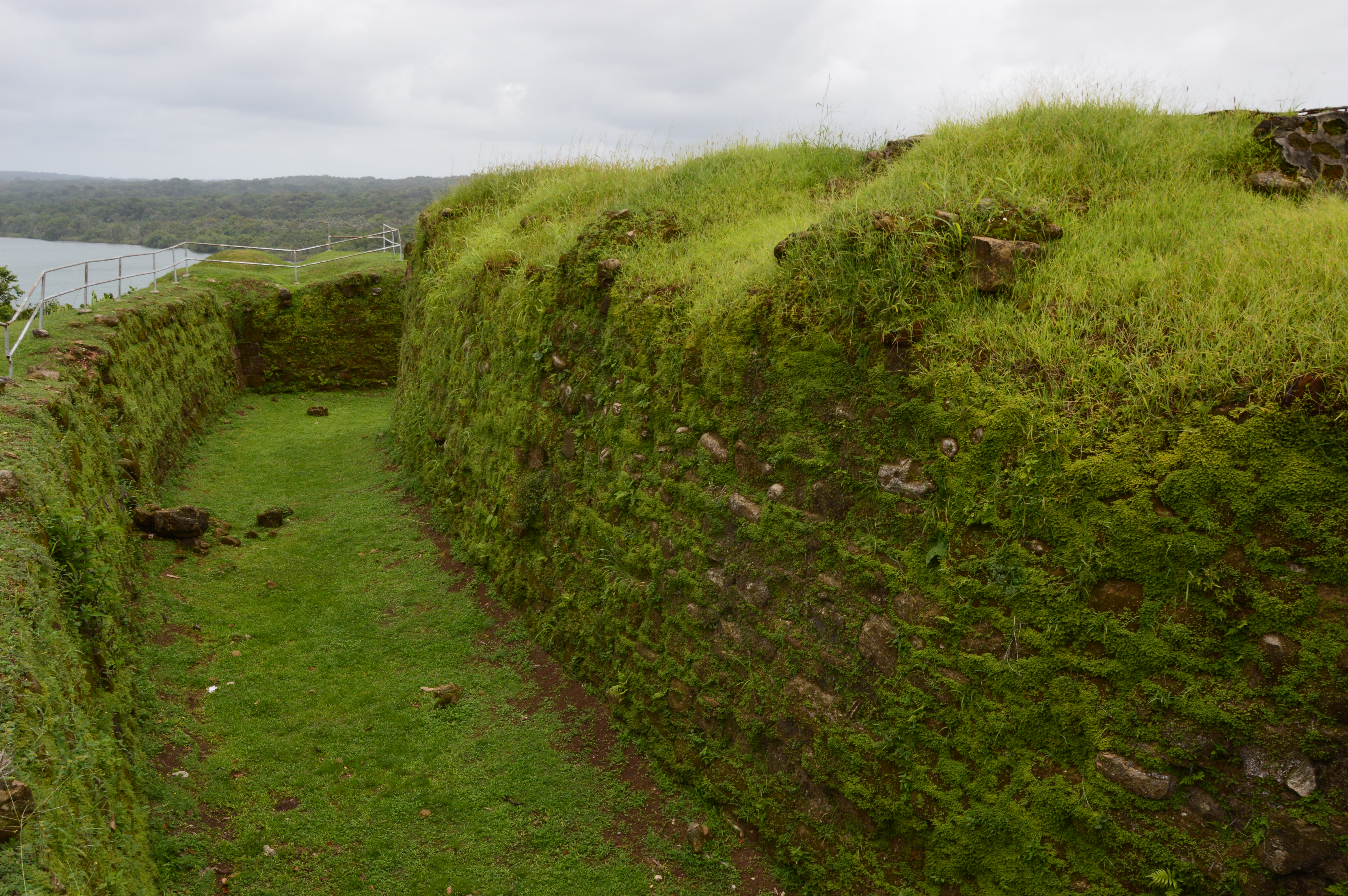
The site of Chagres and Fort San Lorenzo, located on the Caribbean coast of Panama, is a historically significant archaeological site. Initially discovered by Christopher Columbus in 1502, the area became pivotal in the Spanish colonial gold trade. Fort San Lorenzo was constructed at the mouth of the Chagres River beginning in 1598 to protect the trans-isthmian trade routes. Despite being attacked and rebuilt over centuries, the site played a crucial role during the 17th and 18th centuries as a strategic defensive structure. The site saw a brief resurgence during the California Gold Rush before being overshadowed by the Panama Railway. Today, the ruins are part of the San Lorenzo Protected Area and are recognized as a UNESCO World Heritage Site, showcasing the remnants of colonial military architecture and its impact on global maritime trade.
Gallery
Explore photographs of ancient structures, artifacts, and archaeological excavations
Historical Timeline
Journey through time and discover key events in this site's history
Chagres surpasses Portobelo
Mid-18th century CE
Chagres River discovery
1502 CE
Gold route establishment
1534 CE
Fort San Lorenzo construction
1598 CE
Henry Morgan attack
1670 CE
New fort construction
1680s CE
Edward Vernon attack
1739 CE
Gold rush revival
1848 CE
Panama Railway completion
1855 CE
Canal Zone expansion
1916 CE
Archaeological Features
Unique architectural and cultural elements found at this historical site
Defensive Structures
Water Management Features
Domestic and Habitation Structures
Transportation and Communication Structures
Frequently Asked Questions
Plan Your Visit
Tours, travel arrangements, and practical information
More Sites in Panama
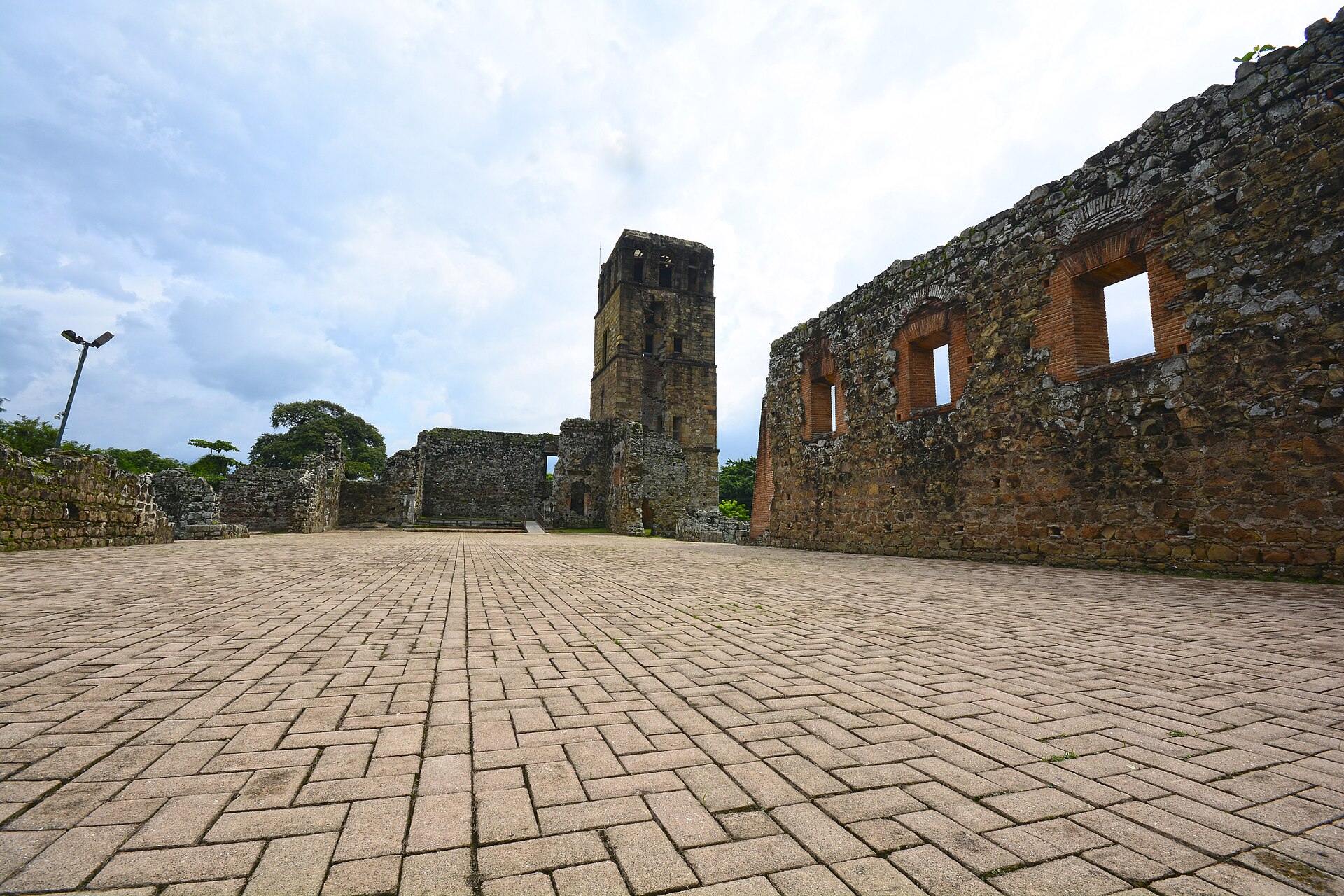
Panamá Viejo
The 1519 ruins of the first European city on the Pacific, a former global treasure hub destroyed by pirates and now a significant UNESCO World Heritage site.
Monagrillo (archaeological site)
Earliest ceramics and maize in Central America
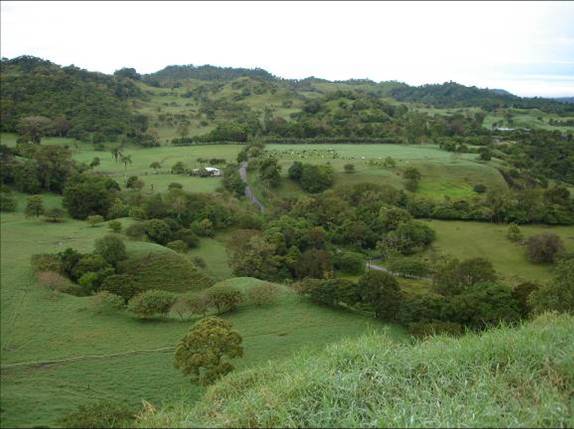
Barriles
Socioceremonial center with statues and mounds