Panamá Viejo
The 1519 ruins of the first European city on the Pacific, a former global treasure hub destroyed by pirates and now a significant UNESCO World Heritage site.
Explore the Map
Panamá Viejo
9.0056° N, -79.4858° E
About
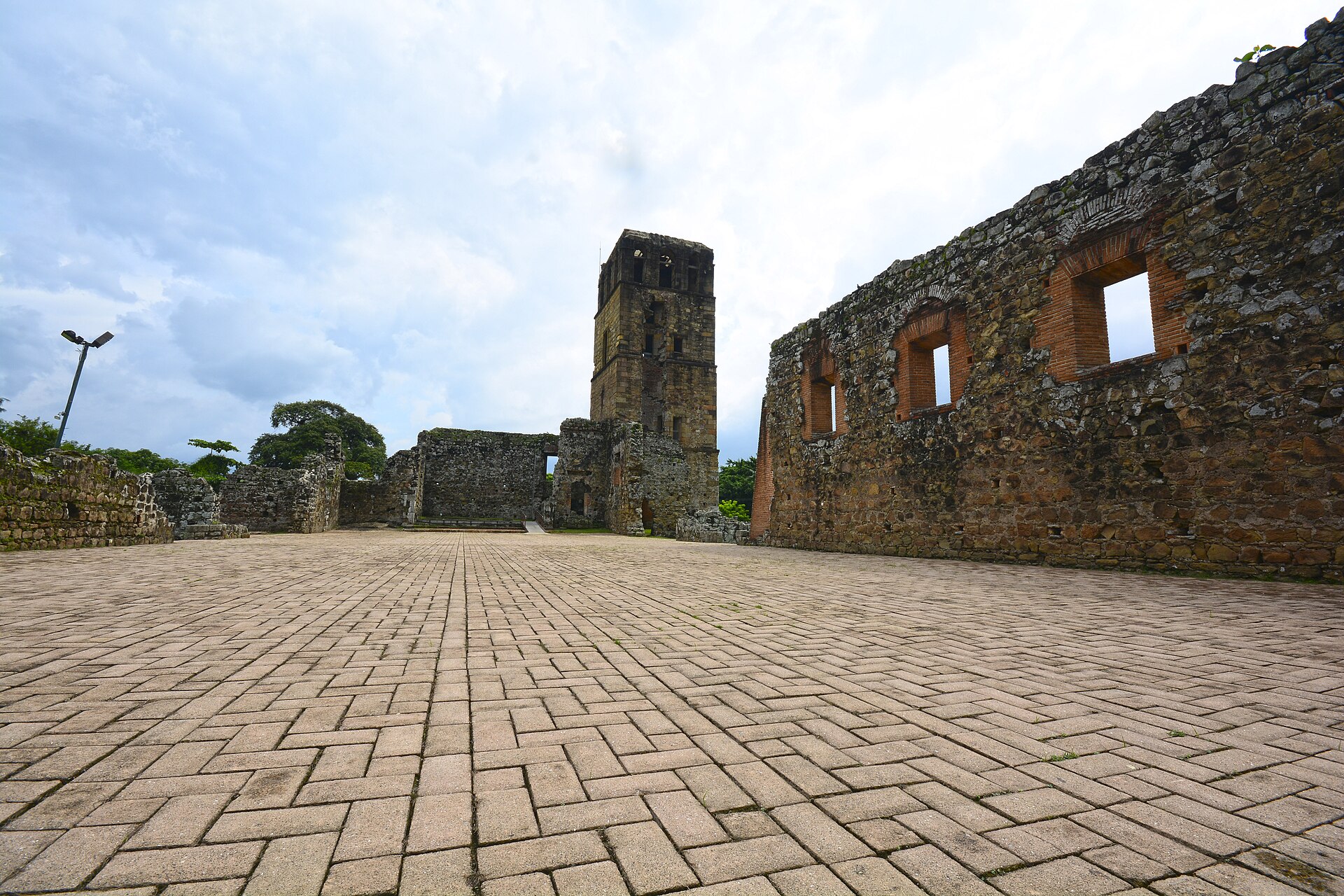
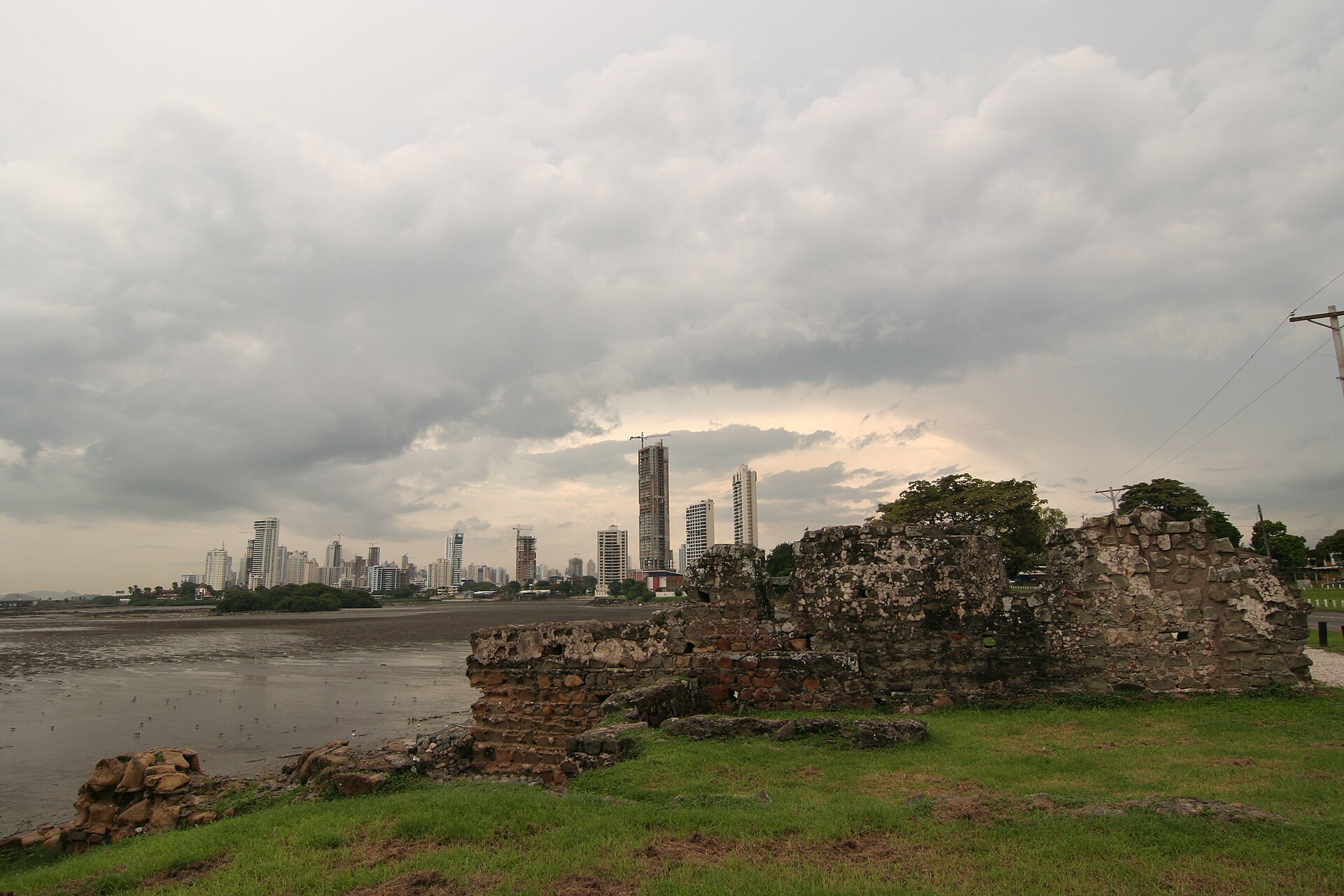
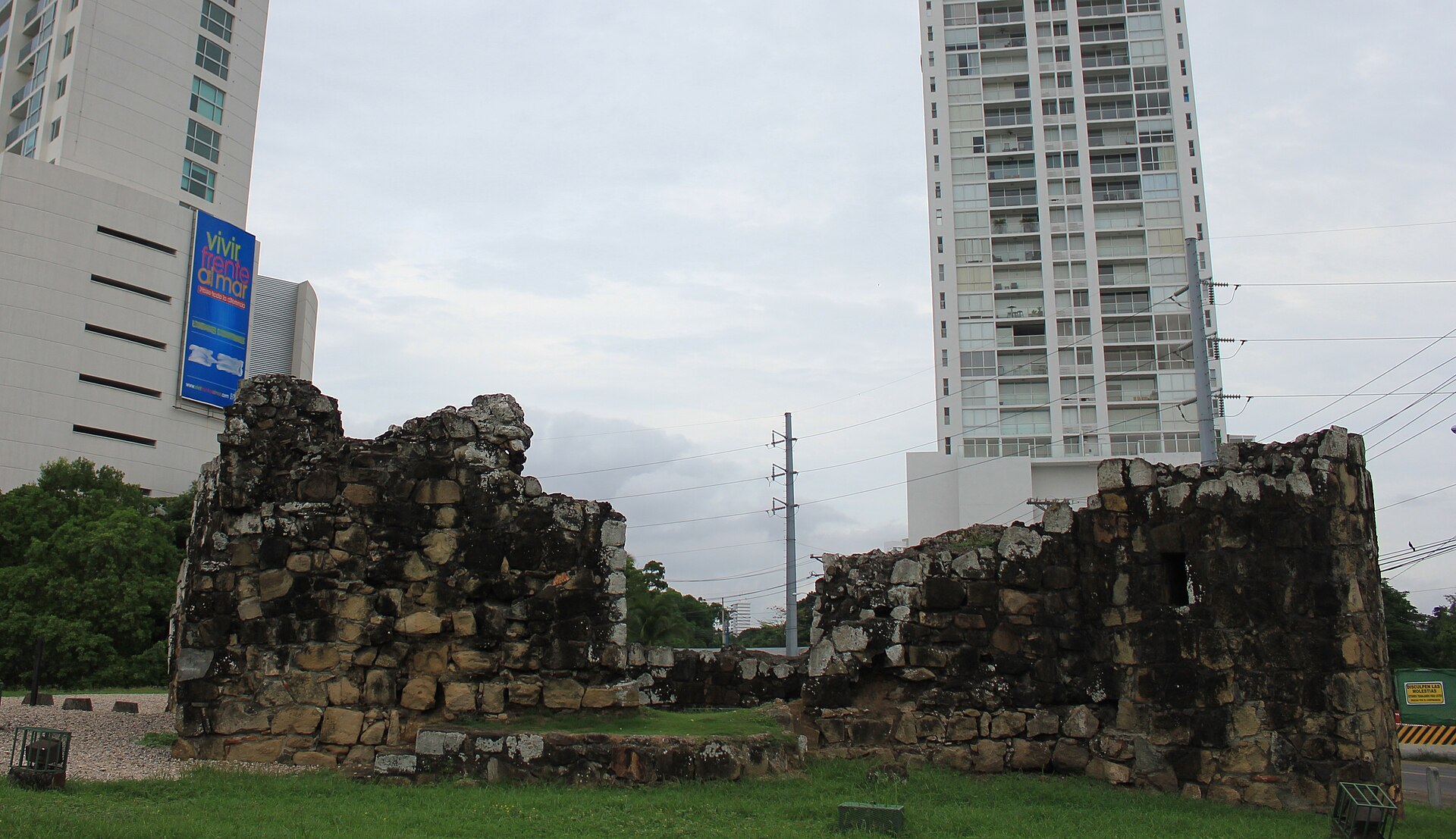
Panamá Viejo consists of the archaeological remains of the original Panama City, situated on the Pacific coast of the Republic of Panama. Established on August 15, 1519, by the Spanish administrator Pedro Arias Dávila, it was the first permanent European settlement on the Pacific shores of the Americas. The site served as a vital strategic hub for the Spanish Empire for 152 years, acting as the primary gateway for the conquest of South America and the transit of wealth from the Inca Empire toward Europe. Before the Spanish arrival, the location had been inhabited for approximately 700 years by the indigenous Cueva people, whose village structures were directly overlaid by the colonial city. During its peak in the early 17th century, the city functioned as the 'Treasury of the World,' where silver and gold from the Potosí mines in Bolivia were unloaded from the Peruvian Silver Fleet. This treasure was transported across the isthmus via mule trains on the Camino Real and the Camino de Cruces to Caribbean ports for shipment to Spain. The city grew to house a population of 10,000, featuring a complex grid of stone residences, administrative offices, and numerous religious institutions. This immense wealth eventually attracted foreign aggression, leading to the city's dramatic downfall in 1671 during an invasion by the Welsh privateer Henry Morgan. Archaeological evidence at the site includes monumental ruins of stone masonry, such as the 30-meter-high bell tower of the Cathedral of Nuestra Señora de la Asunción and the expansive Convent of the Conception, which features a massive subterranean water cistern. Excavations conducted by the Patronato Panamá Viejo since 1995 have uncovered various artifacts including Spanish ceramic olive jars, coinage, and pre-Hispanic Cueva burials containing stone tools and ceramics. These finds highlight the site’s transition from an indigenous coastal settlement to a major global financial center. The destruction of the city occurred when Governor Juan Pérez de Guzmán ordered the gunpowder stores ignited to prevent Morgan's forces from seizing the city's assets, resulting in a catastrophic fire. Consequently, the Spanish abandoned the location in 1673, moving the capital to the more defensible site of Casco Viejo. In recognition of its historical and cultural significance as a crossroads of global trade, Panamá Viejo was designated a UNESCO World Heritage site in 1997, with an extension in 2003 to include the subsequent historic district.
Gallery
Explore photographs of ancient structures, artifacts, and archaeological excavations
Historical Timeline
Journey through time and discover key events in this site's history
Spanish Foundation
August 15, 1519
Pirate Attack and Destruction
January 28, 1671
Pre-Hispanic Settlement
c. 800 - 1519
Royal Recognition
1521
Expedition of Pizarro
1524
Puente del Rey Construction
1617 - 1634
Relocation to Casco Viejo
1673
UNESCO Inscription
1997
Archaeological Features
Unique architectural and cultural elements found at this historical site
Storage Structures
Defensive Structures
Water Management Features
Public and Civic Structures
Burial and Funerary Structures
Religious and Ritual Structures
Domestic and Habitation Structures
Transportation and Communication Structures
Frequently Asked Questions
Plan Your Visit
Tours, travel arrangements, and practical information