Explore the Map
Monagrillo (archaeological site)
7.9934° N, -80.4444° E
About
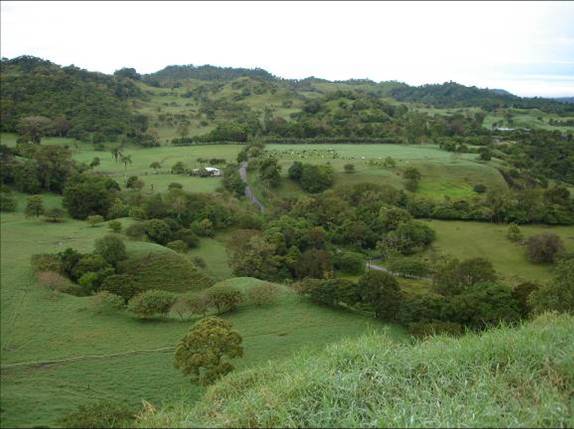
Monagrillo, located in south-central Panama near Parita Bay, is a significant archaeological site known for having the earliest ceramics in Central America, dating back to around 2500 BCE. The site spans approximately 1.4 hectares and is strategically positioned to access rich aquatic resources, vital for its inhabitants. Early occupation was influenced by tidal flooding, transitioning to a more permanent settlement as the coastline evolved. The presence of simple, monochrome ceramics and stone tools, alongside faunal and floral remains, provides insights into the subsistence strategies, emphasizing aquatic resources and possibly maize cultivation. By around 1200 BCE, the site was abandoned, likely due to environmental changes. Monagrillo remains crucial for understanding early cultural development in this region.
Historical Timeline
Journey through time and discover key events in this site's history
Initial Ceramic Use
2500 BCE
Transition to Permanent Settlement
2400 BCE
Abandonment of the Site
1200 BCE
Archaeological Features
Unique architectural and cultural elements found at this historical site
Domestic and Habitation Structures
Environmental and Natural Features
Food Production and Processing Features
Plan Your Visit
Tours, travel arrangements, and practical information