
Explore the Map
Tomb of King Muryeong
36.4606° N, 127.1128° E
About
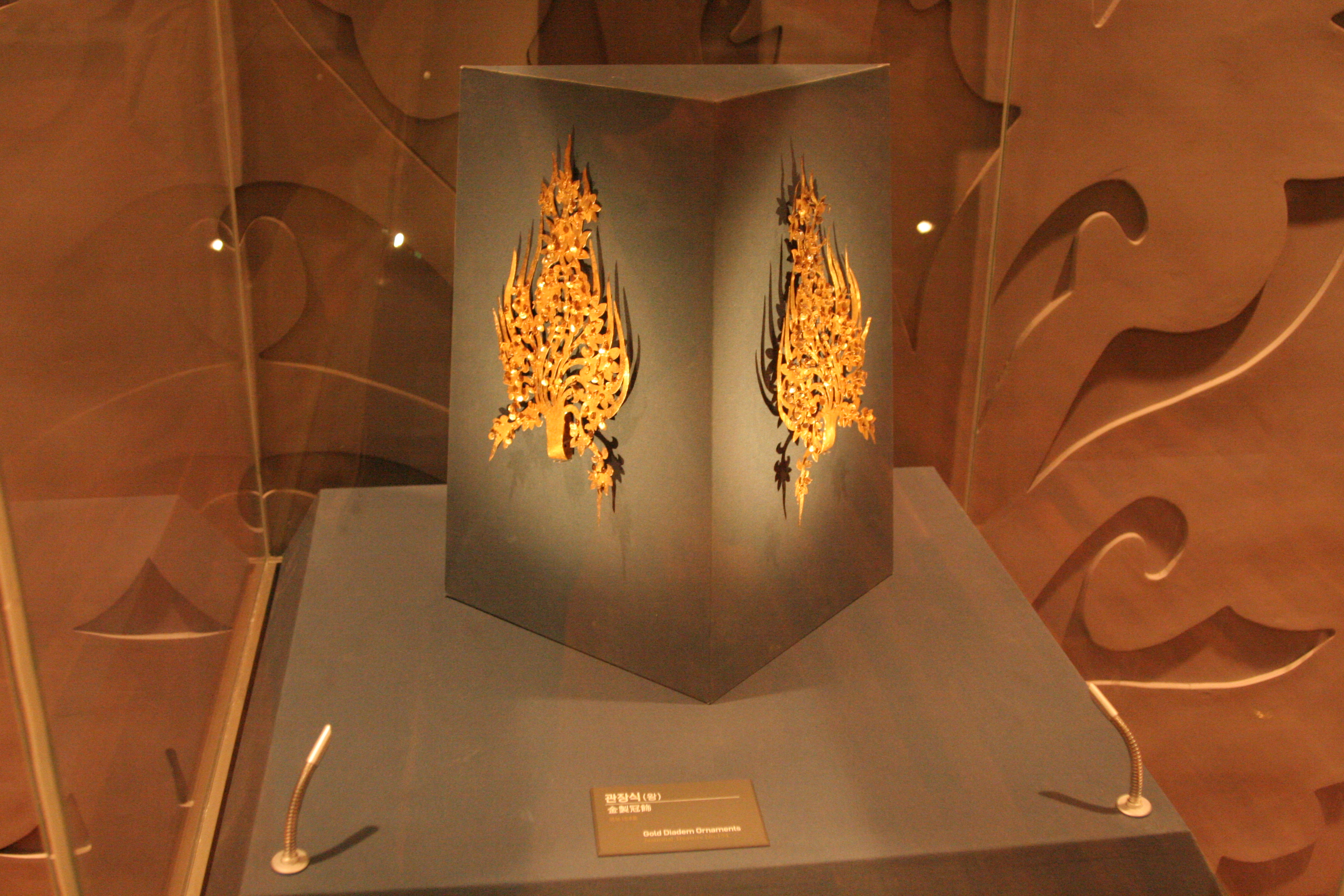
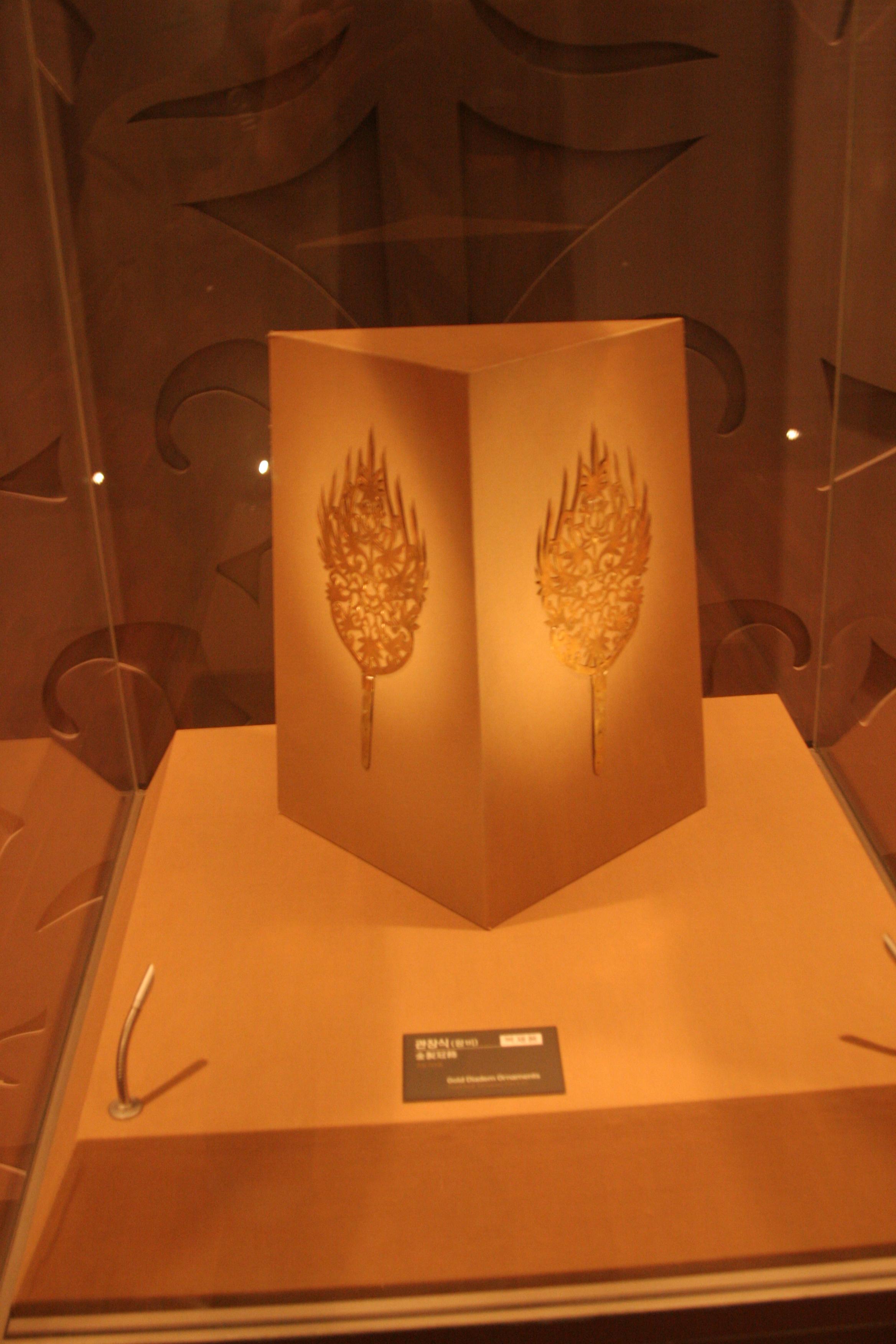
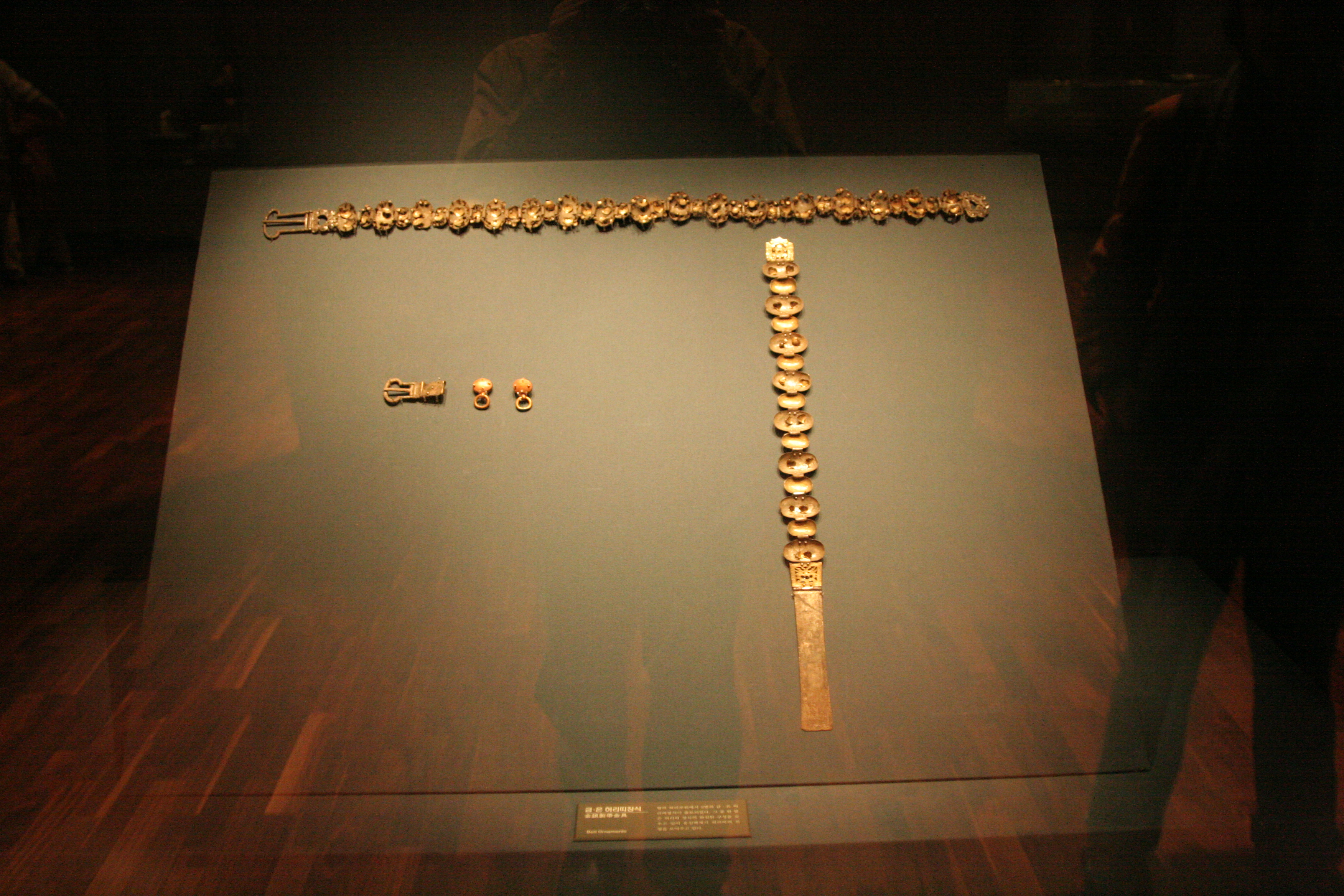
The Tomb of King Muryeong, located in Gongju, South Korea, is an archaeological marvel from the late classical and early post-classical periods. As the resting place of King Muryeong of Baekje and his queen, the tomb remains a rare example of an intact Baekje burial site. Constructed in the 6th century, it reflects a unique blend of Baekje and southern Chinese architectural influences, featuring a brick chamber with an arched roof and a sophisticated drainage system. The discovery of the tomb in 1971, untouched by grave robbers, yielded 2,906 artifacts, including diadems, a ring-pommelled sword, and epigraphs that provide precise historical dates, corroborating records from the Samguk Sagi. This site offers invaluable insights into the cultural and historical landscape of the Baekje kingdom.
Gallery
Explore photographs of ancient structures, artifacts, and archaeological excavations
Historical Timeline
Journey through time and discover key events in this site's history
King Muryeong's reign
501 CE - 523 CE
Construction of the tomb
after 501 CE
Death of King Muryeong
523 CE
Burial of King and Queen
523 CE
Archaeological Features
Unique architectural and cultural elements found at this historical site
Water Management Features
Burial and Funerary Structures
Artistic and Decorative Features
Frequently Asked Questions
Plan Your Visit
Tours, travel arrangements, and practical information
More Sites in South Korea
Gyeongju Historic Areas
Extensive ruins of Silla Kingdom structures.
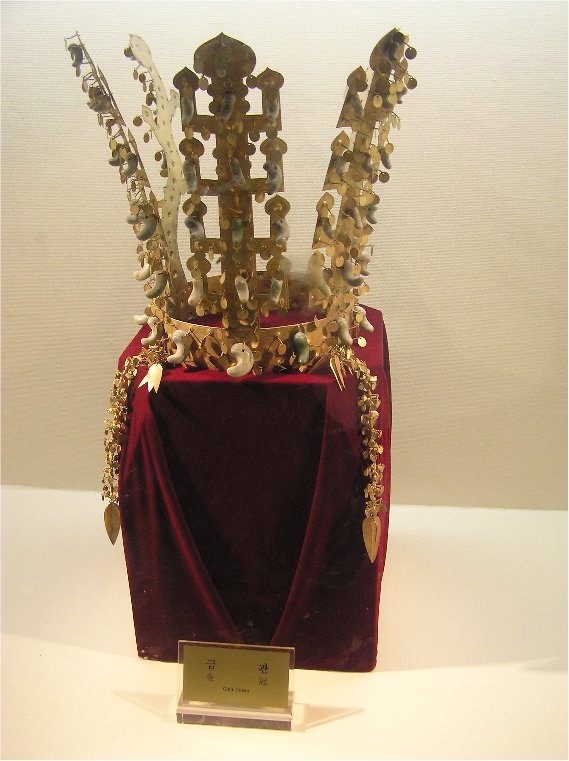
Cheonmachong
Silla tomb with royal artifacts and painting
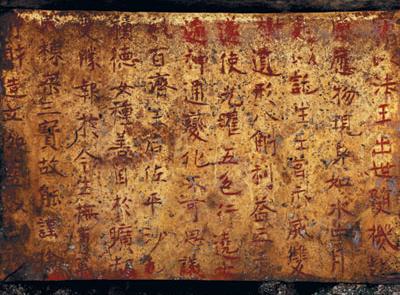
Mireuksa
Largest ancient Baekje Buddhist temple complex
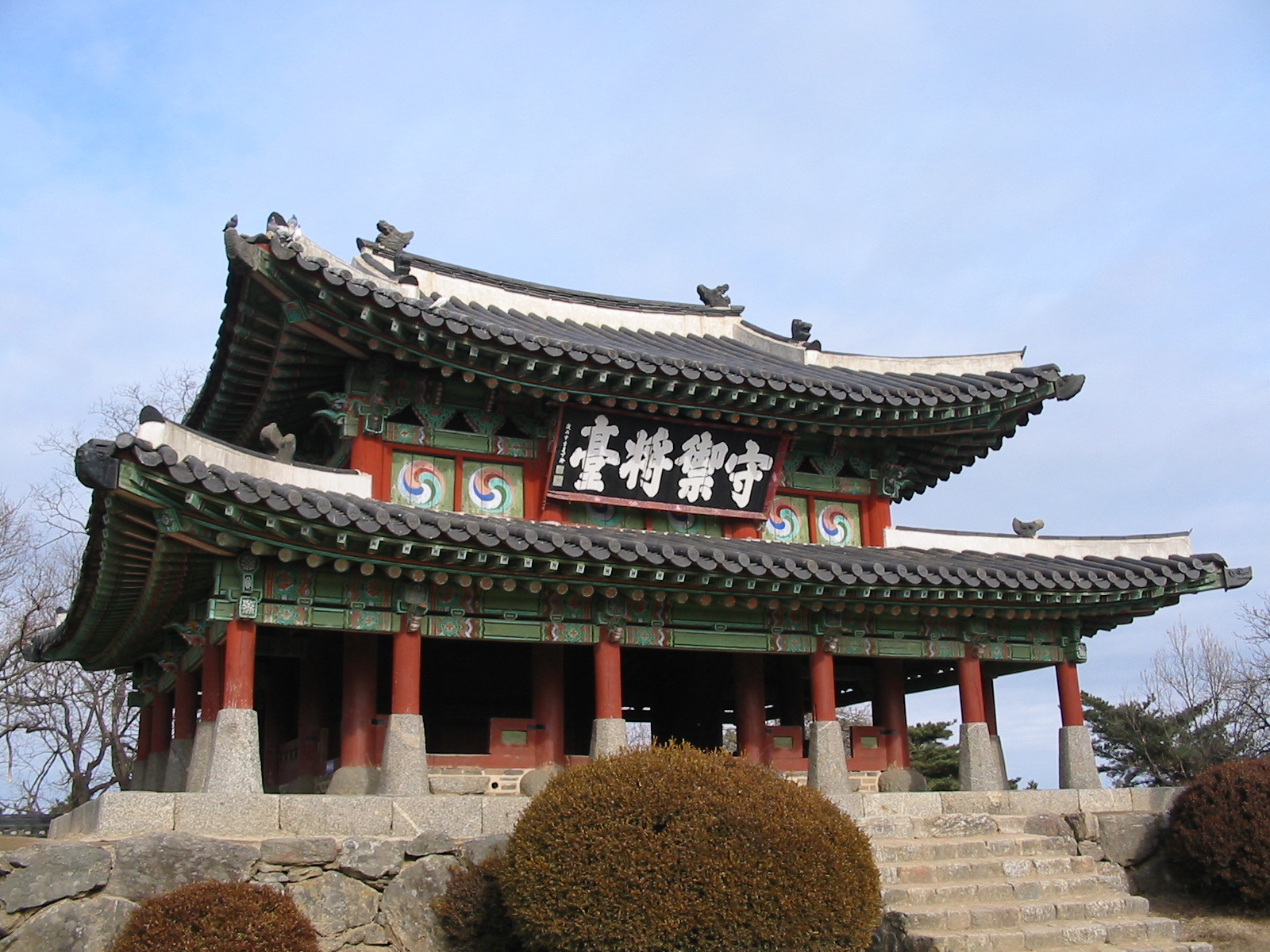
Achasanseong
Earthen mountain fortress from Three Kingdoms period
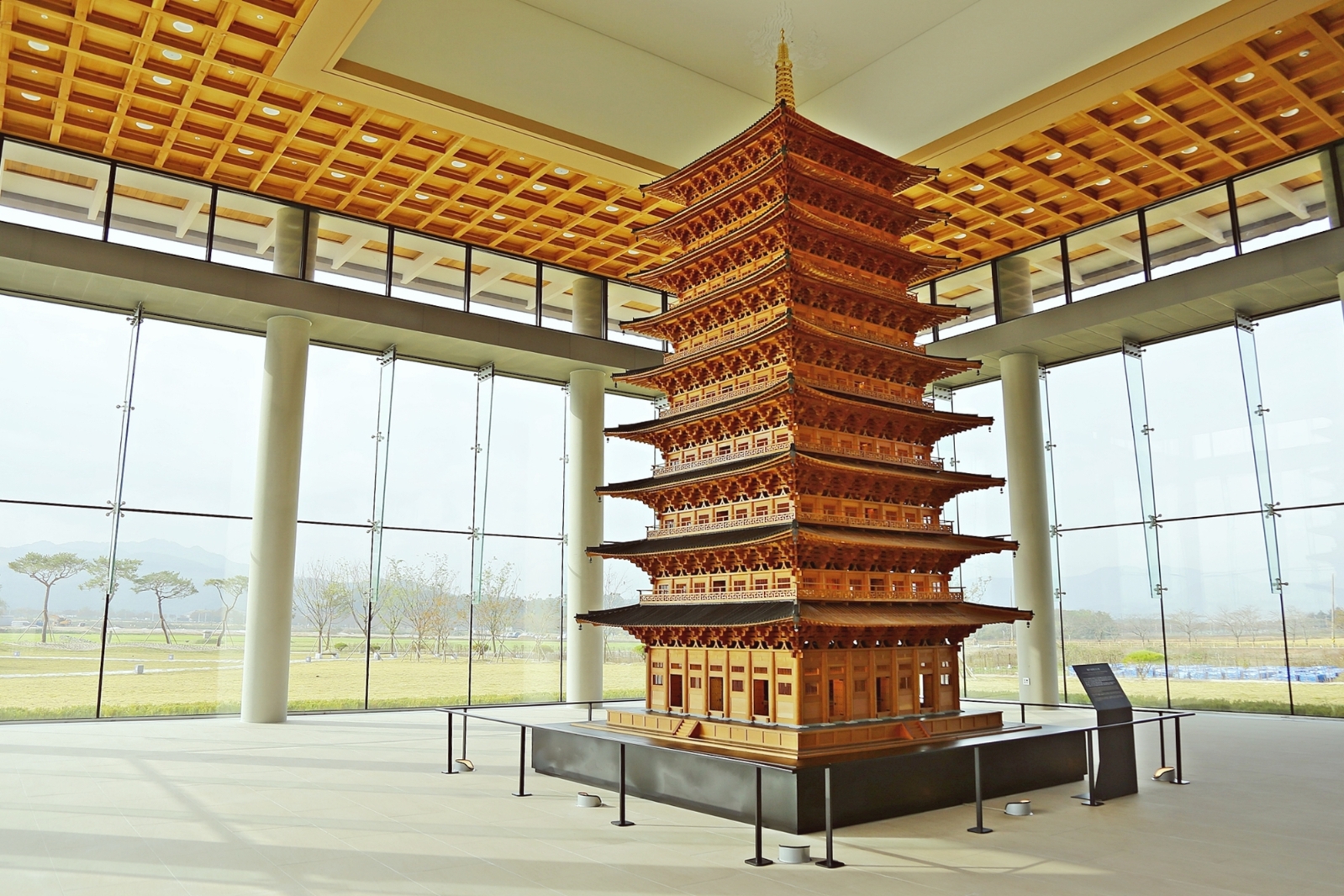
Hwangnyongsa
7th-century wooden Buddhist temple, Gyeongju.
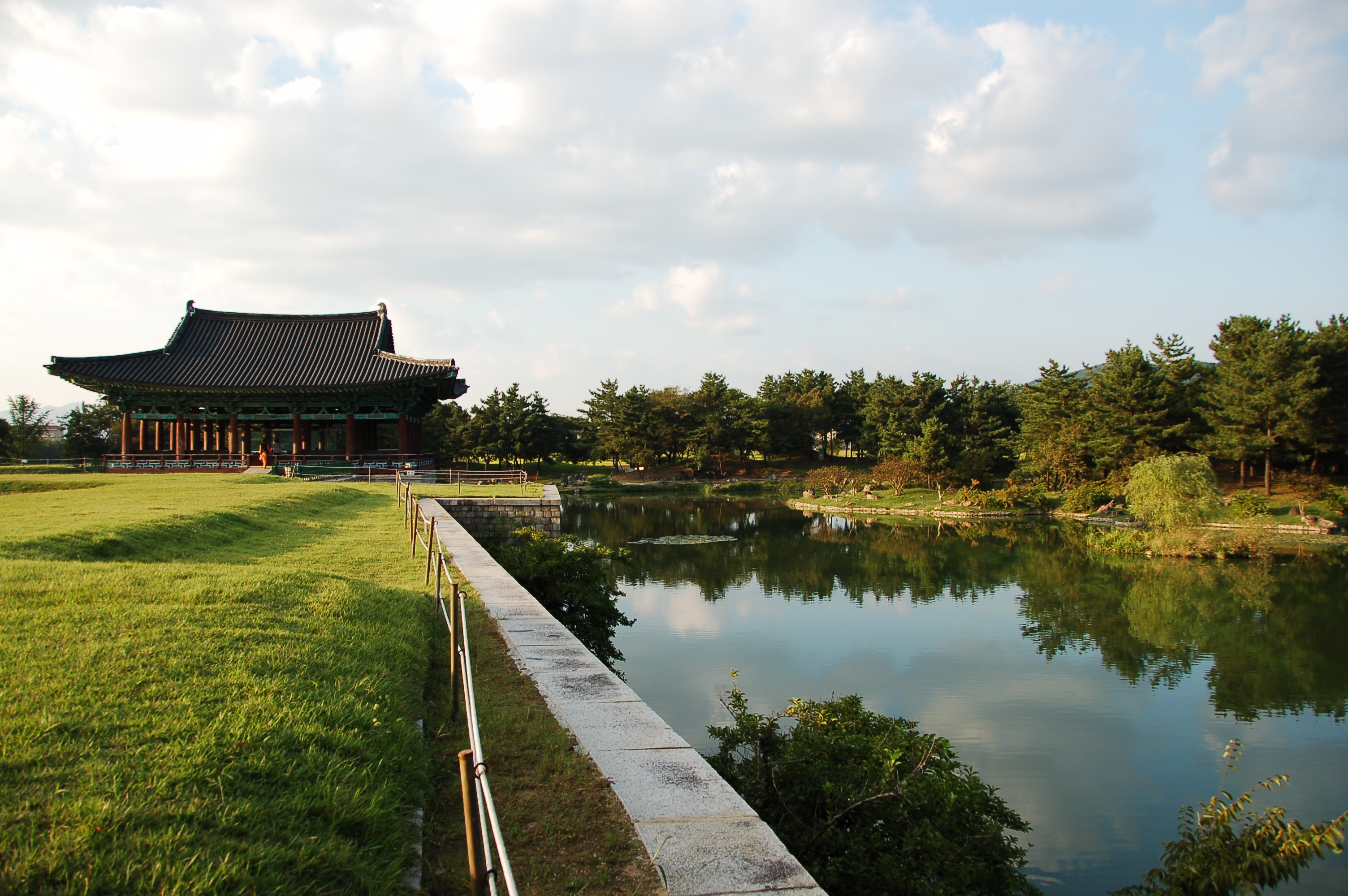
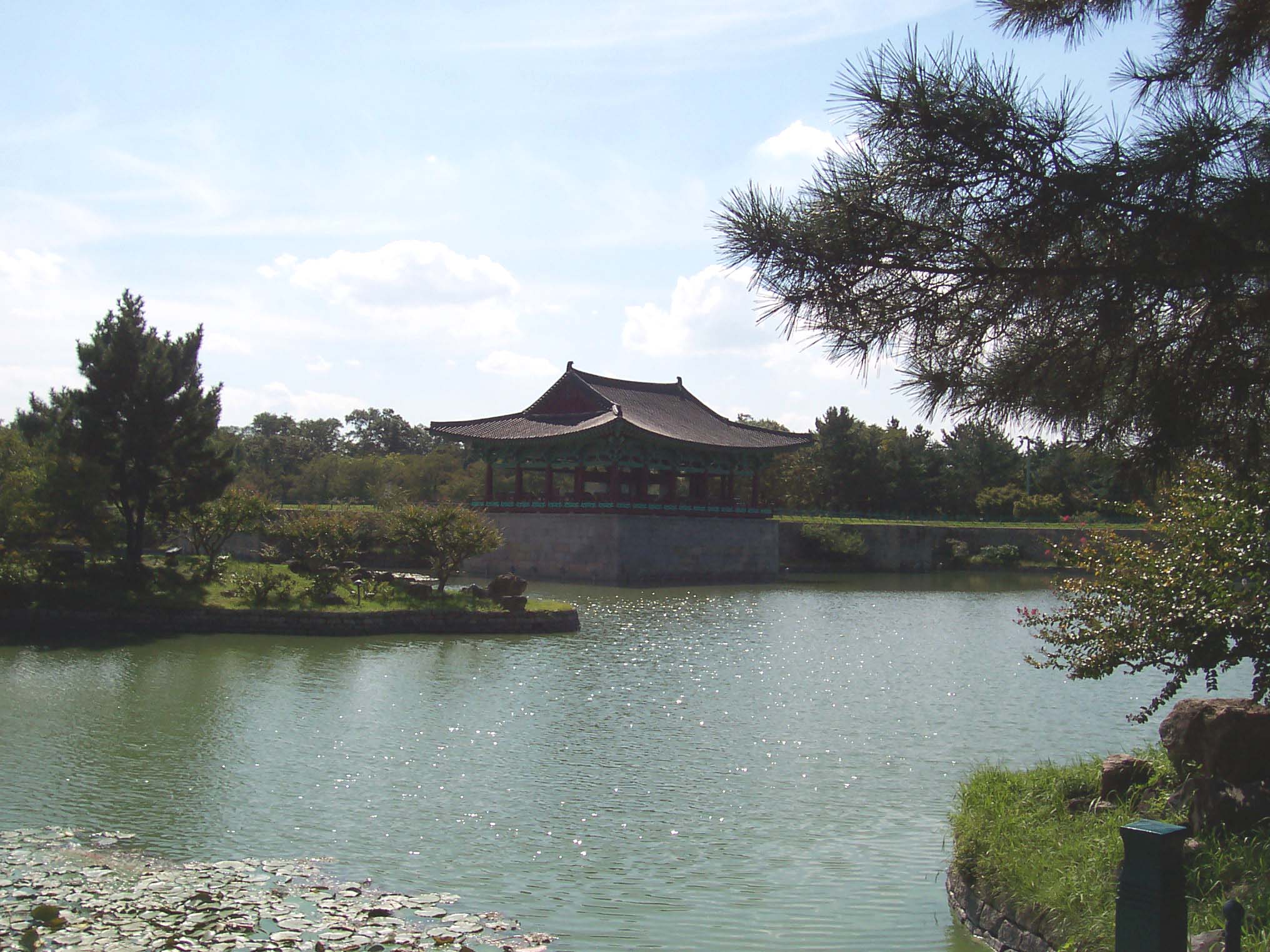
Donggung Palace and Wolji Pond
Oval-shaped artificial pond with islands.