
Explore the Map
Gyeongju Historic Areas
35.7889° N, 129.2267° E
About
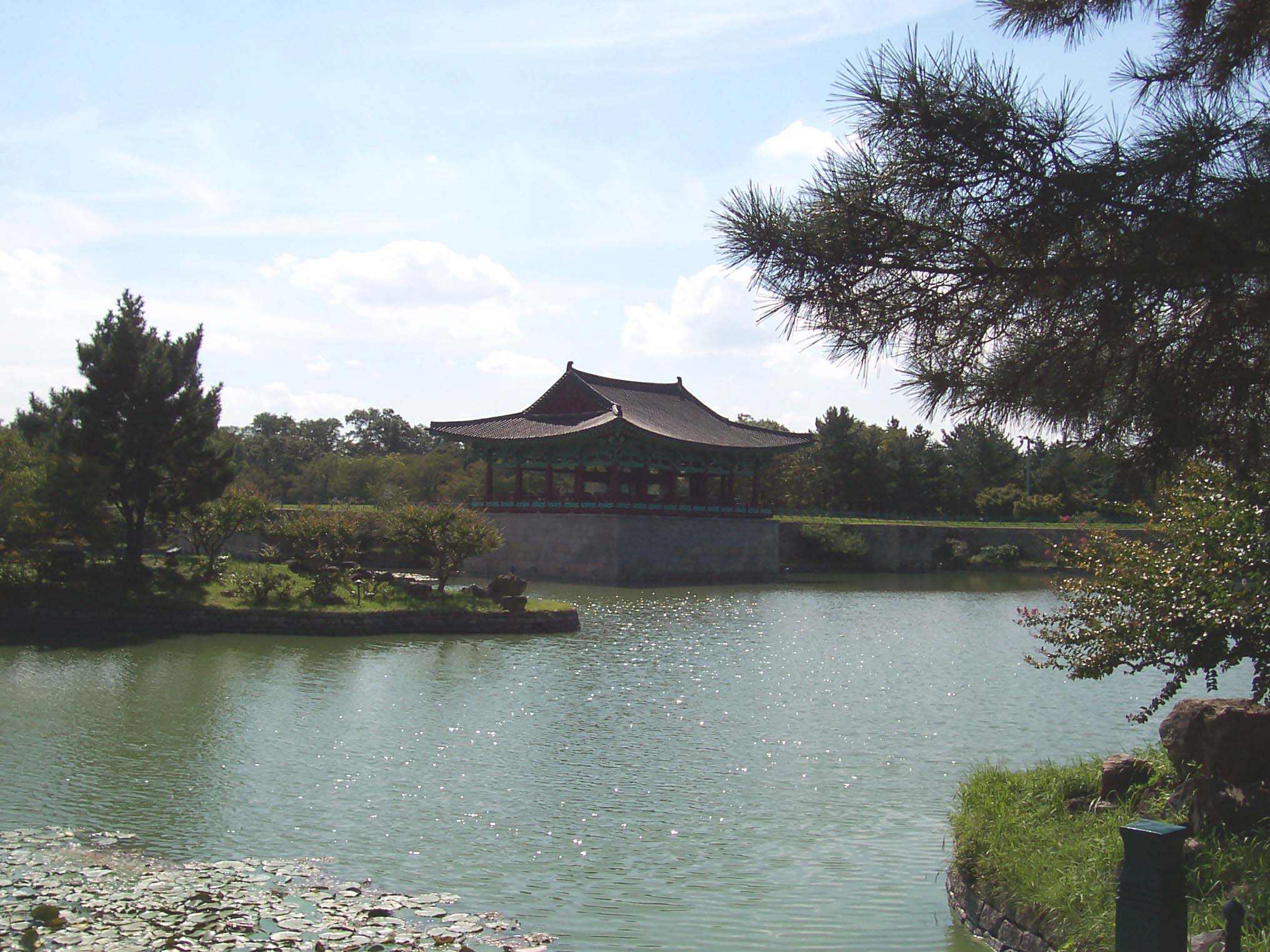
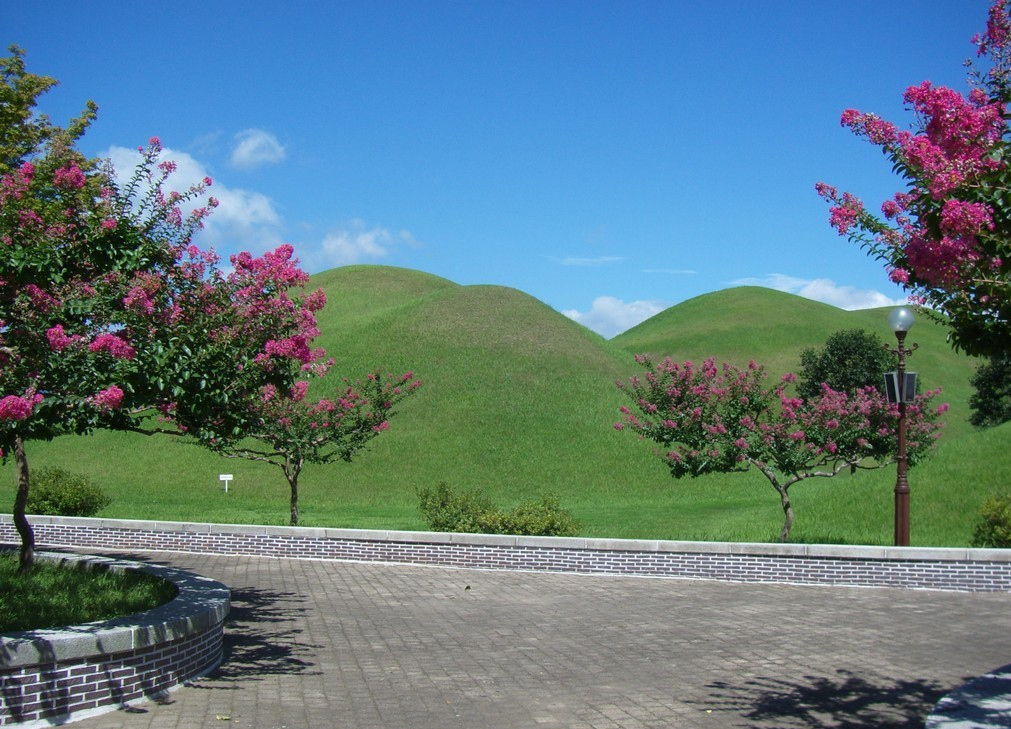
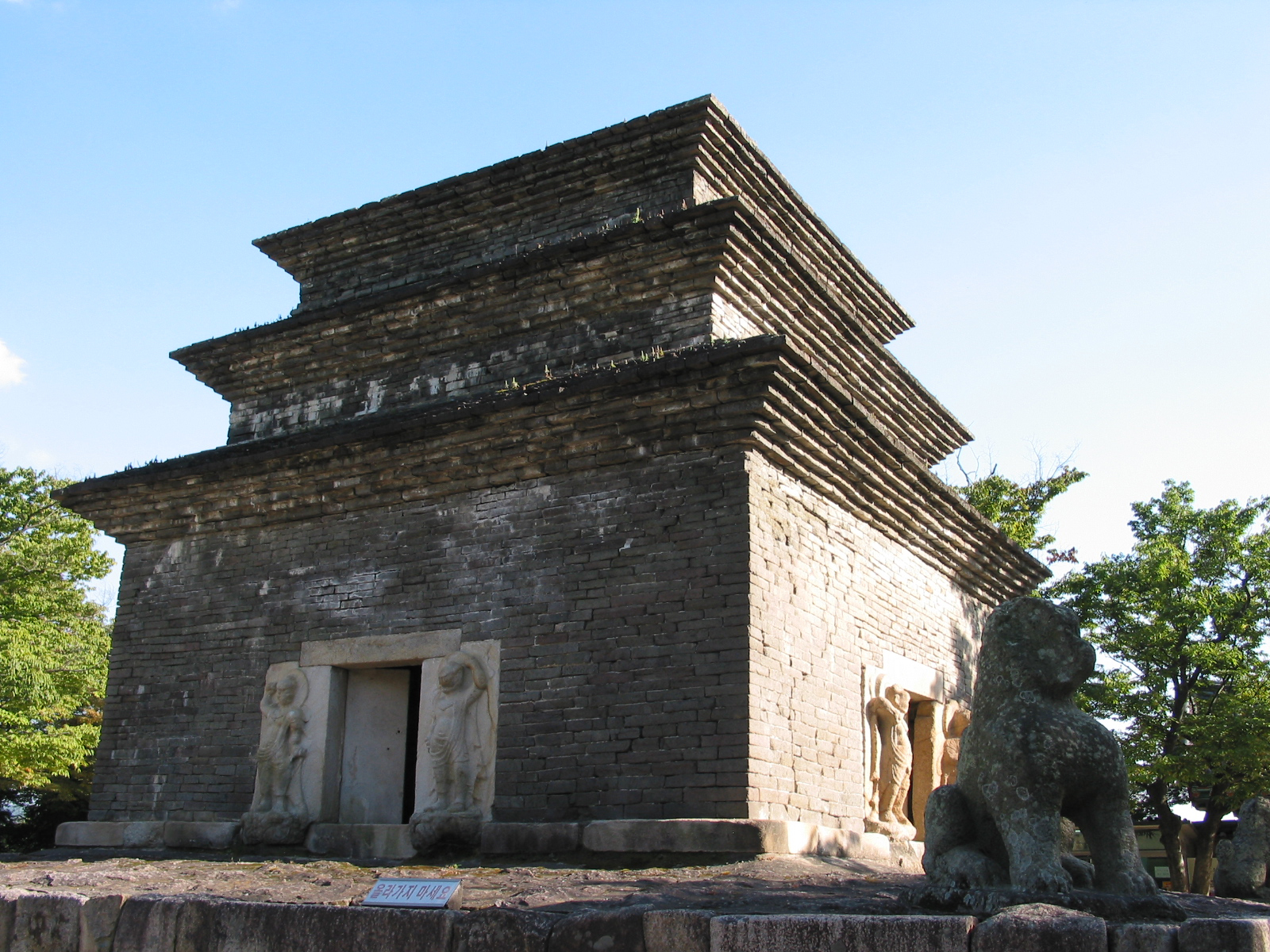
The Gyeongju Historic Areas in South Korea present an unparalleled glimpse into the Silla Kingdom's historical and cultural legacy. Designated as a UNESCO World Heritage Site, these areas are renowned for a variety of archaeological features that include the ruins of temples, palaces, fortresses, and unique burial sites. The Mount Namsan Belt showcases both Buddhist and pre-Buddhist artifacts, along with impressive stone carvings that reveal the evolution of Silla sculpture. Other notable areas include the Wolseong Belt with its iconic Cheomseongdae Observatory, and the Tumuli Park Belt, home to the distinctive Heavenly Horse Tomb. The site also features the Hwangnyongsa Belt, centered around the ruins of once enormous temples. These elements collectively highlight the region's religious, civic, and artistic significance during the Late Classical and Early Post-Classical periods.
Gallery
Explore photographs of ancient structures, artifacts, and archaeological excavations
Historical Timeline
Journey through time and discover key events in this site's history
Heavenly Horse Tomb
5th century CE
Namsan Mountain Fortress Built
591 CE
Unified Silla Period
7th century CE to 10th century CE
Archaeological Features
Unique architectural and cultural elements found at this historical site
Defensive Structures
Burial and Funerary Structures
Religious and Ritual Structures
Artistic and Decorative Features
Domestic and Habitation Structures
Astronomical and Timekeeping Structures
Plan Your Visit
Tours, travel arrangements, and practical information
More Sites in South Korea
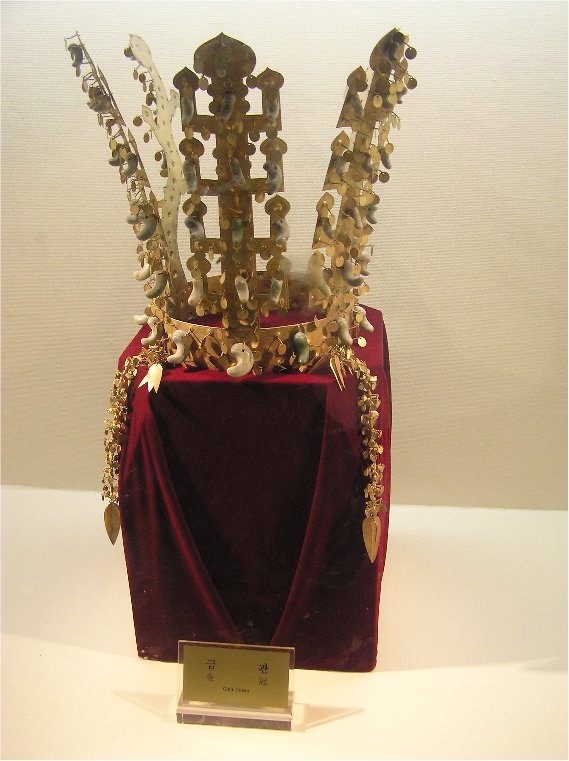
Cheonmachong
Silla tomb with royal artifacts and painting
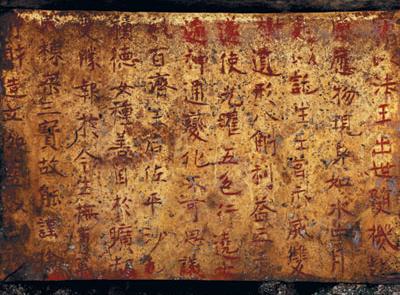
Mireuksa
Largest ancient Baekje Buddhist temple complex
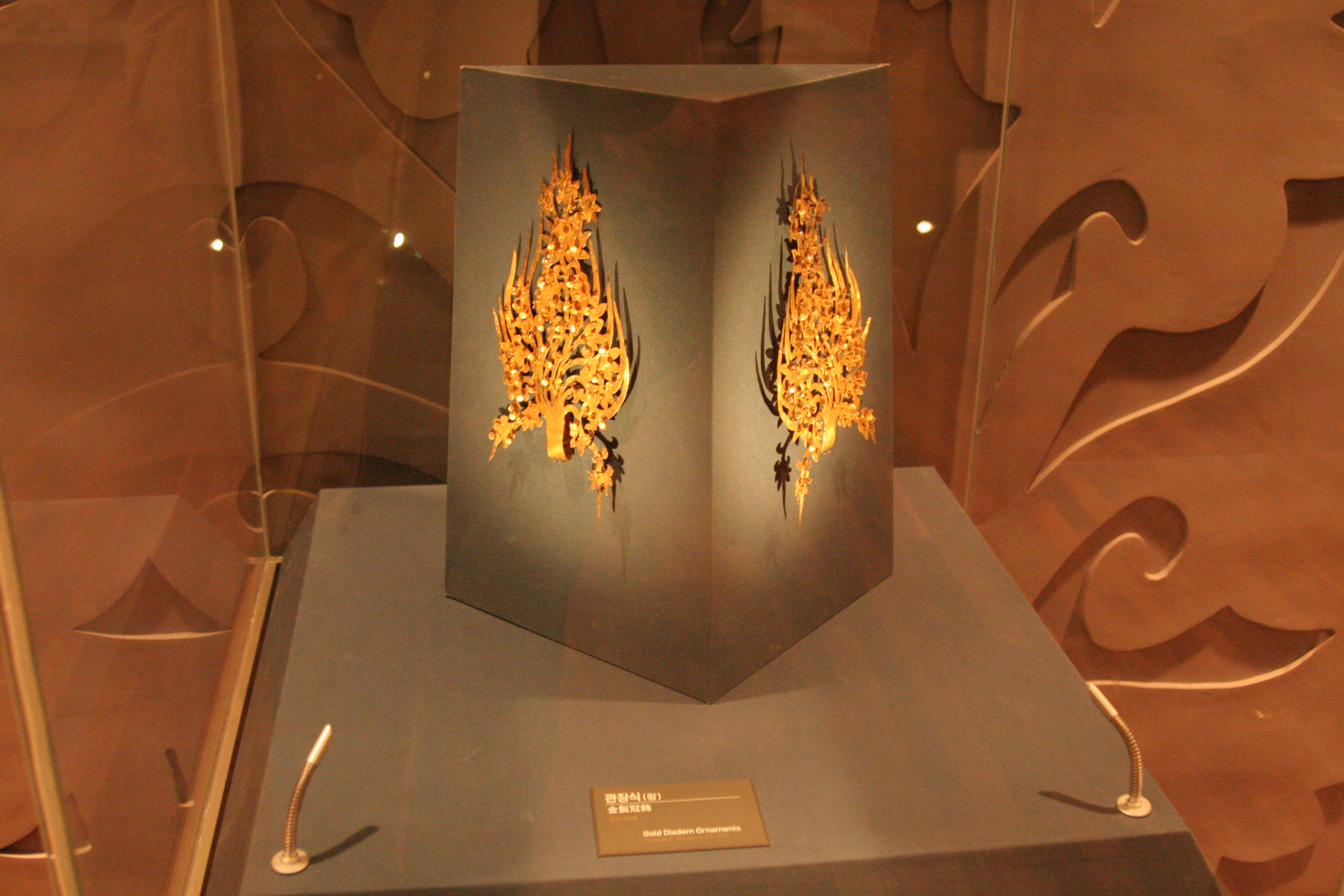
Tomb of King Muryeong
Intact Baekje royal tomb with artifacts.
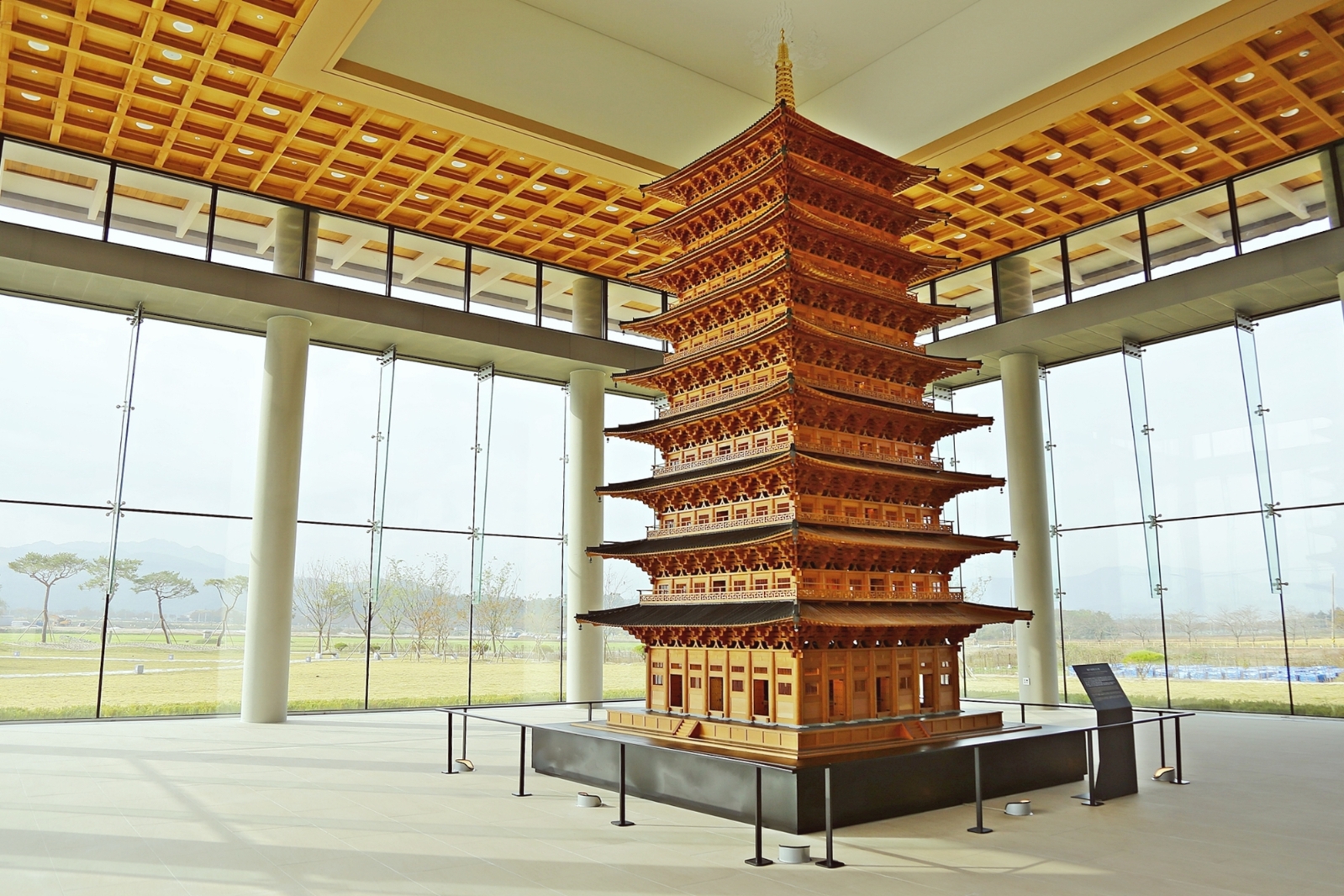
Hwangnyongsa
7th-century wooden Buddhist temple, Gyeongju.
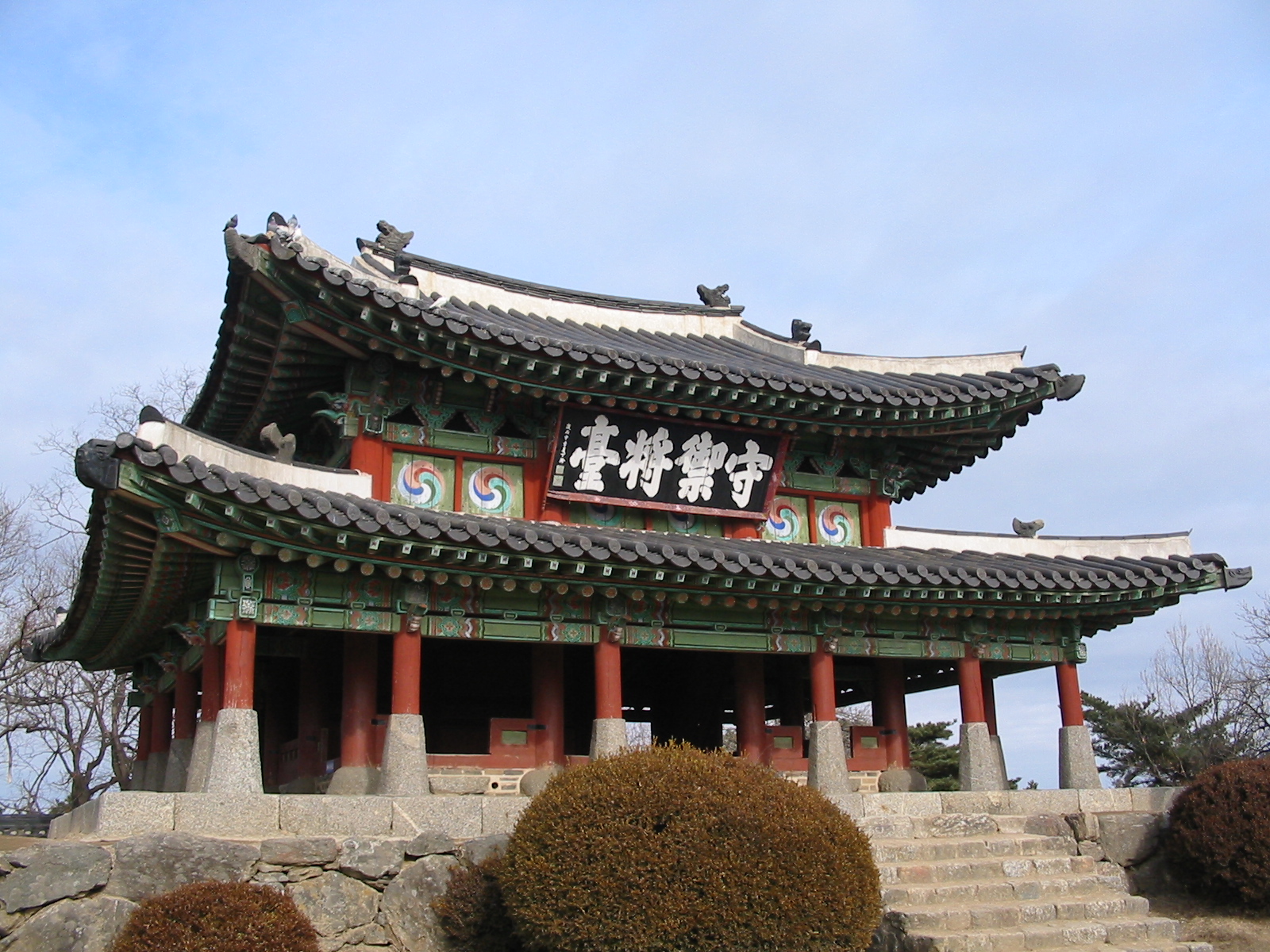
Pungnaptoseong
Oval earthen fortification near Han River.
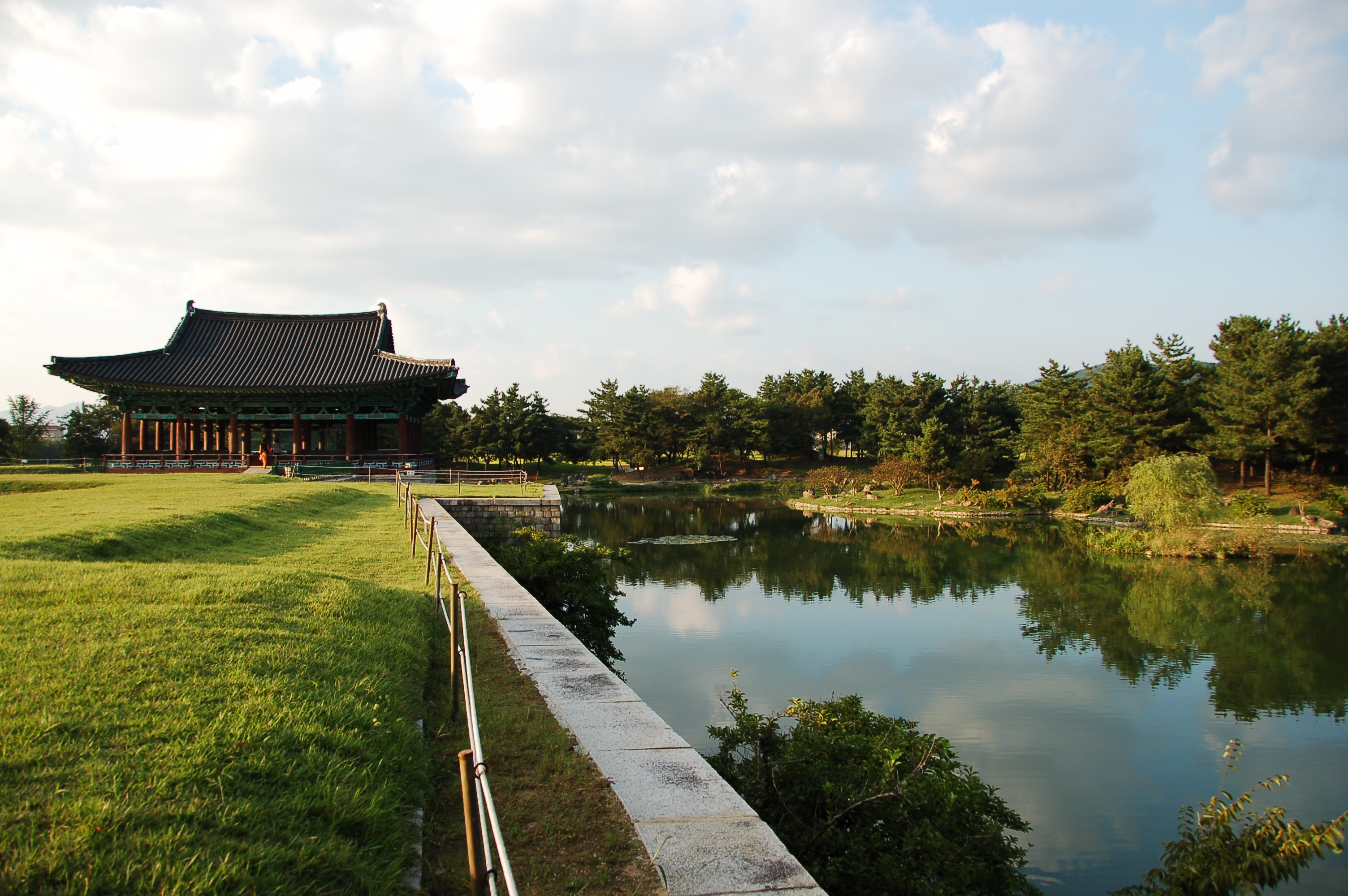
Donggung Palace and Wolji Pond
Oval-shaped artificial pond with islands.