Explore the Map
Cheonmachong
35.8378° N, 129.2125° E
About
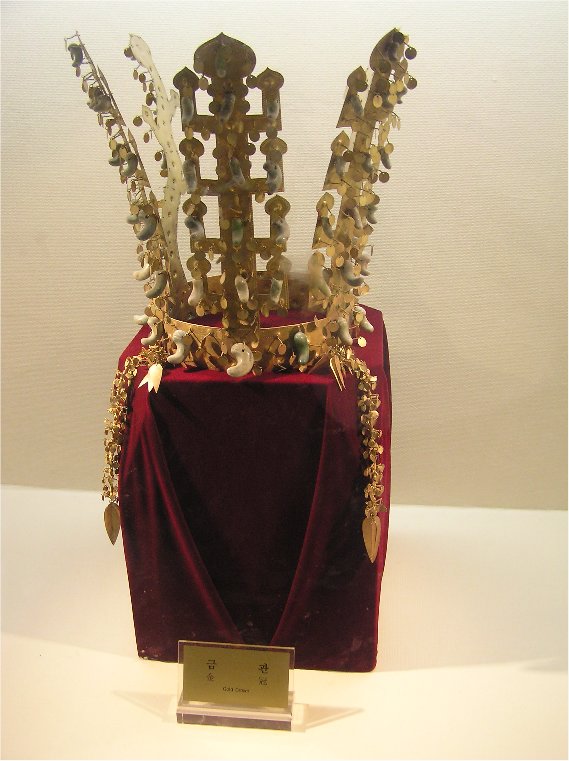
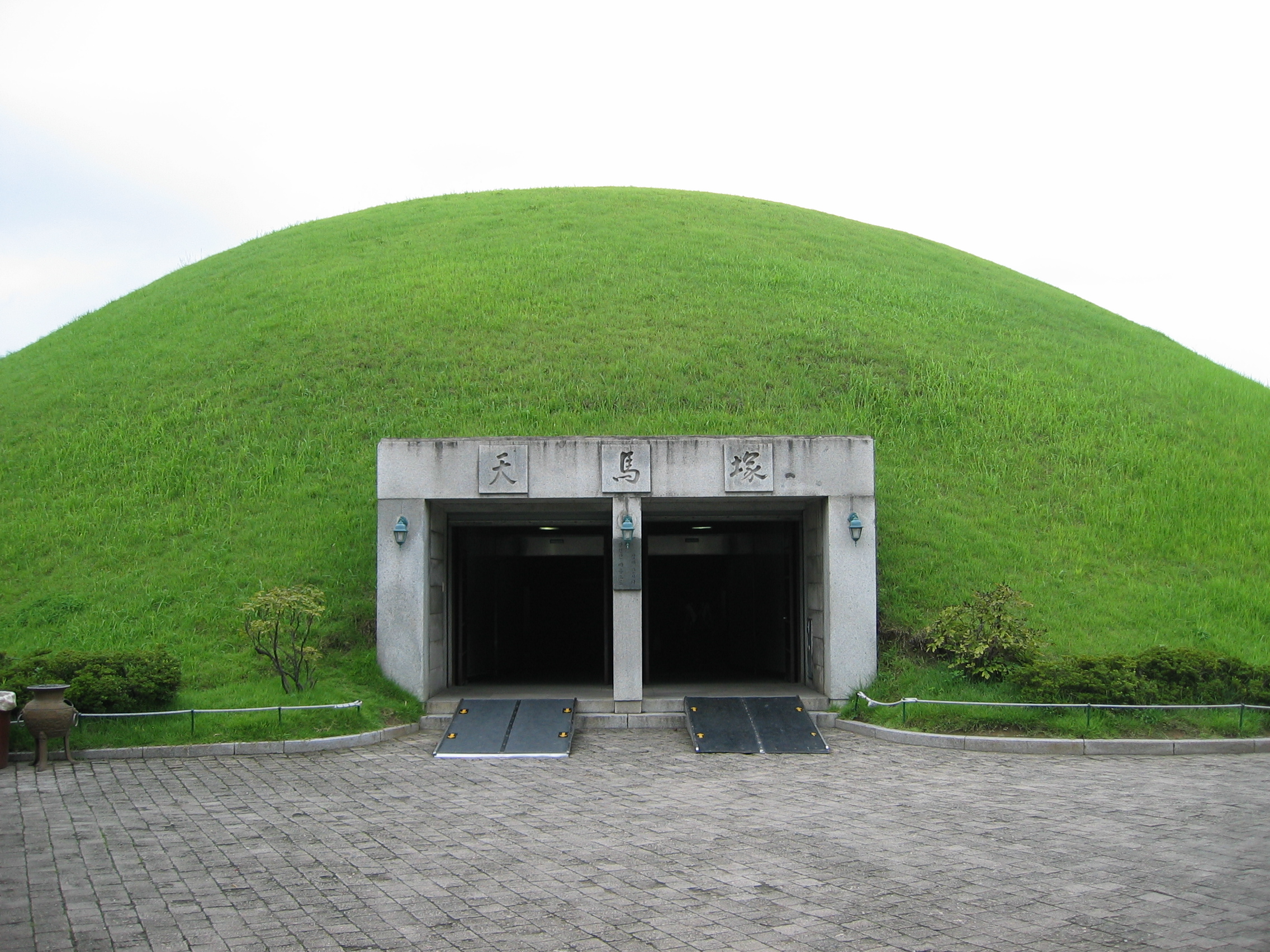
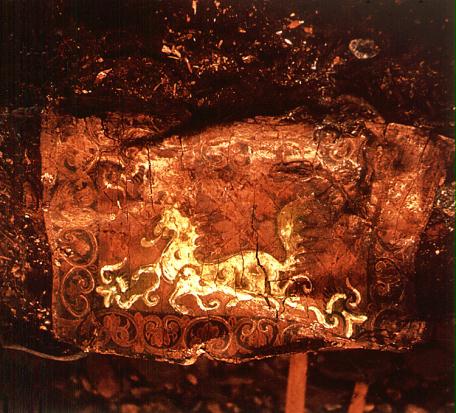
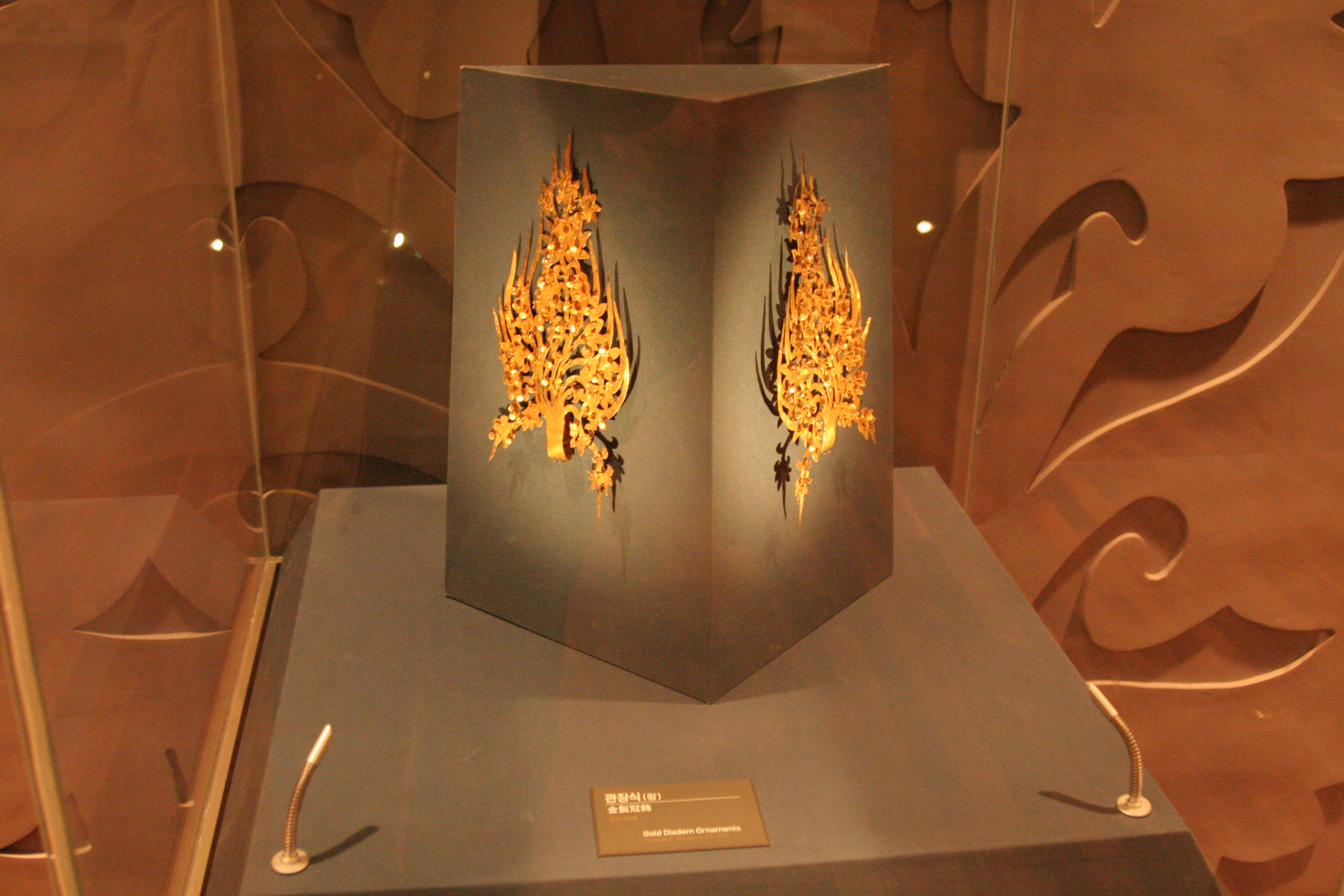
Cheonmachong, also known as the Sky Horse Tomb, is a significant archaeological site located in Gyeongju, South Korea, which dates back to the Silla Kingdom era. The tomb, constructed in the 5th century CE, is a tumulus featuring a wood-lined chamber covered with earth and boulders, typical of Silla burial practices. The archaeological excavation of this site revealed approximately 11,500 artifacts, including a remarkable gold crown, gold girdle, bracelets, rings, and a painted birch bark saddle flap depicting a white horse with wings. These artifacts, along with the horse trappings and evidence of a horse sacrifice, underscore the importance of horses and shamanistic practices in Silla society. The tomb's design is reminiscent of Scytho-Iranian influences, with parallels drawn to similar tombs in Pazyryk, Russia. The combination of high-status burial goods and artistic elements reflects the royal stature of the individual interred, thought possibly to be King Jijeung.
Gallery
Explore photographs of ancient structures, artifacts, and archaeological excavations
Historical Timeline
Journey through time and discover key events in this site's history
Construction of Cheonmachong Tomb
5th century CE
Archaeological Features
Unique architectural and cultural elements found at this historical site
Miscellaneous Features
Burial and Funerary Structures
Artistic and Decorative Features
Frequently Asked Questions
Plan Your Visit
Tours, travel arrangements, and practical information
More Sites in South Korea
Mireuksa
Largest ancient Baekje Buddhist temple complex
Tomb of King Muryeong
Intact Baekje royal tomb with artifacts.
Gyeongju Historic Areas
Extensive ruins of Silla Kingdom structures.
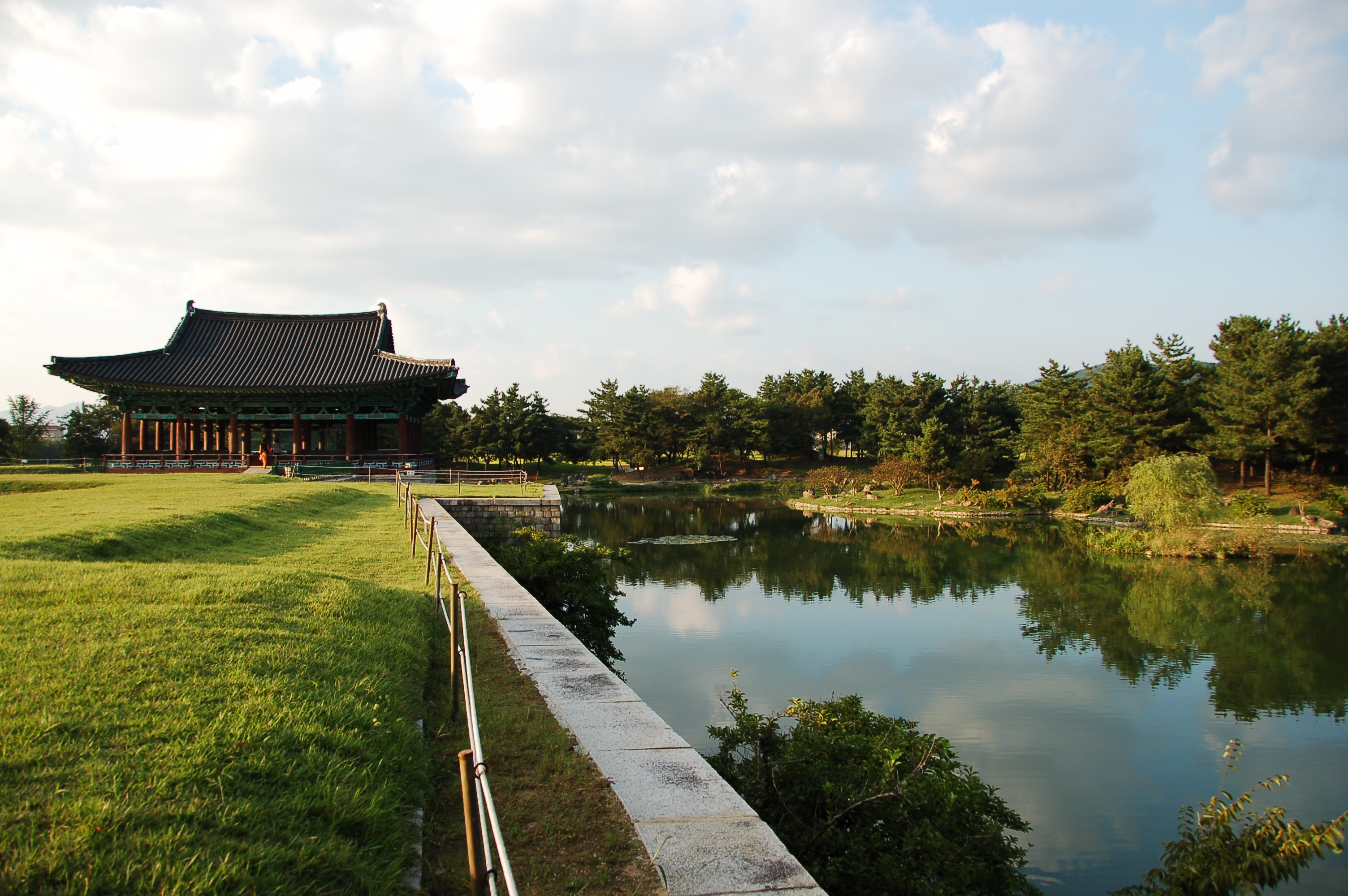
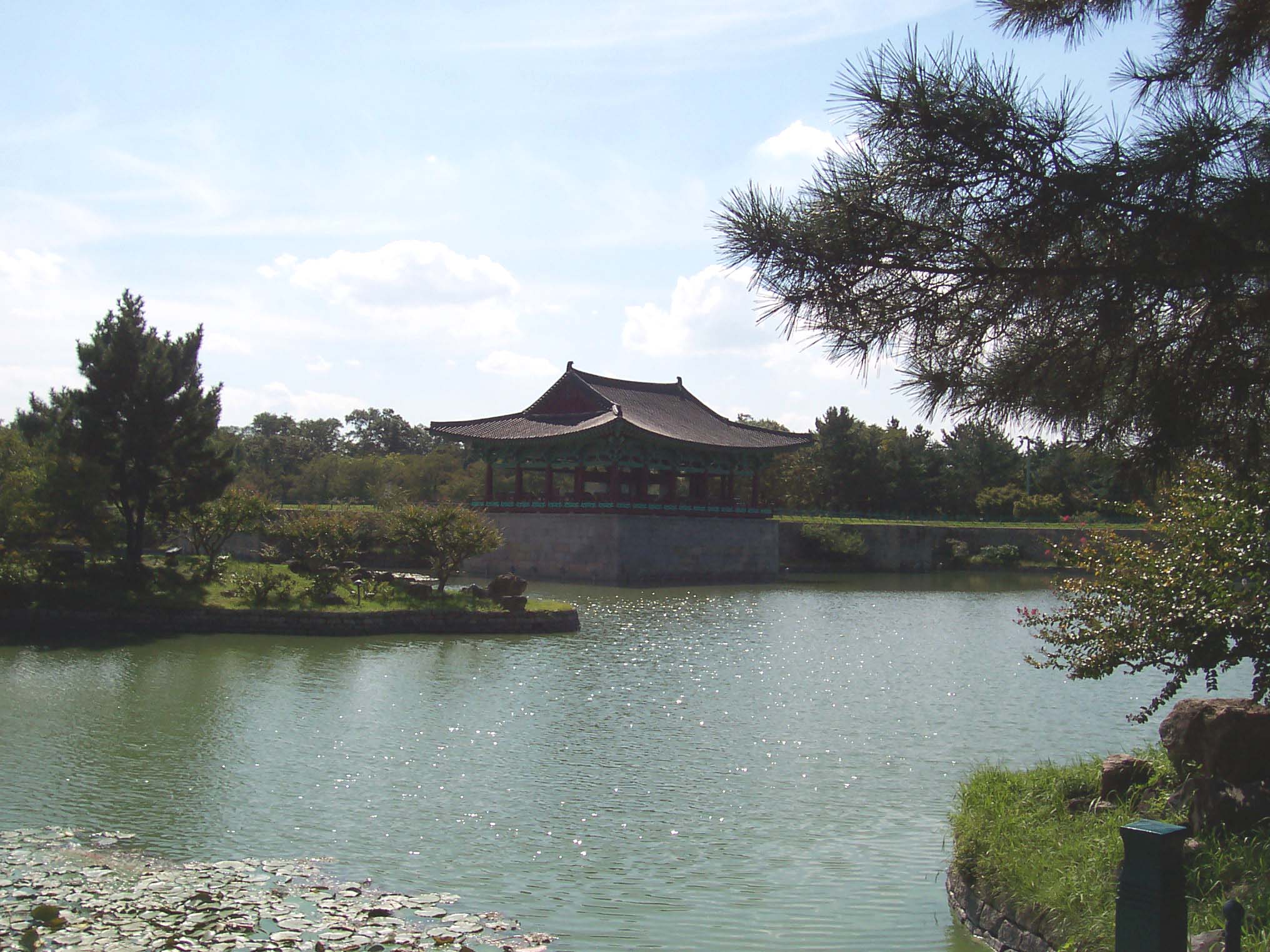
Donggung Palace and Wolji Pond
Oval-shaped artificial pond with islands.
Daepyeong
Complex prehistoric site with ditch-enclosures.
Pungnaptoseong
Oval earthen fortification near Han River.