
Explore the Map
Mireuksa
35.9833° N, 127.0500° E
About
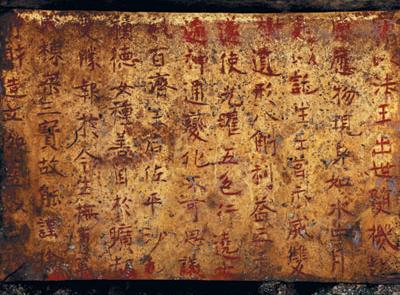
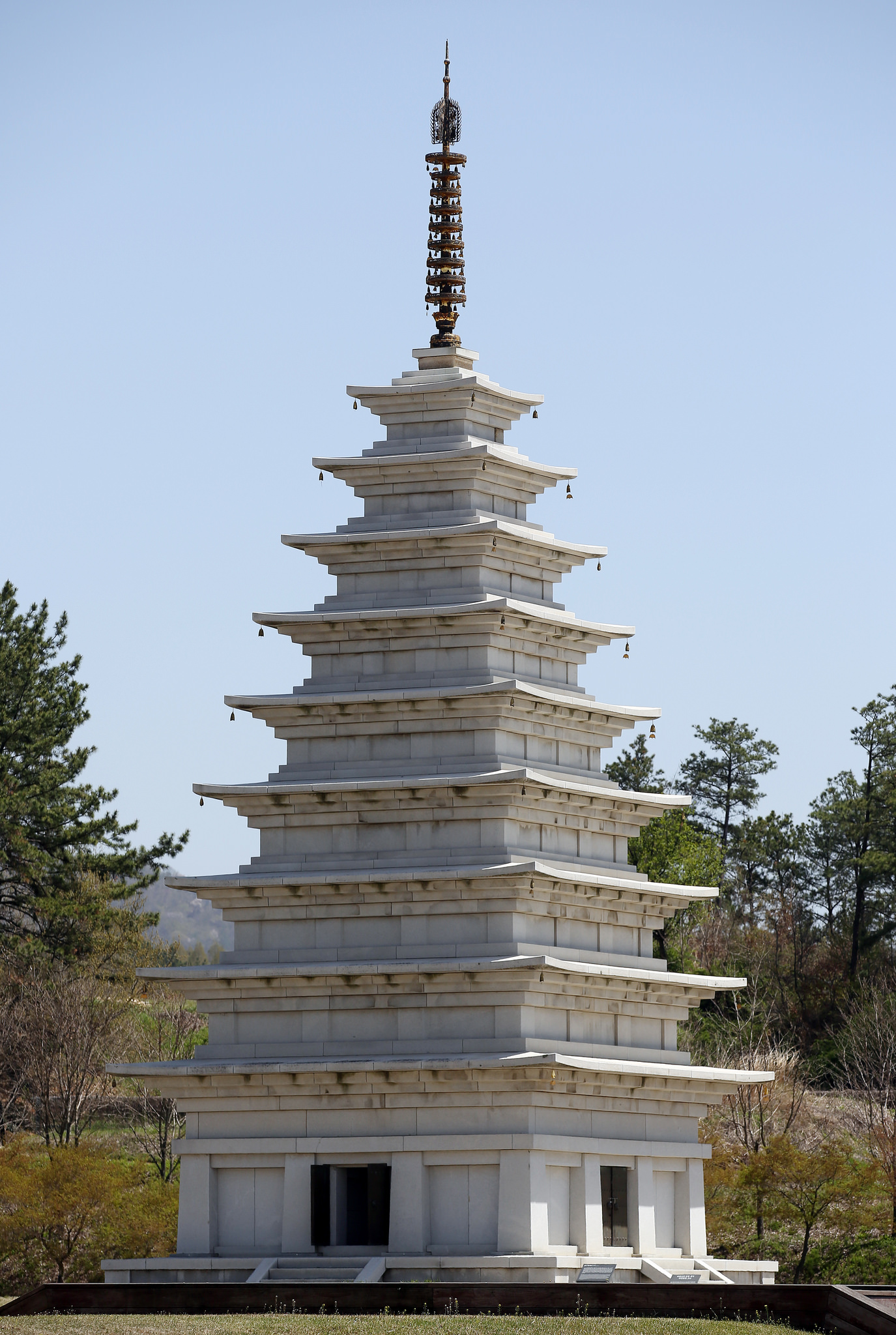
Mireuksa, located in modern-day Iksan, South Korea, is the largest Buddhist temple complex from the ancient Baekje kingdom, founded in 602 CE by King Mu. This site features a unique layout of three pagodas in a linear arrangement with halls to the north, reflecting a 'one Hall-one Pagoda' style. The central structure was a wooden pagoda, flanked by two stone pagodas. The western stone pagoda, Mireuksaji Stone Pagoda, is particularly significant as it demonstrates Baekje's adaptation of wooden architecture techniques to stone. Notable archaeological finds at this site include a gold-inscribed plate with Classical Chinese inscriptions, providing insights into the temple's historical and religious significance. The site, partially restored and designated as South Korean Historic Site No. 150, illustrates the architectural ingenuity and religious fervor of the Baekje period.
Gallery
Explore photographs of ancient structures, artifacts, and archaeological excavations

Historical Timeline
Journey through time and discover key events in this site's history
Construction of Wooden Pagoda
Early 7th century CE
Construction of Mireuksaji Stone Pagoda
600-640 CE
Establishment of Mireuksa Temple
602 CE
Archaeological Features
Unique architectural and cultural elements found at this historical site
Miscellaneous Features
Religious and Ritual Structures
Artistic and Decorative Features
Transportation and Communication Structures
Frequently Asked Questions
Plan Your Visit
Tours, travel arrangements, and practical information
More Sites in South Korea
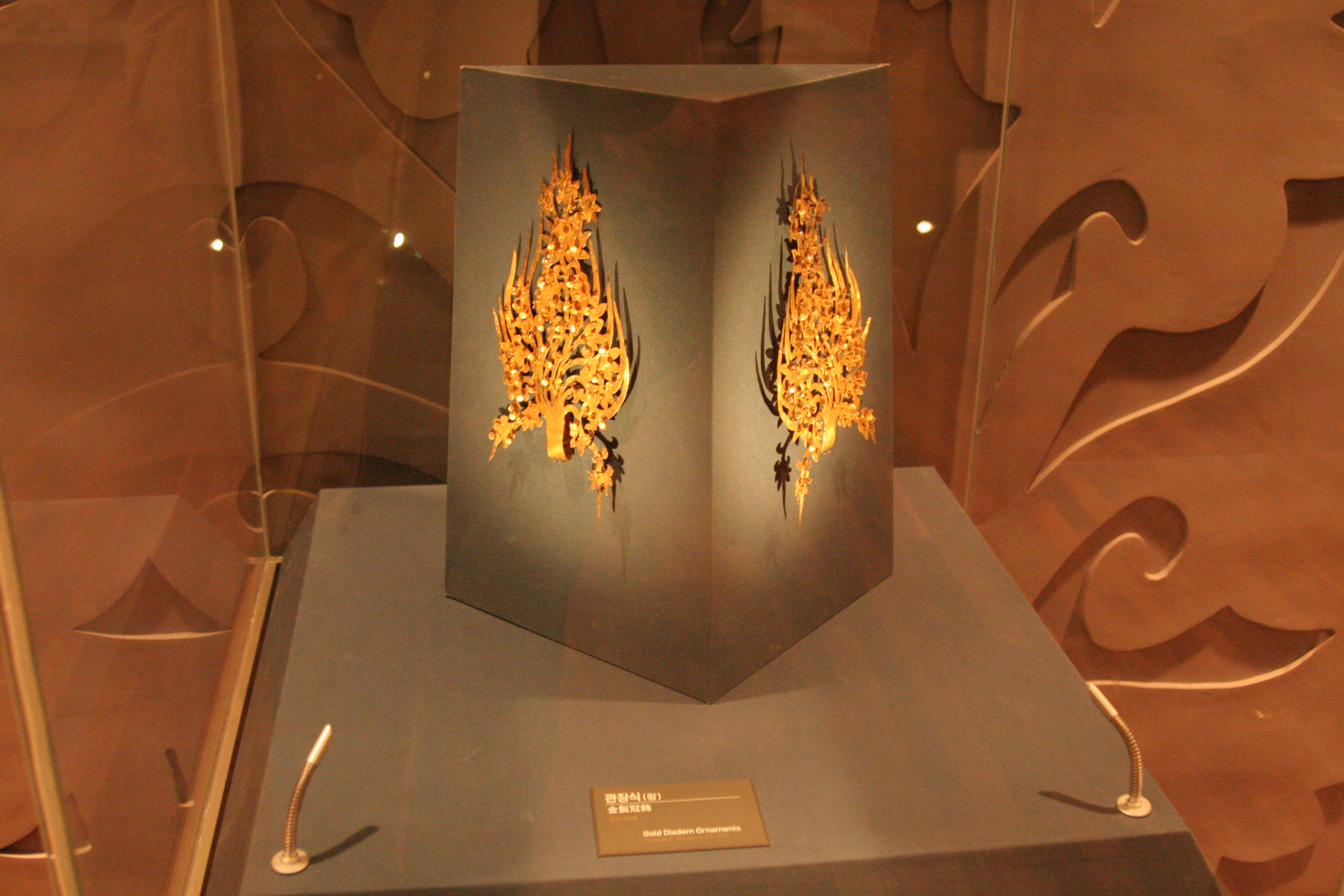
Tomb of King Muryeong
Intact Baekje royal tomb with artifacts.
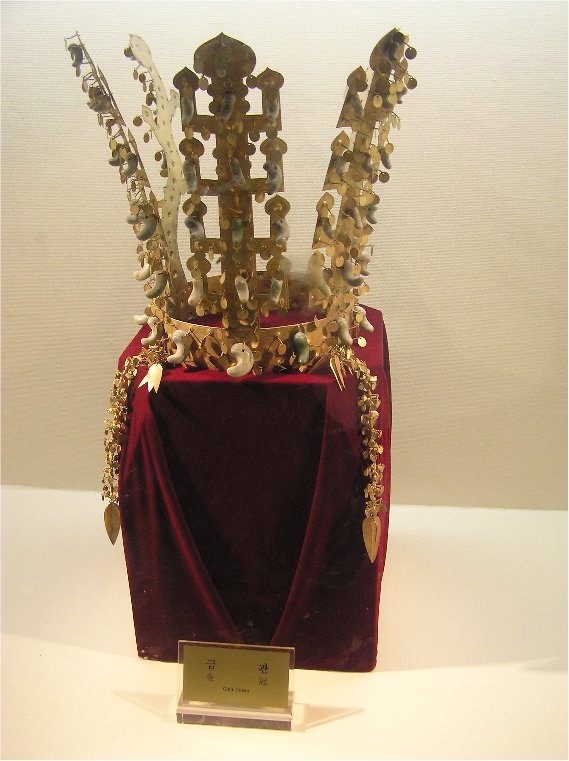
Cheonmachong
Silla tomb with royal artifacts and painting
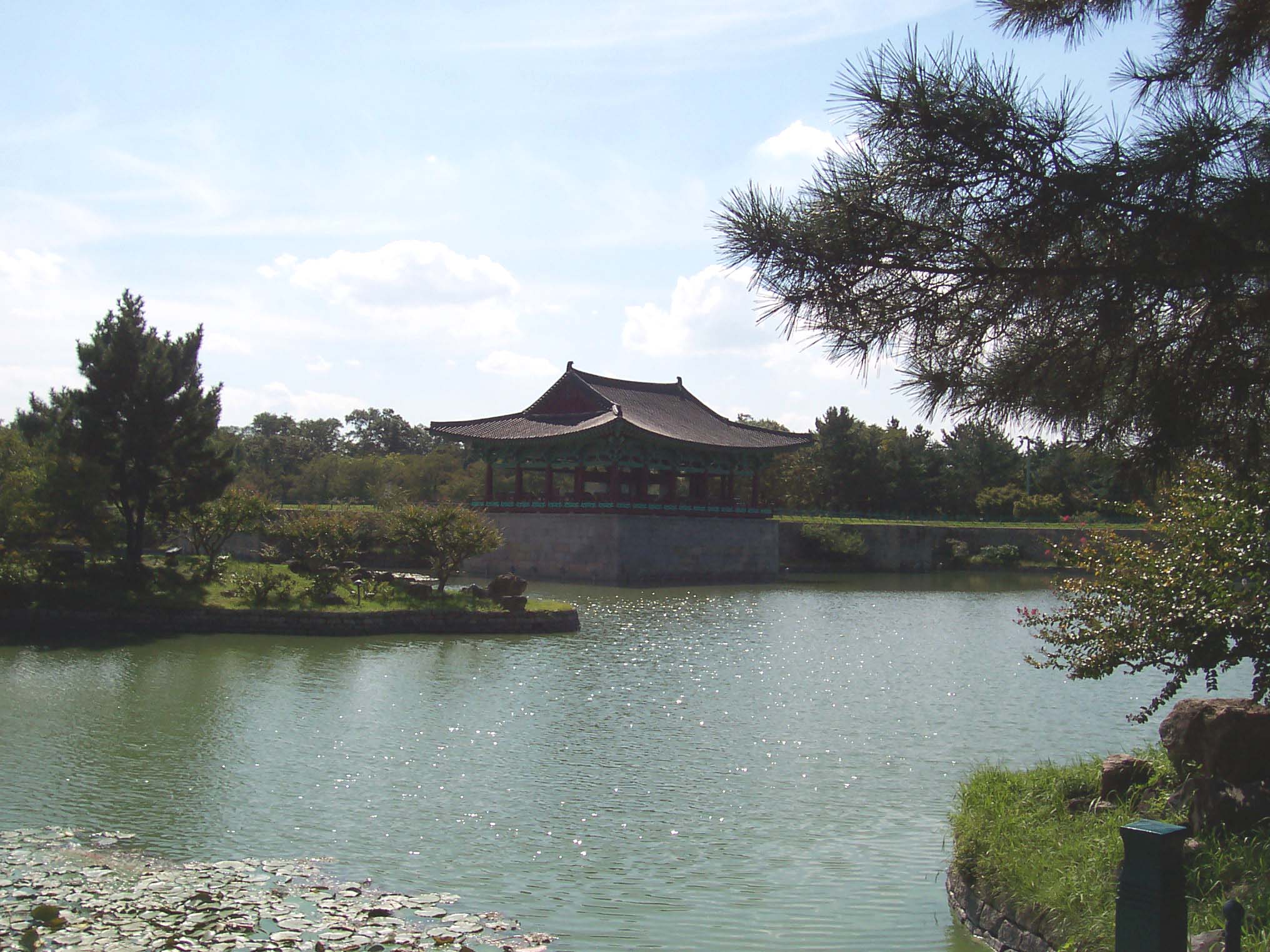
Gyeongju Historic Areas
Extensive ruins of Silla Kingdom structures.
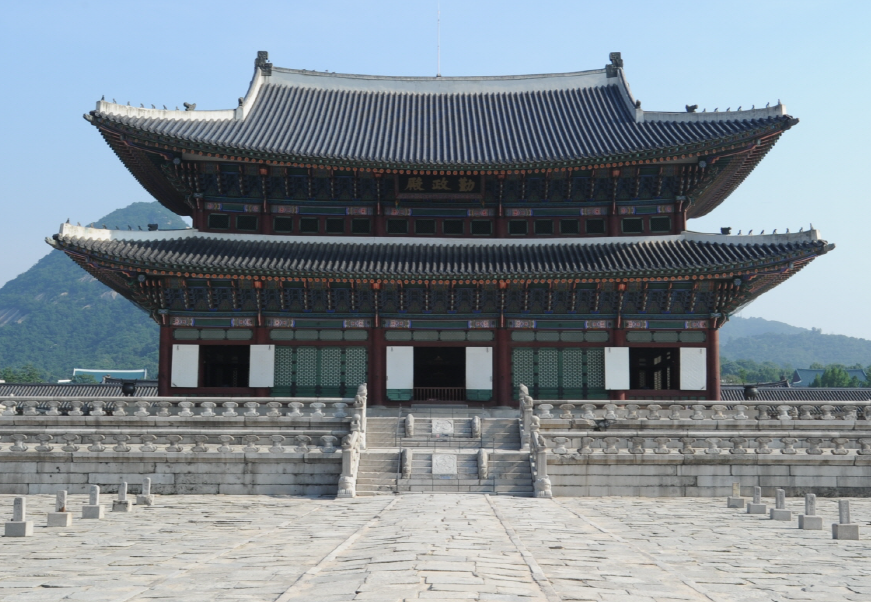
Daepyeong
Complex prehistoric site with ditch-enclosures.
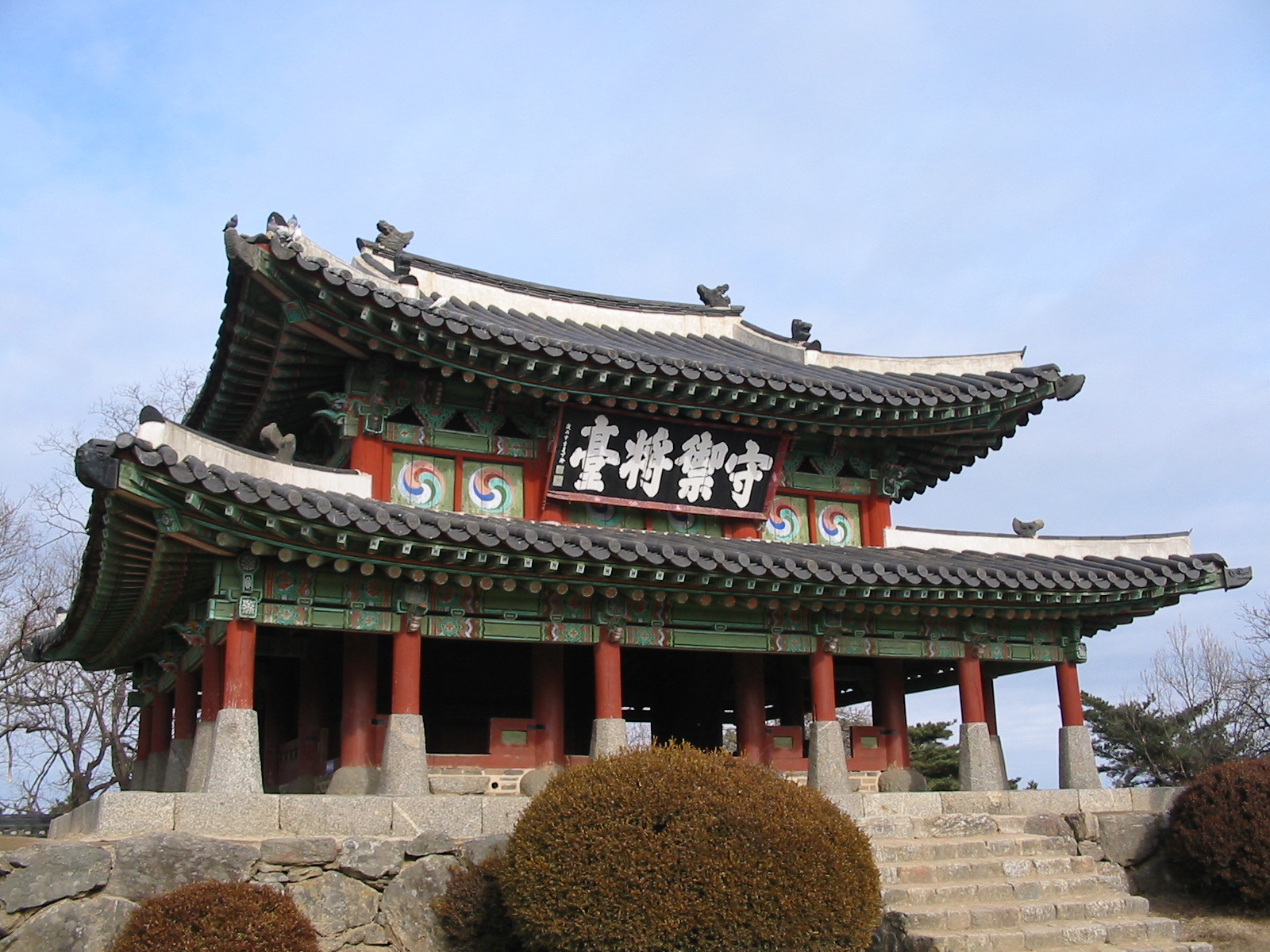
Achasanseong
Earthen mountain fortress from Three Kingdoms period
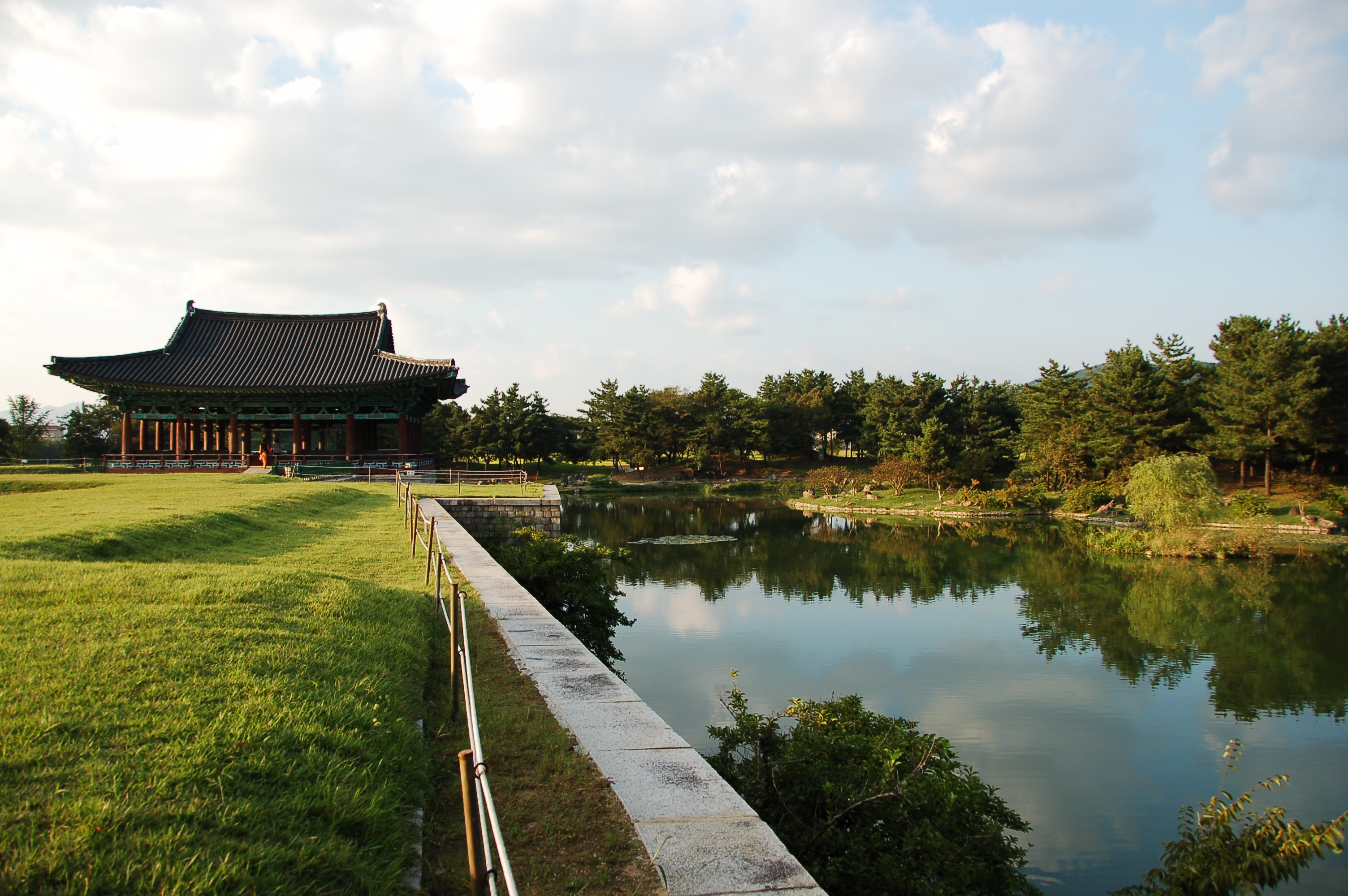
Donggung Palace and Wolji Pond
Oval-shaped artificial pond with islands.