Explore the Map
Poseokjeong
35.8092° N, 129.2123° E
About
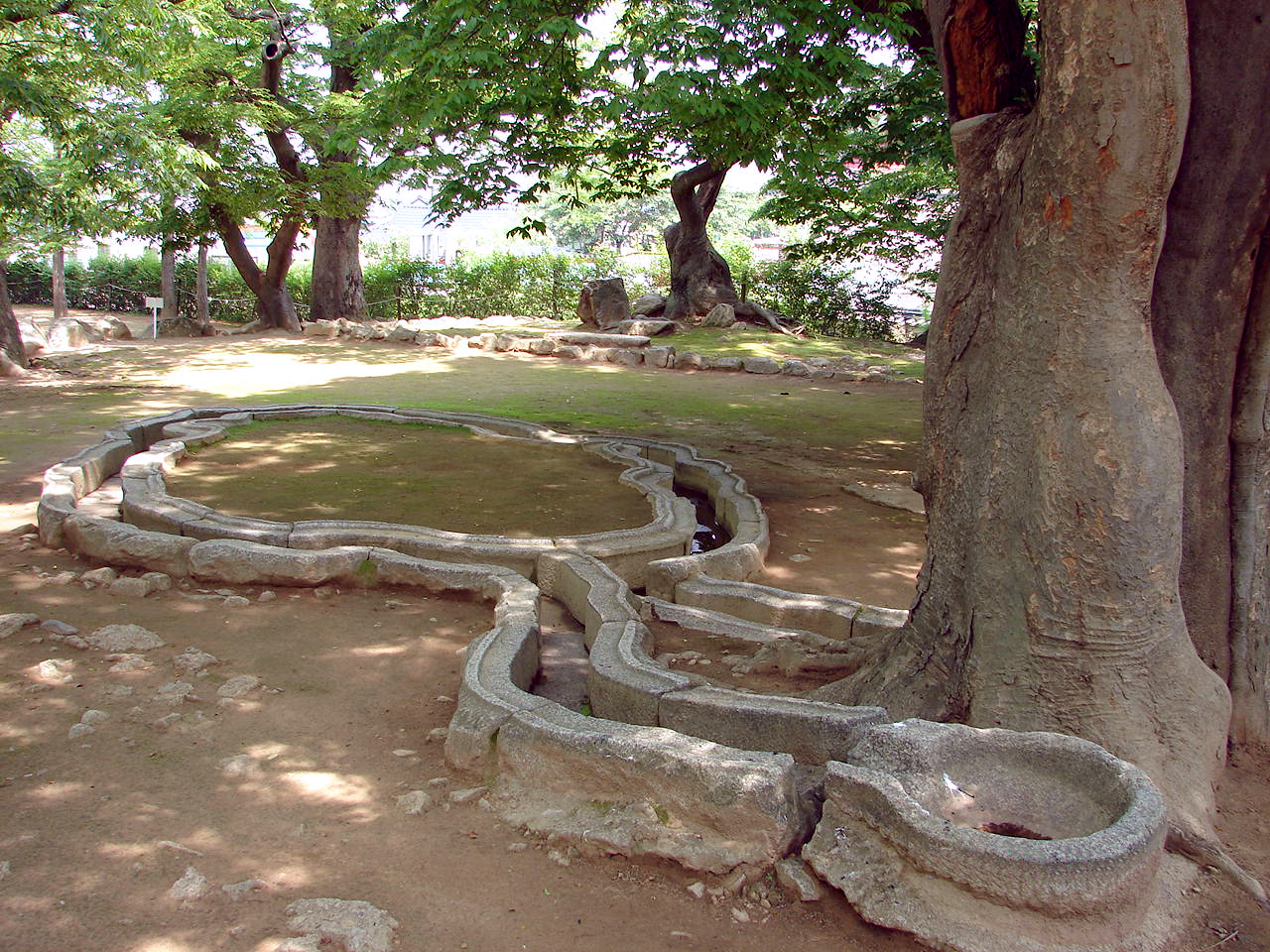
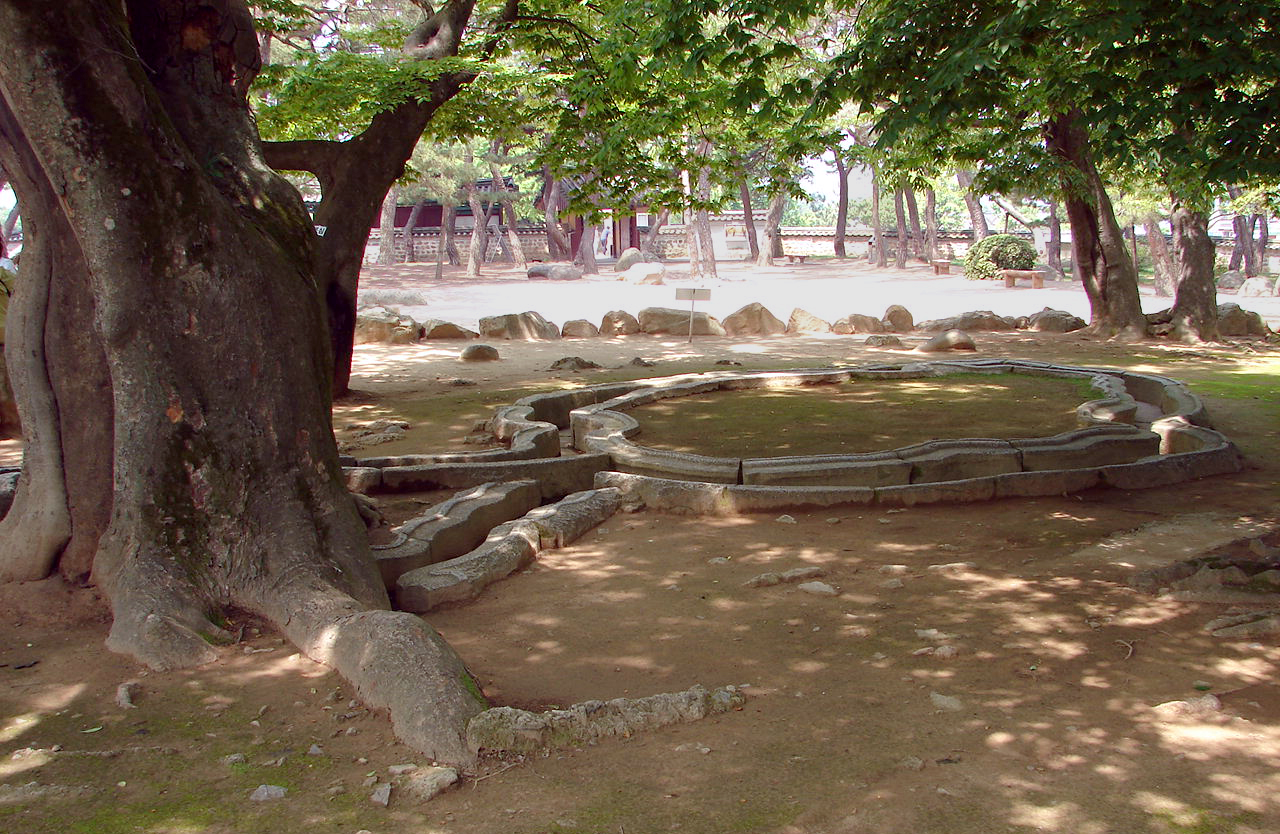
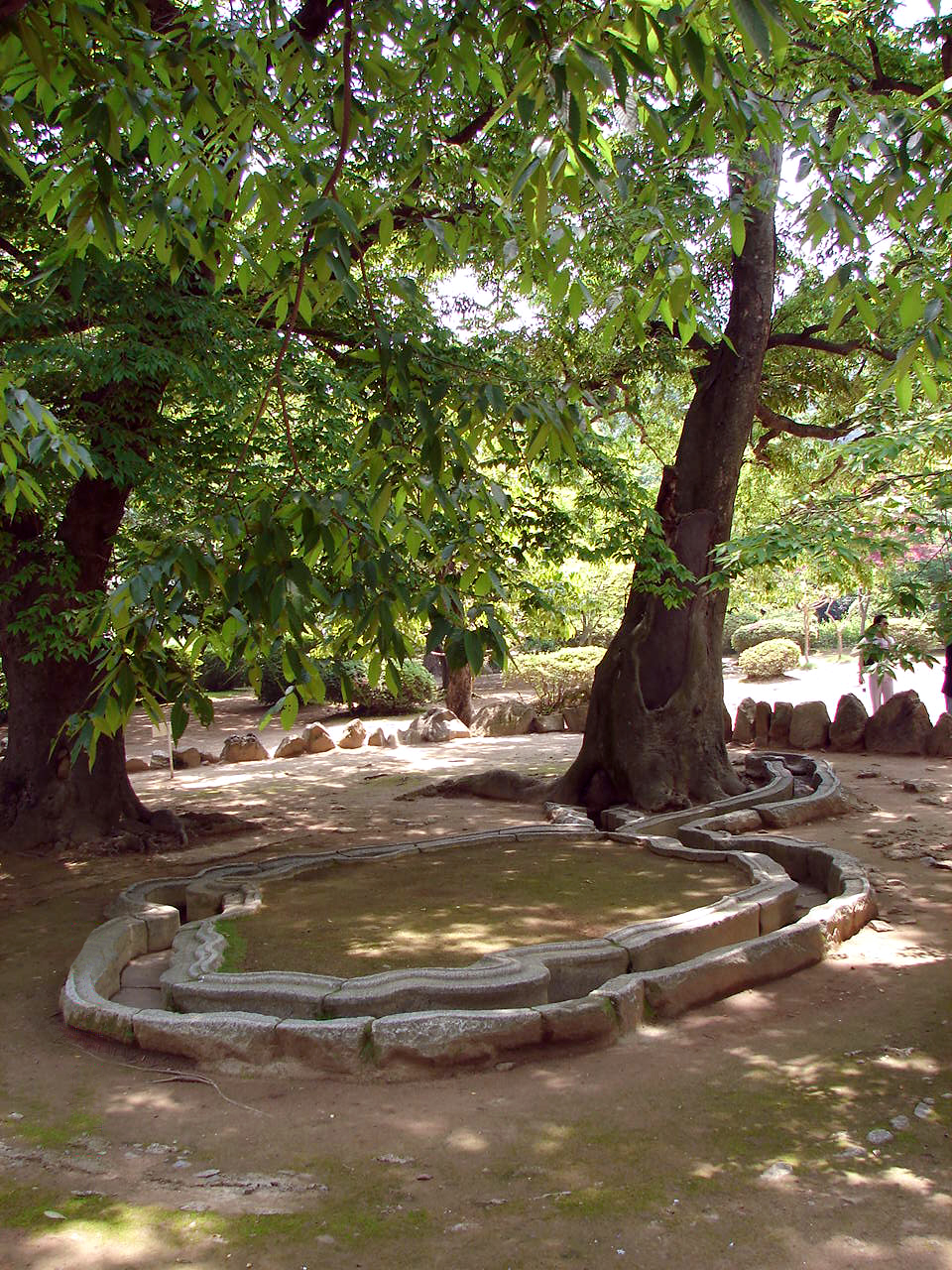
Poseokjeong, located near Namsan in Gyeongju, South Korea, is an archaeological site dating back to the Unified Silla period. The site is renowned for its beautifully carved granite water channel that once adorned a royal pavilion, now lost to time. This water feature, crafted from 63 granite blocks, was central to the winding stream parties, a cultural practice of the Silla aristocracy involving poetry and drinking games. The pavilion was a symbol of the opulence of the Silla kingdom, and its gardens were enriched with ancient trees like zelkova, pine, and bamboo. Poseokjeong stands as a historical marker of the kingdom's demise, notably marked by the assassination of King Gyeongae by King Kyŏn Hwŏn of Later Baekje in 927 CE. The site continues to offer insights into Silla's cultural and artistic achievements.
Gallery
Explore photographs of ancient structures, artifacts, and archaeological excavations
Historical Timeline
Journey through time and discover key events in this site's history
Unified Silla Construction
700 CE - 900 CE
King Gyeongae's Death
927 CE
Archaeological Features
Unique architectural and cultural elements found at this historical site
Water Management Features
Artistic and Decorative Features
Frequently Asked Questions
Plan Your Visit
Tours, travel arrangements, and practical information
More Sites in South Korea
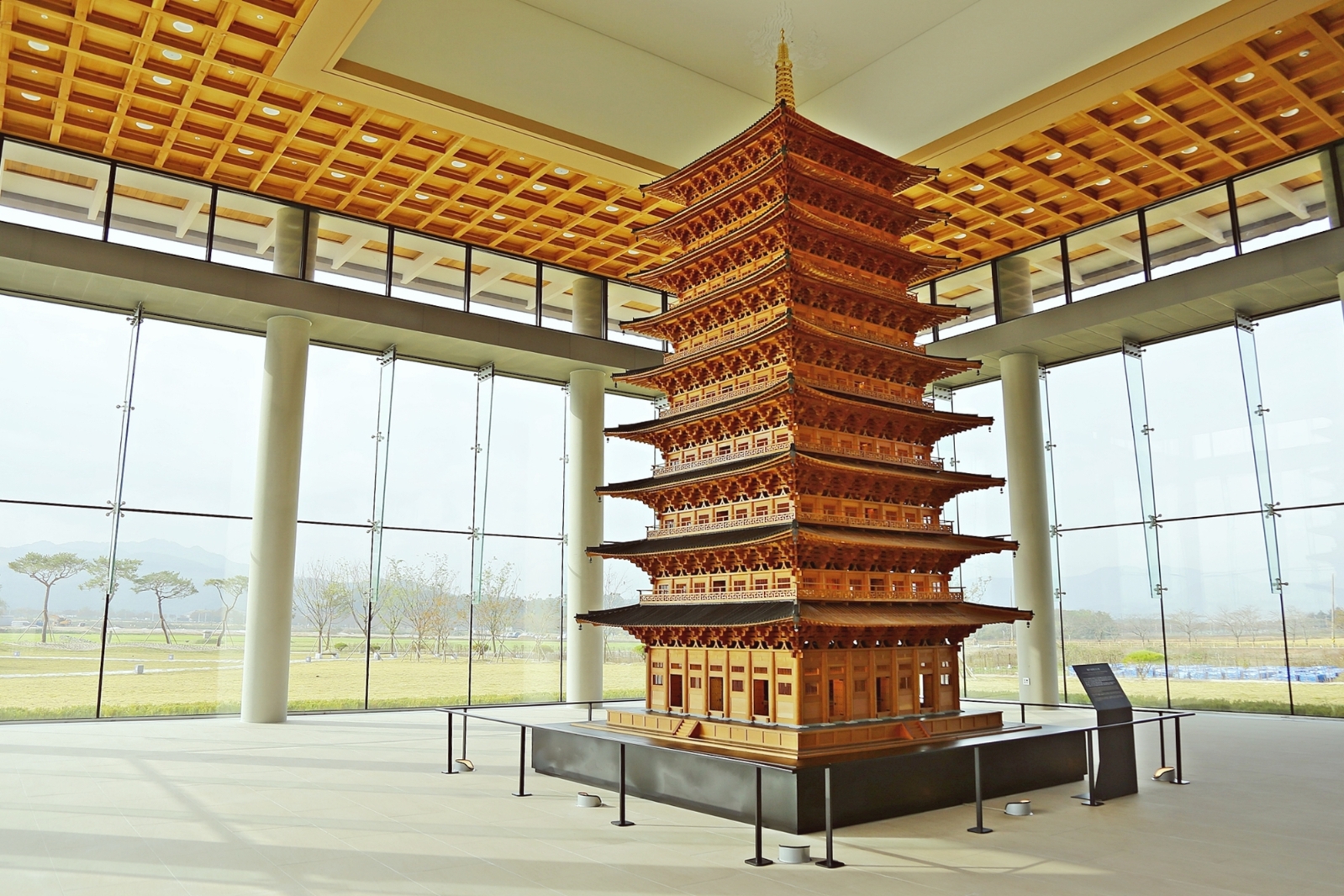
Hwangnyongsa
7th-century wooden Buddhist temple, Gyeongju.
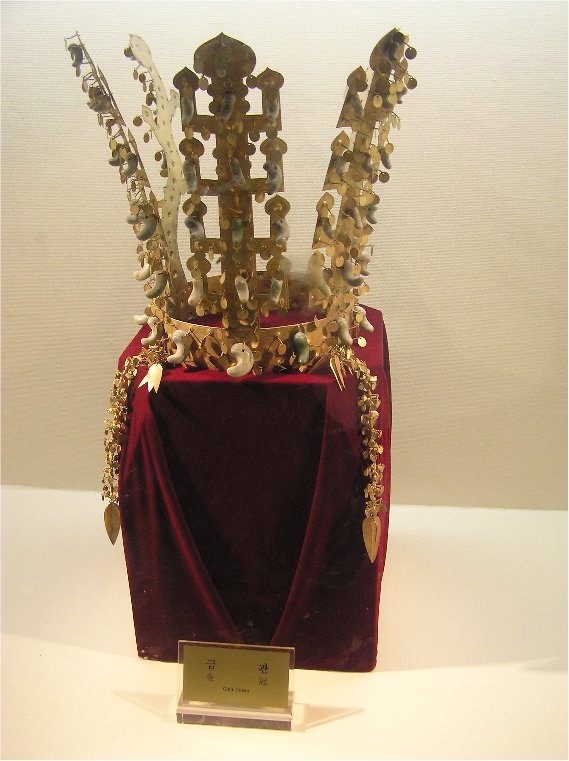
Cheonmachong
Silla tomb with royal artifacts and painting
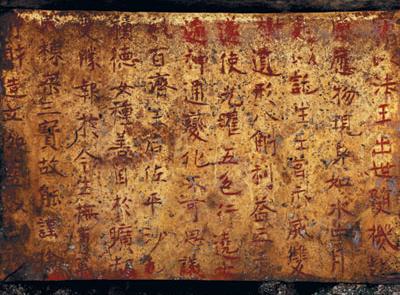
Mireuksa
Largest ancient Baekje Buddhist temple complex
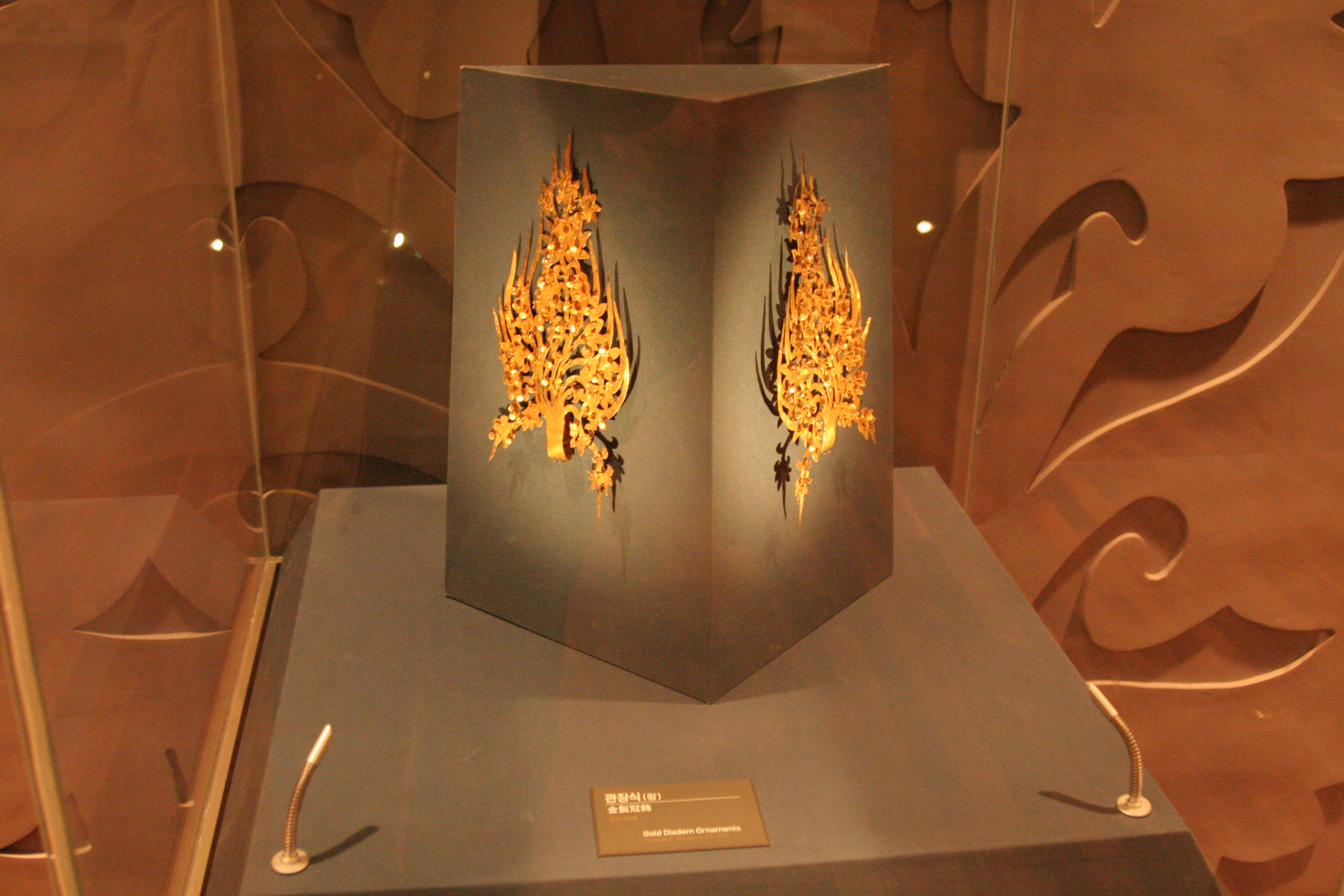
Tomb of King Muryeong
Intact Baekje royal tomb with artifacts.
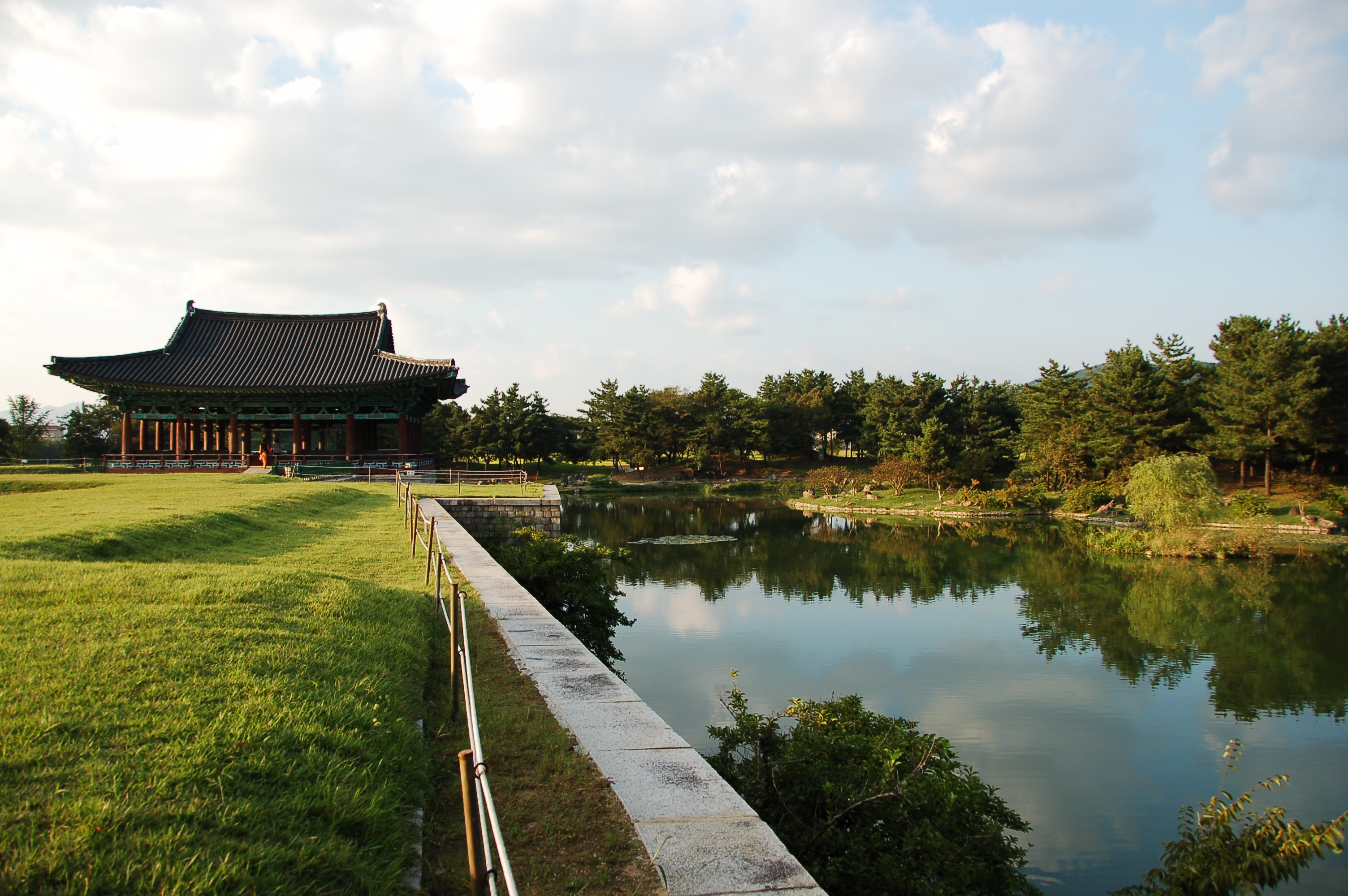
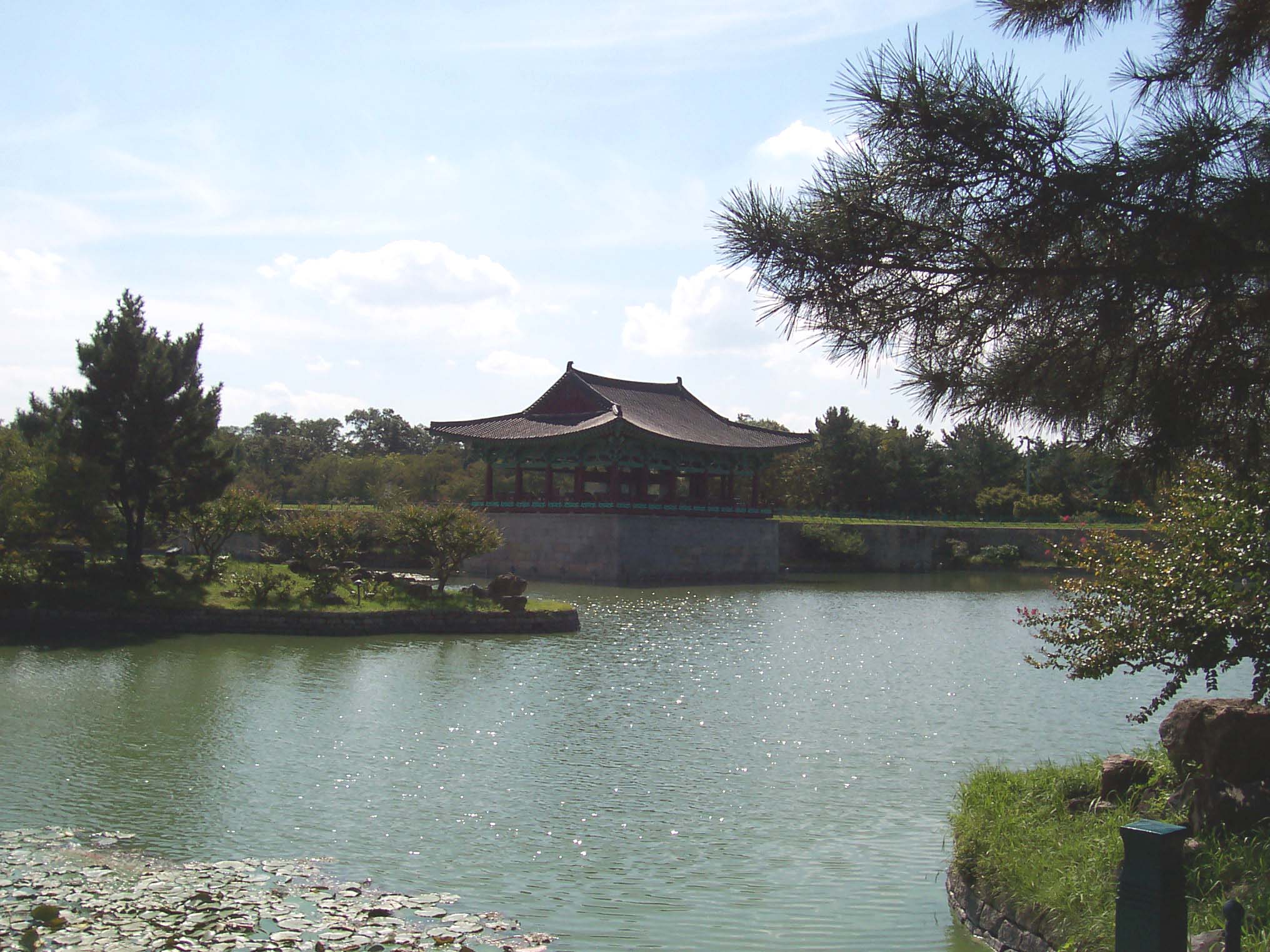
Donggung Palace and Wolji Pond
Oval-shaped artificial pond with islands.
Gyeongju Historic Areas
Extensive ruins of Silla Kingdom structures.