
Explore the Map
Heungdeoksa Temple site
36.6439° N, 127.4719° E
About
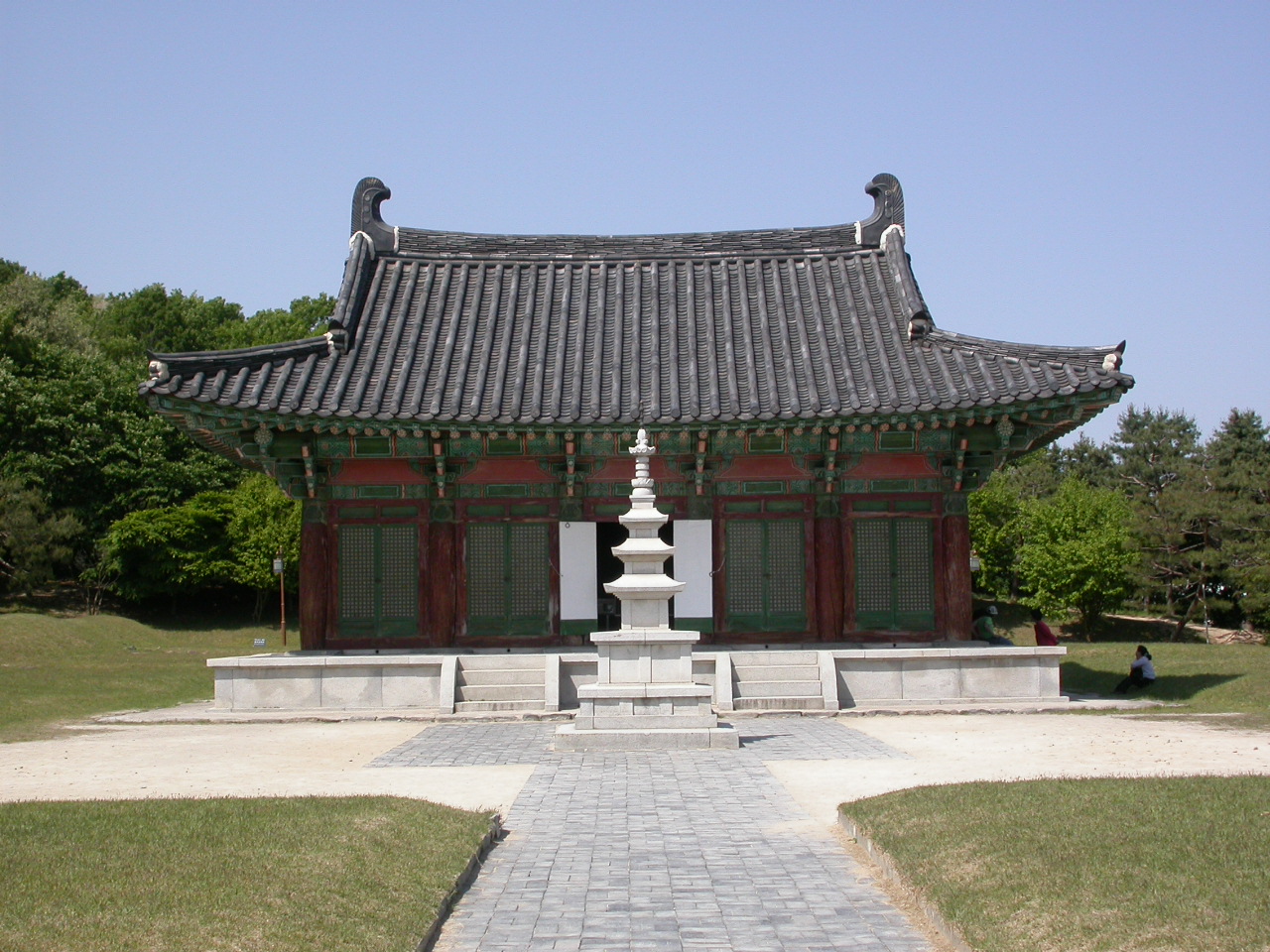
The Heungdeoksa temple site, located in Heungdeok-gu, South Korea, is a historic site marking the location of a significant Buddhist temple from the Unified Silla and Goryeo periods. Constructed prior to 848 CE, the temple was an important religious center until its destruction by fire in the late 1370s CE. Archaeological excavations in 1985 confirmed the temple's location, revealing artifacts such as a bronze gong and bowl with inscriptions, signifying its historical importance. Notably, the temple was the site where the Buljojikjisimcheyojoel, the world's oldest extant book printed with movable metal type, was produced in 1377 CE, predating the Gutenberg Bible. The site's archaeological significance is underscored by its designation as a historic site and the presence of reconstructed elements like a prayer hall and pagoda.
Gallery
Explore photographs of ancient structures, artifacts, and archaeological excavations
Historical Timeline
Journey through time and discover key events in this site's history
Construction of Heungdeoksa Temple
before 848 CE
Destruction by Fire
late 1370s CE
Buljojikjisimcheyojoel Printed
1377 CE
Archaeological Features
Unique architectural and cultural elements found at this historical site
Religious and Ritual Structures
Frequently Asked Questions
Plan Your Visit
Tours, travel arrangements, and practical information
More Sites in South Korea
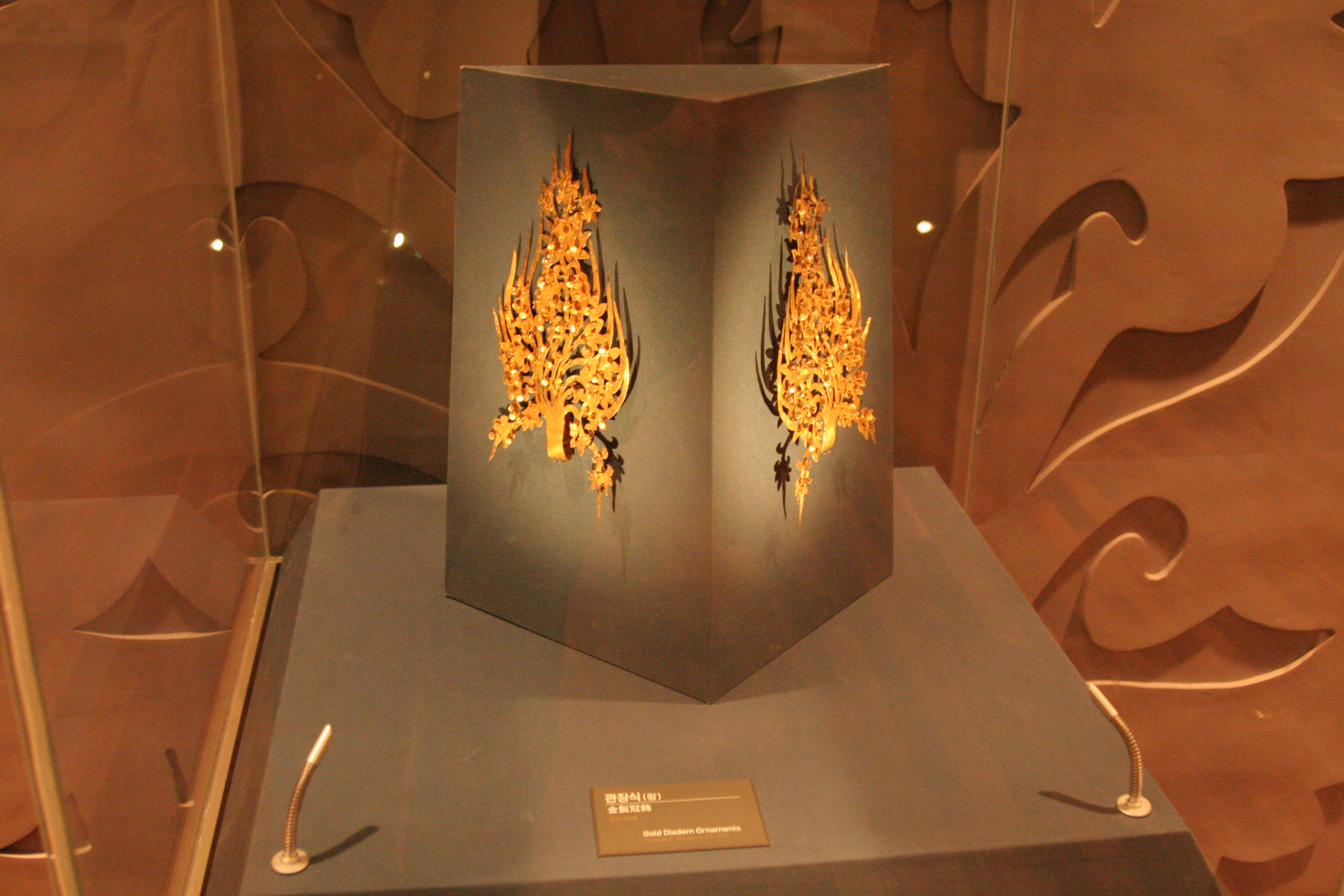
Tomb of King Muryeong
Intact Baekje royal tomb with artifacts.
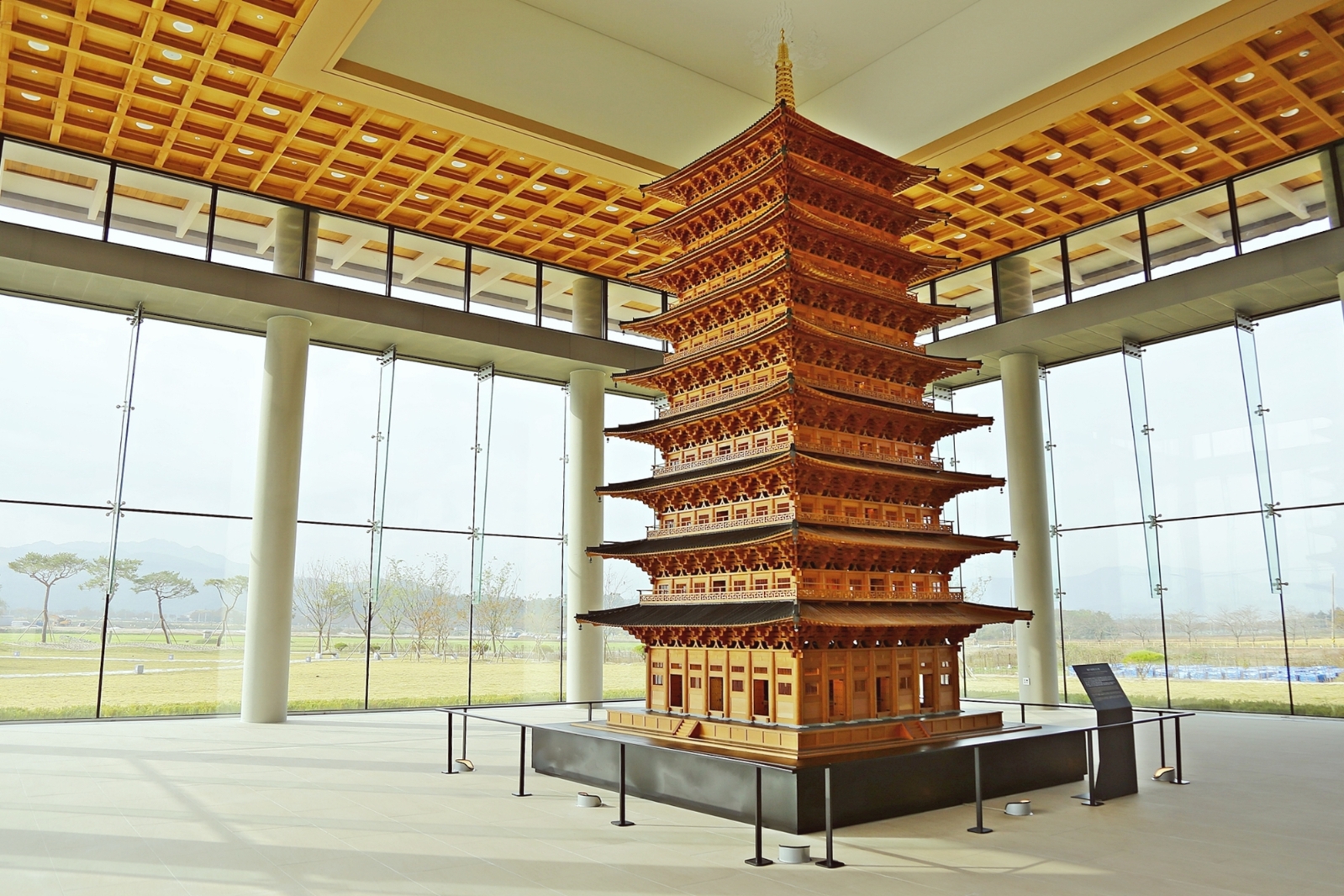
Hwangnyongsa
7th-century wooden Buddhist temple, Gyeongju.
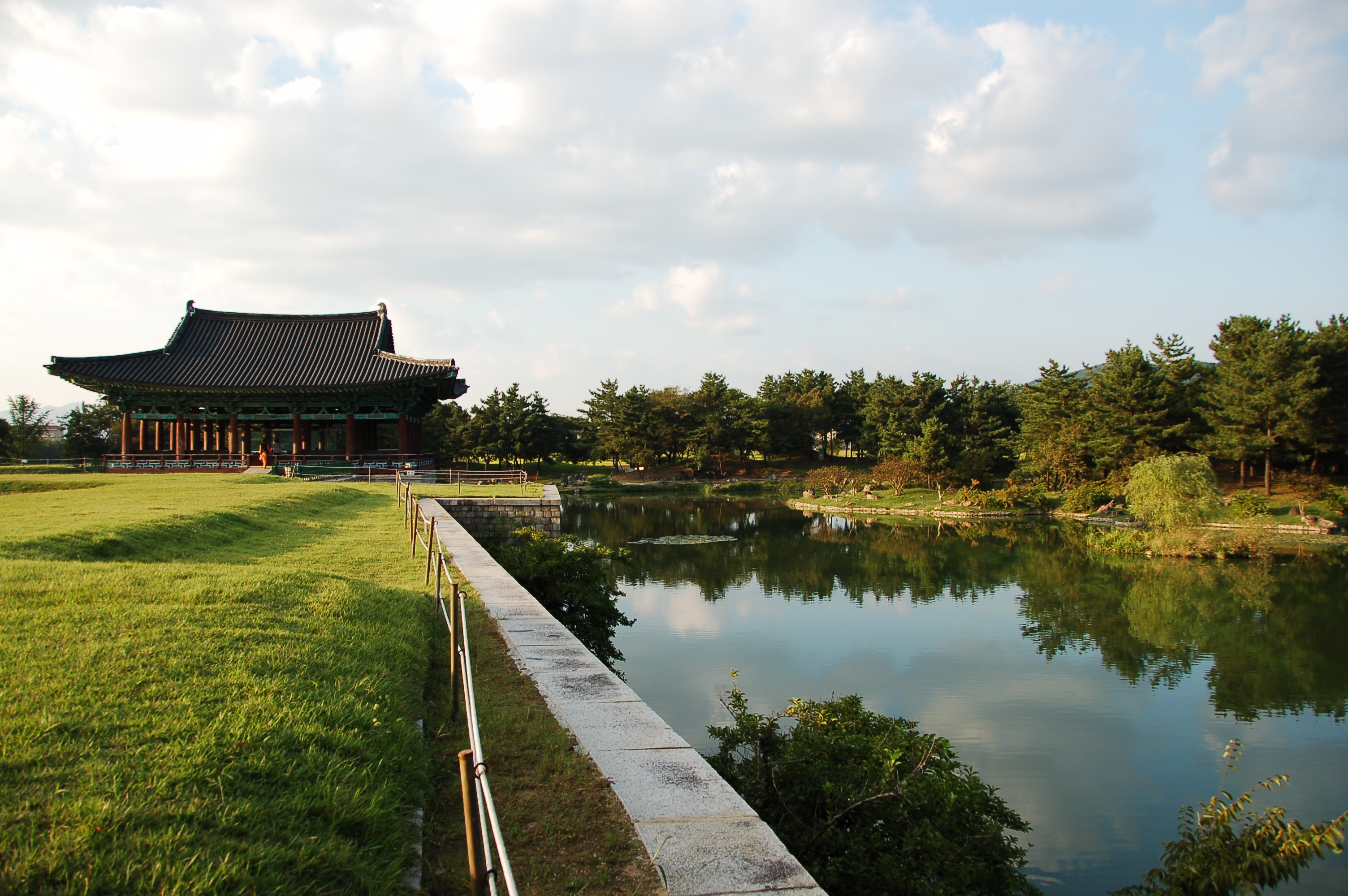
Donggung Palace and Wolji Pond
Oval-shaped artificial pond with islands.
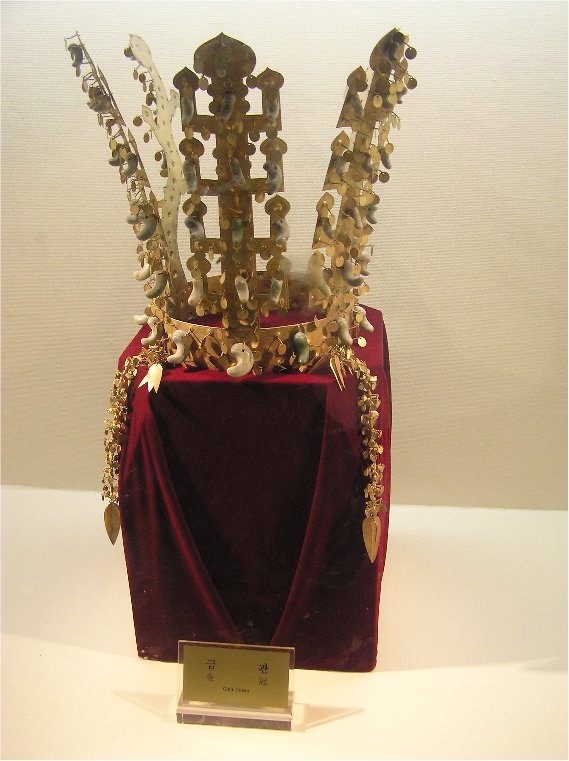
Cheonmachong
Silla tomb with royal artifacts and painting
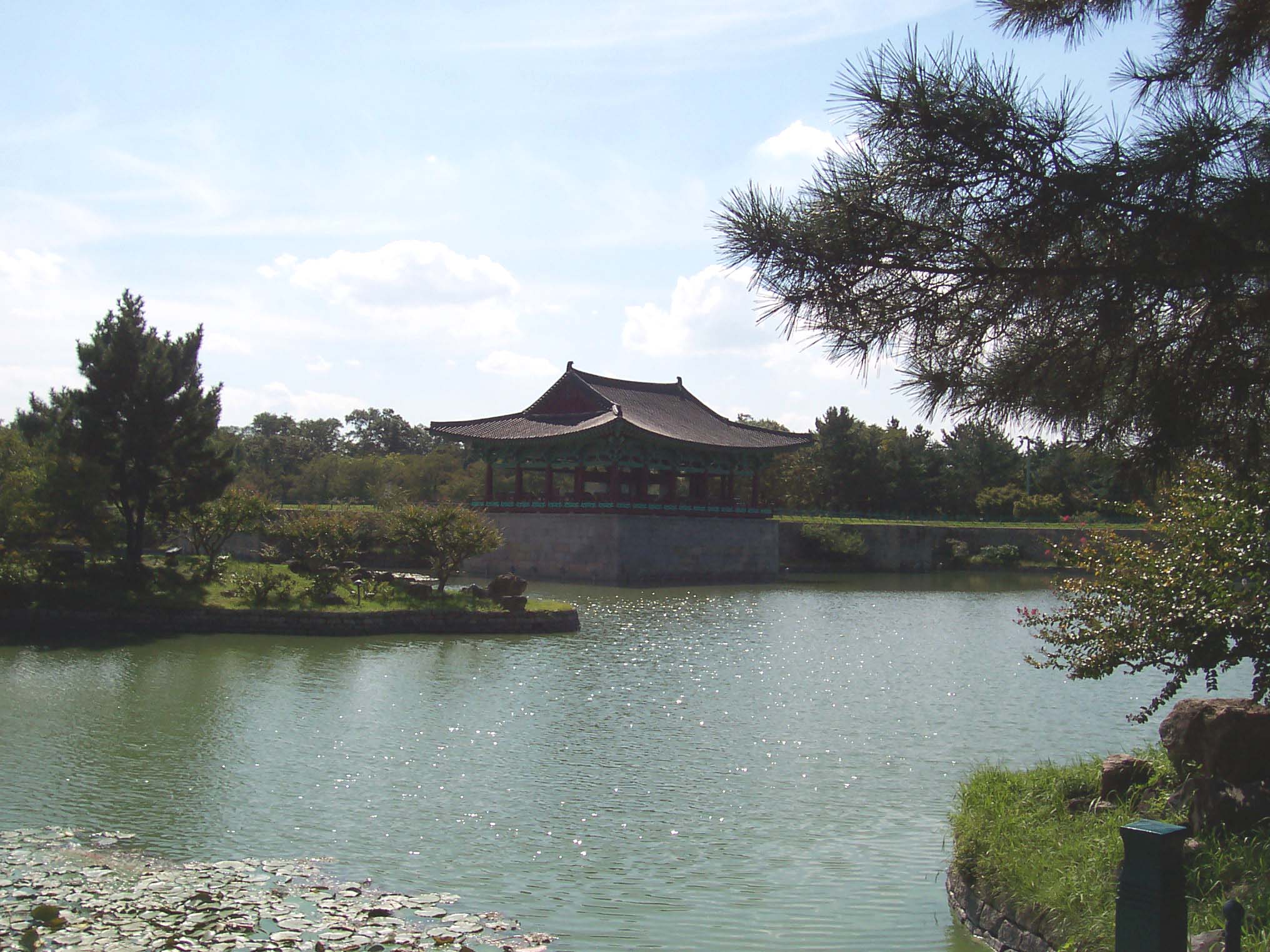
Gyeongju Historic Areas
Extensive ruins of Silla Kingdom structures.
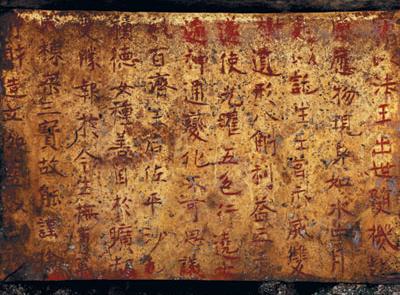
Mireuksa
Largest ancient Baekje Buddhist temple complex