Explore the Map
Donggung Palace and Wolji Pond
35.8346° N, 129.2271° E
About
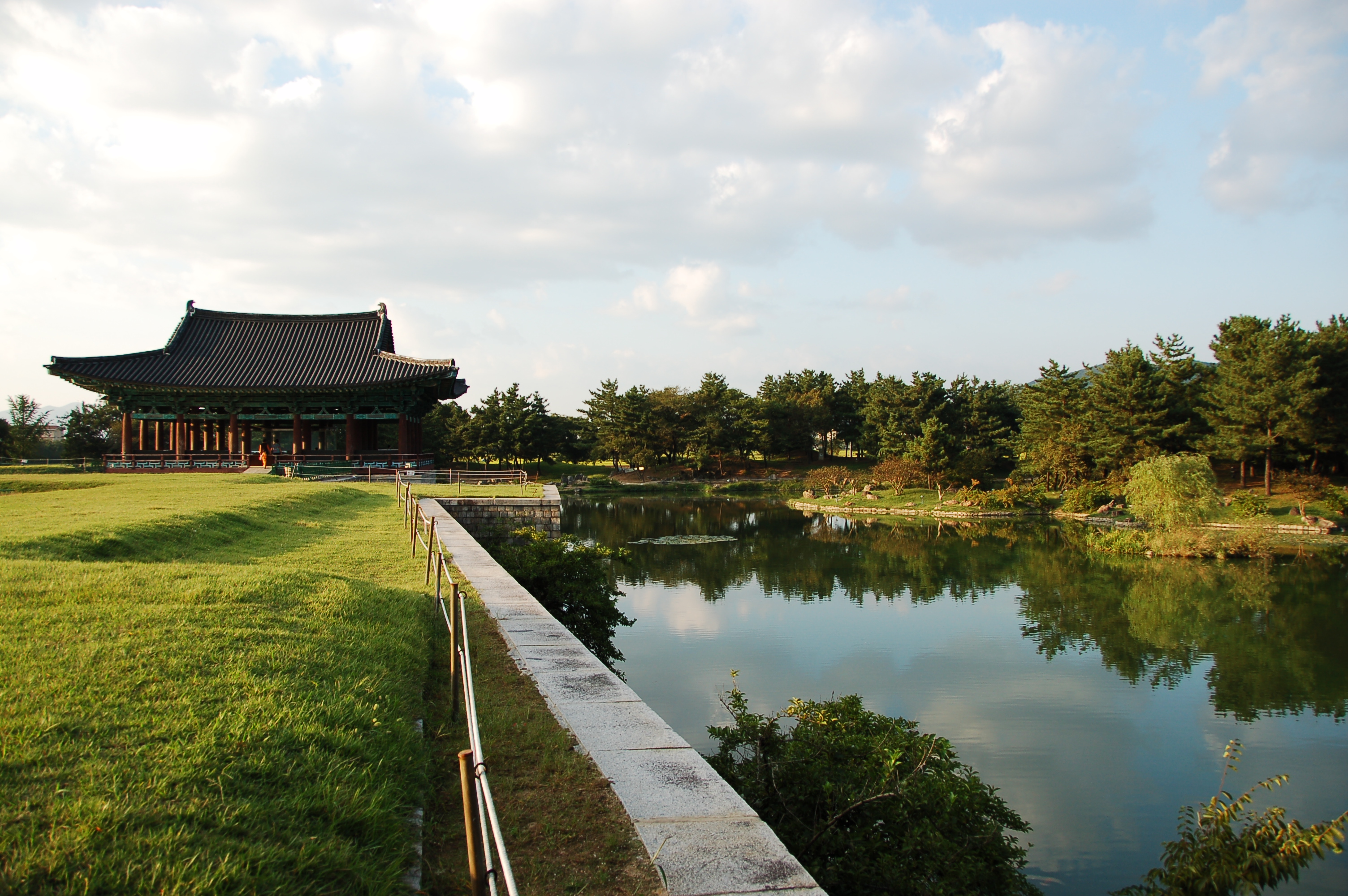
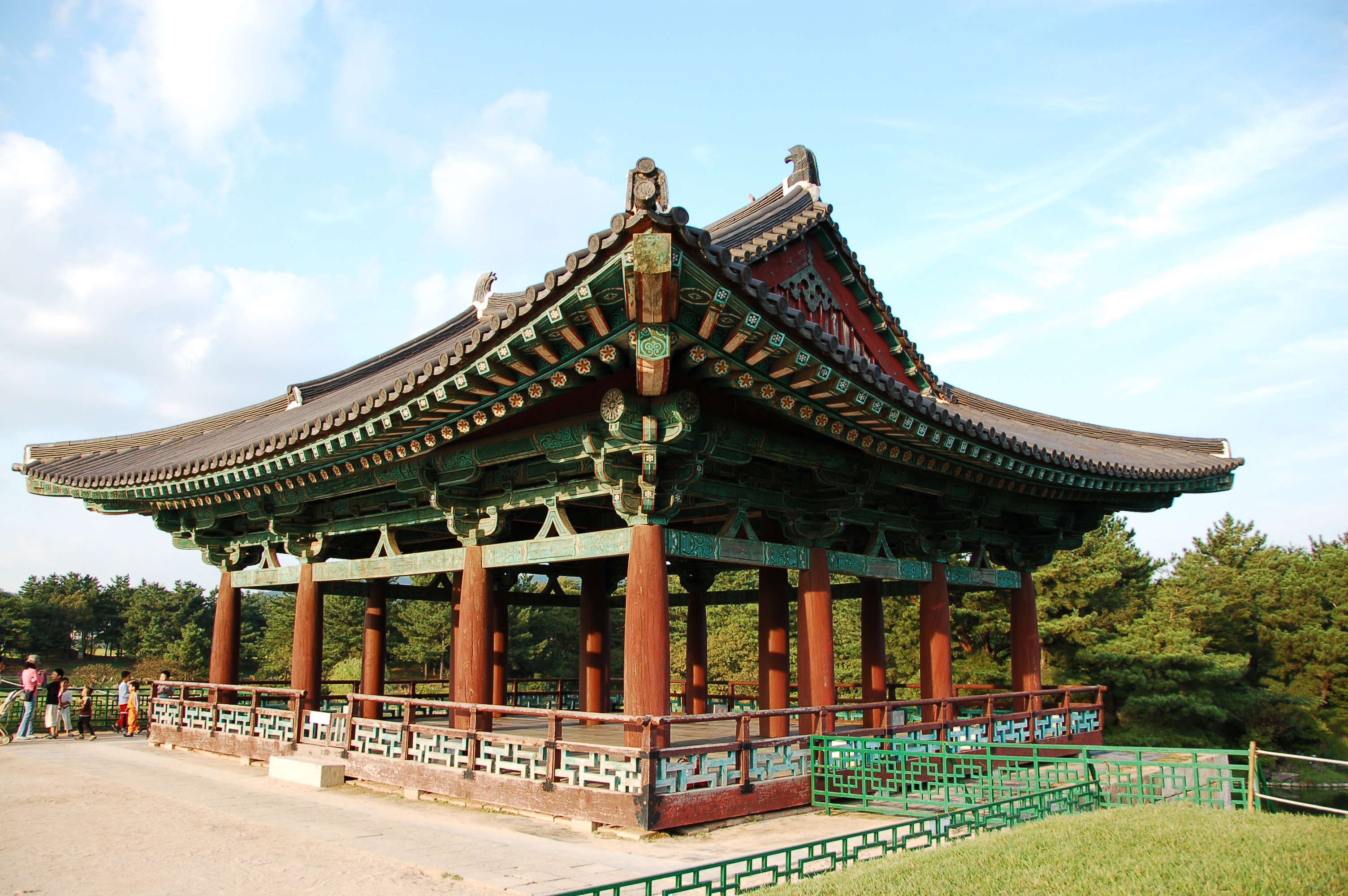
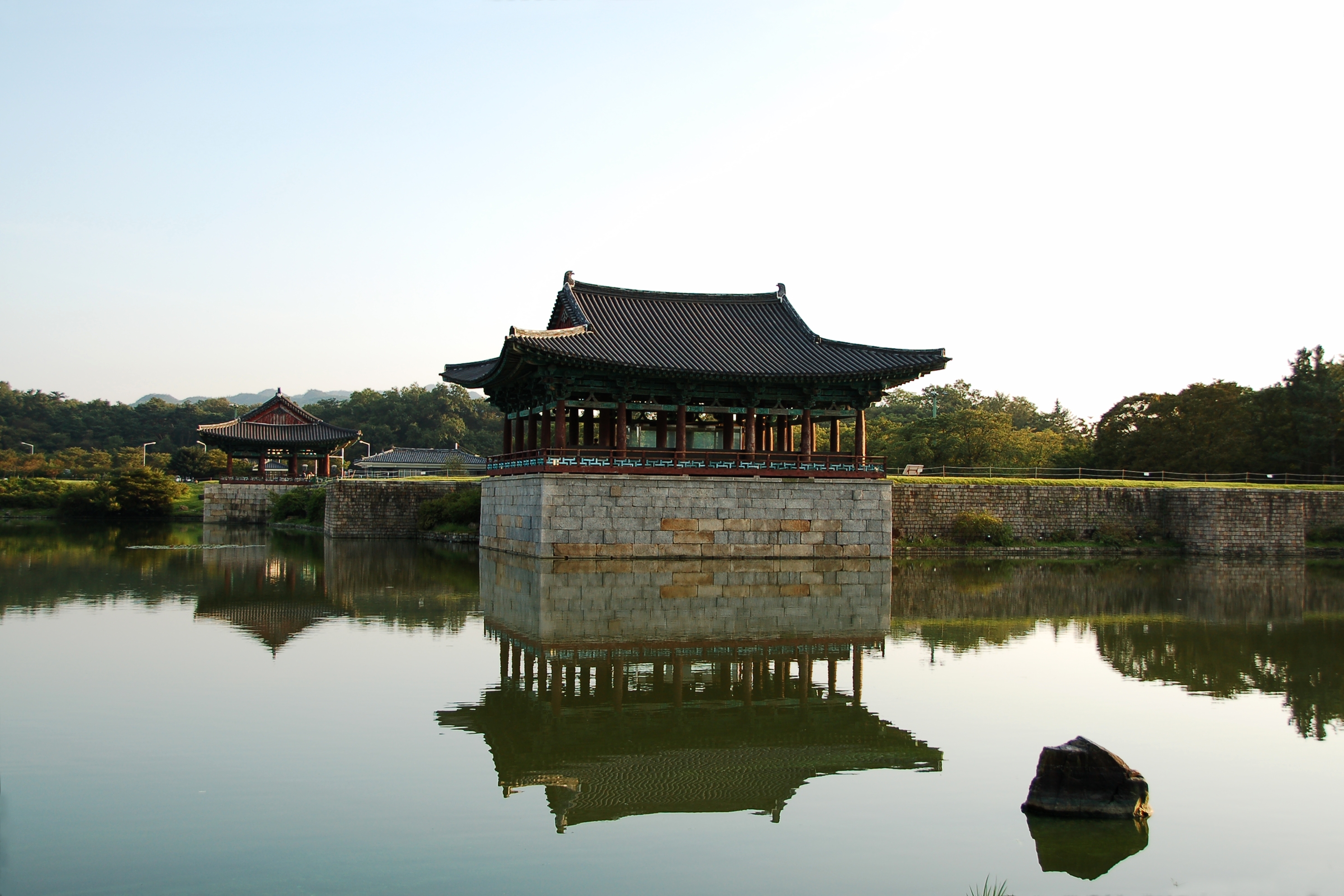
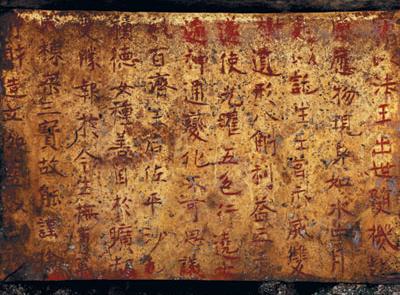
Donggung Palace and Wolji Pond, formerly known as Anapji, is an artificial pond constructed in 674 CE by King Munmu of the Silla Kingdom, during the Early Post-Classical Period. Situated in Gyeongju National Park, South Korea, the site was part of the Silla palace complex and is noted for its oval shape and three small islands. Historical records in Samguk Sagi highlight the pond's beauty and its use for royal purposes, including a significant reception in 931 CE. Archaeological excavations from 1975 to 1986 uncovered approximately 33,000 relics, including architectural materials, pottery, and Buddhist art, revealing insights into Silla's cultural and artistic practices. The site, now a popular tourist destination, displays numerous excavated relics and remains a testament to Silla's sophisticated water management and artistic endeavors.
Gallery
Explore photographs of ancient structures, artifacts, and archaeological excavations
Historical Timeline
Journey through time and discover key events in this site's history
Construction of the Pond
674 CE
Royal Reception
931 CE
Archaeological Features
Unique architectural and cultural elements found at this historical site
Water Management Features
Artistic and Decorative Features
Domestic and Habitation Structures
Plan Your Visit
Tours, travel arrangements, and practical information

More Sites in South Korea
Mireuksa
Largest ancient Baekje Buddhist temple complex
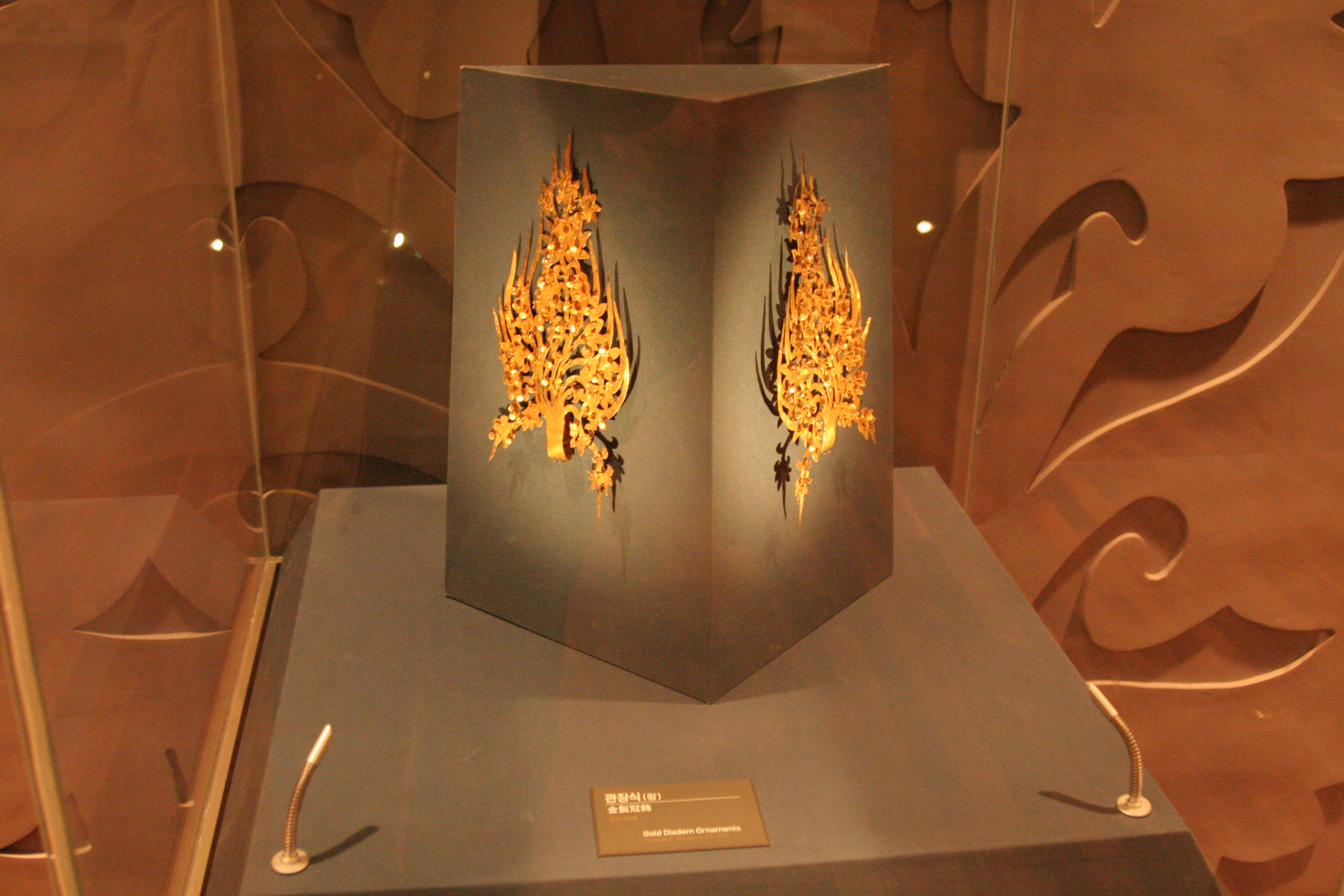
Tomb of King Muryeong
Intact Baekje royal tomb with artifacts.
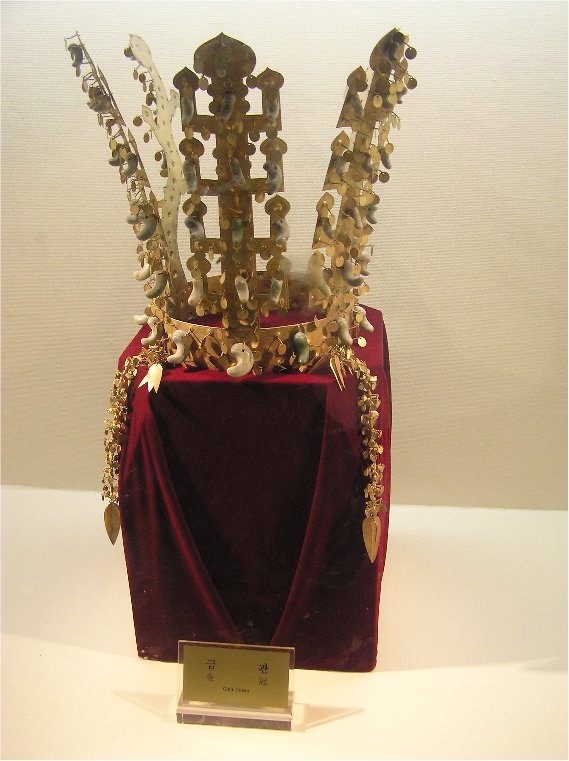
Cheonmachong
Silla tomb with royal artifacts and painting
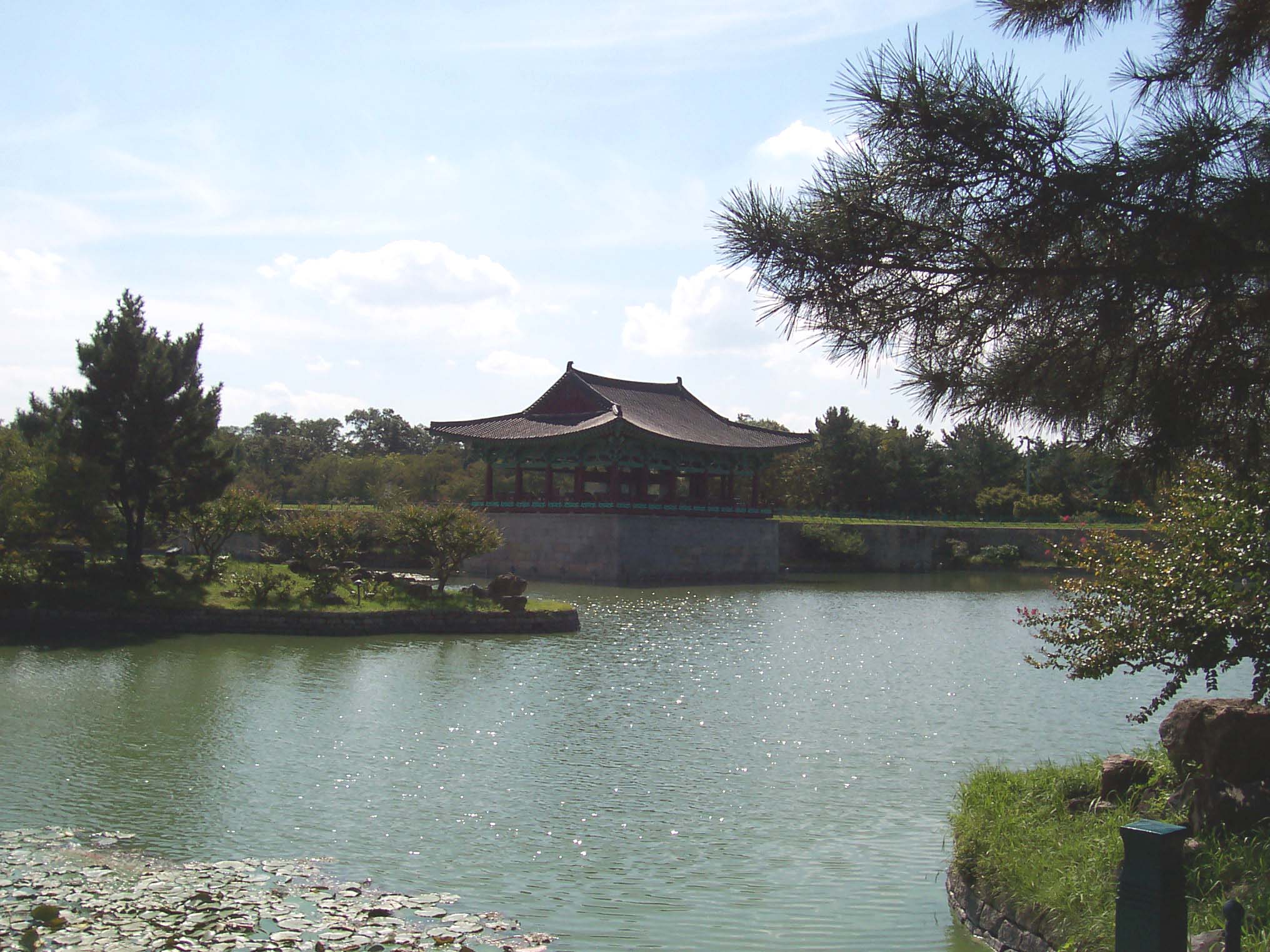
Gyeongju Historic Areas
Extensive ruins of Silla Kingdom structures.
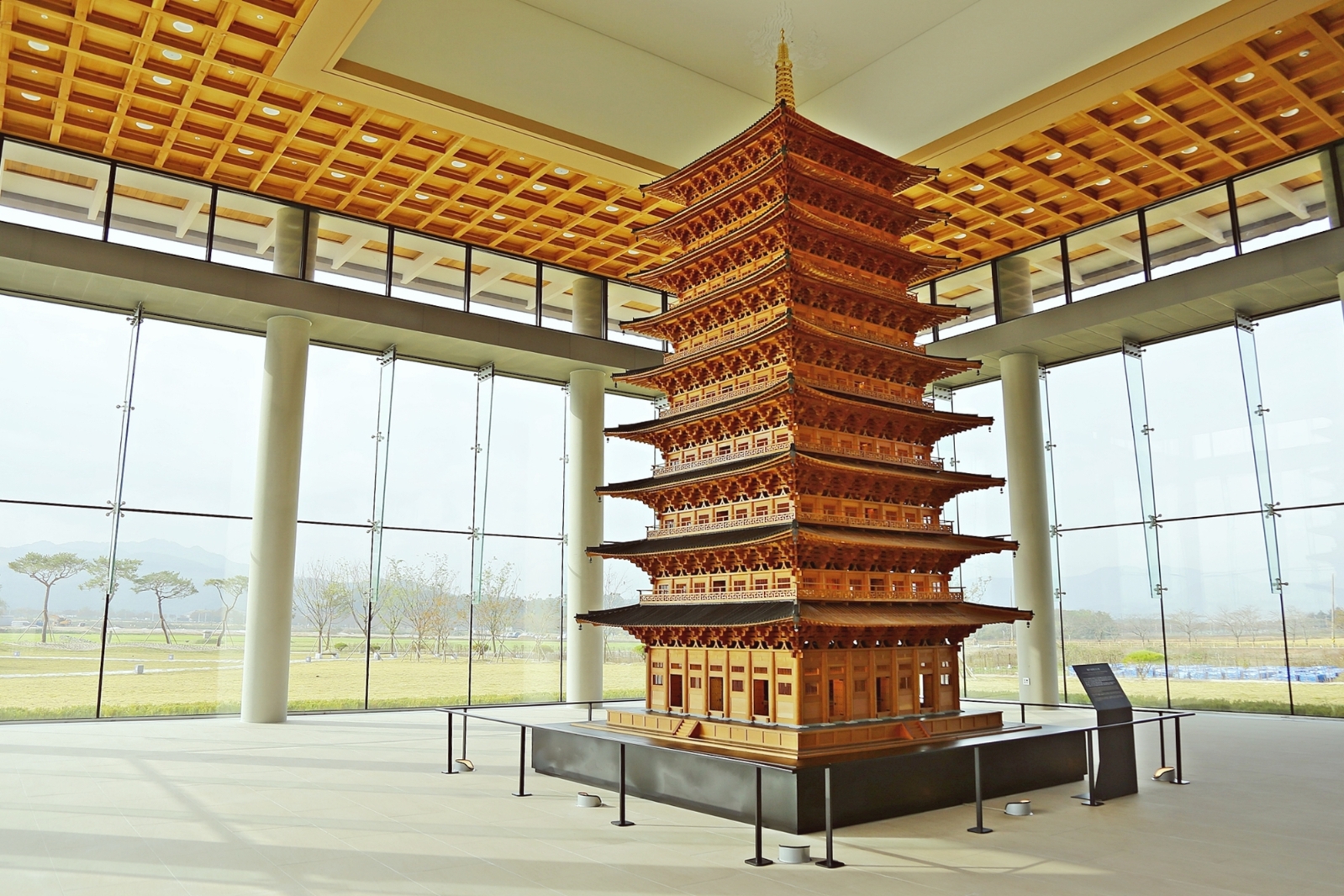
Hwangnyongsa
7th-century wooden Buddhist temple, Gyeongju.
Igeum-dong
Megalithic cemetery and raised-floor buildings.