

Explore the Map
Hwangnyongsa
35.7889° N, 129.2267° E
About
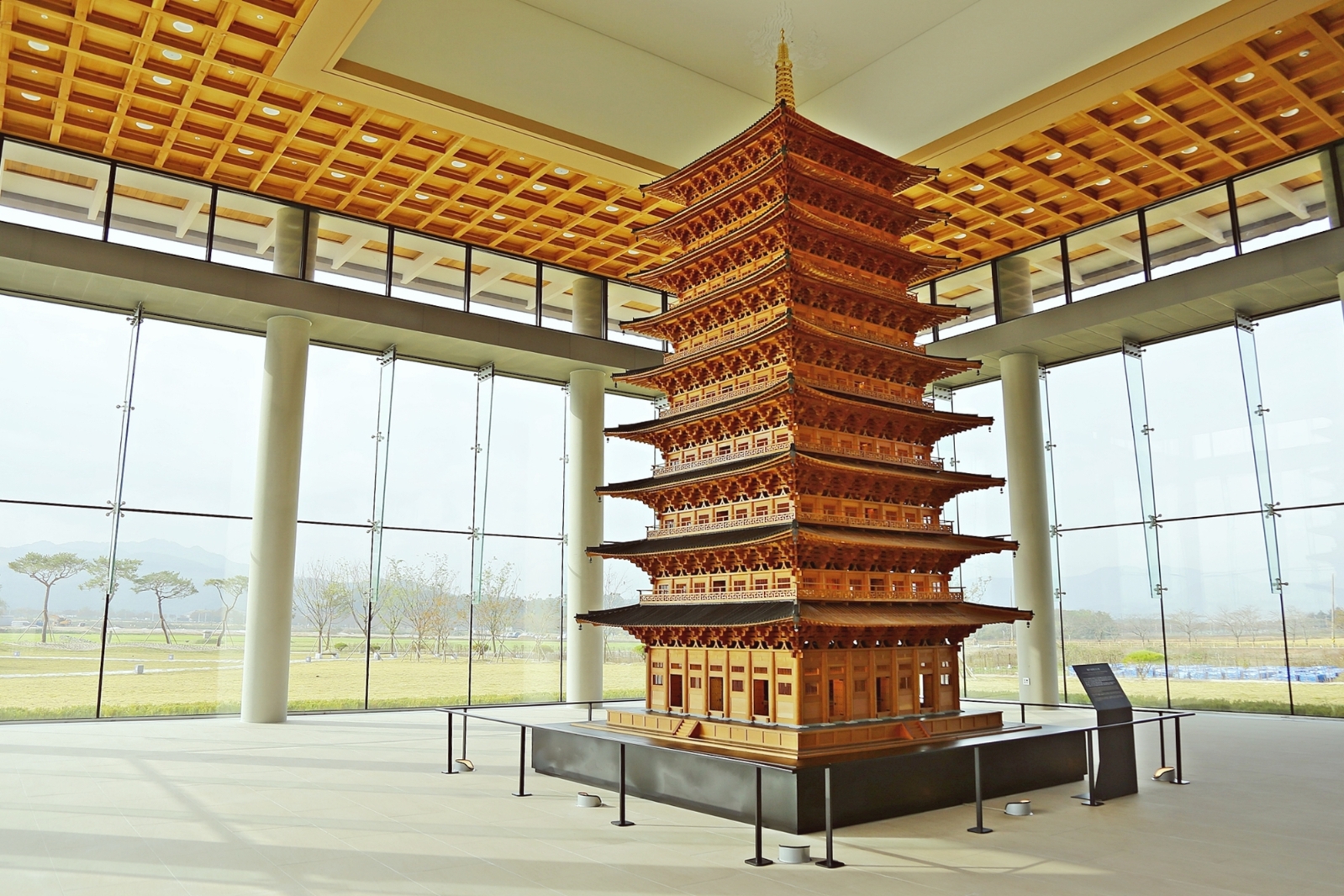
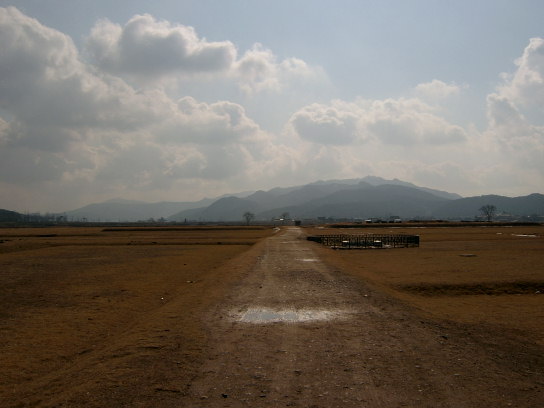
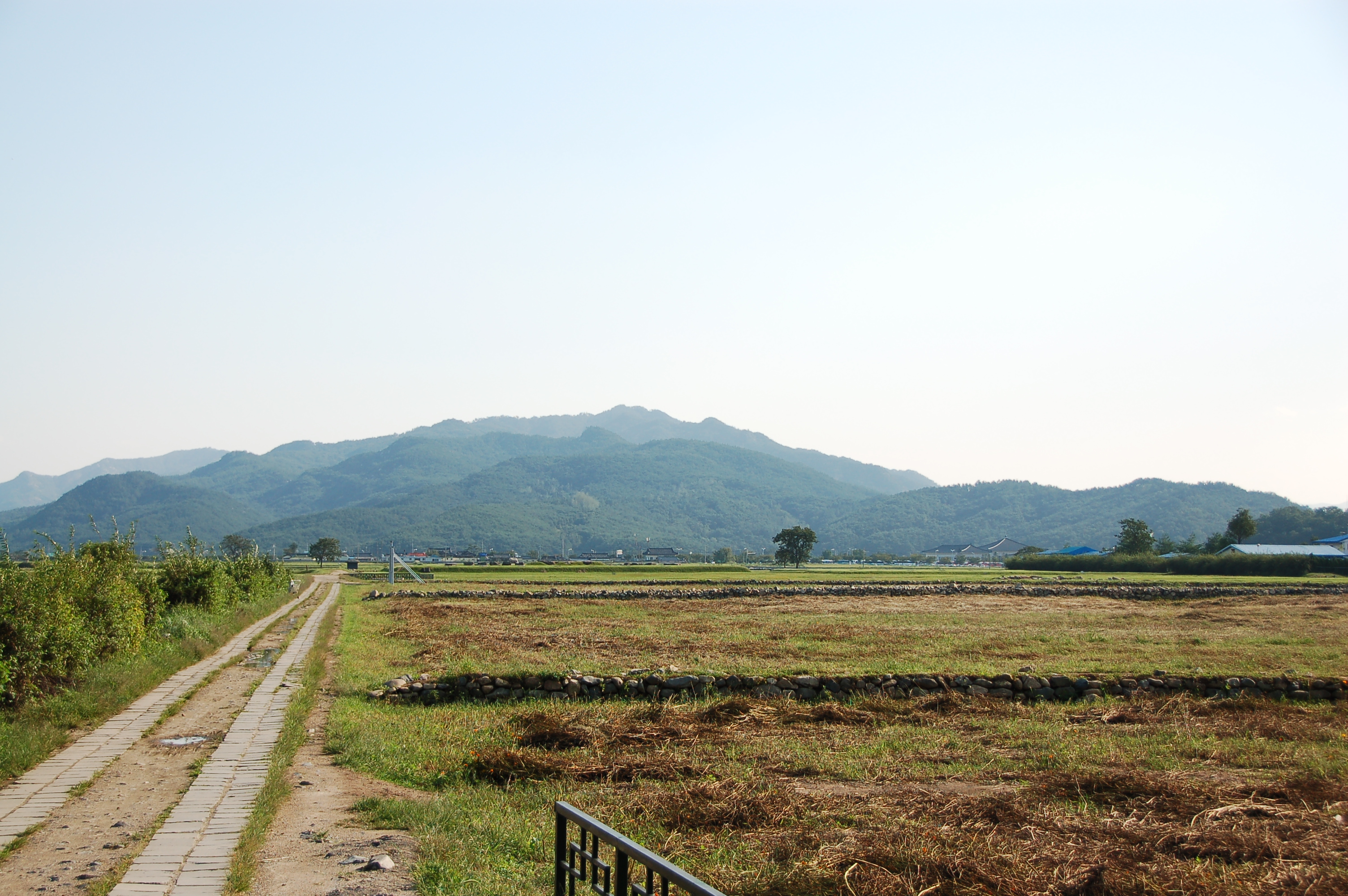
Hwangnyongsa, also known as Hwangnyong Temple, was a significant Buddhist temple constructed in the 7th century in Gyeongju, South Korea. This grand religious structure, notable for its towering nine-story wooden pagoda, was a hub of state-sponsored Buddhism during the Silla and Unified Silla periods. Built under the patronage of the Silla royal family, the temple served both religious and diplomatic purposes, showcasing Silla's architectural prowess and spiritual devotion. The temple featured a massive golden Buddha statue, which, according to legend, was crafted from gold sent by King Ashoka of India. Although the original structure was destroyed in the 13th century during Mongolian invasions, its remnants and historical significance continue to highlight the cultural and religious achievements of ancient Korea.
Gallery
Explore photographs of ancient structures, artifacts, and archaeological excavations
Historical Timeline
Journey through time and discover key events in this site's history
Temple Construction Begins
553 CE
Temple Completion
644 CE
Nine-Story Pagoda Built
660s CE
Pagoda Destruction
1238 CE
Archaeological Features
Unique architectural and cultural elements found at this historical site
Religious and Ritual Structures
Artistic and Decorative Features
Plan Your Visit
Tours, travel arrangements, and practical information
More Sites in South Korea
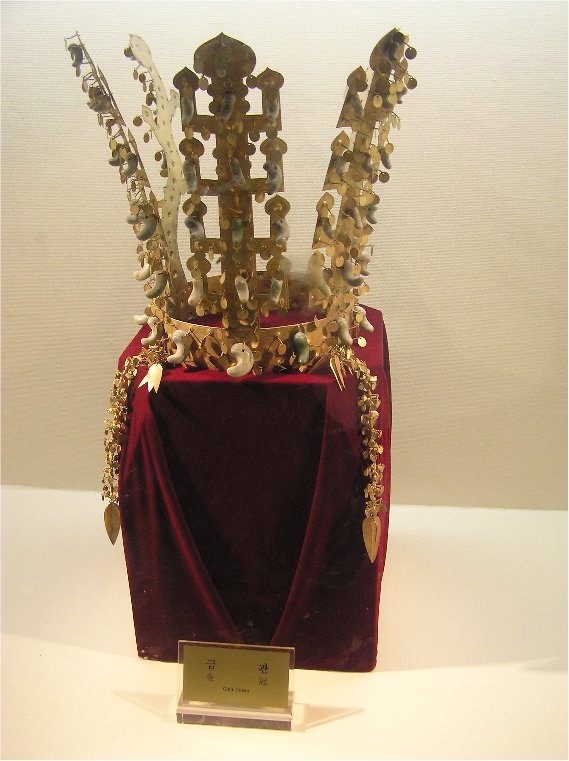
Cheonmachong
Silla tomb with royal artifacts and painting
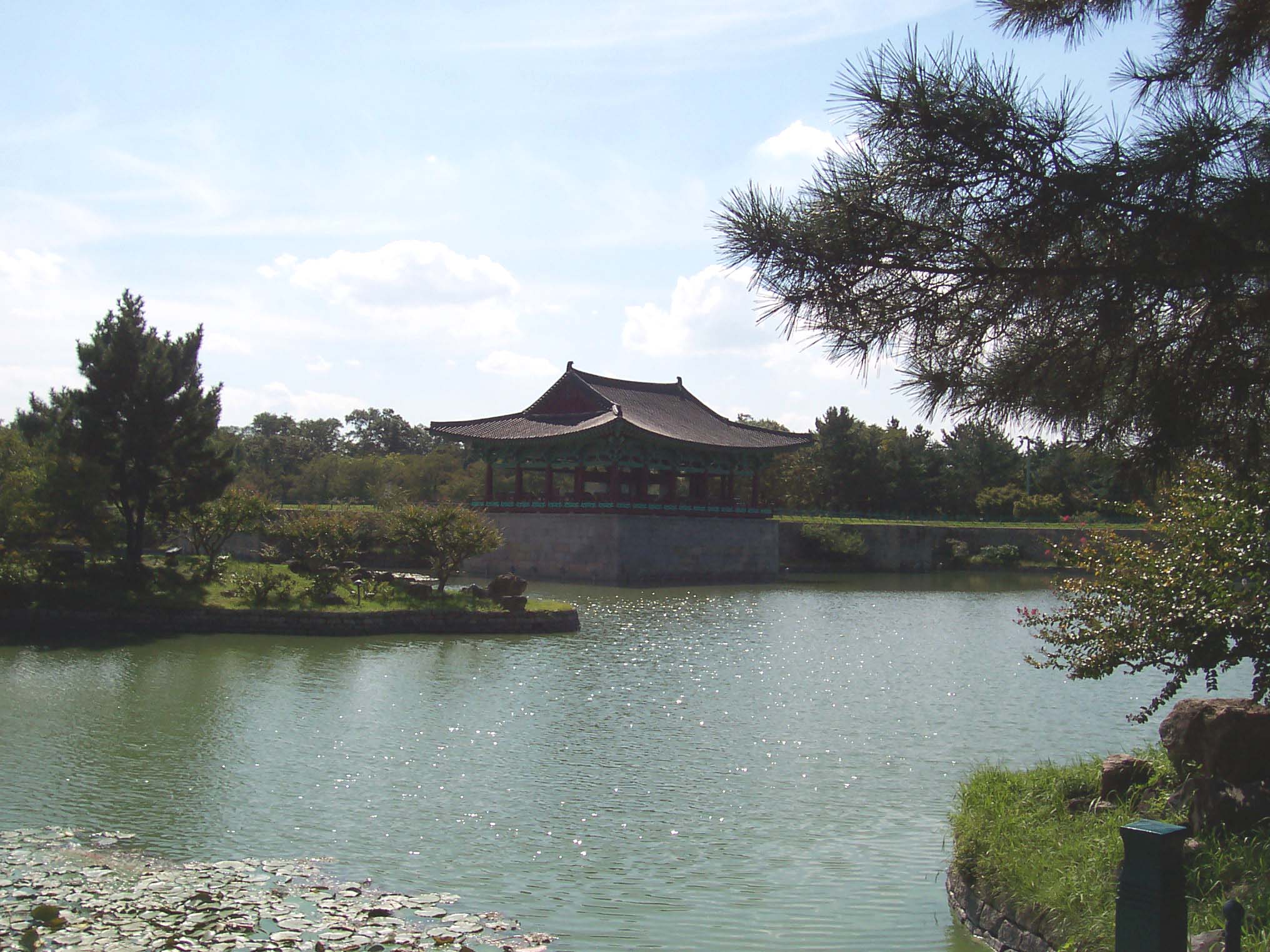
Gyeongju Historic Areas
Extensive ruins of Silla Kingdom structures.
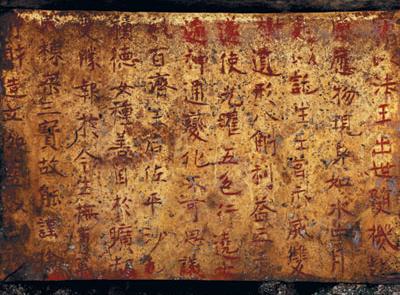
Mireuksa
Largest ancient Baekje Buddhist temple complex
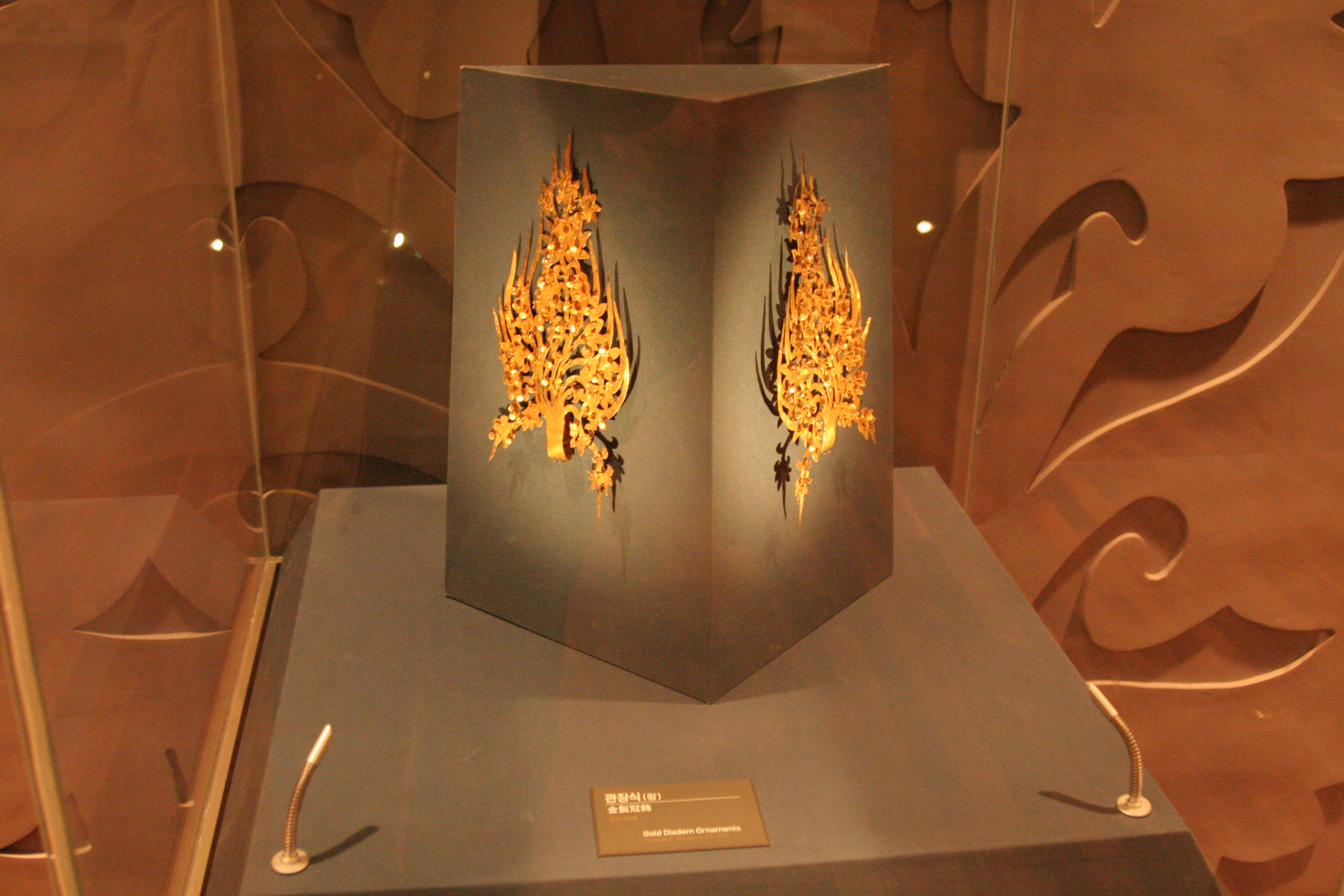
Tomb of King Muryeong
Intact Baekje royal tomb with artifacts.
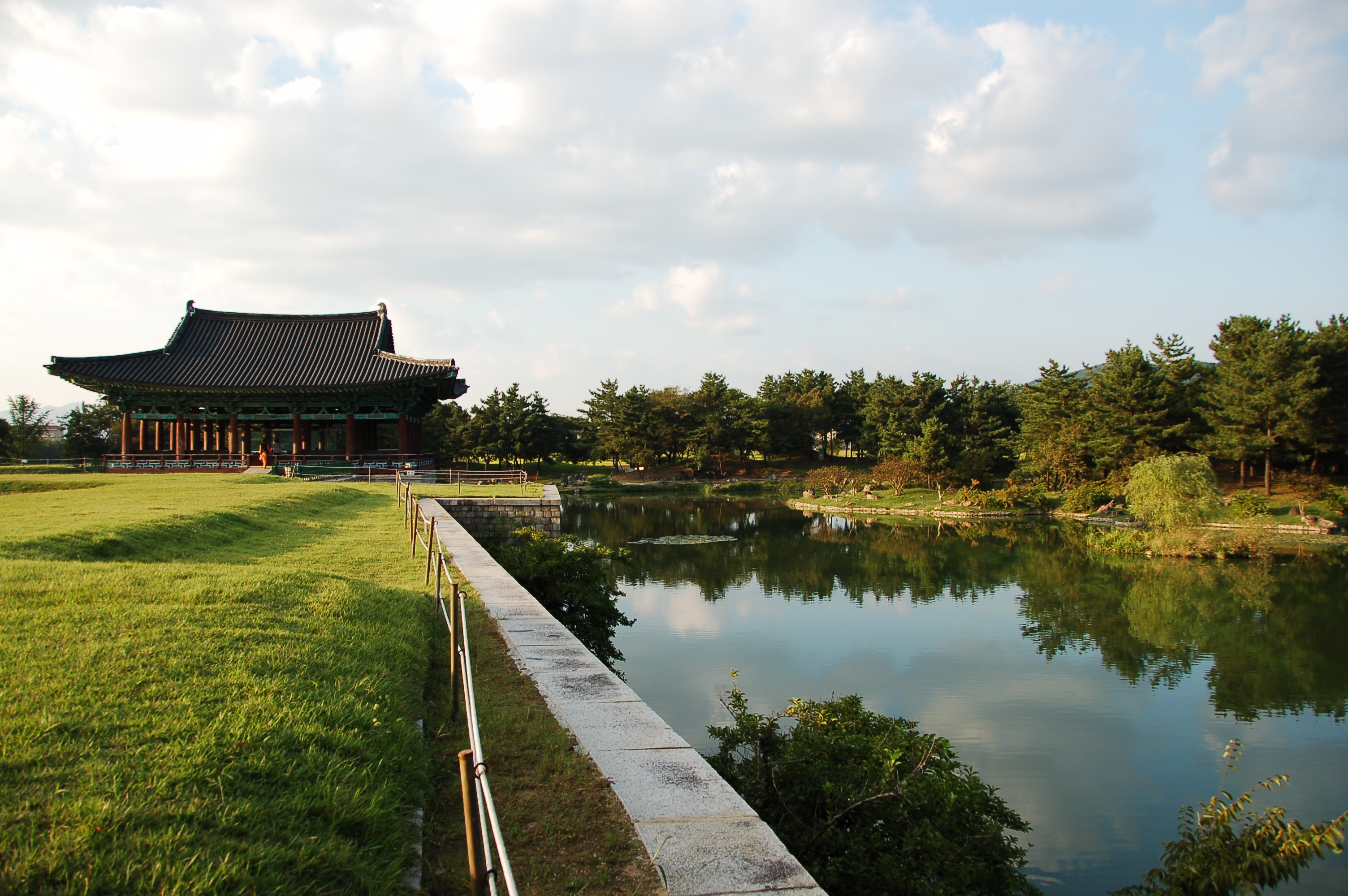
Donggung Palace and Wolji Pond
Oval-shaped artificial pond with islands.
Seokguram Grotto and Bulguksa Temple
<p>Established in the 8th century on the slopes of Mount Toham, the Seokguram Grotto contains a monumental statue of the Buddha looking at the sea in the…