Explore the Map
Banwolseong
35.8313° N, 129.2233° E
About
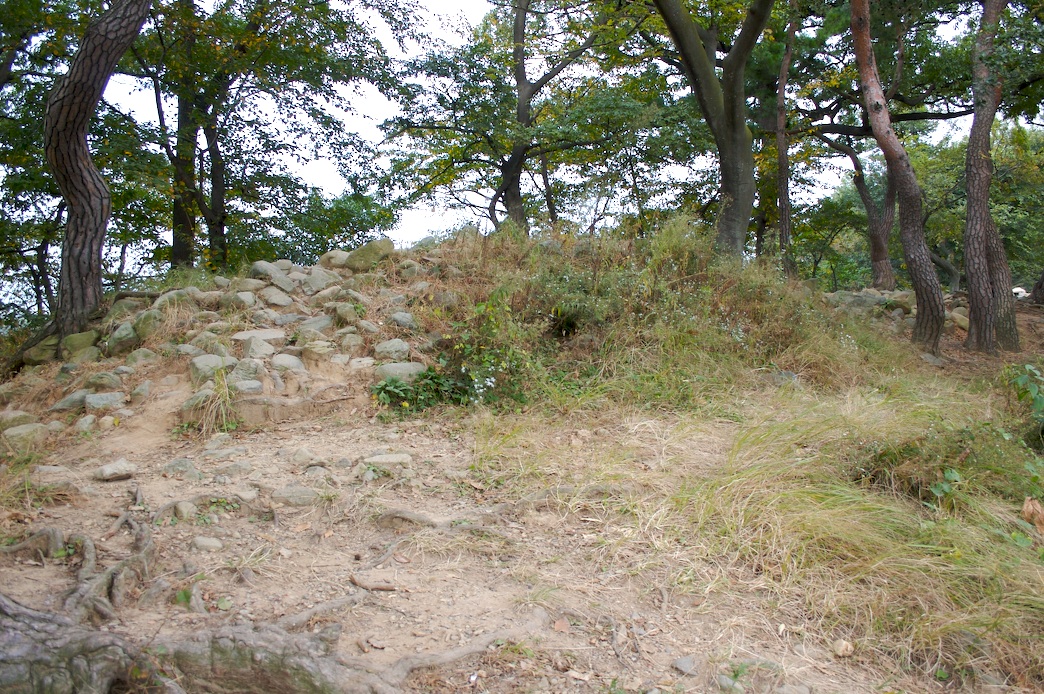
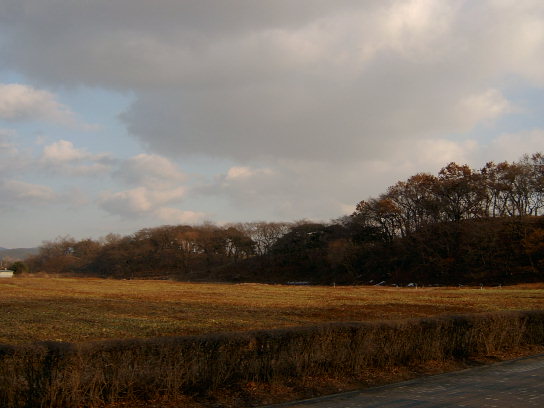
The Wolseong Palace Site in Gyeongju, also known as Banwolseong, was a significant royal compound during the Silla and Unified Silla periods, spanning from 57 BCE to 938 CE. The site is characterized by its crescent-shaped fortress walls, which inspired its name, meaning 'Half Moon Fortress.' Notable for its lush surroundings, the site is part of the Gyeongju Historic Areas, recognized as a UNESCO World Heritage site. Archaeological excavations suggest its construction dates back to the 4th century CE. Evidence of human sacrifice rituals was discovered at the main entrance, indicating the cultural practices of the period. The palace included various structures such as gates, halls for governmental affairs, and natural defense provided by the Namcheon River. Additionally, features like the Seokbinggo icehouse highlight the site's architectural and historical significance.
Gallery
Explore photographs of ancient structures, artifacts, and archaeological excavations
Historical Timeline
Journey through time and discover key events in this site's history
Construction of Banwolseong
4th century CE
Silla Dynasty Human Sacrifice
4th century CE
Archaeological Features
Unique architectural and cultural elements found at this historical site
Defensive Structures
Burial and Funerary Structures
Domestic and Habitation Structures
Plan Your Visit
Tours, travel arrangements, and practical information
More Sites in South Korea
Tomb of King Muryeong
Intact Baekje royal tomb with artifacts.
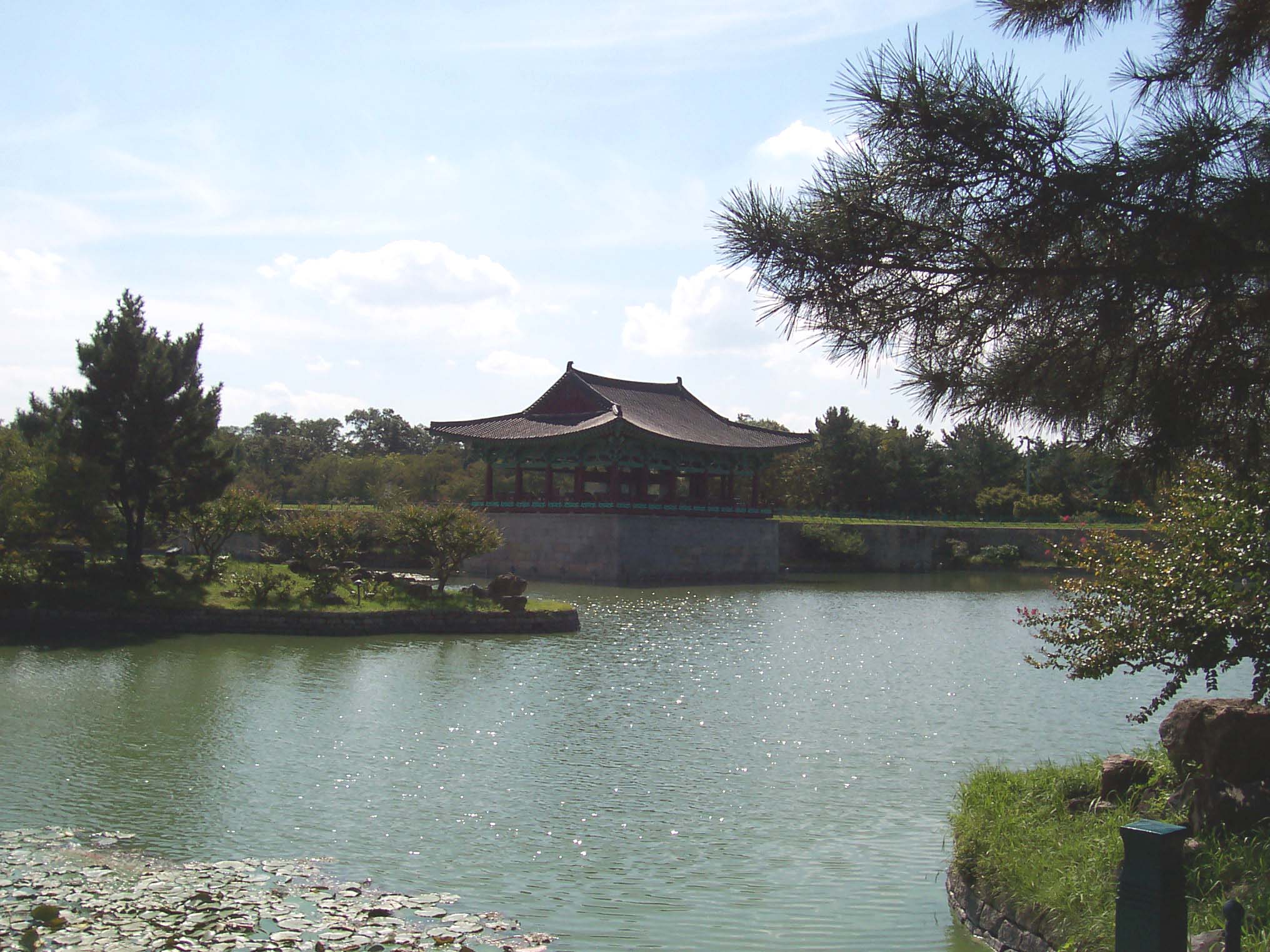
Gyeongju Historic Areas
Extensive ruins of Silla Kingdom structures.
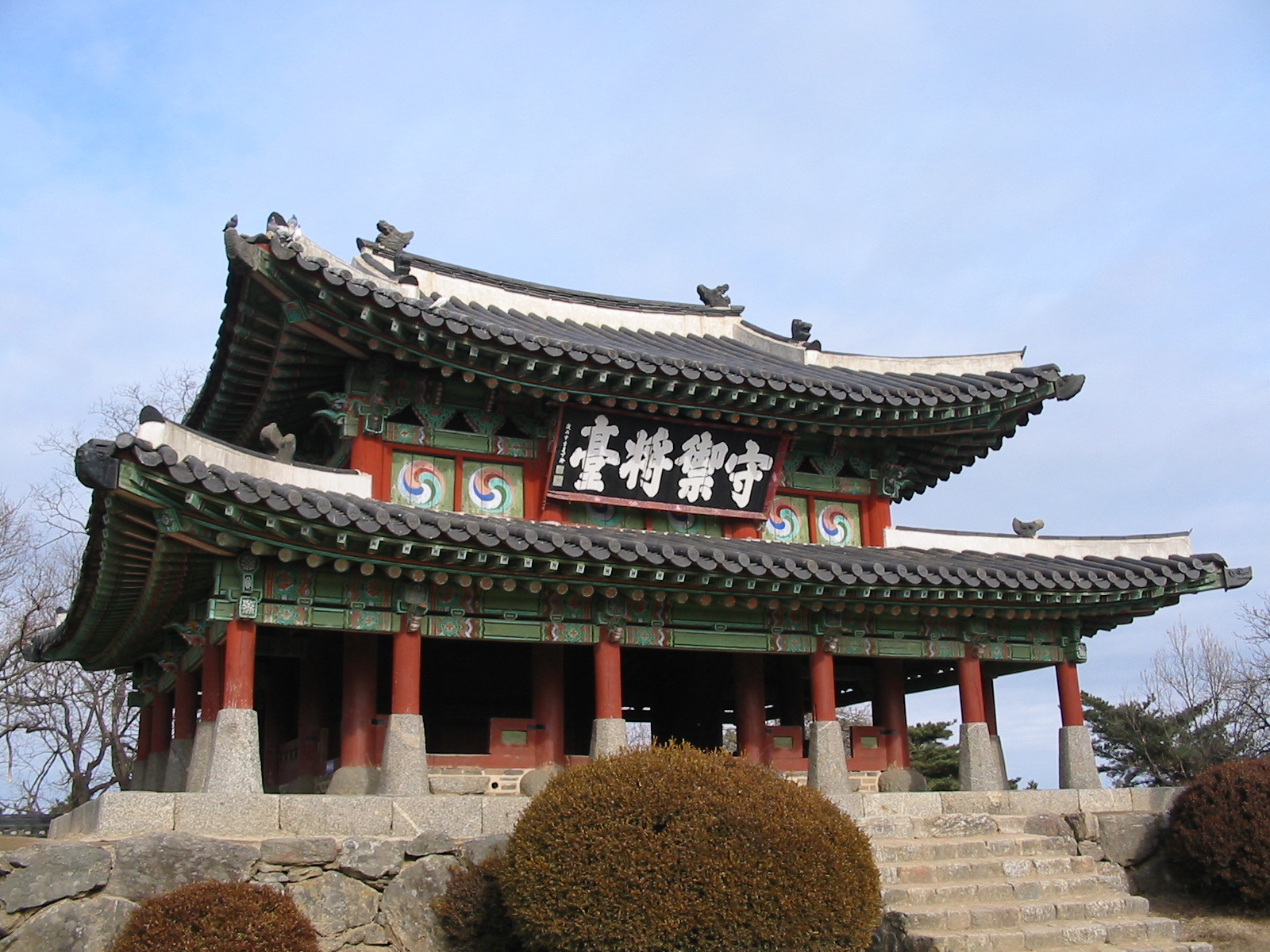
Achasanseong
Earthen mountain fortress from Three Kingdoms period
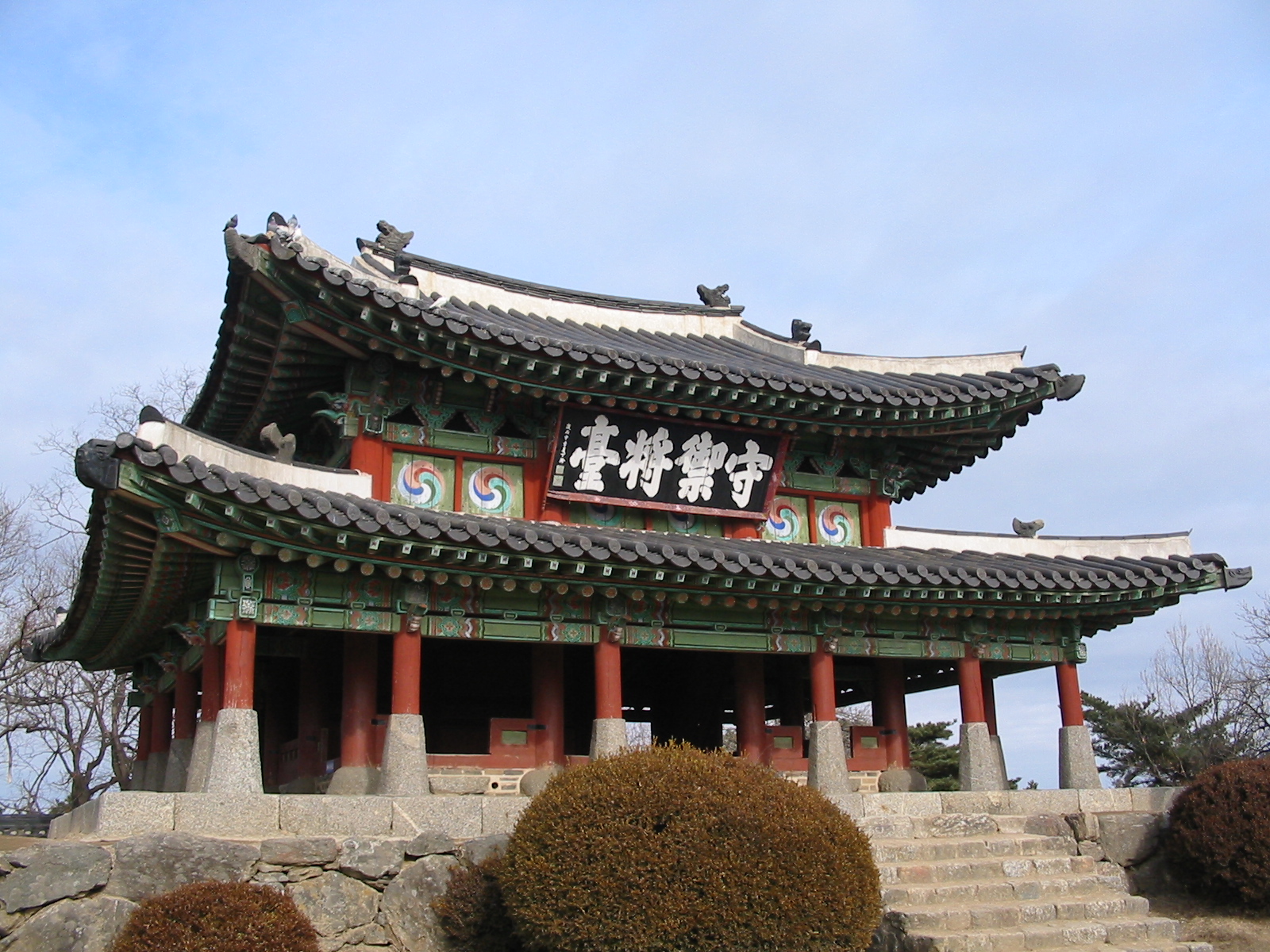
Pungnaptoseong
Oval earthen fortification near Han River.
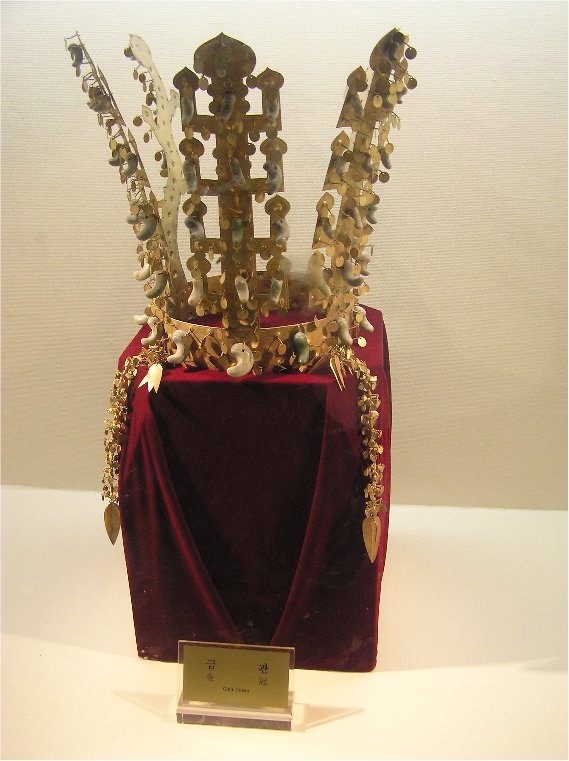
Cheonmachong
Silla tomb with royal artifacts and painting
Mireuksa
Largest ancient Baekje Buddhist temple complex