Explore the Map
Pungnaptoseong
37.5303° N, 127.1162° E
About
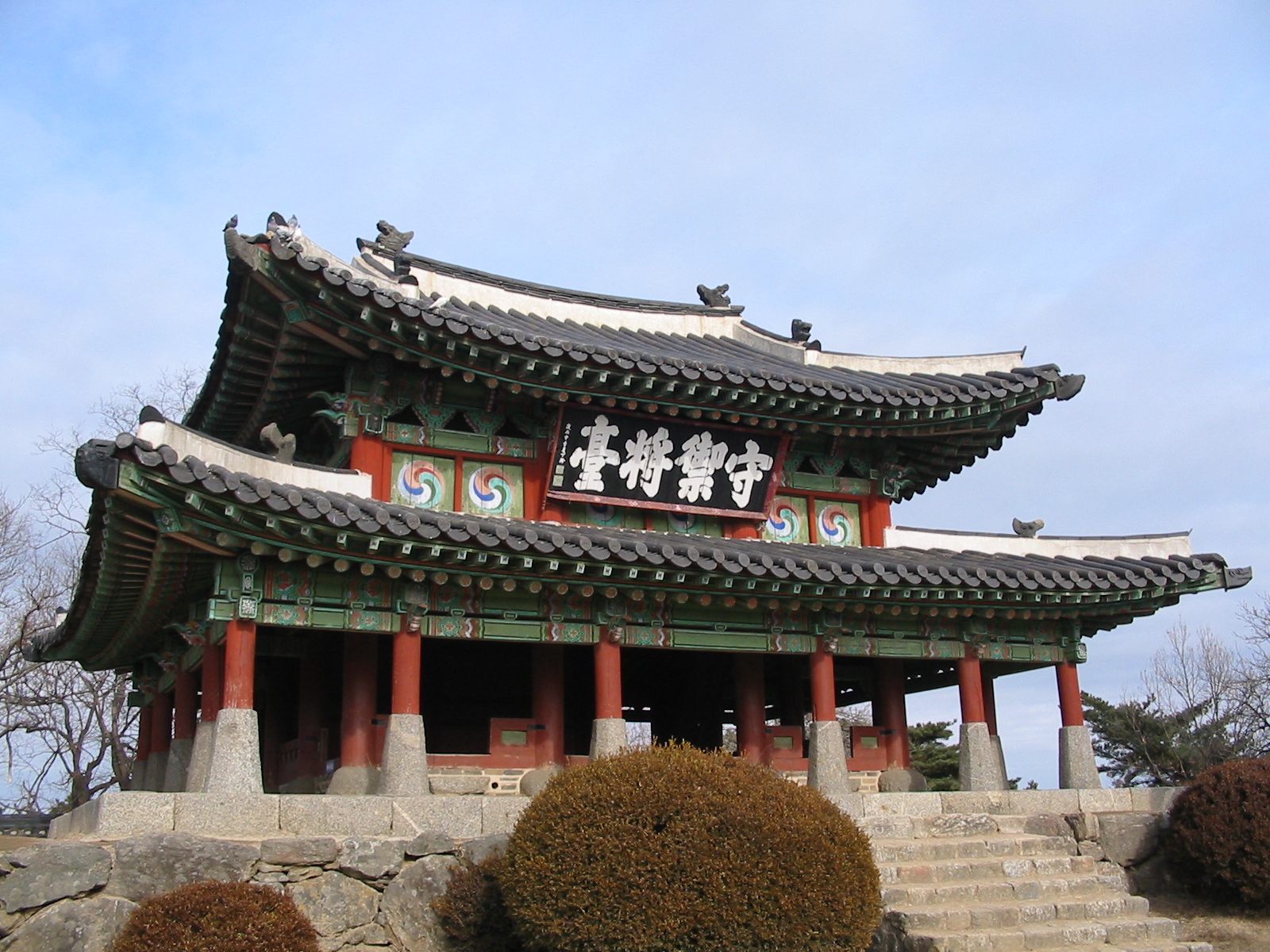
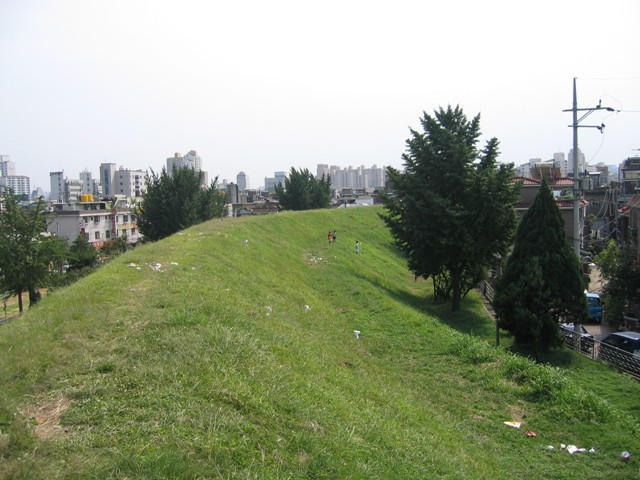
Pungnap Toseong is an ancient earthen fortification located in Pungnap-dong, Seoul, South Korea. With a circumference of approximately 3.5 km and an area of nearly 859,508 m², it is a significant archaeological site believed to be Hanam Wiryeseong, the first capital of the Baekje kingdom. This defensive structure, characterized by its oval shape, was strategically built at the edge of the Han River. The fortification's walls, composed mainly of sandy soil, grit, clayish soil, and muddy soil, were originally 2.7 km long. The construction technique involved layering pebbles and trimmed stones with mud, forming a trapezoidal shape. Despite partial destruction by flooding, it remains an important cultural and historical landmark, offering insights into the architectural and defensive strategies of early Korean states.
Gallery
Explore photographs of ancient structures, artifacts, and archaeological excavations
Historical Timeline
Journey through time and discover key events in this site's history
Construction of Hanam Wiryeseong
18 BCE
Archaeological Features
Unique architectural and cultural elements found at this historical site
Defensive Structures
Frequently Asked Questions
Plan Your Visit
Tours, travel arrangements, and practical information
More Sites in South Korea
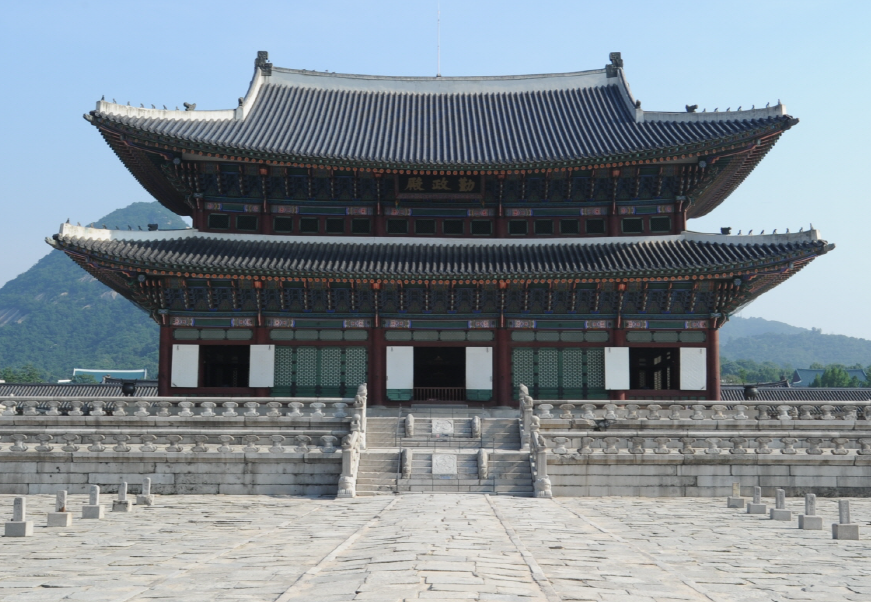
Daepyeong
Complex prehistoric site with ditch-enclosures.
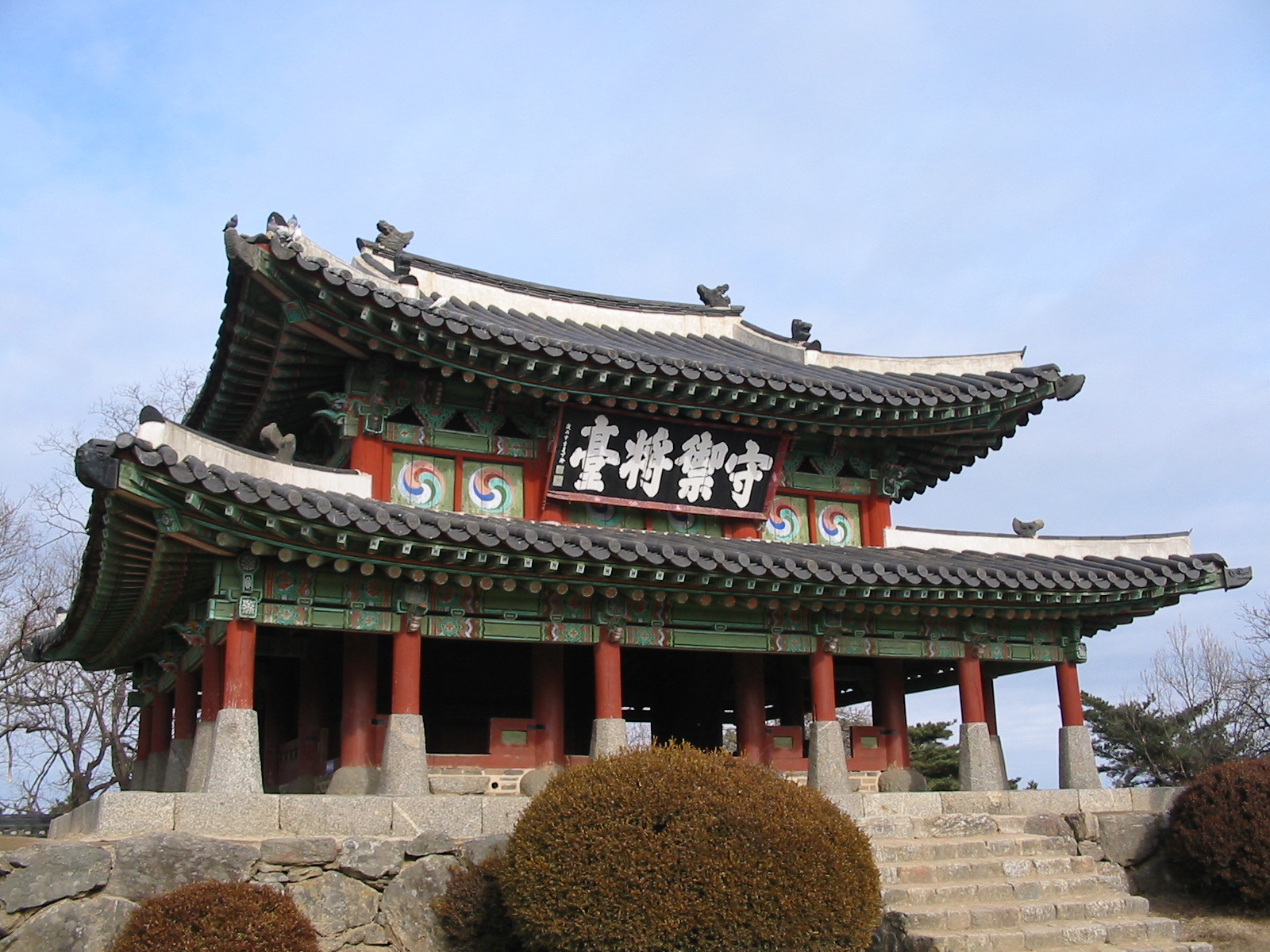
Achasanseong
Earthen mountain fortress from Three Kingdoms period
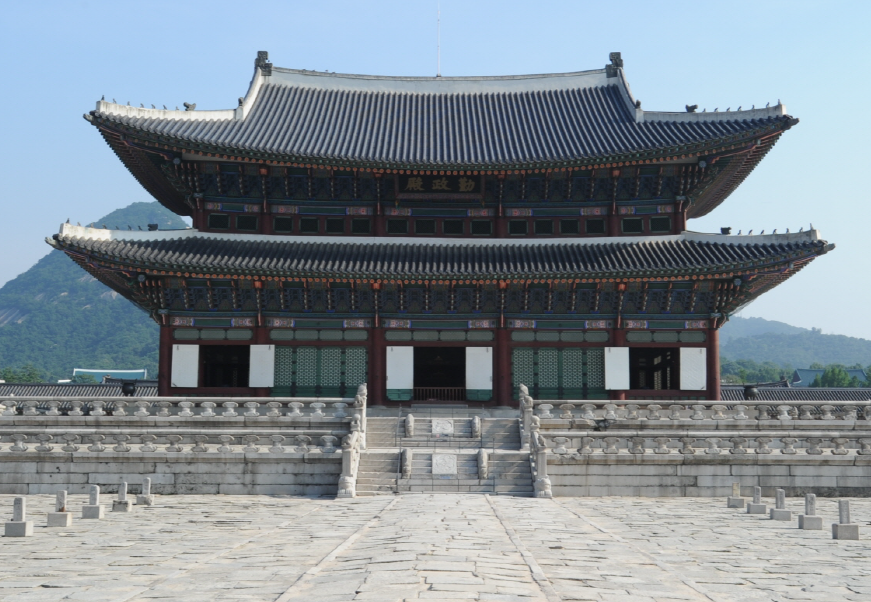
Igeum-dong
Megalithic cemetery and raised-floor buildings.
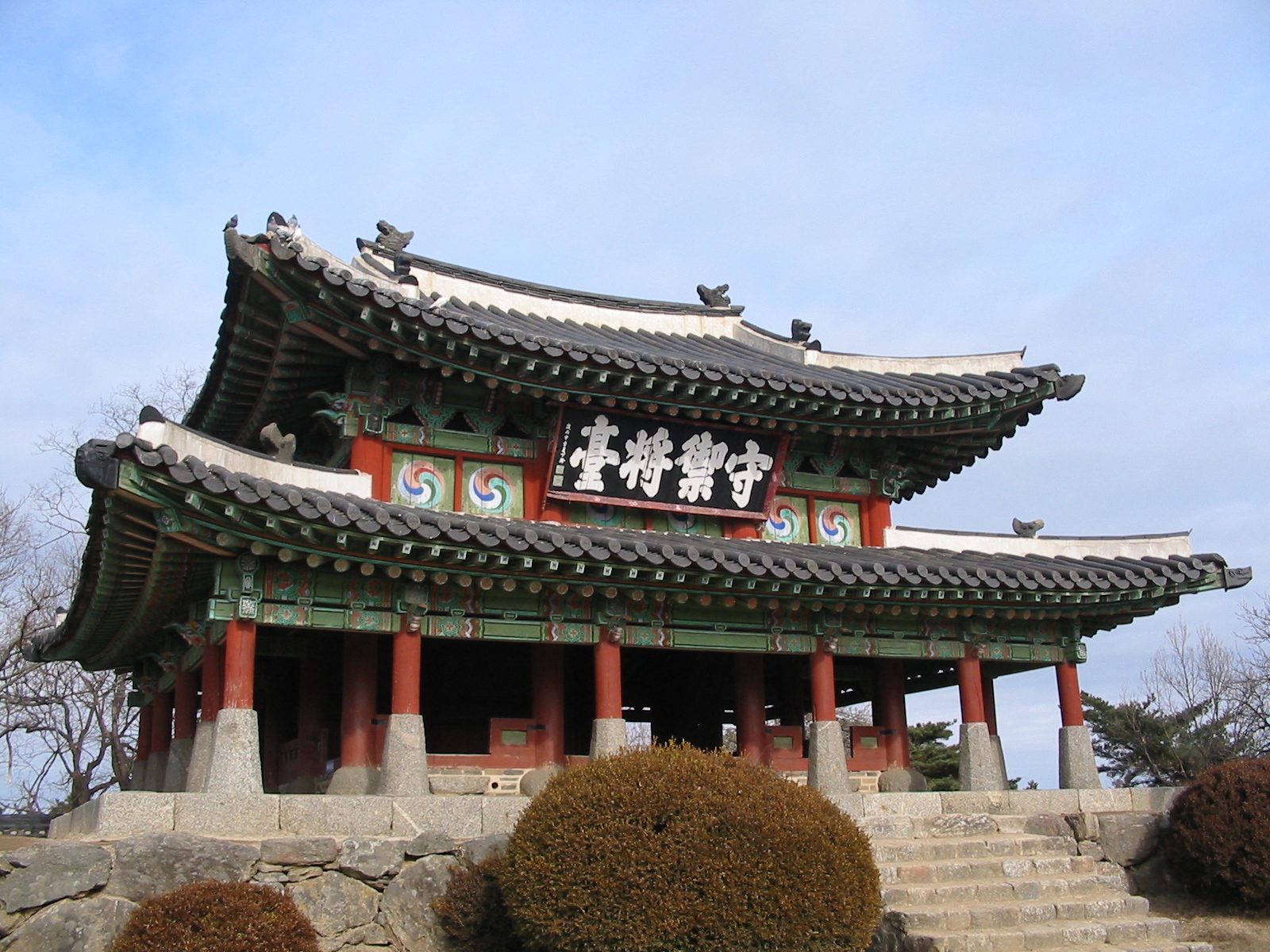
Mongchontoseong
Ancient earthen rampart with palisade and moat
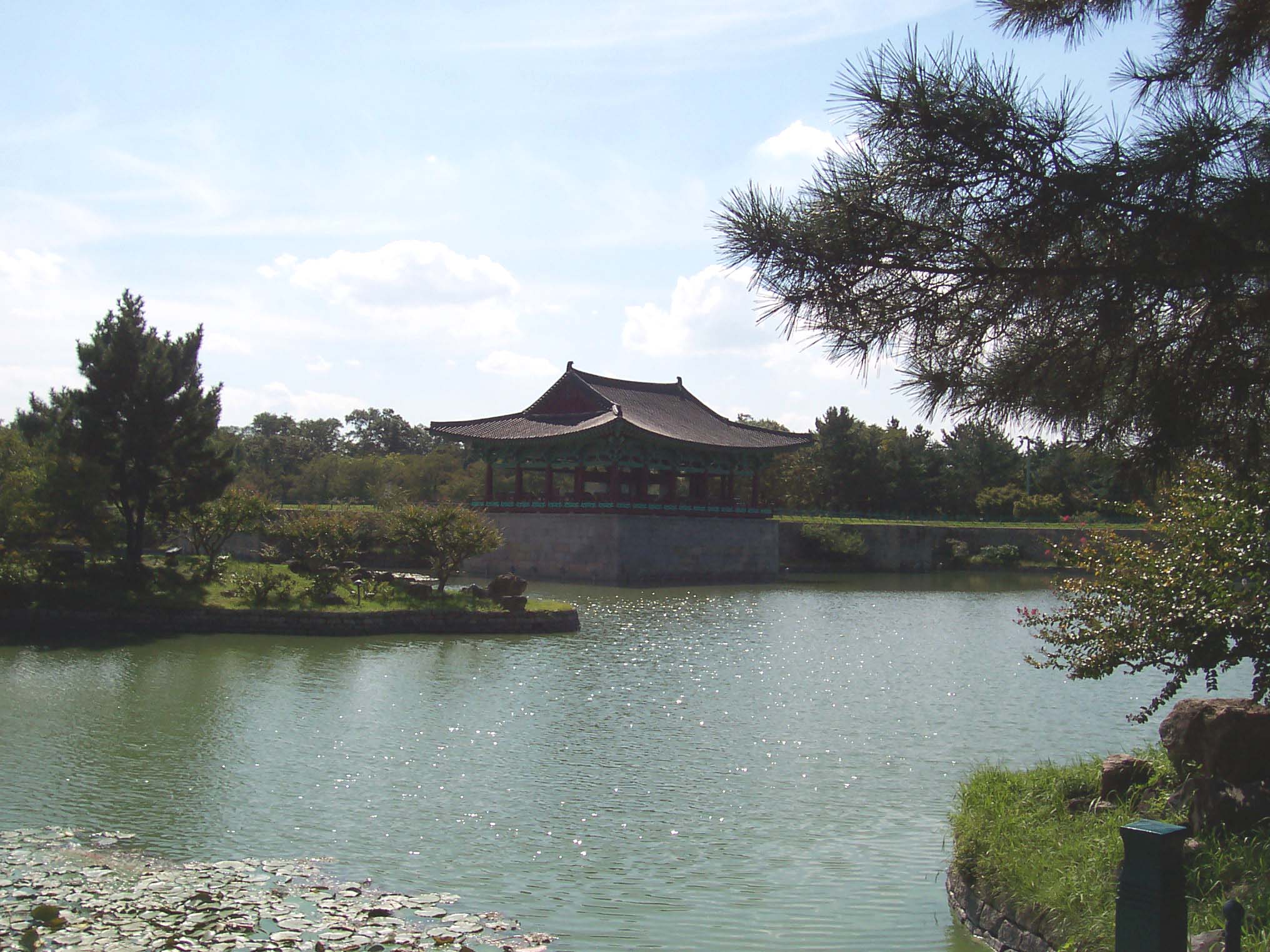
Gyeongju Historic Areas
Extensive ruins of Silla Kingdom structures.
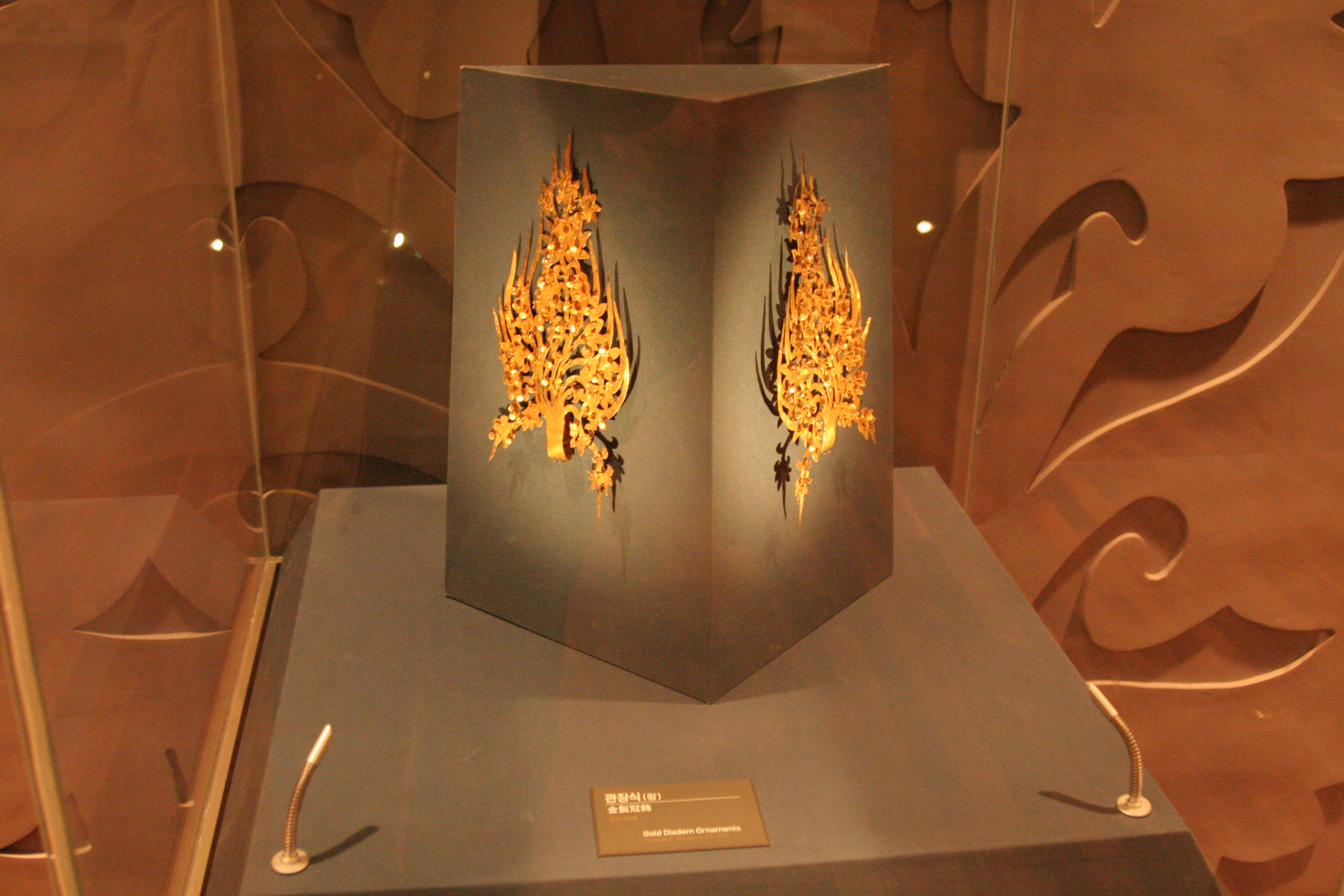
Tomb of King Muryeong
Intact Baekje royal tomb with artifacts.