
Explore the Map
Igeum-dong
34.9514° N, 128.1111° E
About
Igeum-dong is a significant prehistoric archaeological site in South Korea, dating to the Late Middle Mumun Pottery Period (c. 700–550 BCE). The site is known for its elaborate megalithic cemetery, which includes high-status burials and ritual altars made of cobbled pavements linking the graves. Notable artifacts such as Liaoning-style bronze daggers and greenstone ornaments have been uncovered here. The site also features two of the largest raised-floor buildings from Korean prehistory, which may have served as meeting places or elite dwellings. These structures and the spatial organization of the site into distinct zones for mortuary, feasting, and residential activities suggest the presence of a simple chiefdom, marking a critical stage in the sociopolitical development of early Korean societies.
Gallery
Explore photographs of ancient structures, artifacts, and archaeological excavations
Historical Timeline
Journey through time and discover key events in this site's history
Late Middle Mumun Occupation
c. 700 BCE
Construction of Megalithic Cemetery
c. 700 BCE
Archaeological Features
Unique architectural and cultural elements found at this historical site
Defensive Structures
Burial and Funerary Structures
Religious and Ritual Structures
Domestic and Habitation Structures
Frequently Asked Questions
Plan Your Visit
Tours, travel arrangements, and practical information
More Sites in South Korea
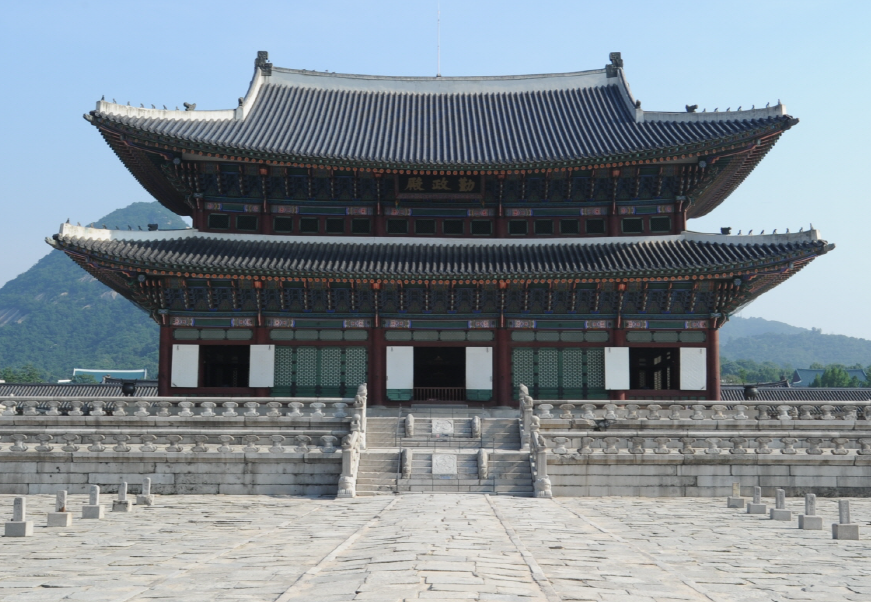
Daepyeong
Complex prehistoric site with ditch-enclosures.
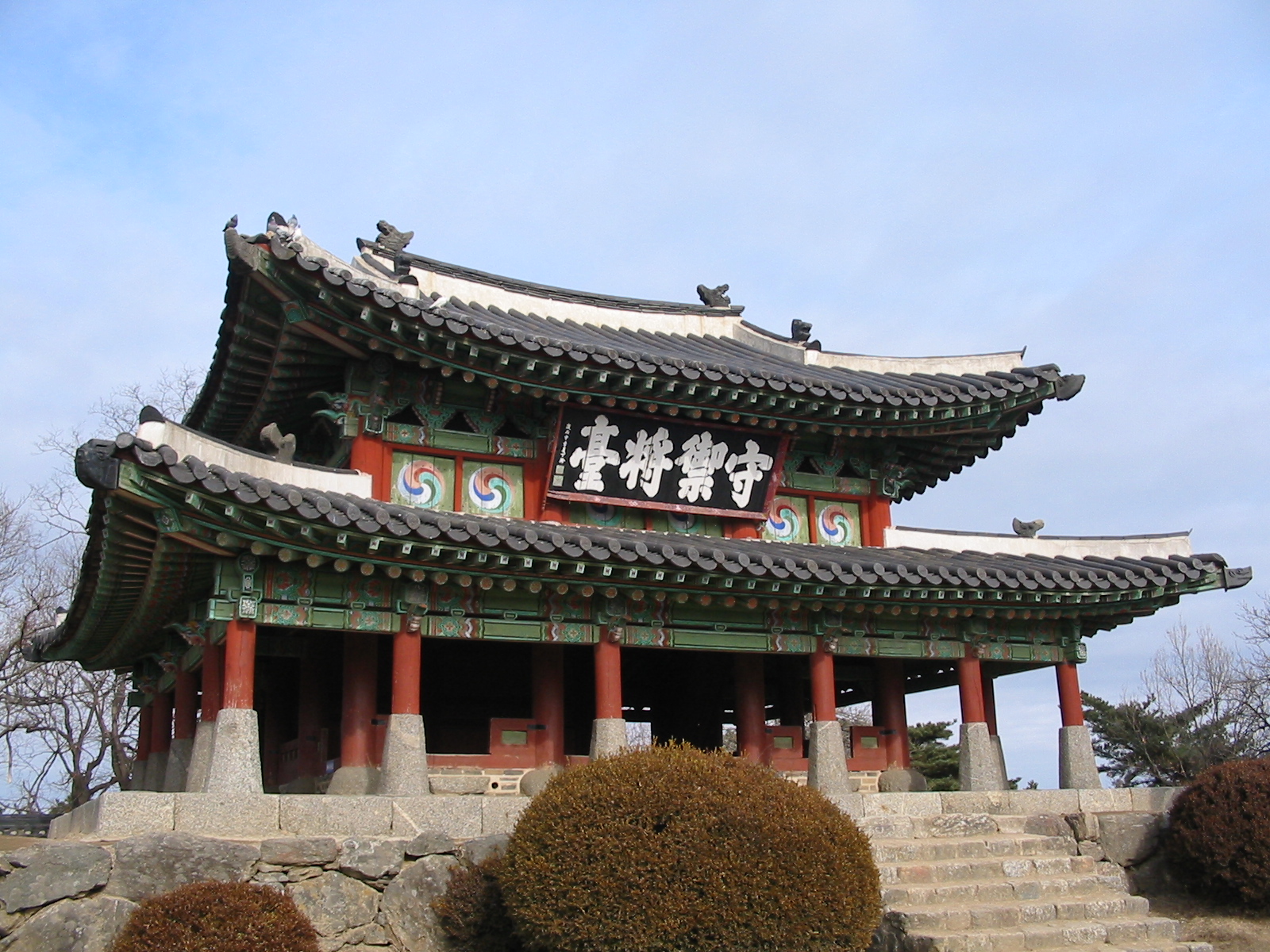
Pungnaptoseong
Oval earthen fortification near Han River.
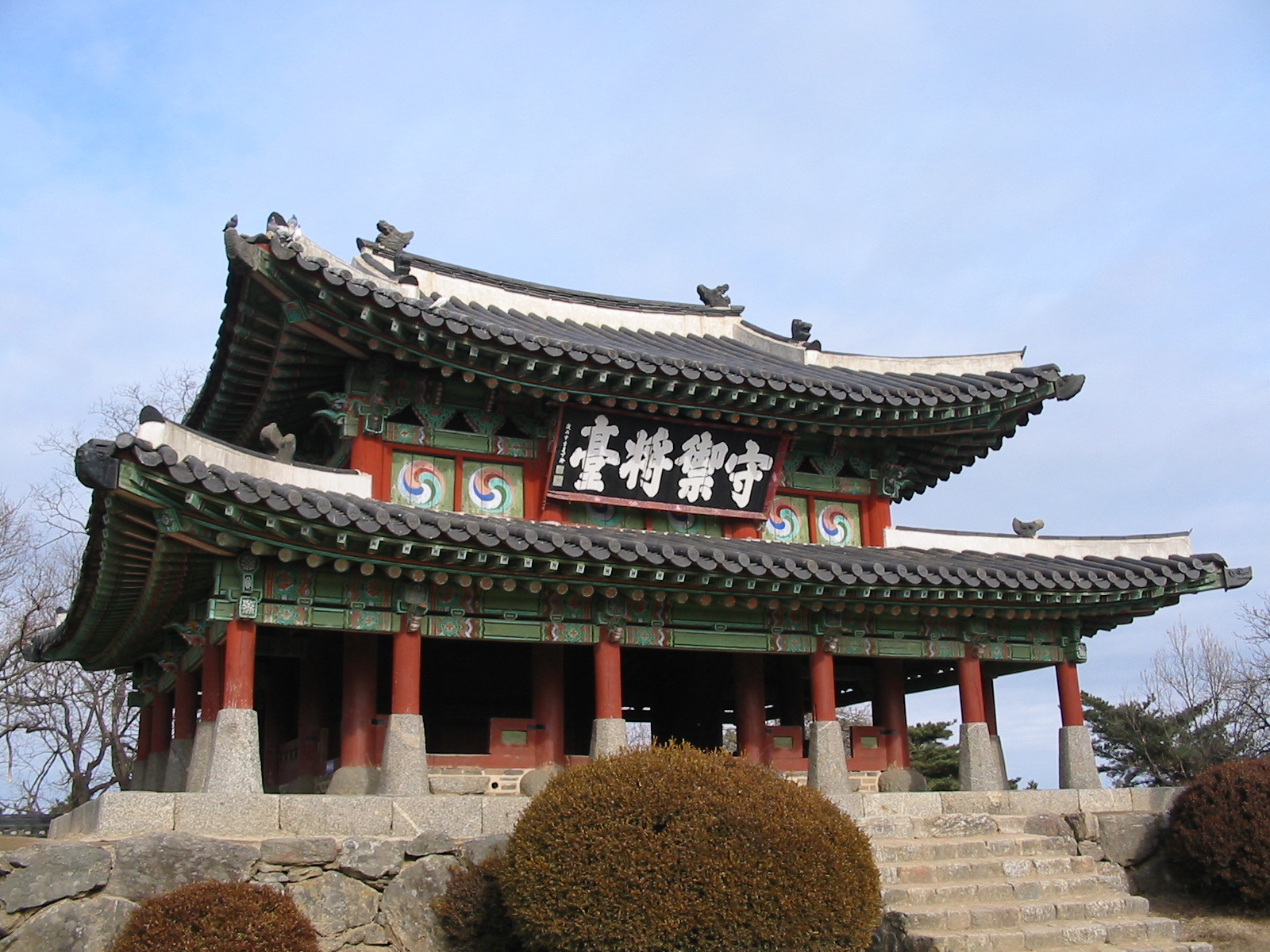
Achasanseong
Earthen mountain fortress from Three Kingdoms period
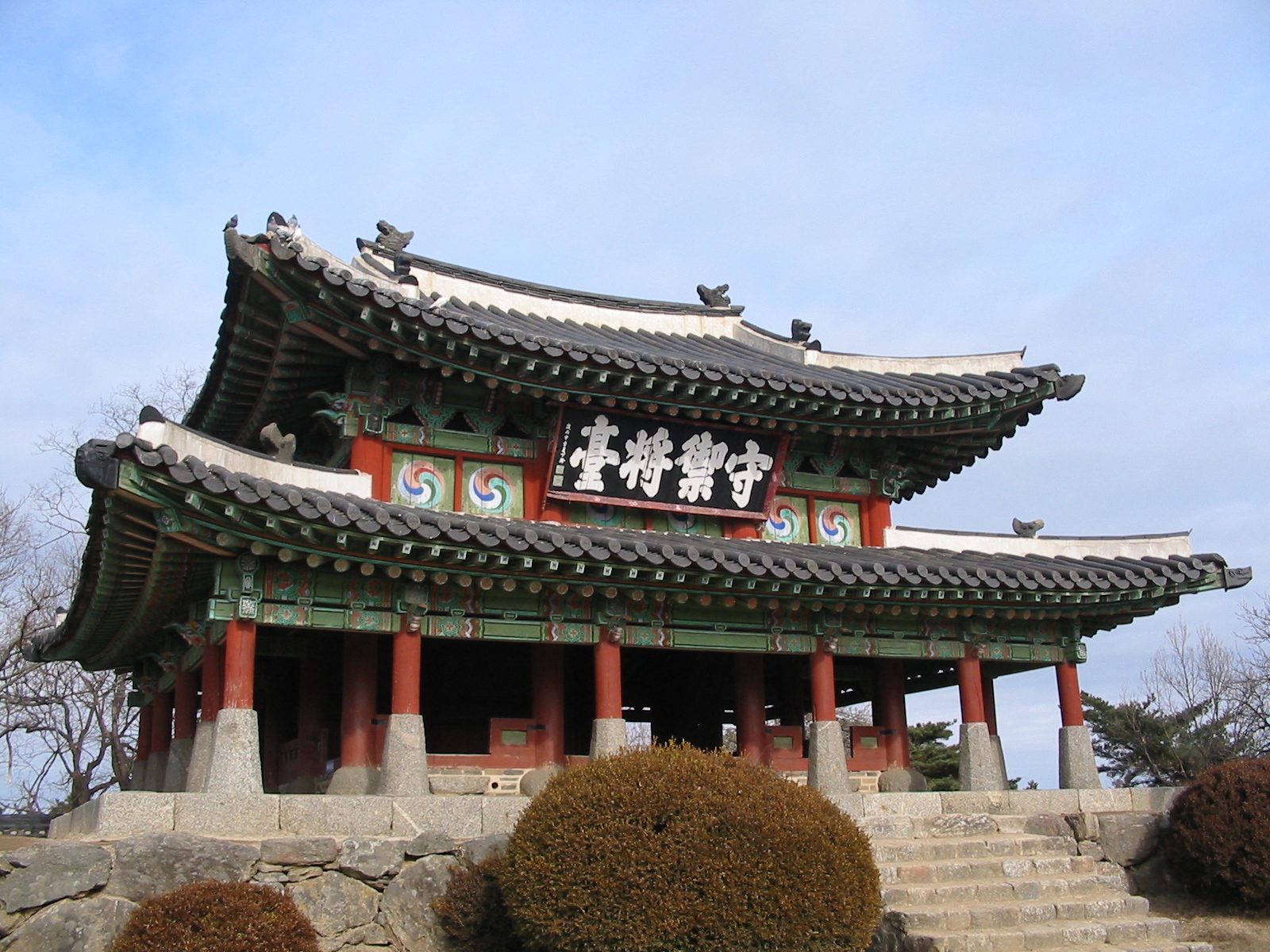
Mongchontoseong
Ancient earthen rampart with palisade and moat

Mireuksa
Largest ancient Baekje Buddhist temple complex
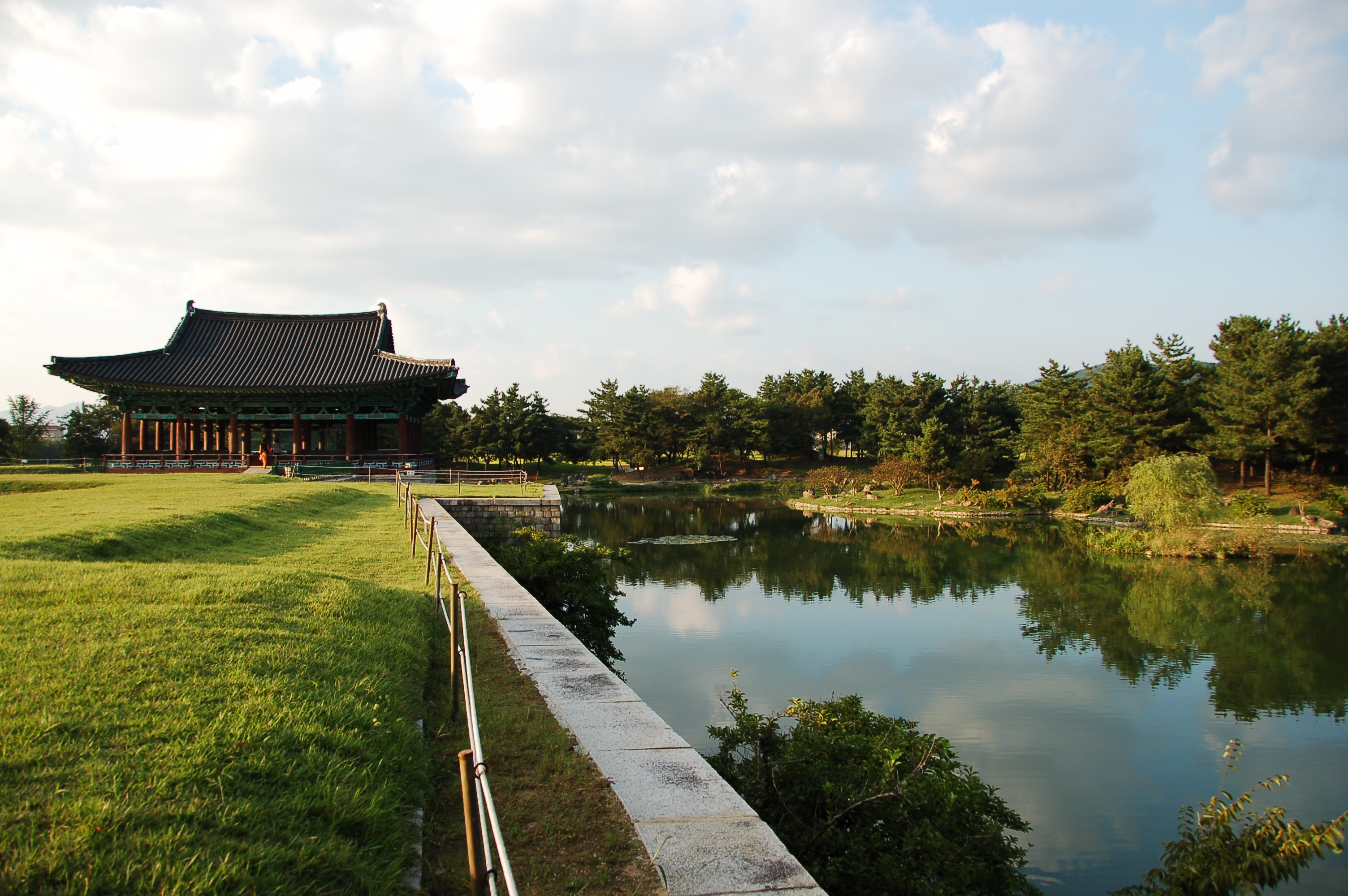
Donggung Palace and Wolji Pond
Oval-shaped artificial pond with islands.