Explore the Map
Mongchontoseong
37.5217° N, 127.1228° E
About
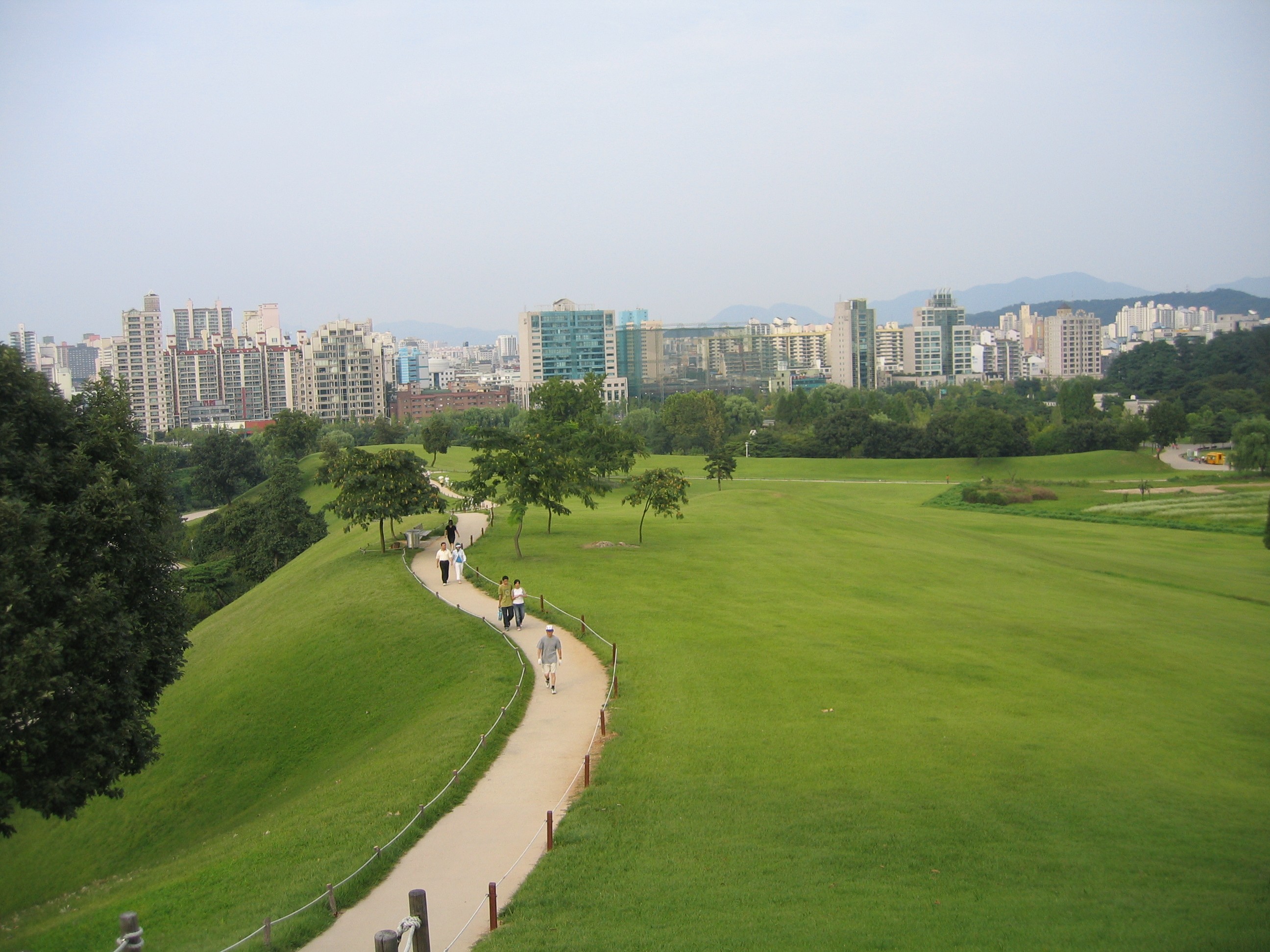
Mongchontoseong is a significant archaeological site featuring ancient defensive structures from the Baekje period, located in what is now Seoul's Olympic Park in South Korea. This ancient earthen rampart, believed to date back to the 1st century BCE, forms part of Wiryeseong along with Pungnaptoseong. The fortifications, originally about 2.7 km in length and 6 to 7 meters high, were reinforced with a palisade on top and surrounded by a protective moat, underscoring its strategic military importance during the Baekje period. The site provides valuable insights into the engineering and defensive strategies of the time, reflecting the socio-political dynamics of early Korean states. Excavations have revealed the historical significance and complexity of Baekje's fortification systems, offering a window into the past and contributing to our understanding of ancient Korean civilization.
Gallery
Explore photographs of ancient structures, artifacts, and archaeological excavations

Historical Timeline
Journey through time and discover key events in this site's history
Construction of Mongchontoseong
100 BCE
Archaeological Features
Unique architectural and cultural elements found at this historical site
Defensive Structures
Frequently Asked Questions
Plan Your Visit
Tours, travel arrangements, and practical information
More Sites in South Korea
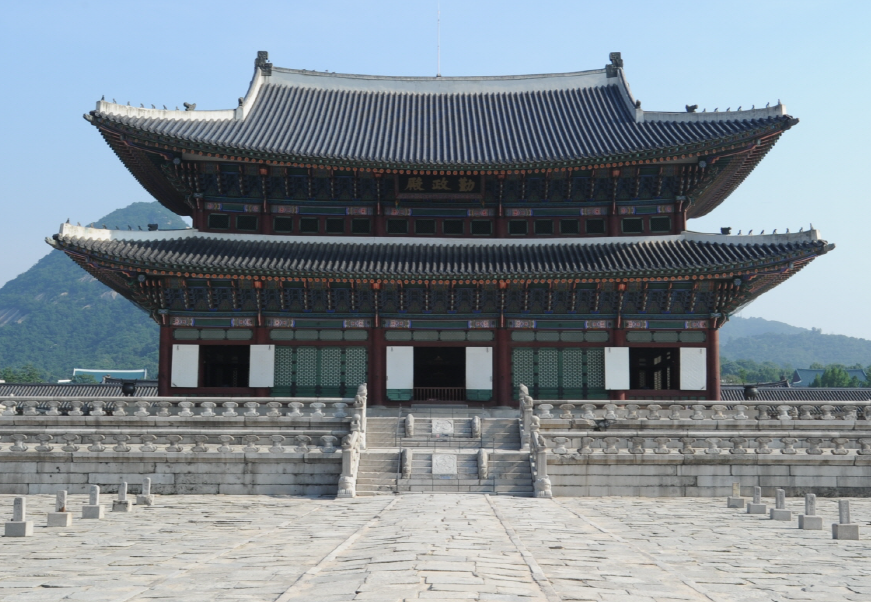
Daepyeong
Complex prehistoric site with ditch-enclosures.
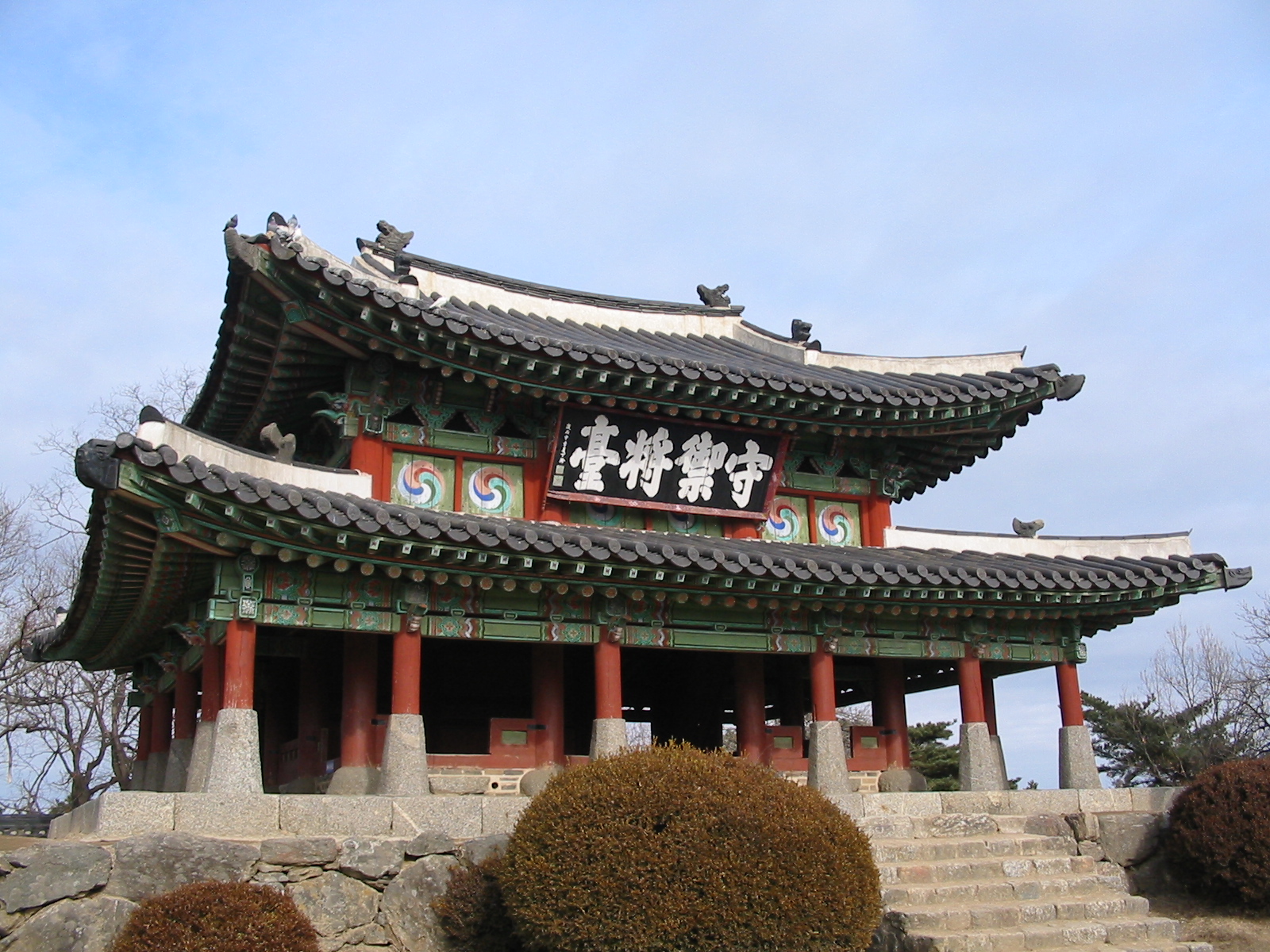
Pungnaptoseong
Oval earthen fortification near Han River.
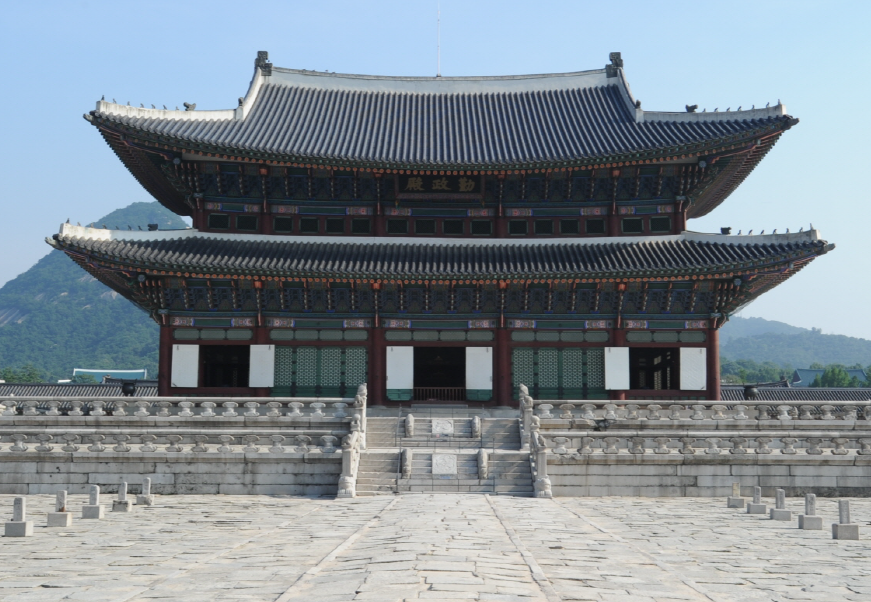
Igeum-dong
Megalithic cemetery and raised-floor buildings.
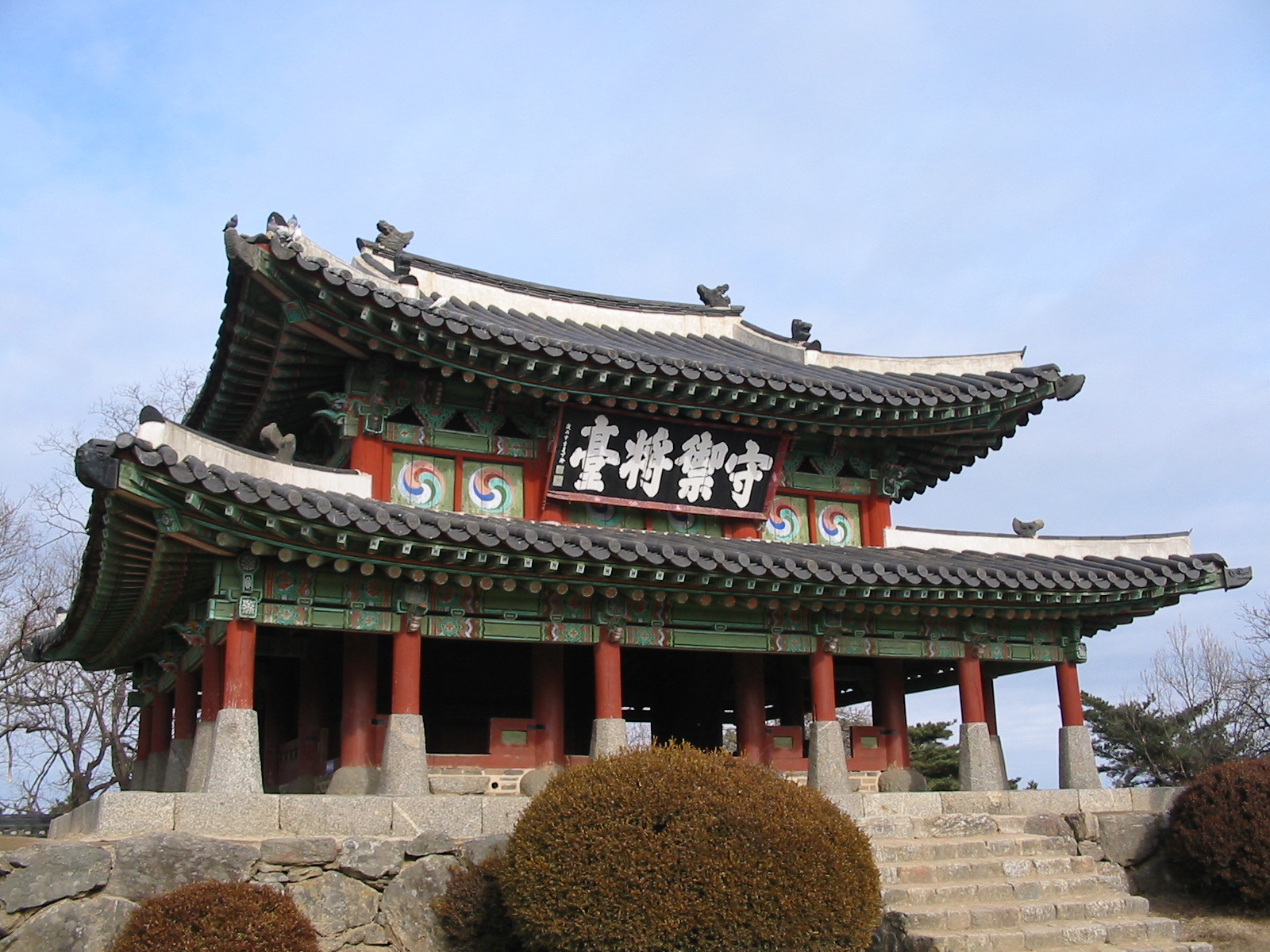
Achasanseong
Earthen mountain fortress from Three Kingdoms period
Complex of Koguryo Tombs
<p>The property includes several group and individual tombs - totalling about 30 individual tombs - from the later period of the Koguryo Kingdom, one of the…
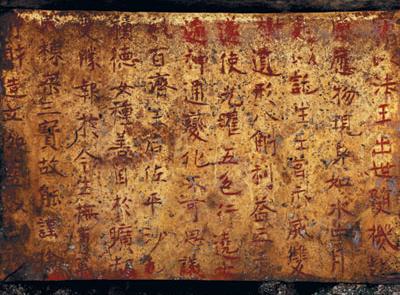
Mireuksa
Largest ancient Baekje Buddhist temple complex