Amsa-dong
Time Periods
Paleolithic
Mesolithic
Neolithic
Chalcolithic
Bronze Age
Iron Age
Classical Period
Post-Classical Period
Early Modern Period
Industrial Period
Contemporary Period
Time Periods
Paleolithic
Mesolithic
Neolithic
Chalcolithic
Bronze Age
Iron Age
Classical Period
Post-Classical Period
Early Modern Period
Industrial Period
Contemporary Period
Location
About
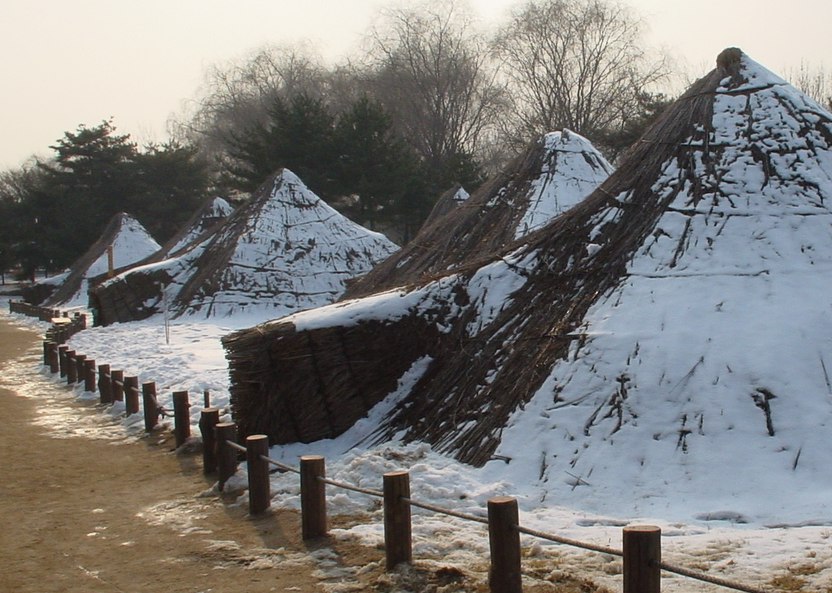
Amsa-dong is a dong (neighbourhood) of Gangdong District in Seoul, South Korea. The dong is well known for the Amsa-dong Prehistoric Settlement Site, in which Neolithic remains were excavated after a large amount of diagonal-line patterned earthenware(빗살무늬토기) was exposed by a flood in 1925. It is thought to be a Jomonic settlement which existed prior to the spread of Songgukri-cultural sphere in Korean peninsula during the Korean bronze age. In Amsa Sam-dong, a festival named Amsa sunsa cultural festival is hold annually and parade is performed. It has a subway station of Seoul metropolitan subway 8th line, which functions as the last station of the line. There is only one high school in Amsa-dong named Sunsa highschool. The neighborhood is also known for its large traditional market. Amsa dong is divided in three, Amsa il-dong, Amsa I-dong, Amsa Sam-dong, and community centre is present in every one of these divisions. It is currently part of Gangdong District of Seoul metropolitan city adminstration.
Gallery
Explore photographs of ancient structures, artifacts, and archaeological excavations at Amsa-dong
Plan Your Visit
Details
- Country
- South Korea
- Source
- Wikipedia
More Sites in South Korea
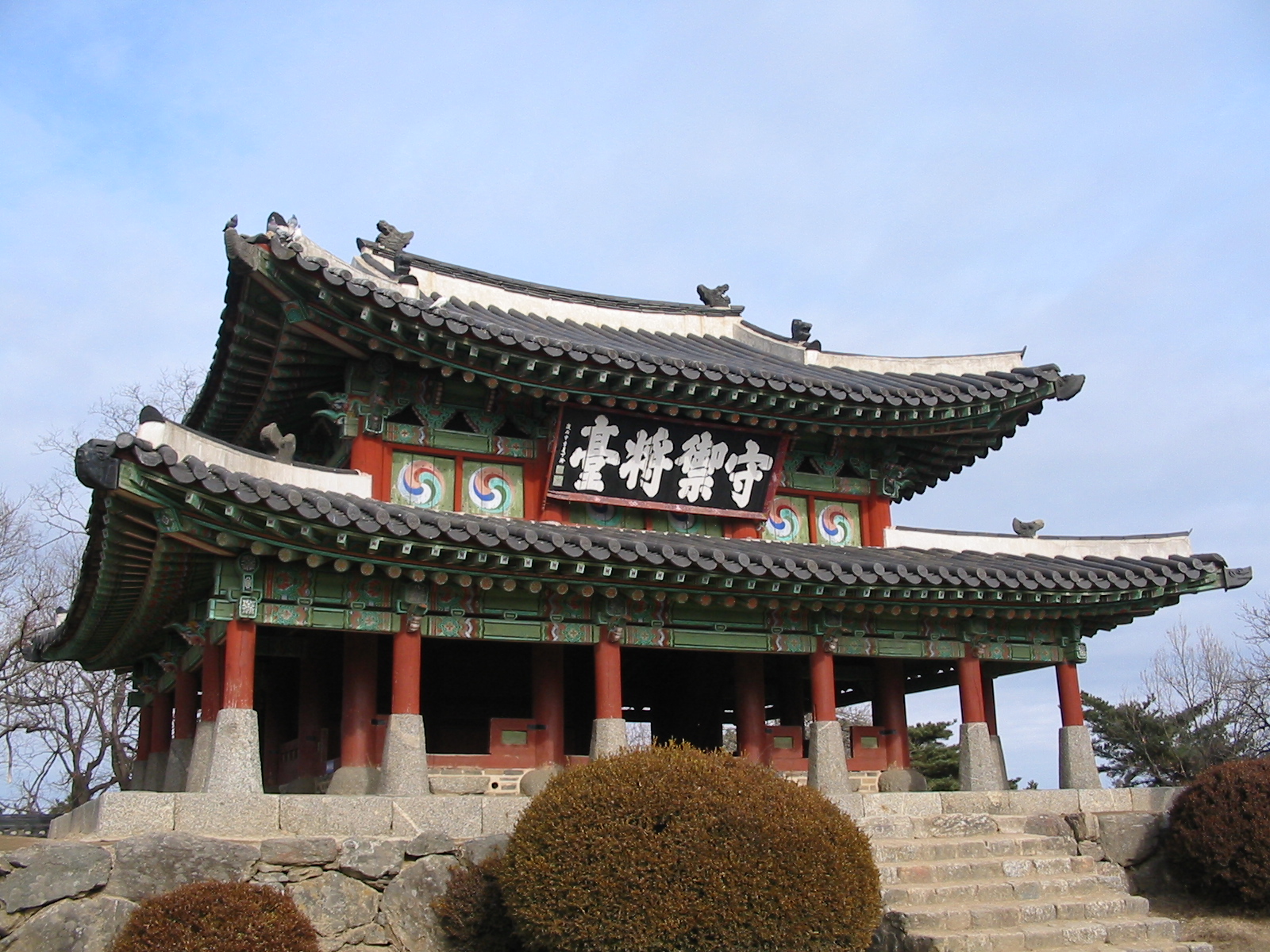
Banwolseong
Crescent-shaped Silla palace ruins in Gyeongju
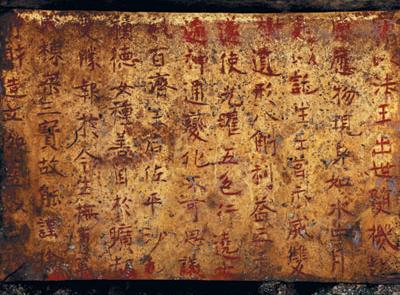
Mireuksa
Largest ancient Baekje Buddhist temple complex
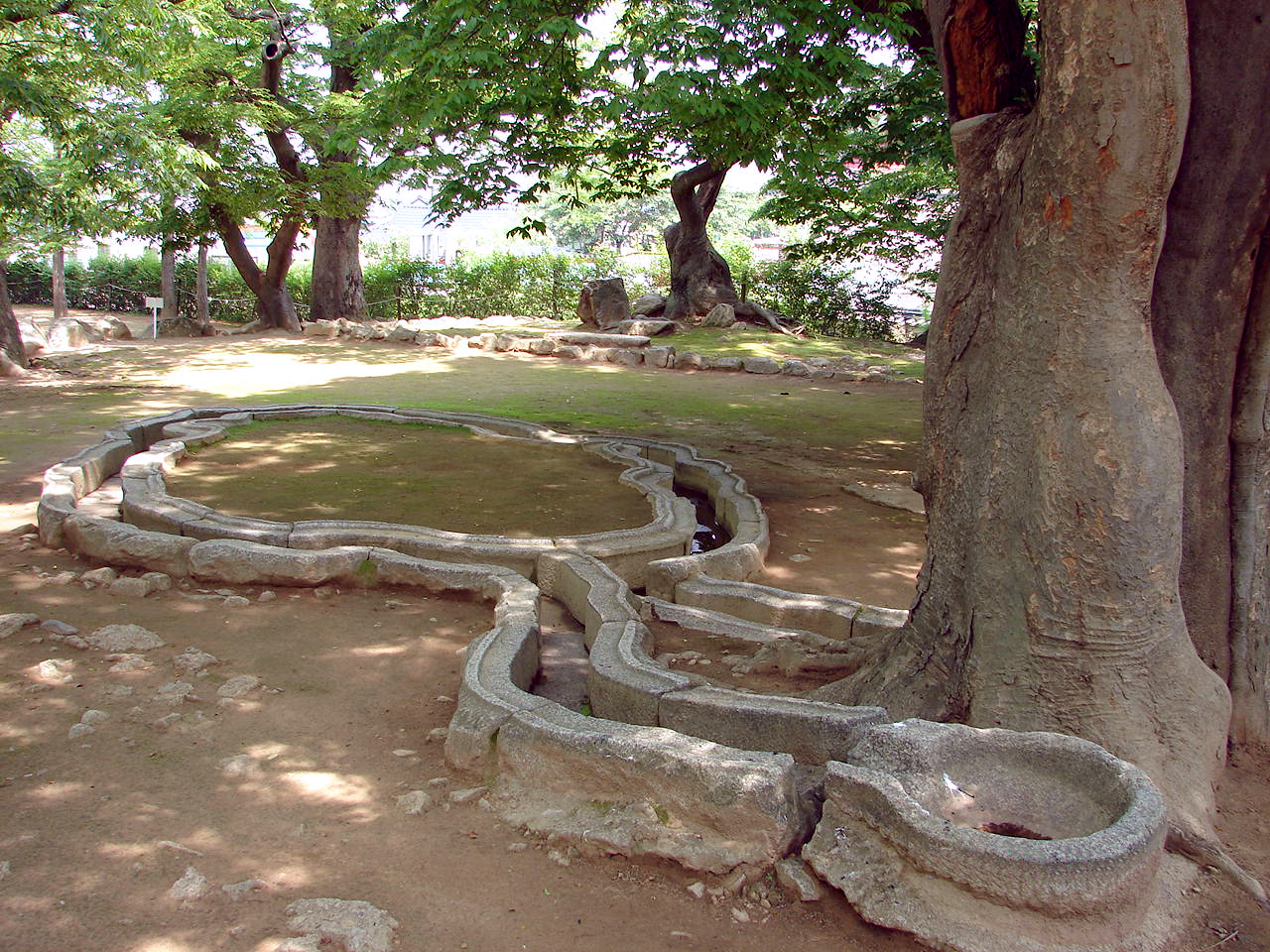
Poseokjeong
Granite water feature from Unified Silla period.

Hwangnyongsa
7th-century wooden Buddhist temple, Gyeongju.
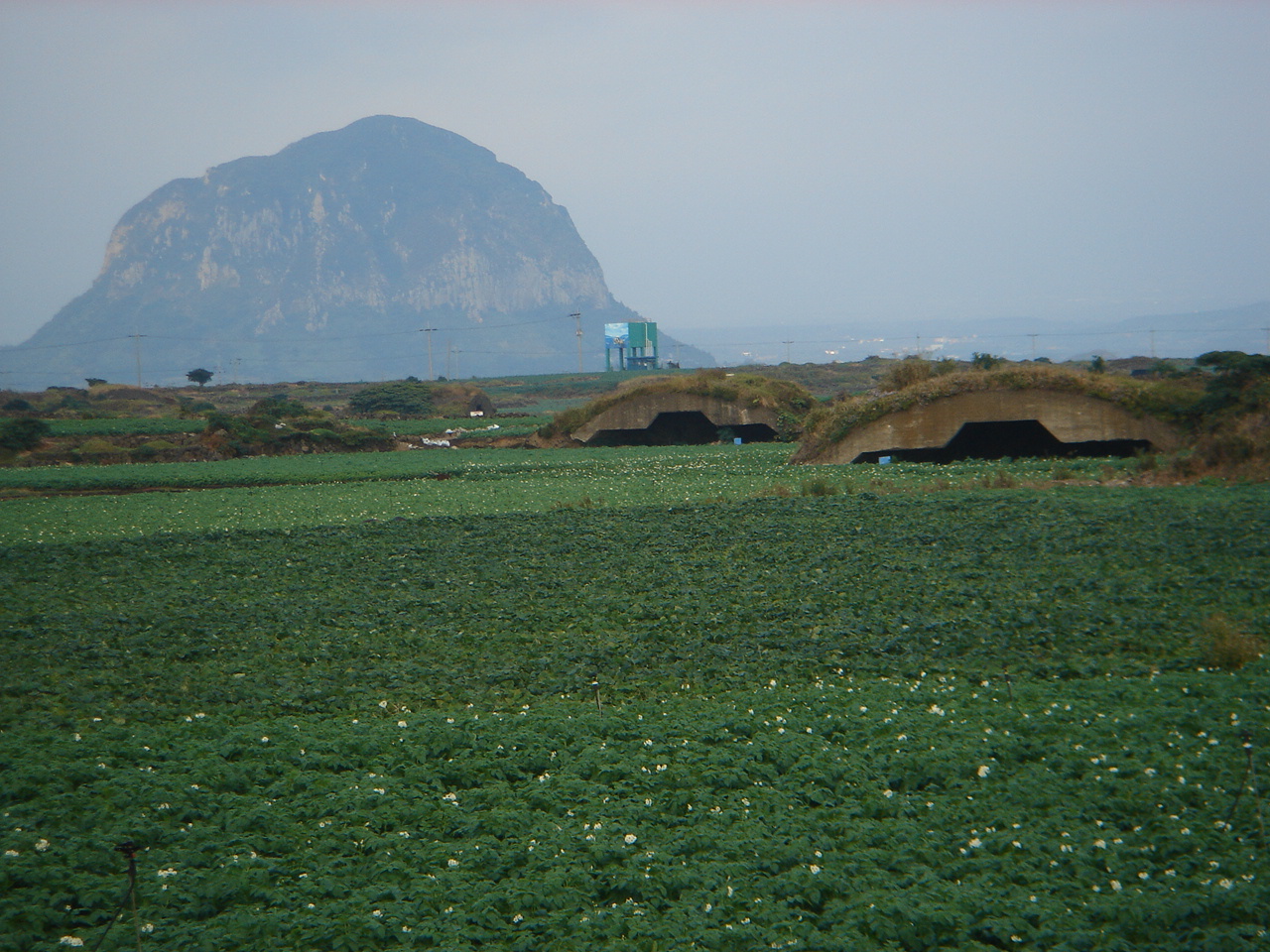
Altteureu Airfield
Historic military airfield with underground tunnels.
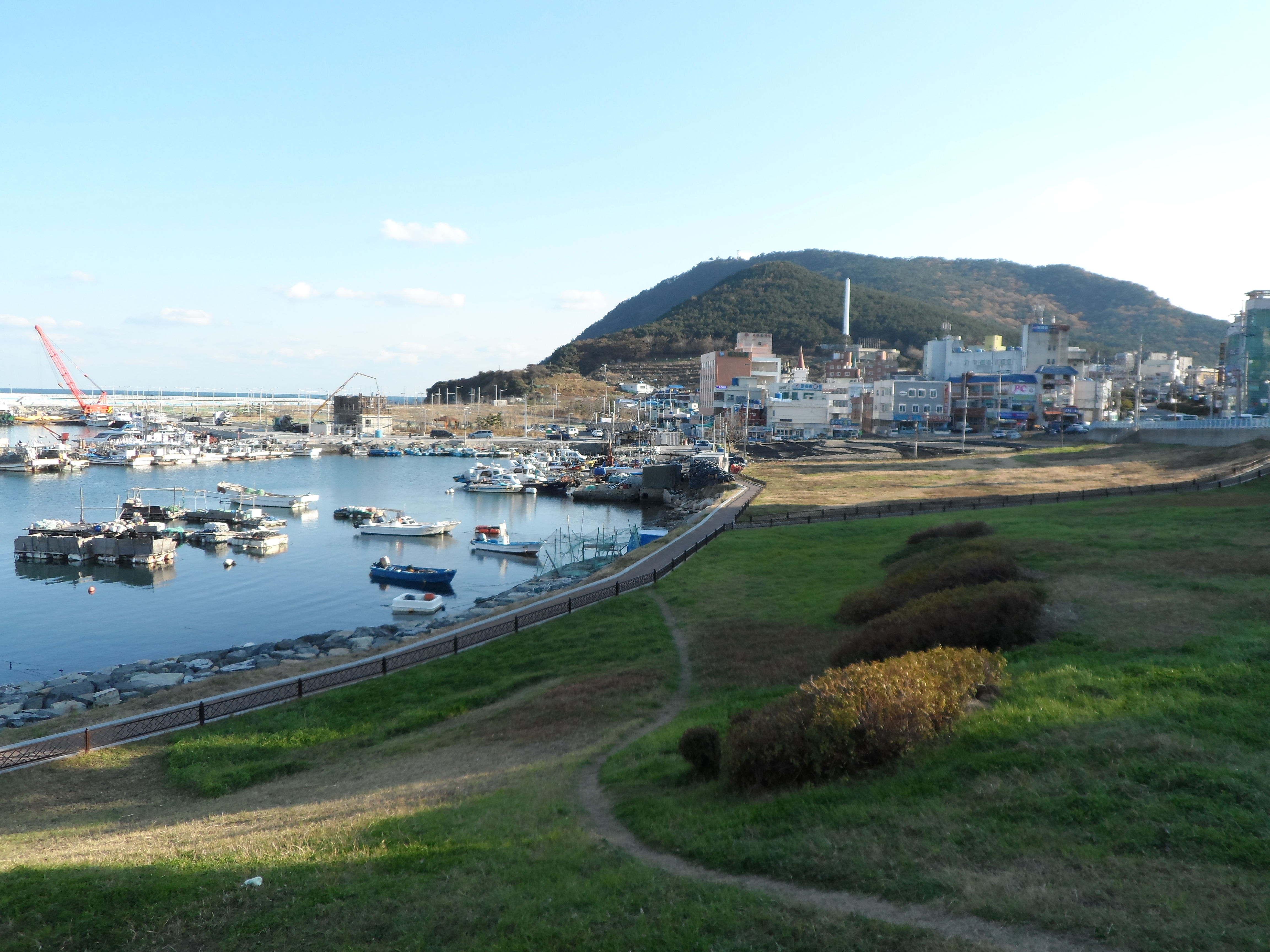
Shell Mound in Dongsam-dong, Busan
Ancient shell midden with diverse artifacts