
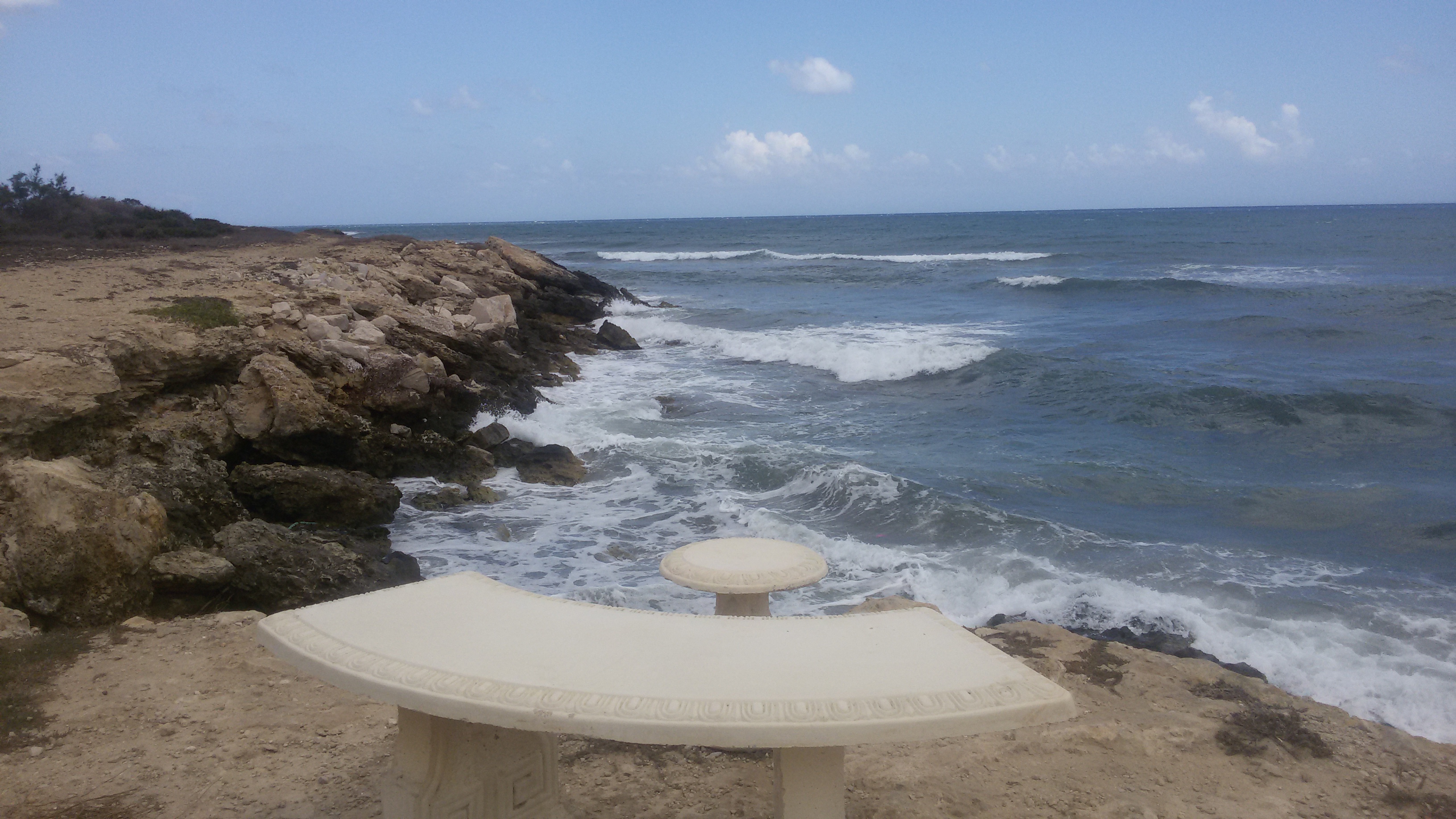
Explore the Map
Kerkouane
36.9464° N, 11.0992° E
About
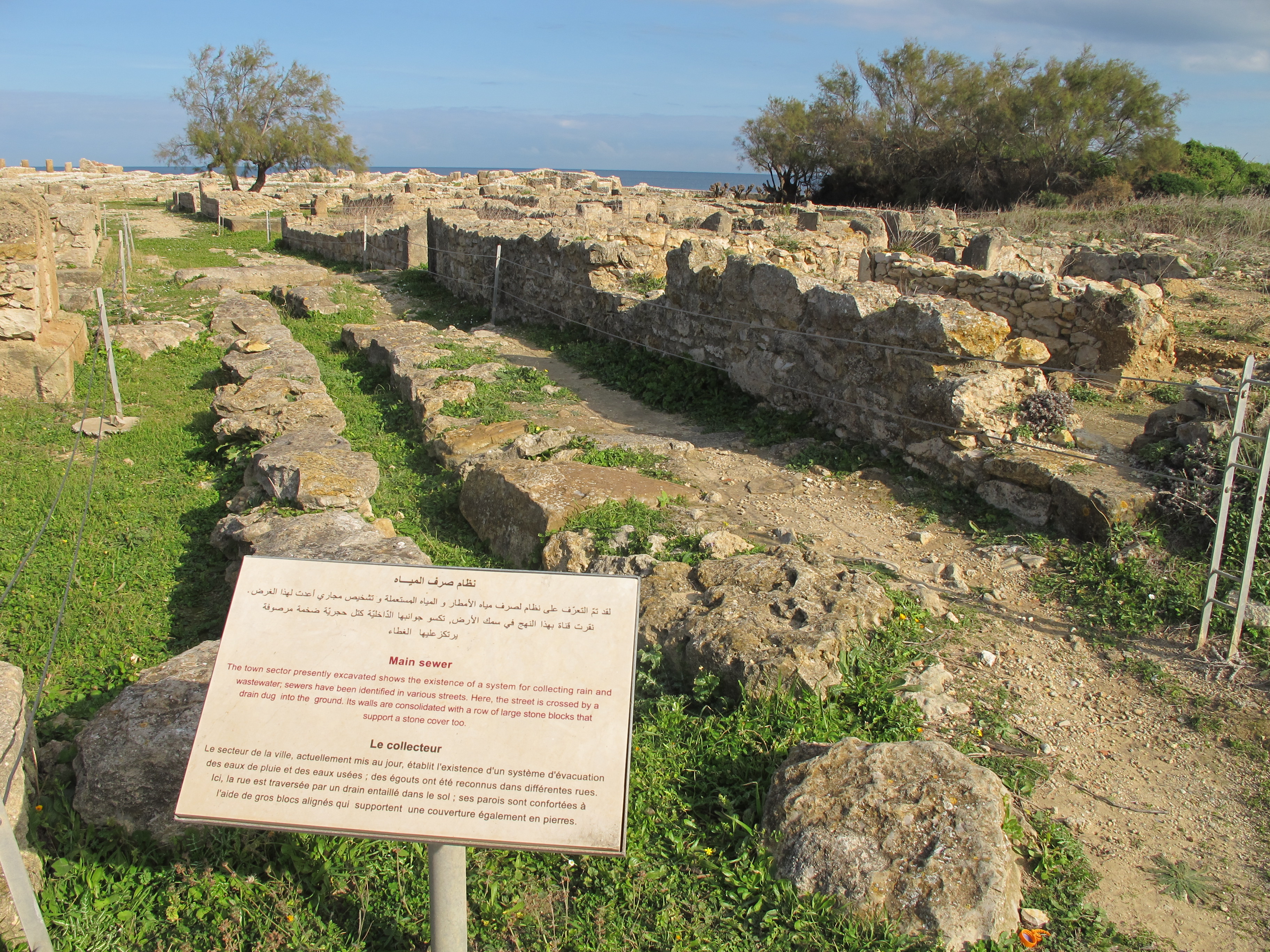
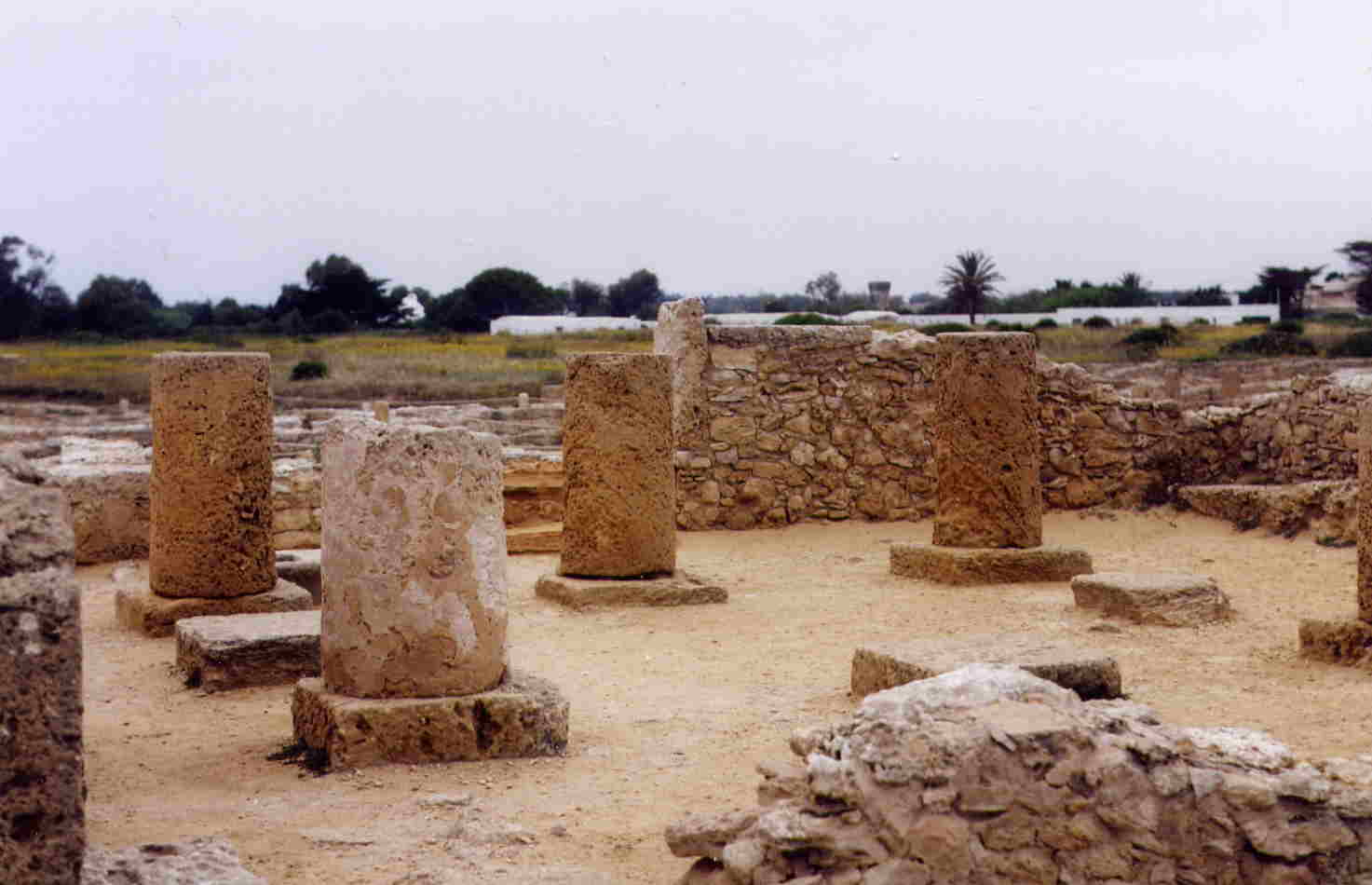
Kerkouane, located in north-eastern Tunisia near Cape Bon, is a significant archaeological site representing an ancient Punic city. Unlike many other sites, it was not rebuilt by the Romans after its abandonment during the First Punic War around 250 BCE, thus retaining its original Punic characteristics. The city's ruins, dating from the 4th to 3rd centuries BCE, reveal a well-planned urban layout with standardized domestic structures and remnants of vibrant clay facades. Notable features include traces of Carthaginian religious practices, such as altars and a temple possibly dedicated to deities like Melqart, Sid, and Tanit. The presence of murex shells suggests a thriving industry in purple dye production. Kerkouane's significance is underscored by its status as the only surviving example of a Phoenicio-Punic city, earning it a designation as a UNESCO World Heritage Site in 1985.
Gallery
Explore photographs of ancient structures, artifacts, and archaeological excavations
Historical Timeline
Journey through time and discover key events in this site's history
Establishment of Kerkouane
c. 600 BCE
Abandonment during First Punic War
c. 250 BCE
Archaeological Features
Unique architectural and cultural elements found at this historical site
Burial and Funerary Structures
Religious and Ritual Structures
Artistic and Decorative Features
Domestic and Habitation Structures
Frequently Asked Questions
Plan Your Visit
Tours, travel arrangements, and practical information

More Sites in Tunisia
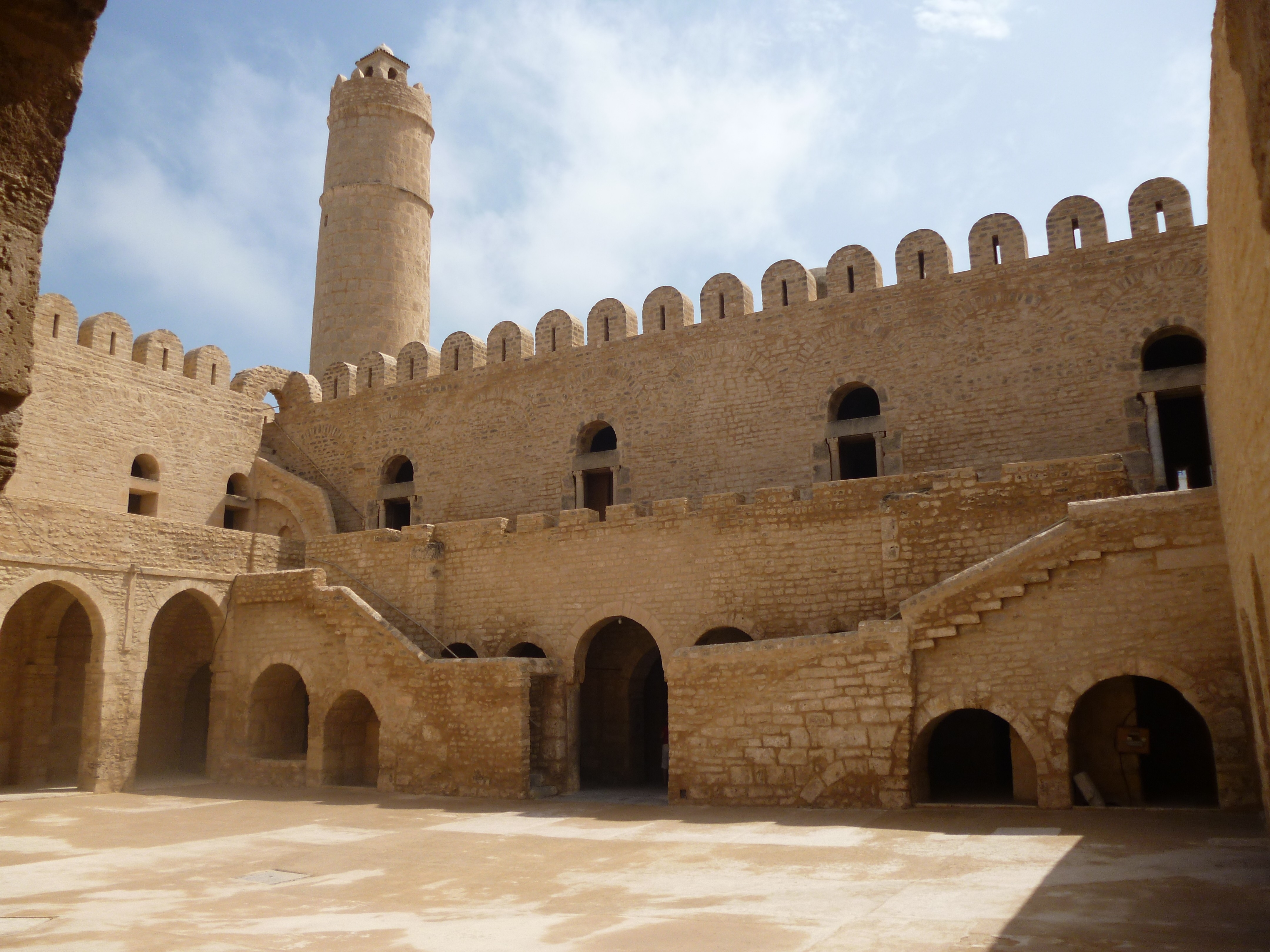
Medina of Sousse
Islamic architectural site with Punic steles
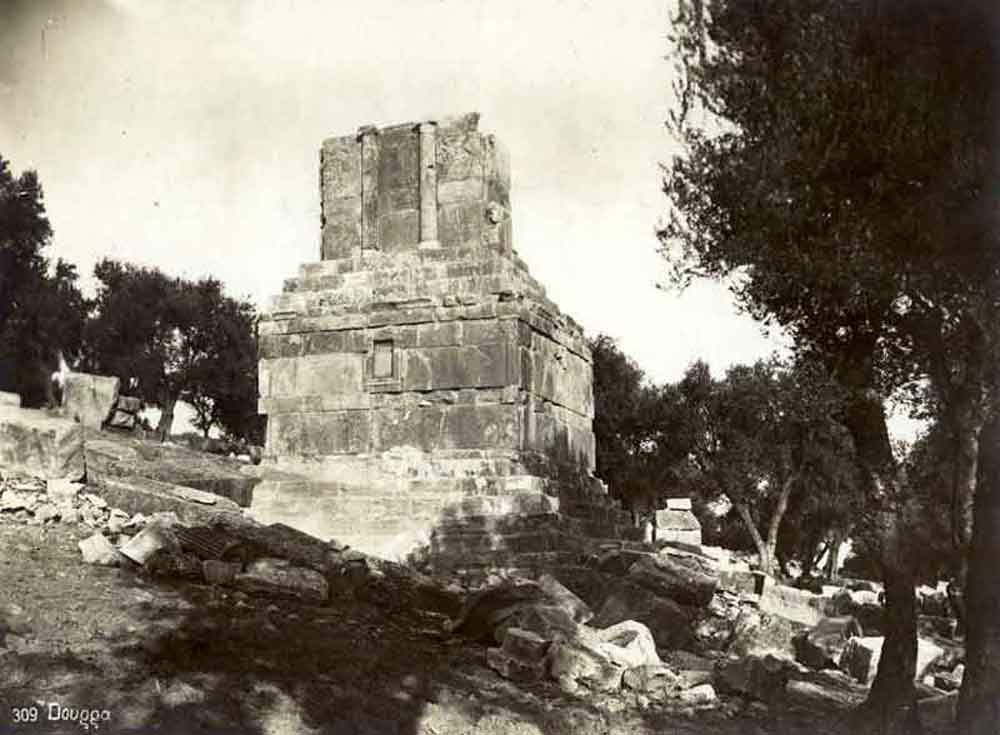
Libyco-Punic Mausoleum of Dougga
Ancient Numidian mausoleum with intricate decorations
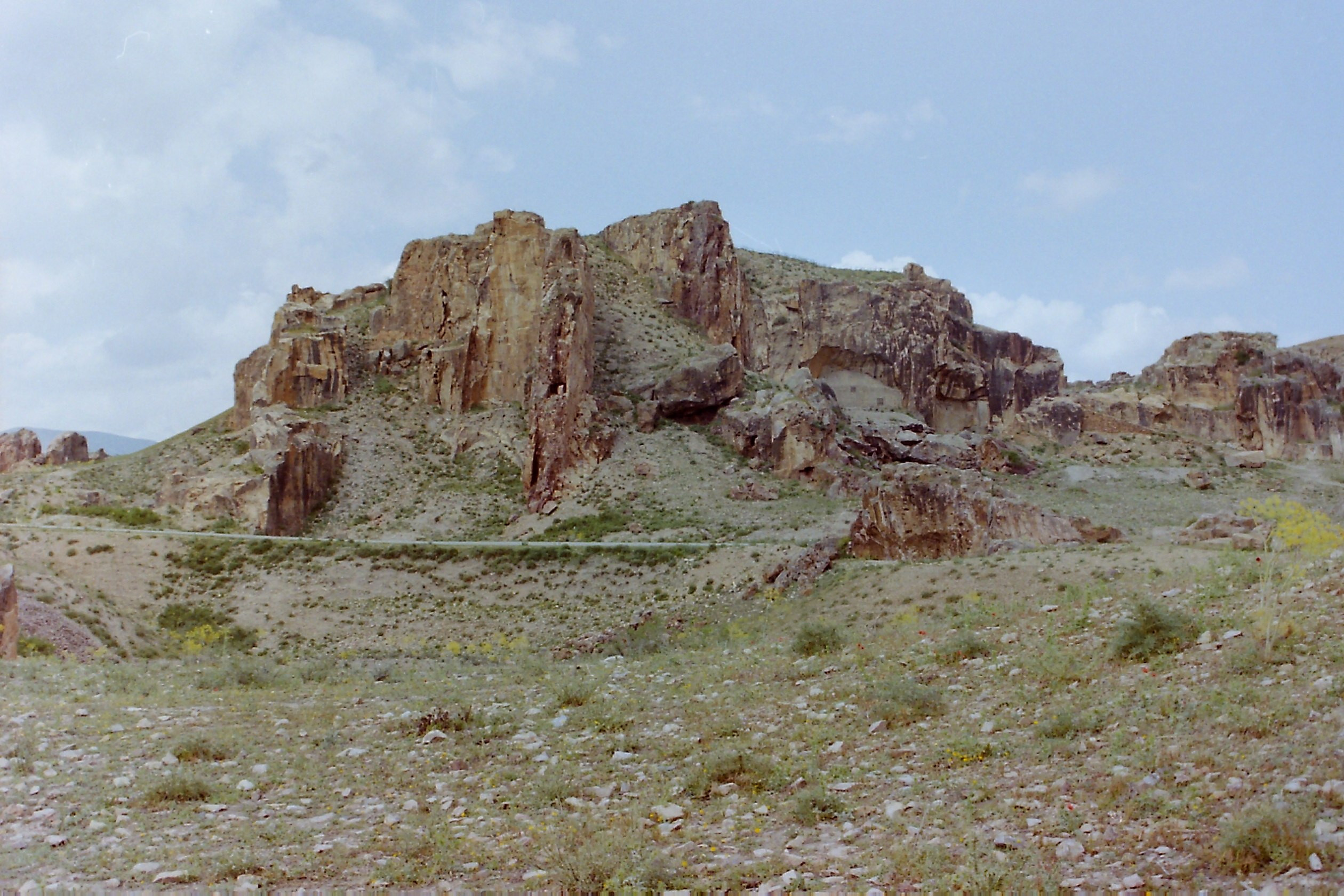
Chemtou
Ancient Roman-Berber town with quarries.
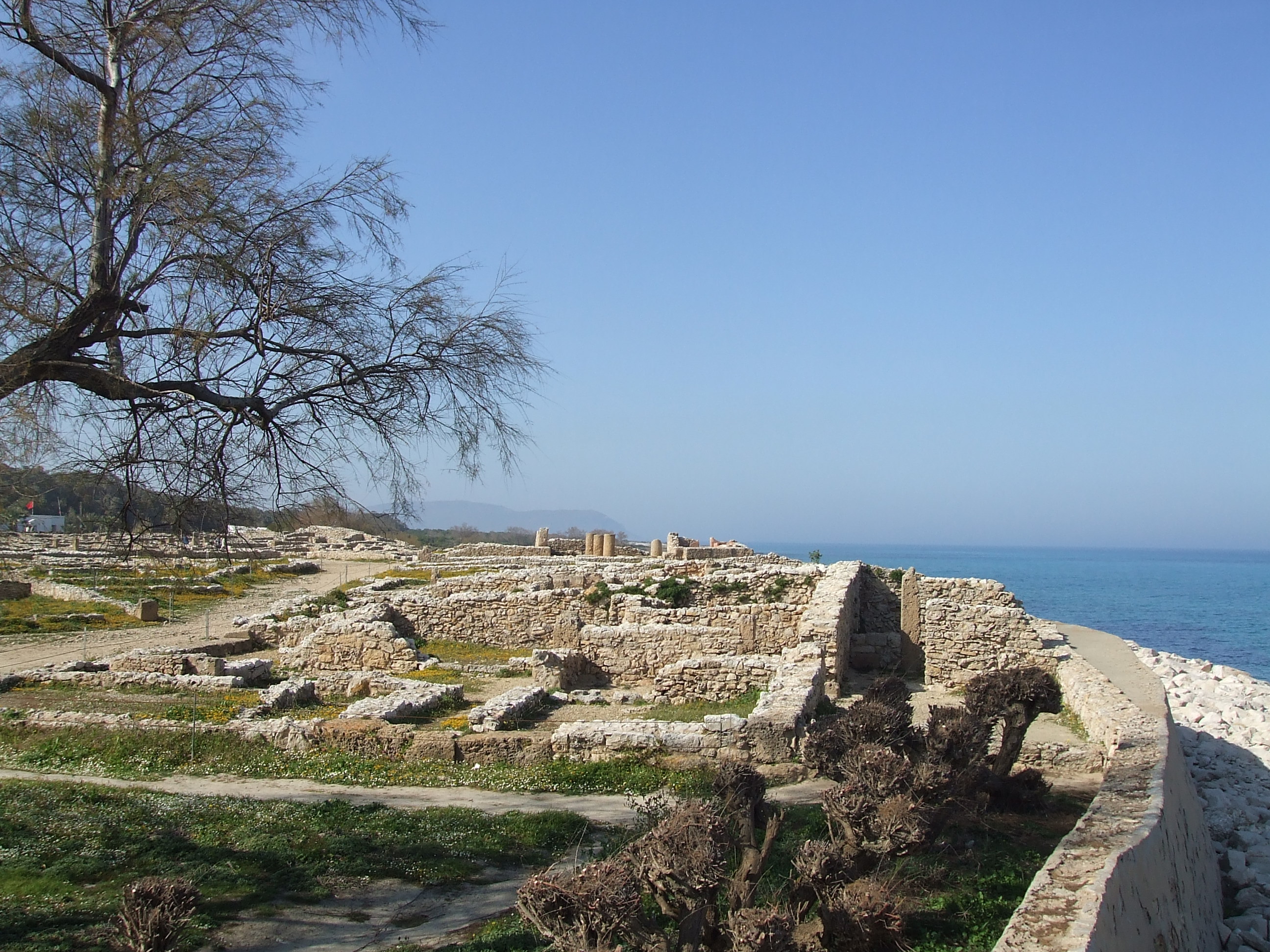
Necropolis of Kerkouane
Ancient Punic necropolis with chamber-tombs.
Thenae
Ancient Carthaginian and Roman town ruins.
Henchir-Khachoum
Roman town with early Christian bishopric