
Explore the Map
Necropolis of Kerkouane
36.9558° N, 11.0864° E
About
The Necropolis of Kerkouane, a Punic burial site in northeastern Tunisia, is a rare archaeological find, preserving the only known Phoenicio-Punic city remains. Situated 1.5 km northwest of the ancient city of Kerkouane, the necropolis comprises a series of vaults and chamber-tombs, set into a picturesque seaside hill. Dating back to between the 6th and 3rd centuries BCE, the site serves as a testament to Punic funerary practices. Its most remarkable artifacts include a red-painted sarcophagus known as 'the princess of Kerkouane,' a representation of the goddess Astarte or her worshipper, featuring intricate wood carvings and vibrant plaster colors. Despite early plundering, subsequent archaeological efforts have unearthed a variety of objects, contributing to our understanding of Punic culture.
Gallery
Explore photographs of ancient structures, artifacts, and archaeological excavations
Historical Timeline
Journey through time and discover key events in this site's history
Kerkouane Necropolis Use
600 BCE, 300 BCE
Archaeological Features
Unique architectural and cultural elements found at this historical site
Burial and Funerary Structures
Frequently Asked Questions
Plan Your Visit
Tours, travel arrangements, and practical information

More Sites in Tunisia
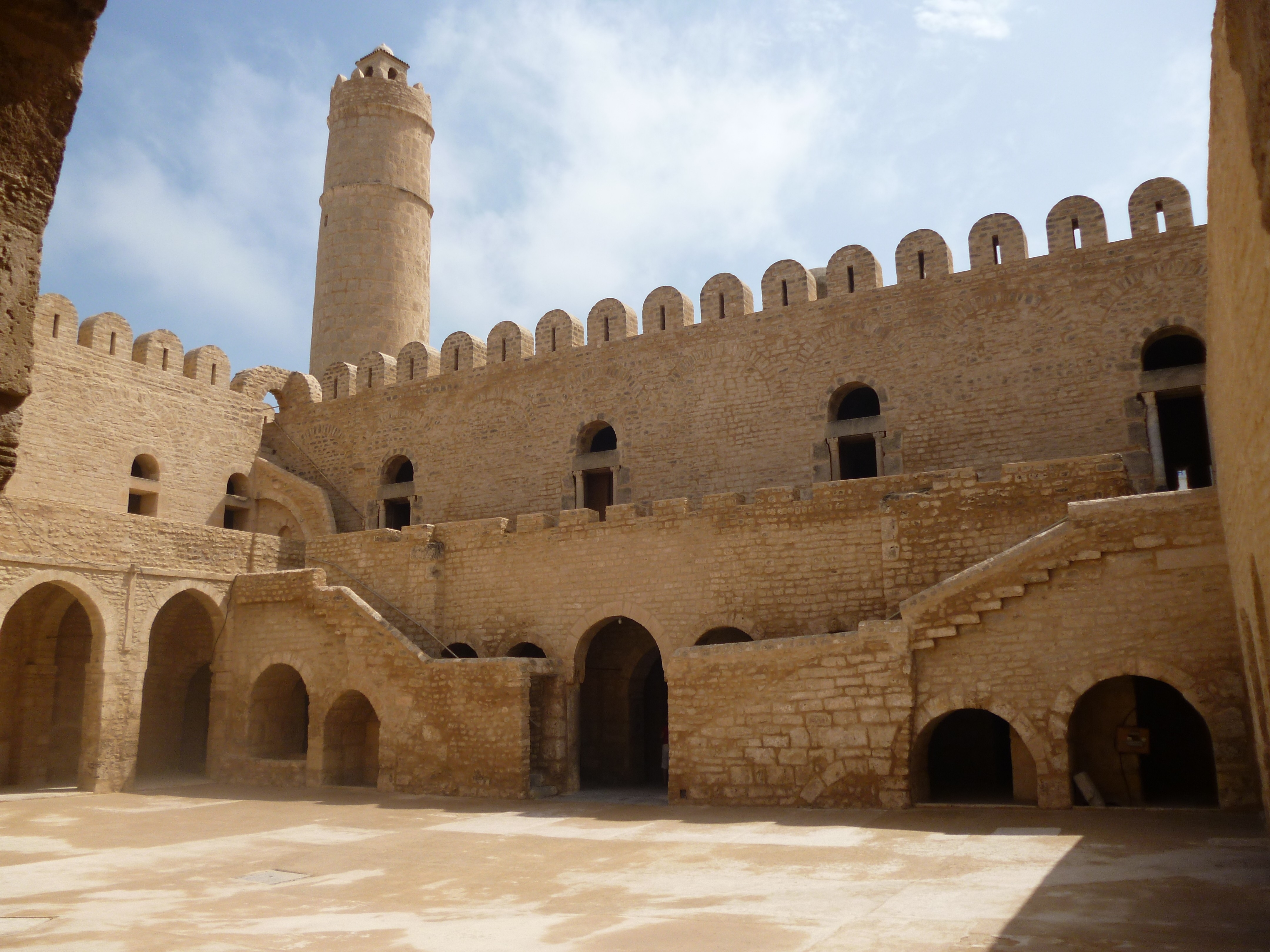
Medina of Sousse
Islamic architectural site with Punic steles
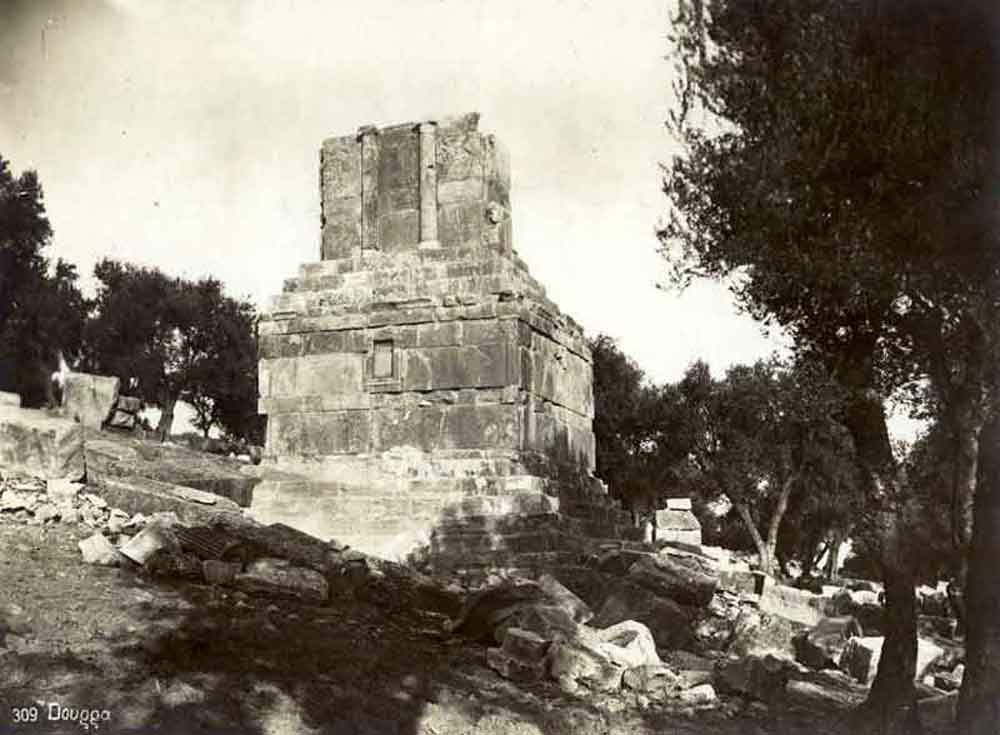
Libyco-Punic Mausoleum of Dougga
Ancient Numidian mausoleum with intricate decorations
Thenae
Ancient Carthaginian and Roman town ruins.
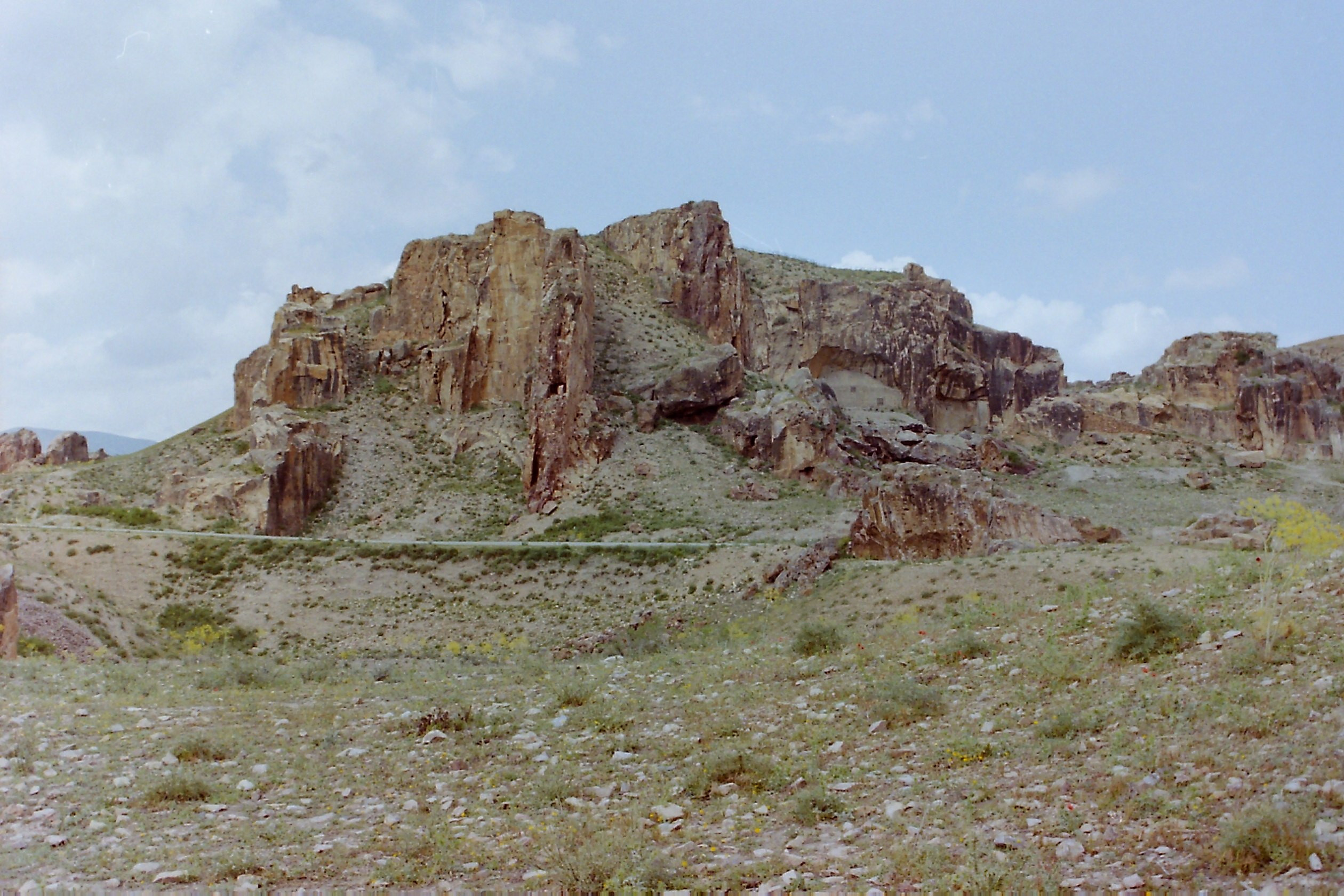
Chemtou
Ancient Roman-Berber town with quarries.
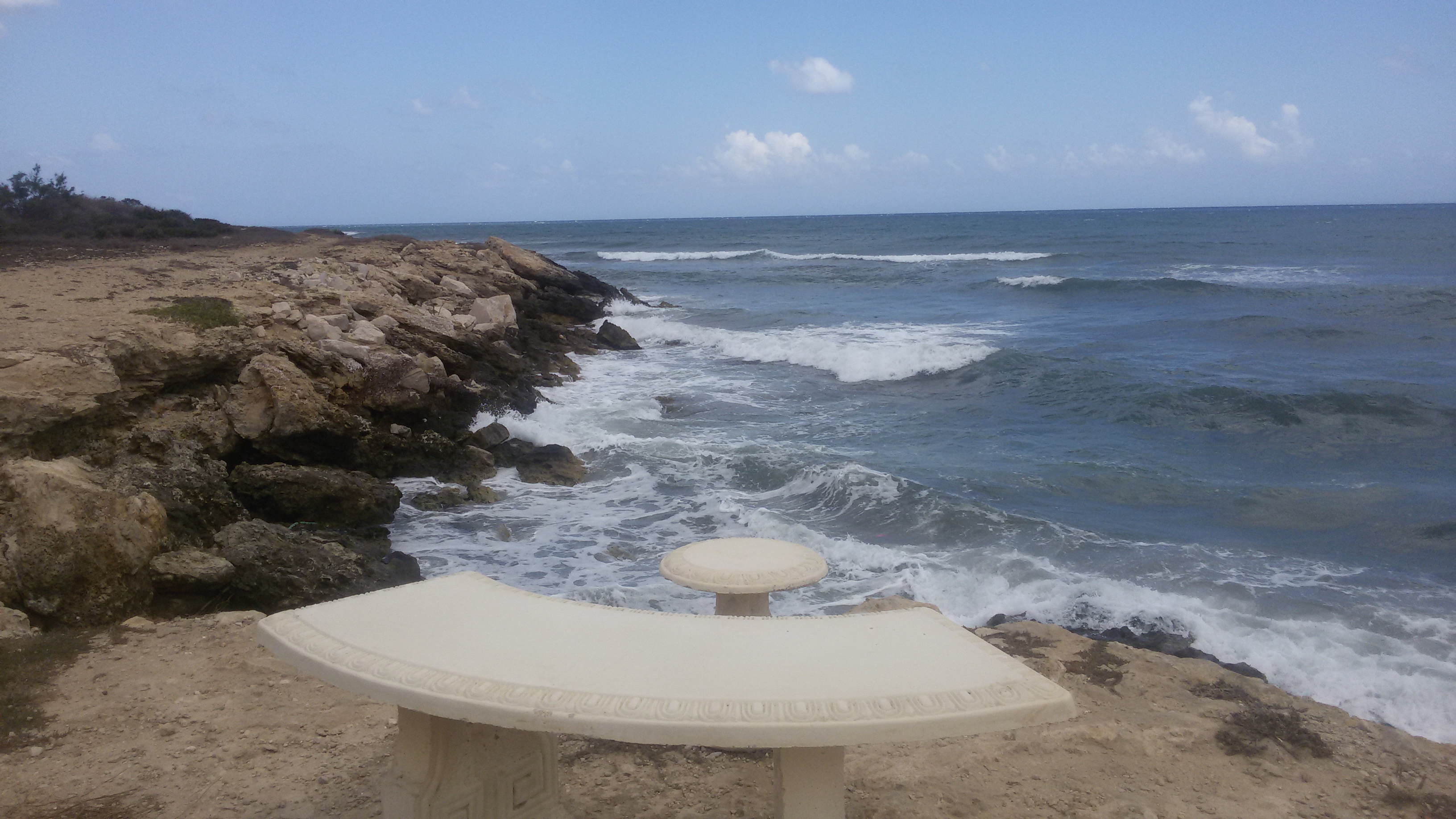
Kerkouane
Ancient Punic city with unique ruins
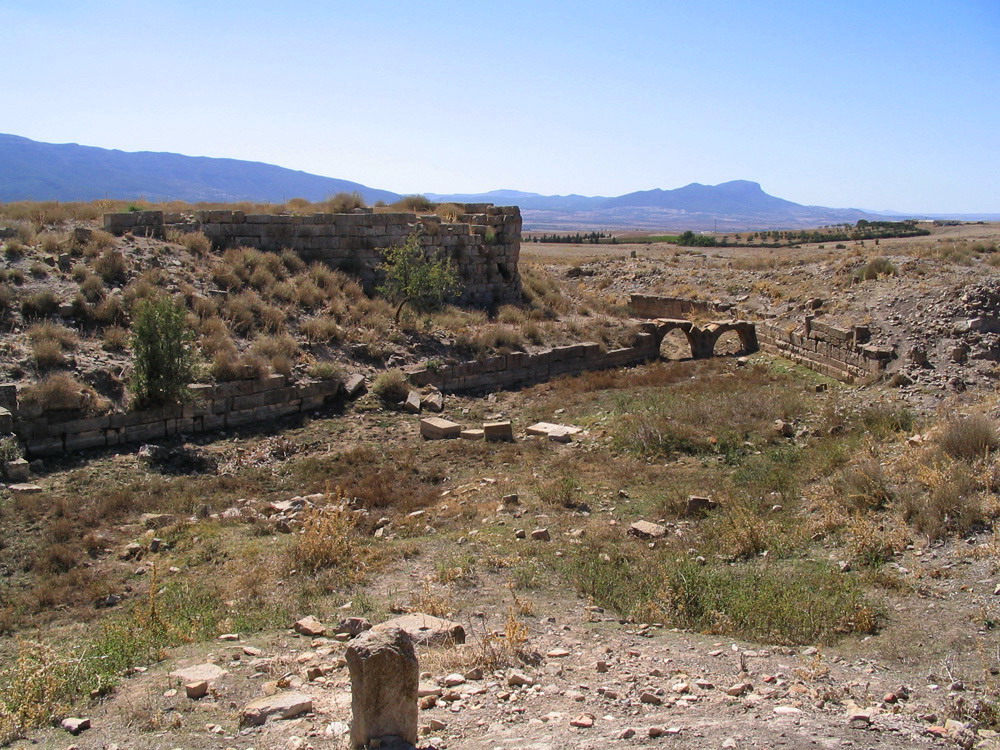
Henchir-Bez
Roman-era ruins with basilica and fort