Explore the Map
Thenae
34.6873° N, 10.7205° E
About
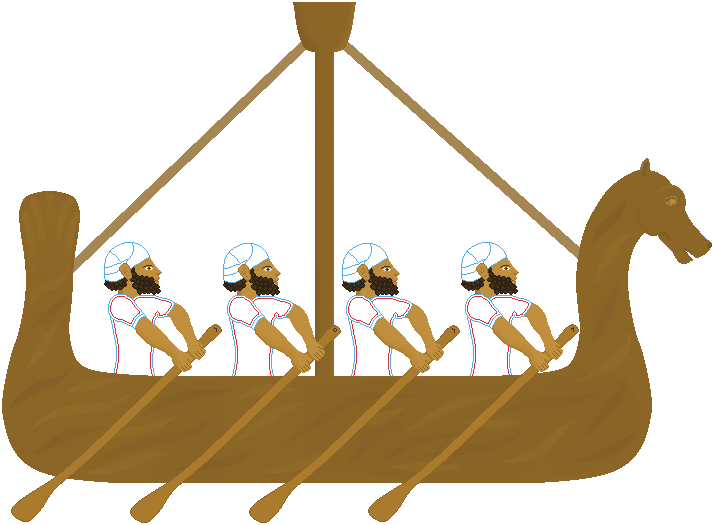
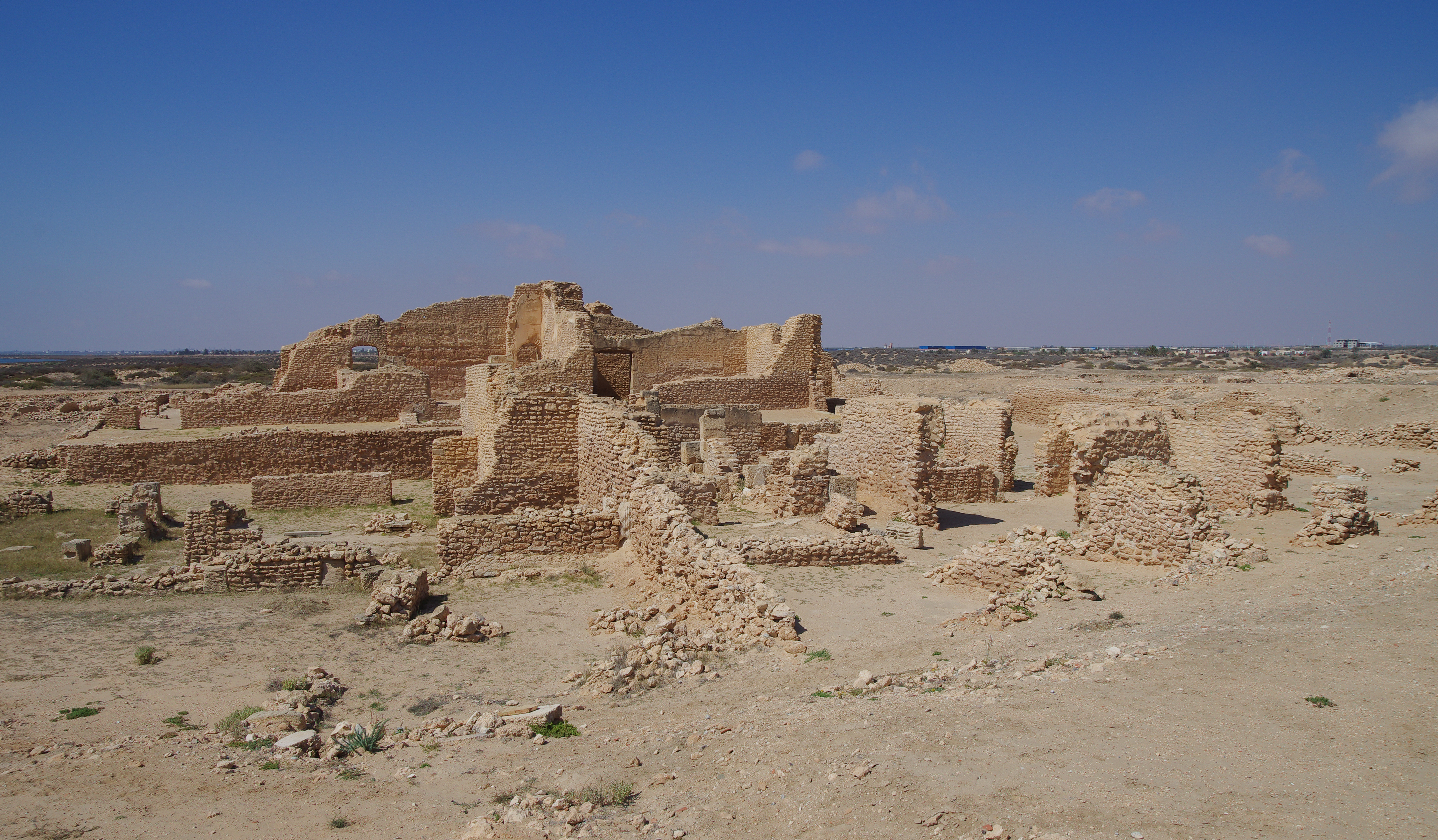
Thenae, an ancient town located near modern-day Sfax, Tunisia, was originally founded as a Phoenician colony. It subsequently came under Carthaginian control before being integrated into the Roman Empire. The town is known for its diverse cultural influences, as evidenced by its Punic and Roman names and coins bearing both Punic characters and Roman imagery. The archaeological remains include a bath house, defensive walls, and an early Christian basilica, illustrating the town's development through various historical phases. Thenae also played a role in early Christianity as the seat of a bishopric. These features make it an important site for understanding the cultural and historical transitions from Phoenician through Roman times in the Mediterranean region.
Gallery
Explore photographs of ancient structures, artifacts, and archaeological excavations
Historical Timeline
Journey through time and discover key events in this site's history
Phoenician founding
7th century BCE
Carthaginian control
6th century BCE
Roman control
2nd century BCE
Coin issuing period
1st century BCE
Christian bishopric establishment
5th century CE
Archaeological Features
Unique architectural and cultural elements found at this historical site
Defensive Structures
Water Management Features
Religious and Ritual Structures
Domestic and Habitation Structures
Frequently Asked Questions
Plan Your Visit
Tours, travel arrangements, and practical information
More Sites in Tunisia
Chemtou
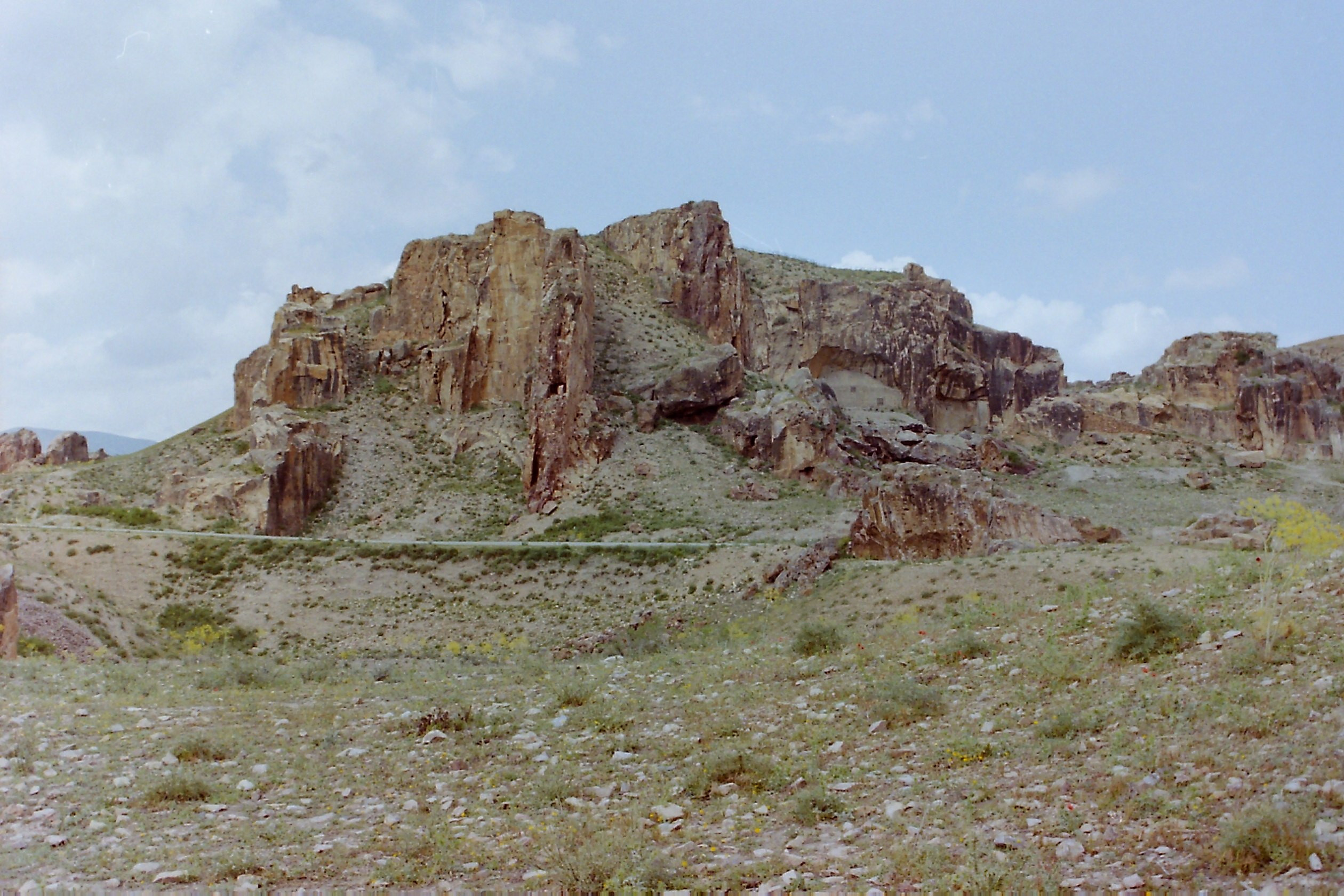
Ancient Roman-Berber town with quarries.
Necropolis of Kerkouane
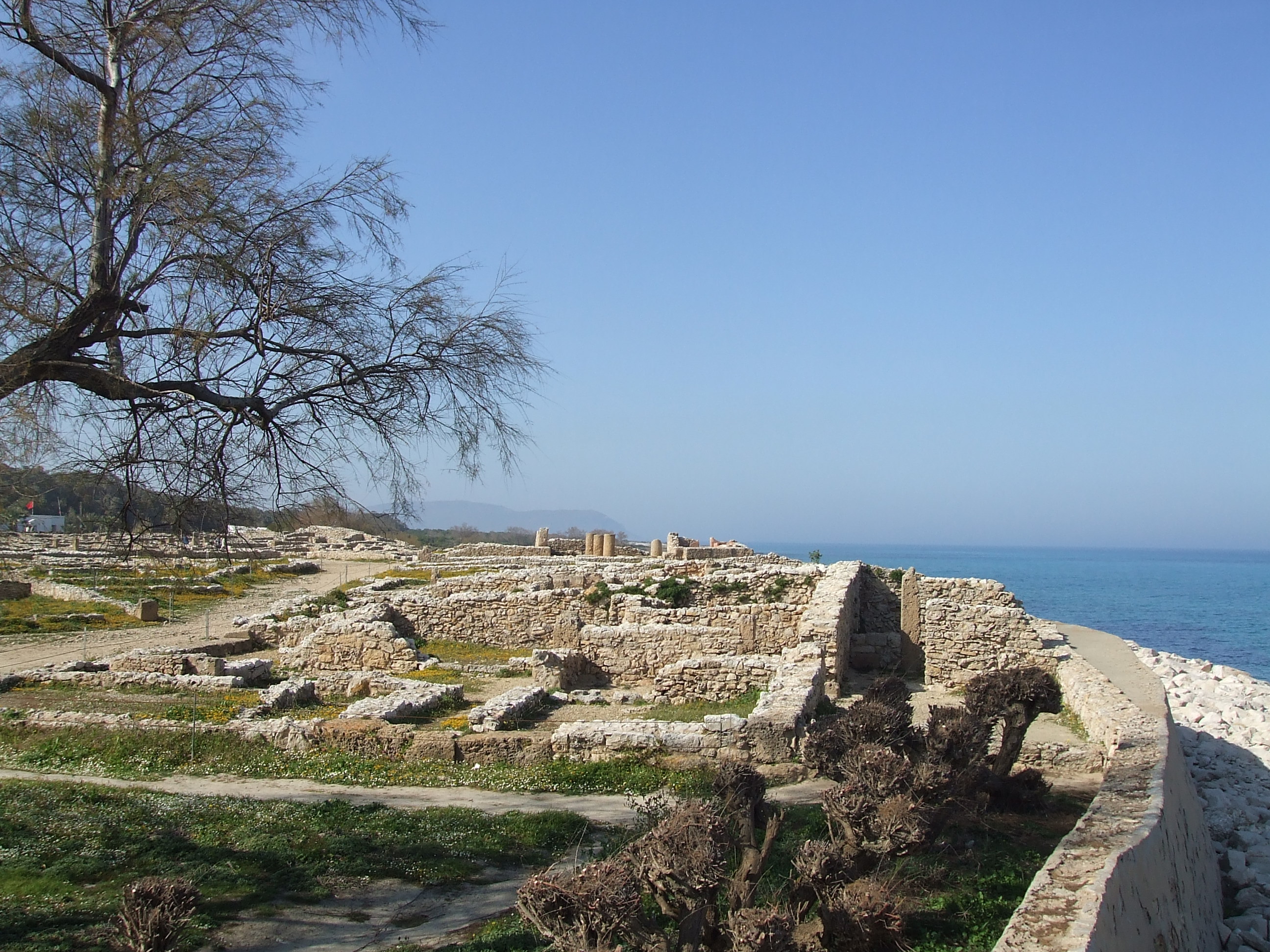
Ancient Punic necropolis with chamber-tombs.
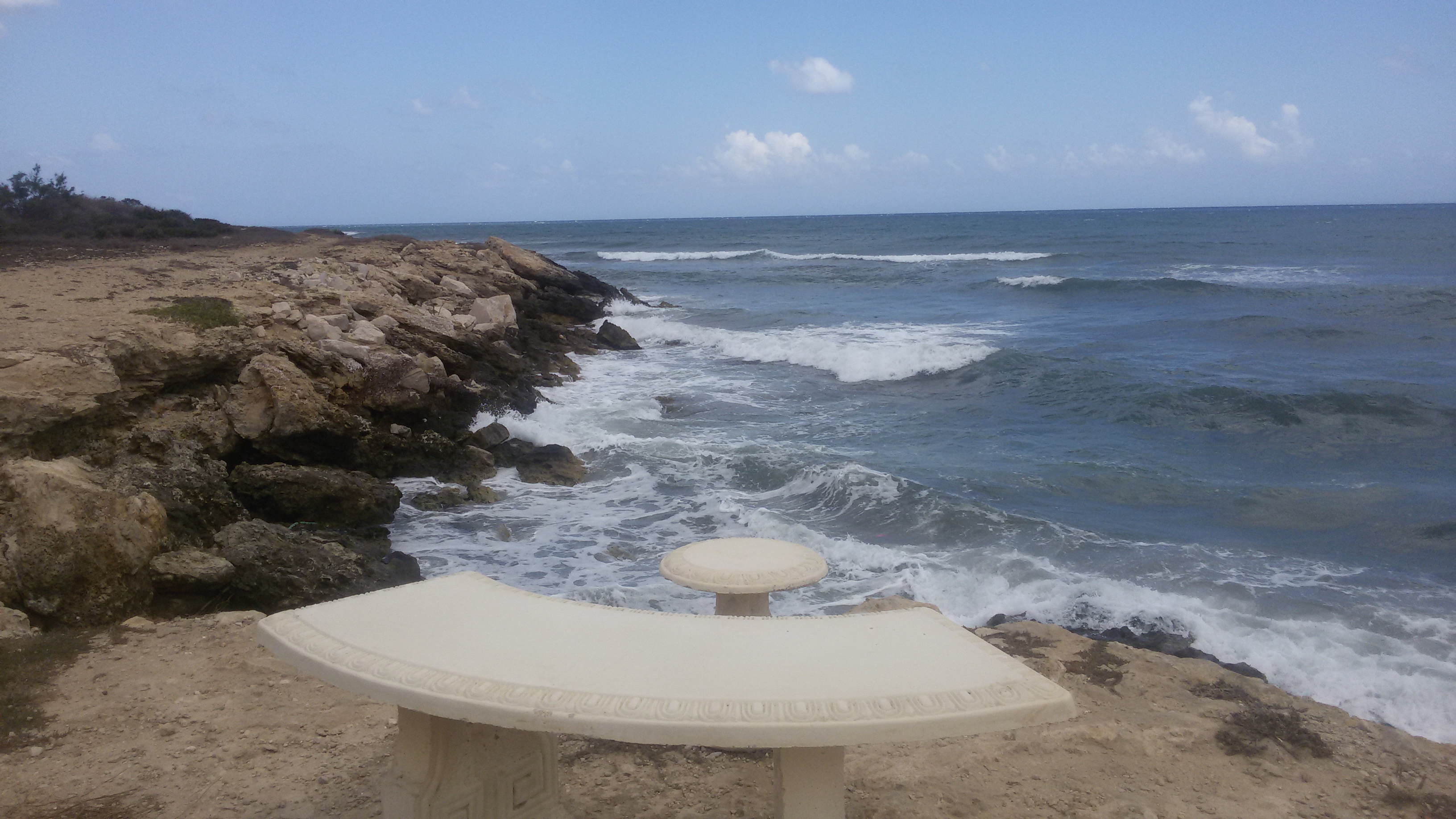
Kerkouane
Ancient Punic city with unique ruins
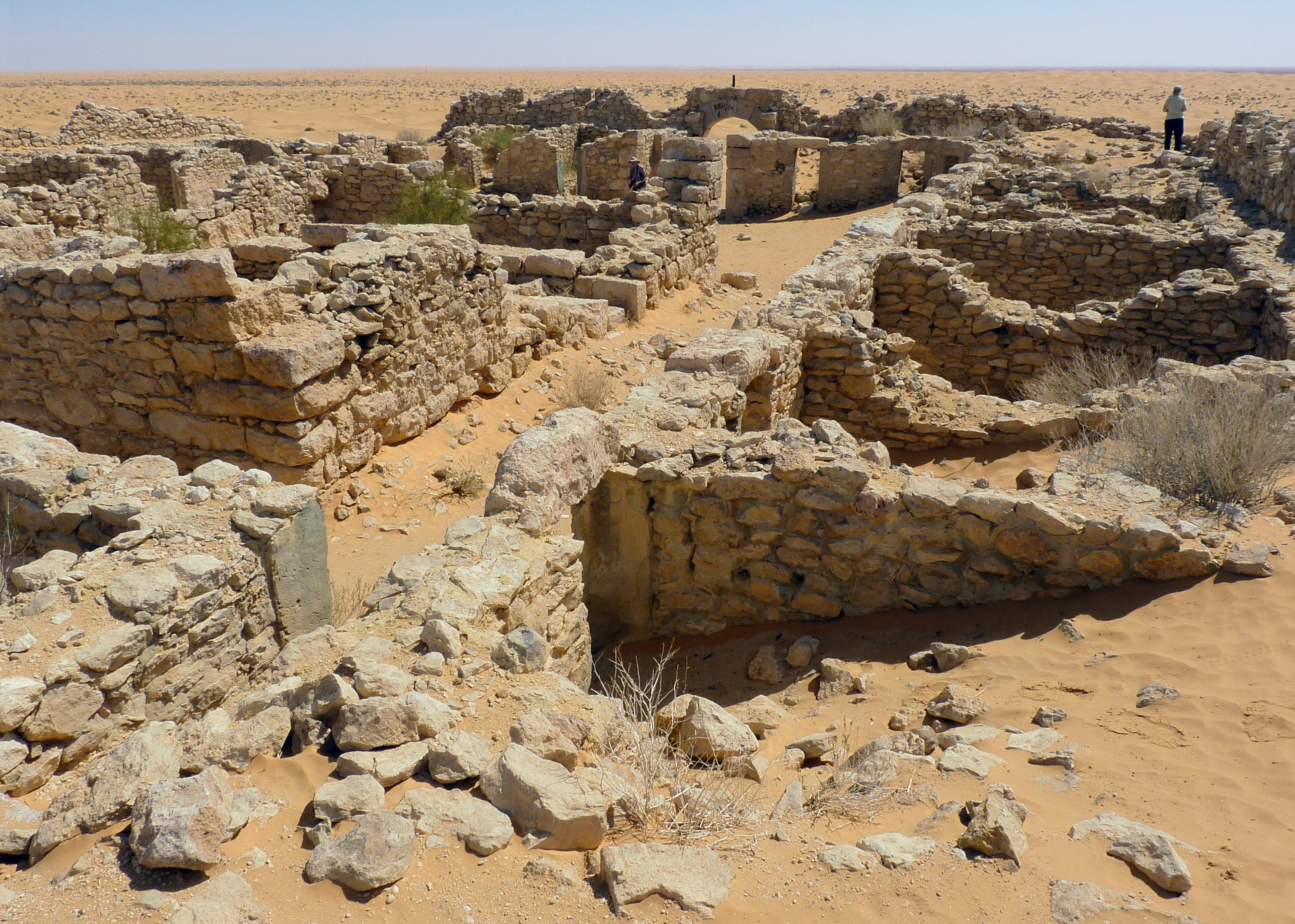
Ksar Ghilane
Ruins of Roman fortress in Tunisian oasis
Henchir-Ed-Douamès
Roman-era city ruins in northern Tunisia
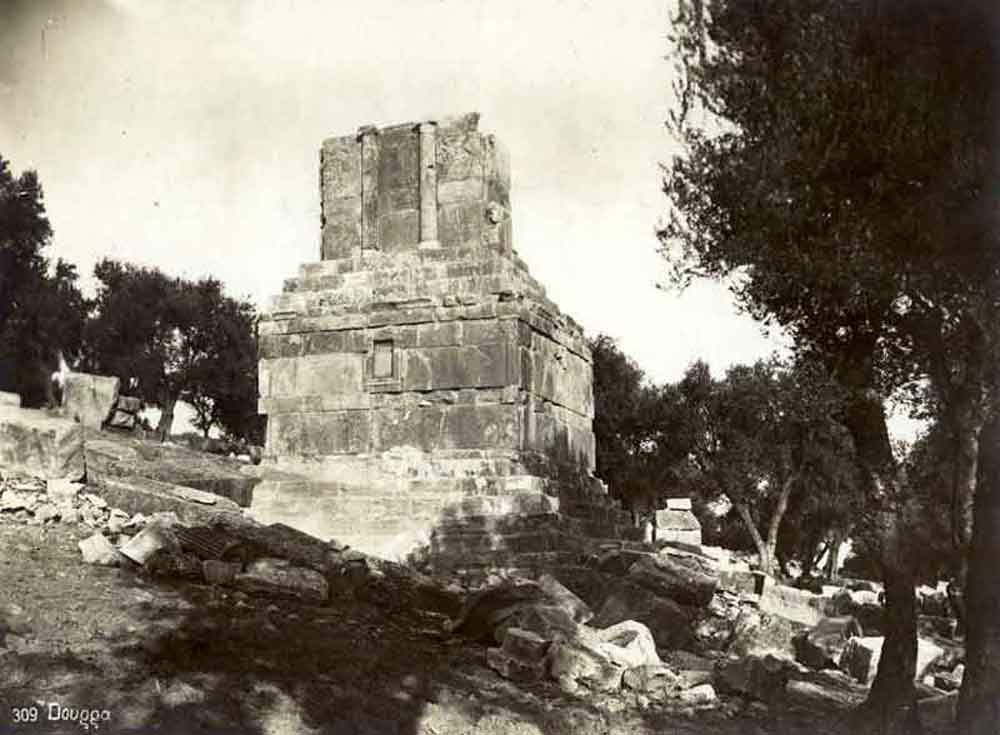
Libyco-Punic Mausoleum of Dougga
Ancient Numidian mausoleum with intricate decorations