
Explore the Map
Chemtou
36.4919° N, 8.5761° E
About
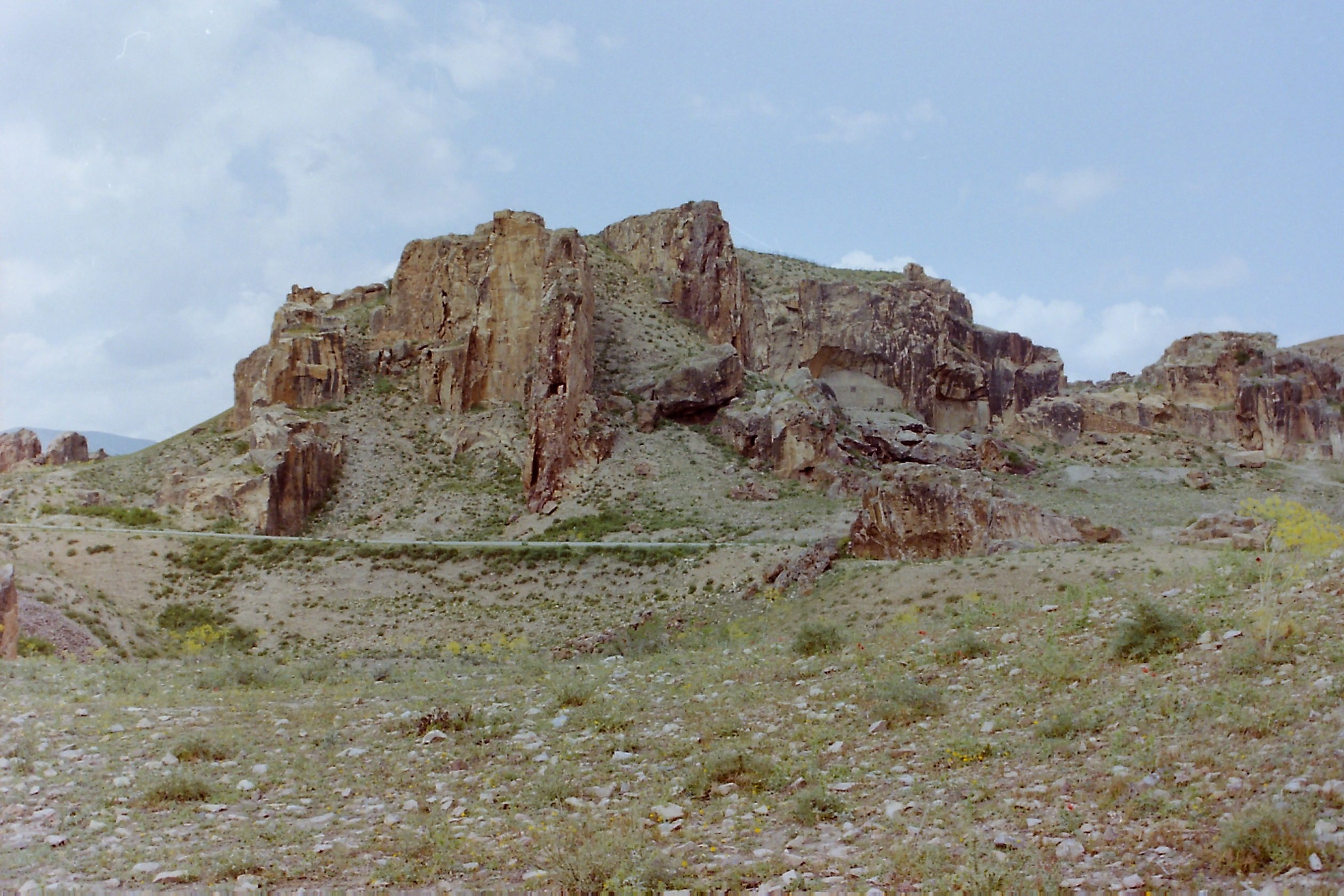
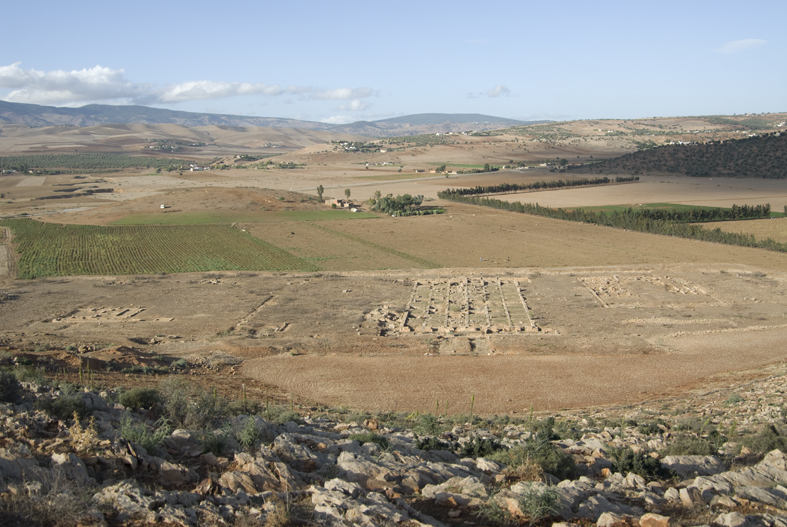
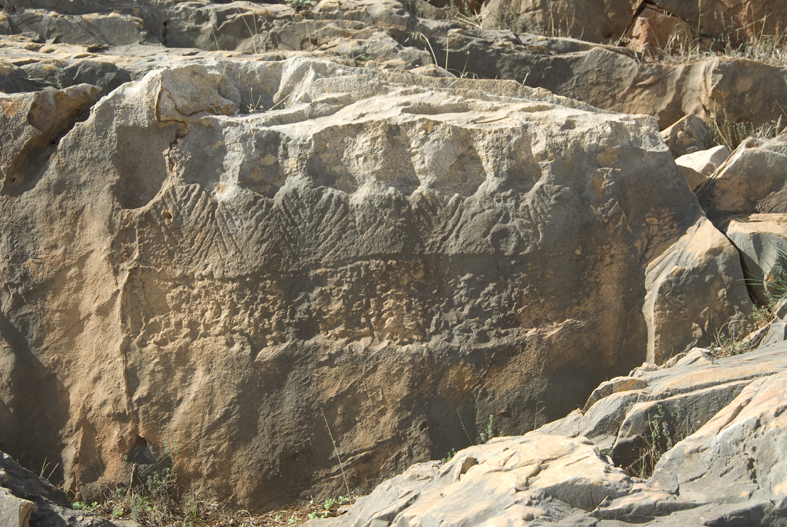
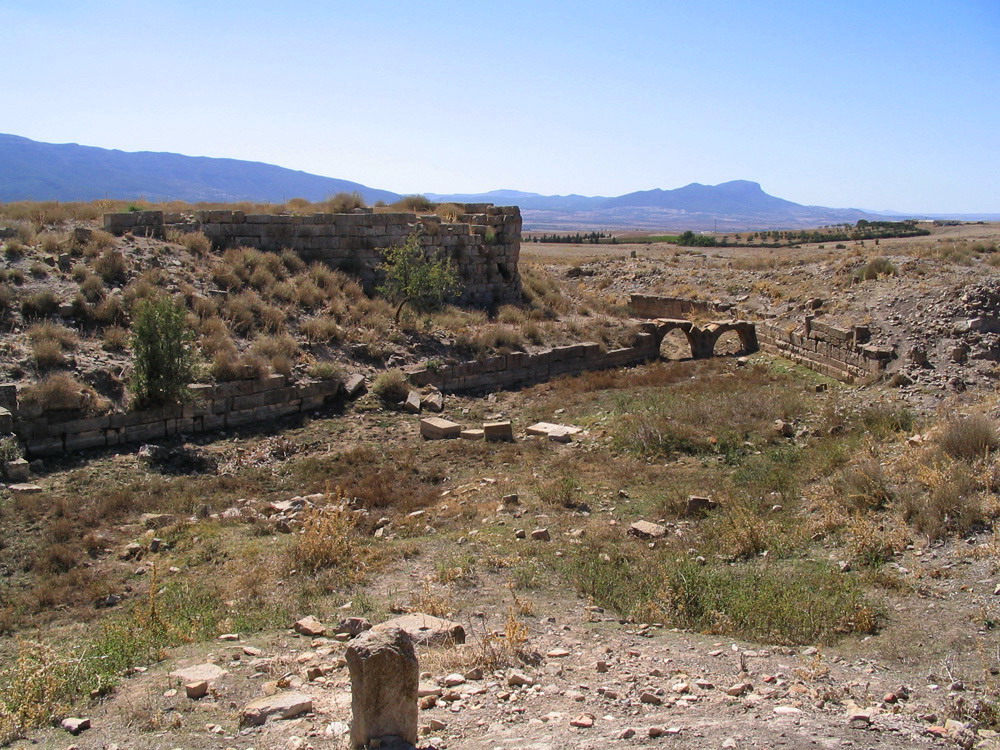
Chemtou, located in northwestern Tunisia, was a significant ancient Roman-Berber settlement known as Simitthu. Founded in the 4th to 5th century BCE as a colony of the Numidian kingdom, it flourished under Roman rule as a prominent town with a bishopric status. The site is notable for its extensive quarries that produced the prized 'marmor numidicum' or antique yellow marble, widely used across the Roman Empire. Archaeological evidence reveals a well-planned urban layout with public buildings like temples, an amphitheater, and a sophisticated water management system including aqueducts and cisterns. Chemtou also featured unique Numidian and Roman religious structures. Its strategic location at the crossroads of major Roman roads highlights its importance in trade and transport in antiquity. The site was eventually abandoned around the 9th to 10th century CE.
Gallery
Explore photographs of ancient structures, artifacts, and archaeological excavations
Historical Timeline
Journey through time and discover key events in this site's history
Roman development
50 BCE - 100 CE
Bishopric establishment
300-400 CE
Founding as Numidian colony
400-300 BCE
Abandonment
800-900 CE
Archaeological Features
Unique architectural and cultural elements found at this historical site
Water Management Features
Public and Civic Structures
Burial and Funerary Structures
Industrial and Craft Structures
Religious and Ritual Structures
Artistic and Decorative Features
Domestic and Habitation Structures
Transportation and Communication Structures
Frequently Asked Questions
Plan Your Visit
Tours, travel arrangements, and practical information
More Sites in Tunisia
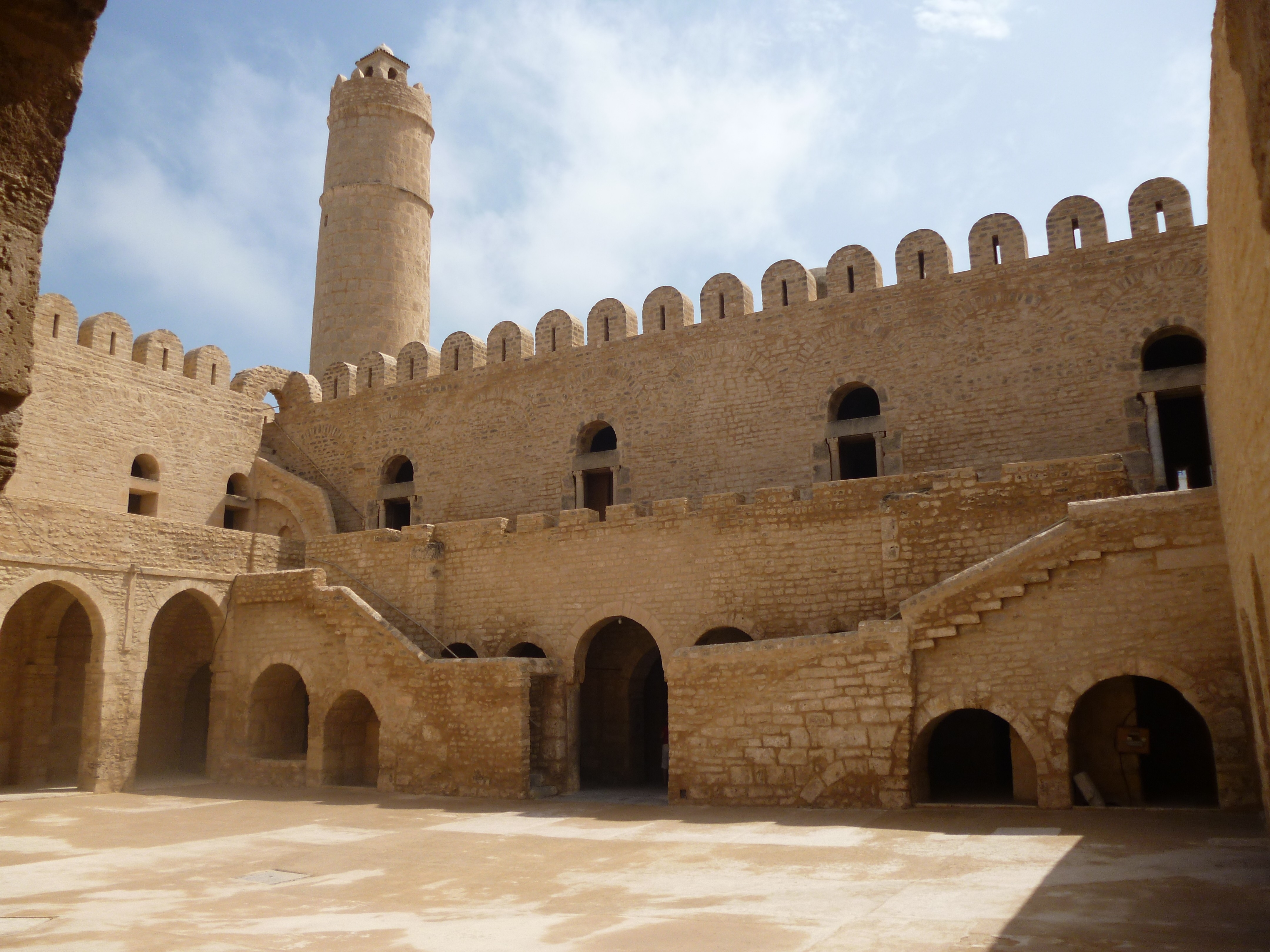
Medina of Sousse
Islamic architectural site with Punic steles
Henchir-Tebel
Roman settlement with religious significance
Henchir-Bez
Roman-era ruins with basilica and fort

Thenae
Ancient Carthaginian and Roman town ruins.
Henchir-Ed-Douamès
Roman-era city ruins in northern Tunisia
Bir-Abdallah
Roman town with ancient Christian bishopric.