Time Periods
Paleolithic
Mesolithic
Neolithic
Chalcolithic
Bronze Age
Iron Age
Classical Period
Post-Classical Period
Early Modern Period
Industrial Period
Contemporary Period
Time Periods
Paleolithic
Mesolithic
Neolithic
Chalcolithic
Bronze Age
Iron Age
Classical Period
Post-Classical Period
Early Modern Period
Industrial Period
Contemporary Period
Location
About
Sidi El Hani, located in the Sousse Governorate of Tunisia, is an archaeological site of significant historical importance. Originally a Roman town known as Quartz August or vicus Augustii, it was active from 30 BCE until approximately 640 CE. The site is notable for the remains of a large amphitheater, highlighting its status as a Roman civic center. During Late Antiquity, Sidi El Hani served as the seat of a Christian Bishopric, adding religious and historical layers to its significance. The town's strategic location and its evolution from a Roman settlement into a Christian ecclesiastical seat illustrate the cultural and historical transitions in the region during the Classical and Early Post-Classical periods.
Archaeological Features
Explore the unique architectural and cultural elements found at this historical site
Public and Civic Structures
Religious and Ritual Structures
Domestic and Habitation Structures
Historical Timeline
Journey through time and discover key events in this site's archaeological history
Plan Your Visit
Details
- Country
- Tunisia
- Source
- Wikipedia
More Sites in Tunisia
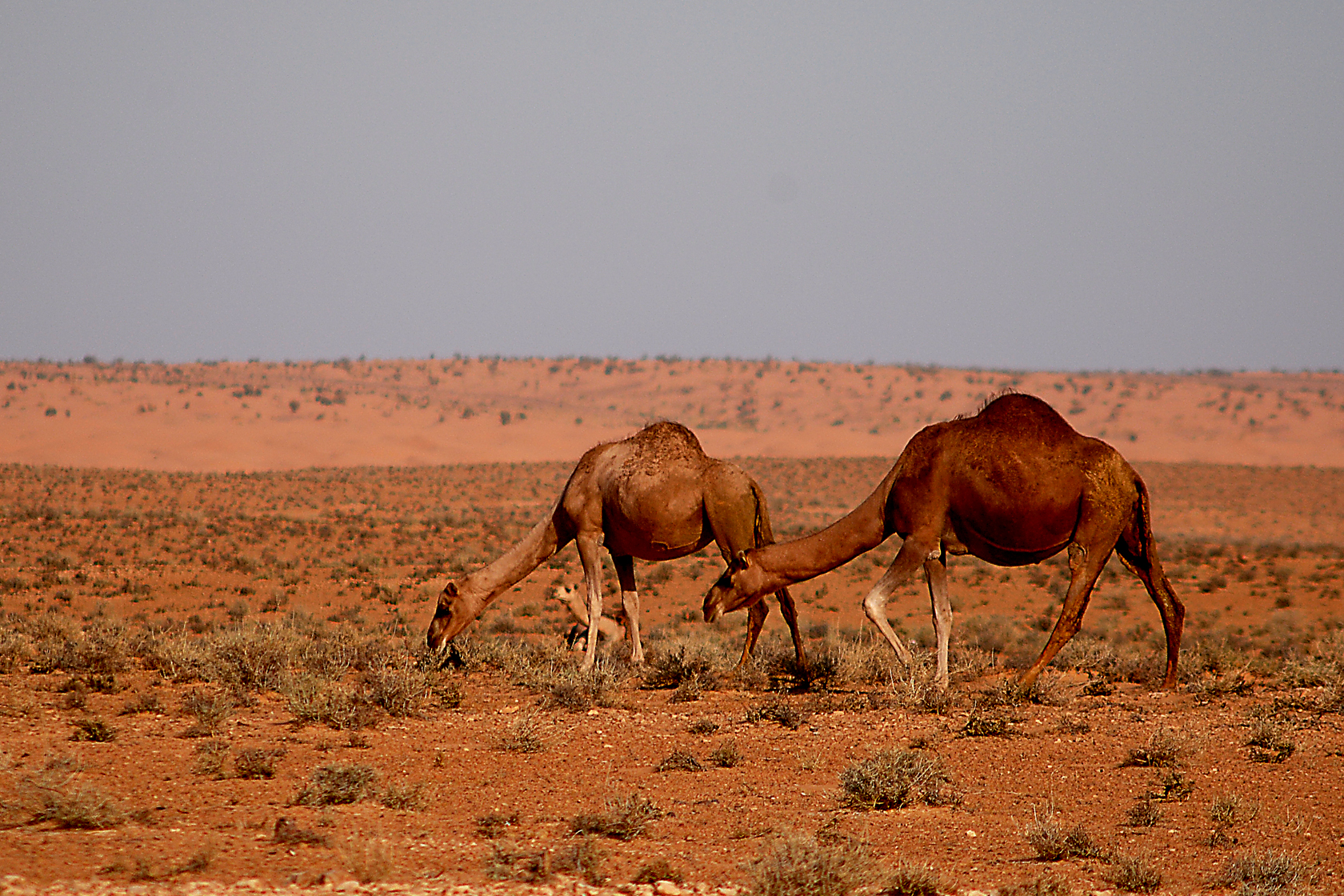
Jebil National Park
Desert park with prehistoric artifacts.
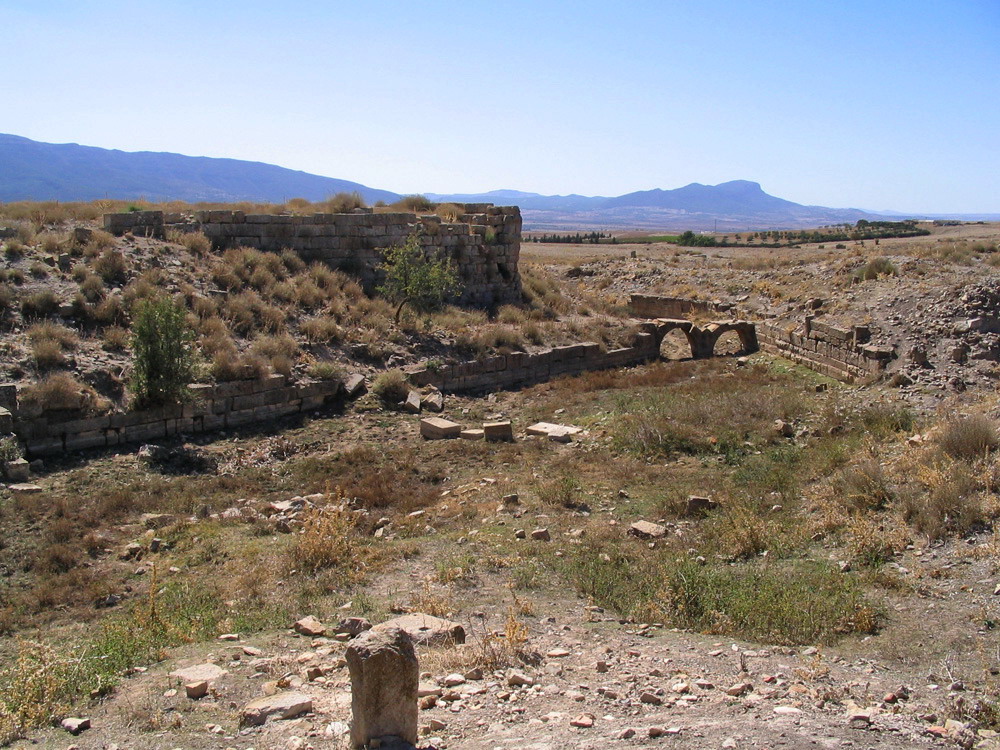
Henchir-Bez
Roman-era ruins with basilica and fort
Bir-Abdallah
Roman town with ancient Christian bishopric.

Sidi Daoud, Tunisia
Roman town with Christian bishopric remains.
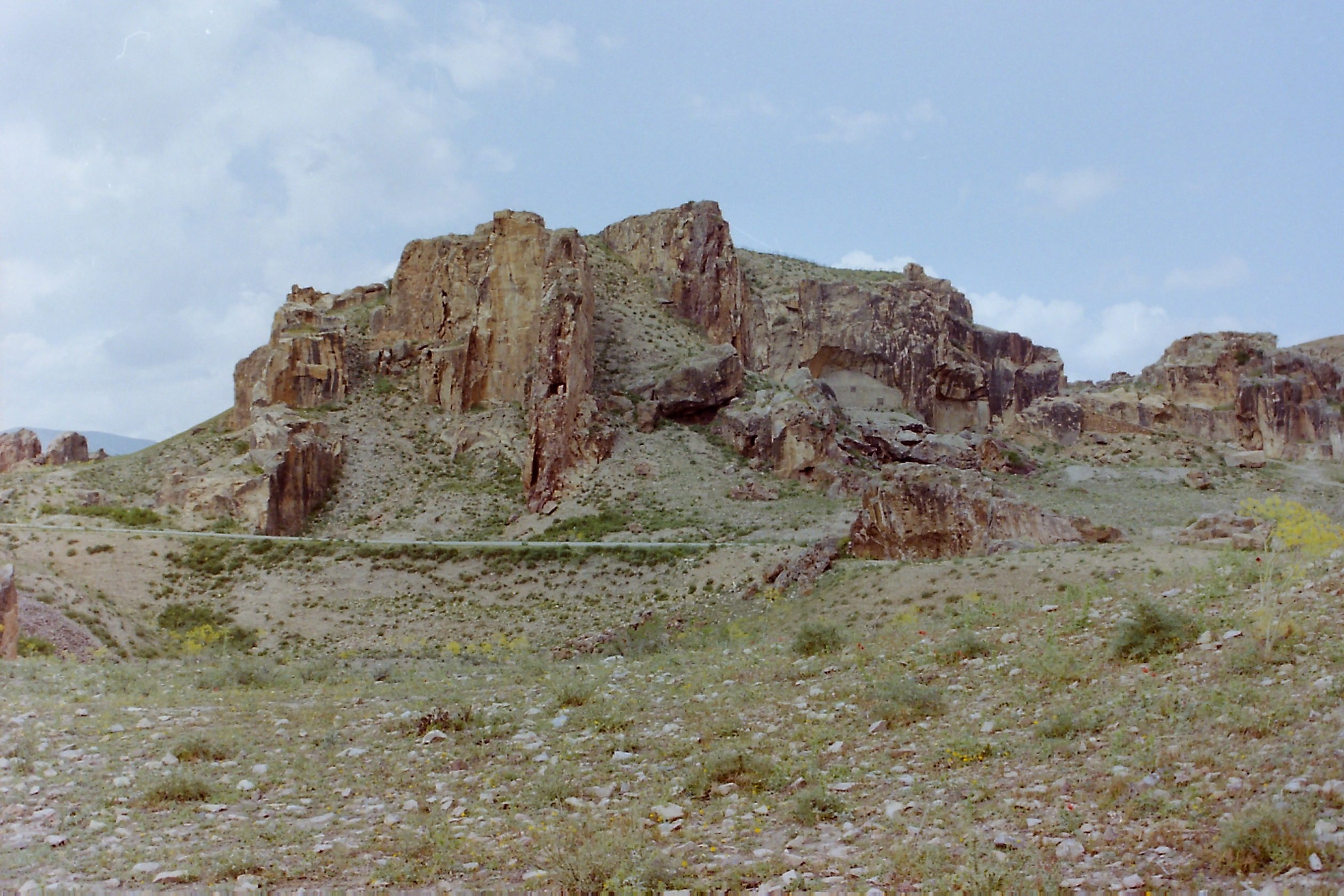
Chemtou
Ancient Roman-Berber town with quarries.
Henchir-Khachoum
Roman town with early Christian bishopric