Explore the Map
Bir-Abdallah
35.5528° N, 9.9411° E
About
The archaeological site of Bir-Abdallah in southern Tunisia holds significant historical value due to its Roman origins and its role as a Christian bishopric. Situated near the Oued El Hatech, the site features remnants of a Roman town, including domestic structures and a well. The town served as an important religious center during the Roman Empire, evidenced by its ancient Christian bishopric, which continues as a titular see within the Roman Catholic Church. Bir-Abdallah's historical trajectory was notably altered in the 7th century CE with the establishment of Kairouan by the Arab general Uqba ibn Nafi. This event marked a shift in the region's cultural and religious landscape, contributing to the Islamic heritage of the site. The presence of Roman and early Islamic features highlights the site's rich archaeological and historical significance.
Historical Timeline
Journey through time and discover key events in this site's history
Roman Town Establishment
1 CE
Foundation of Kairouan
670 CE
Archaeological Features
Unique architectural and cultural elements found at this historical site
Water Management Features
Religious and Ritual Structures
Domestic and Habitation Structures
Frequently Asked Questions
Plan Your Visit
Tours, travel arrangements, and practical information
More Sites in Tunisia
Henchir-Ed-Douamès
Roman-era city ruins in northern Tunisia
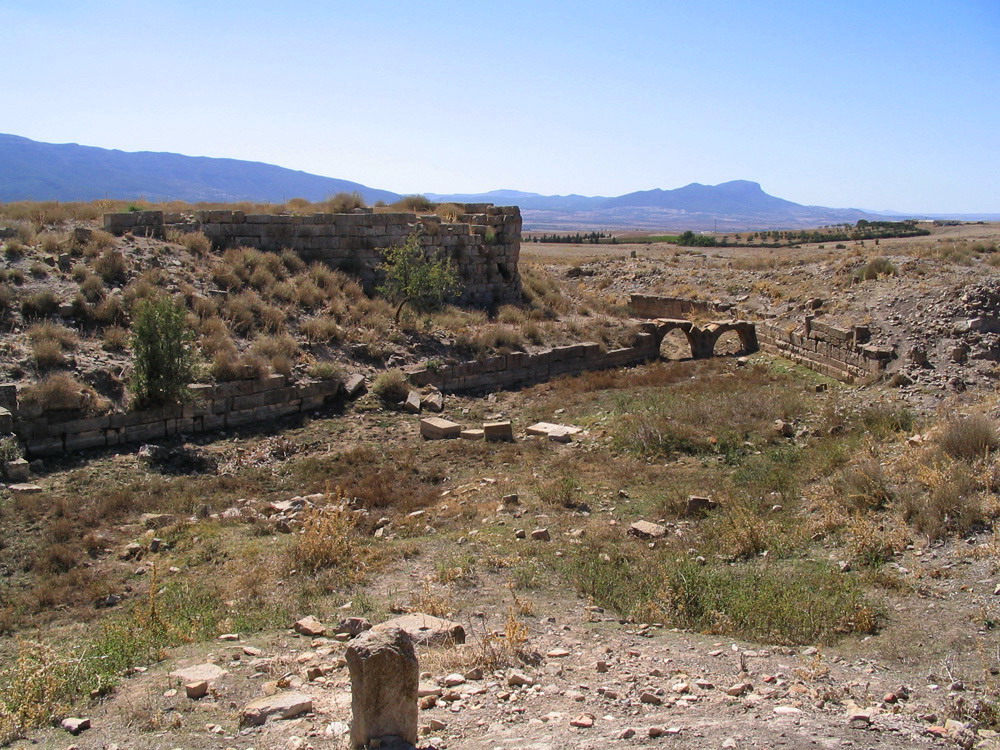
Henchir-Bez
Roman-era ruins with basilica and fort
Henchir-Khachoum
Roman town with early Christian bishopric
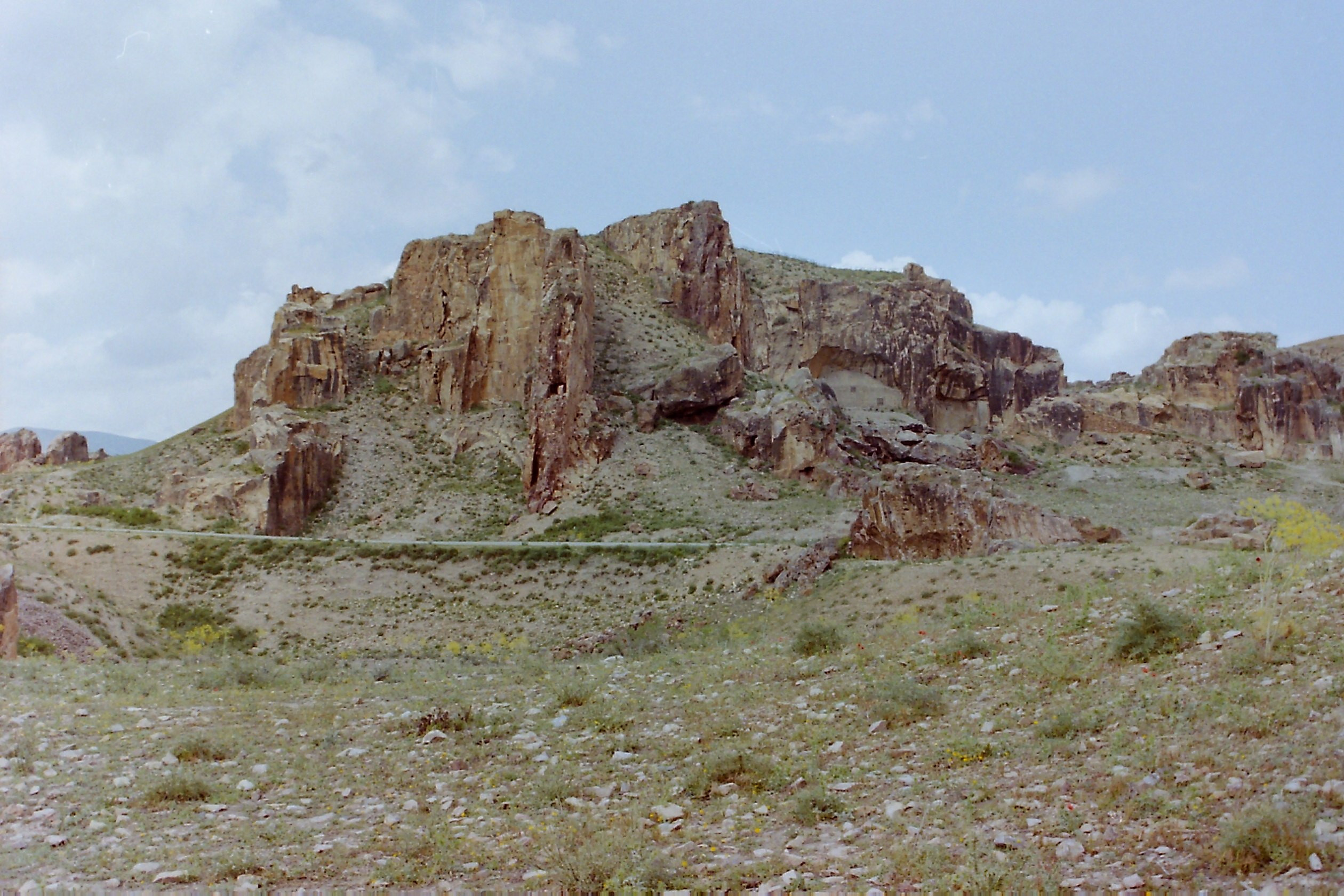
Chemtou
Ancient Roman-Berber town with quarries.
Henchir-Tebel
Roman settlement with religious significance
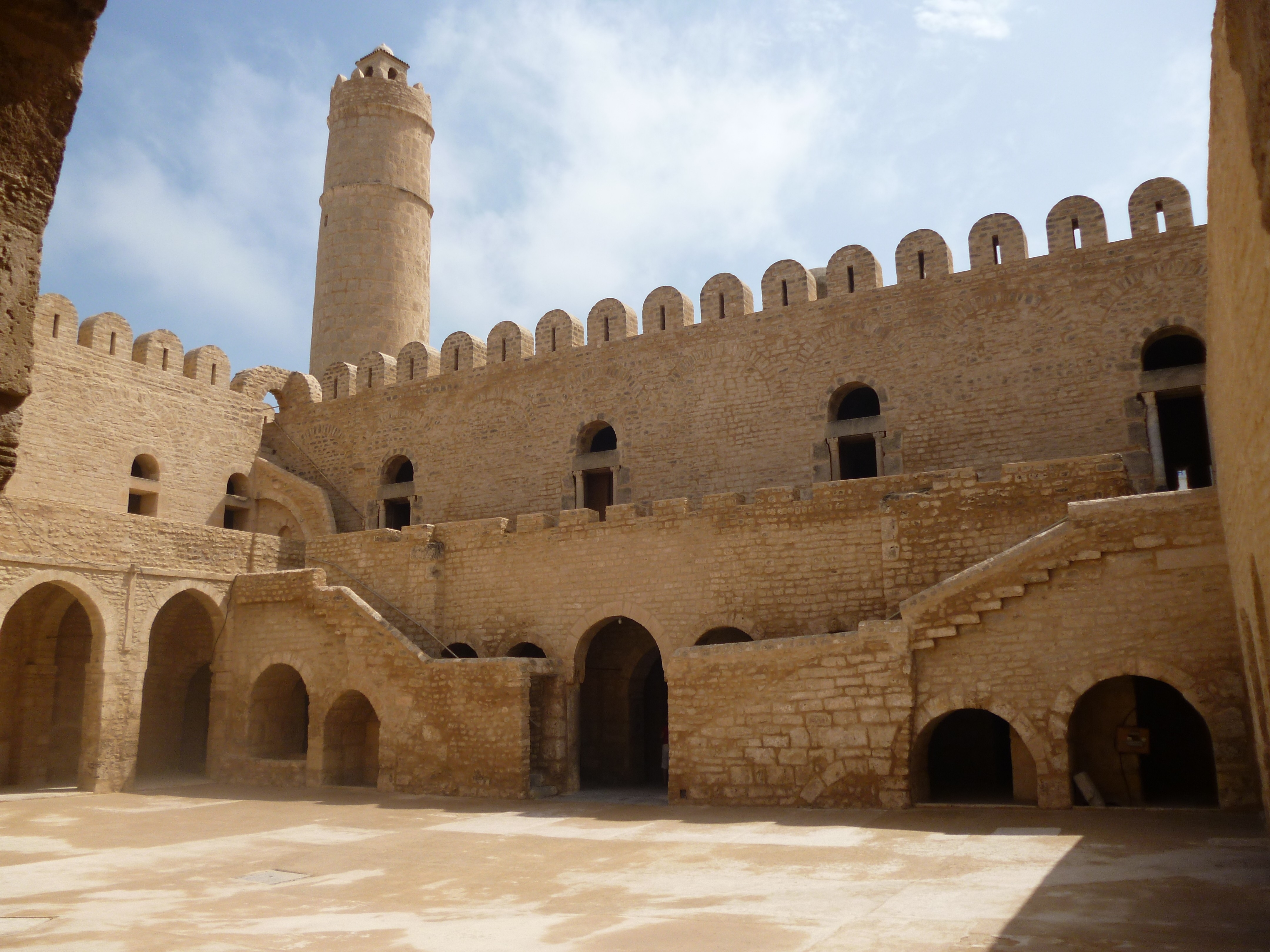
Medina of Sousse
Islamic architectural site with Punic steles