Time Periods
Paleolithic
Mesolithic
Neolithic
Chalcolithic
Bronze Age
Iron Age
Classical Period
Post-Classical Period
Early Modern Period
Industrial Period
Contemporary Period
Time Periods
Paleolithic
Mesolithic
Neolithic
Chalcolithic
Bronze Age
Iron Age
Classical Period
Post-Classical Period
Early Modern Period
Industrial Period
Contemporary Period
Location
About
The town of Mahjouba in Morocco, North Africa, was once the seat of an ancient Christian bishopric. This site, significant for its religious heritage, ceased to function as a bishopric following the Muslim conquest of the Maghreb in the 7th century CE. Despite this, it continues to exist today as a titular see of the Roman Catholic Church. The presence of the bishopric aligns it with the Late Classical Period and the Early Post-Classical Period, particularly highlighting its historical and religious importance during these times. Mahjouba's status as a titular see suggests the enduring historical and spiritual legacy of the site, even as it evolved through significant cultural and religious changes over the centuries.
Archaeological Features
Explore the unique architectural and cultural elements found at this historical site
Religious and Ritual Structures
Historical Timeline
Journey through time and discover key events in this site's archaeological history
Plan Your Visit
Details
- Country
- Tunisia
- Source
- Wikipedia
More Sites in Tunisia
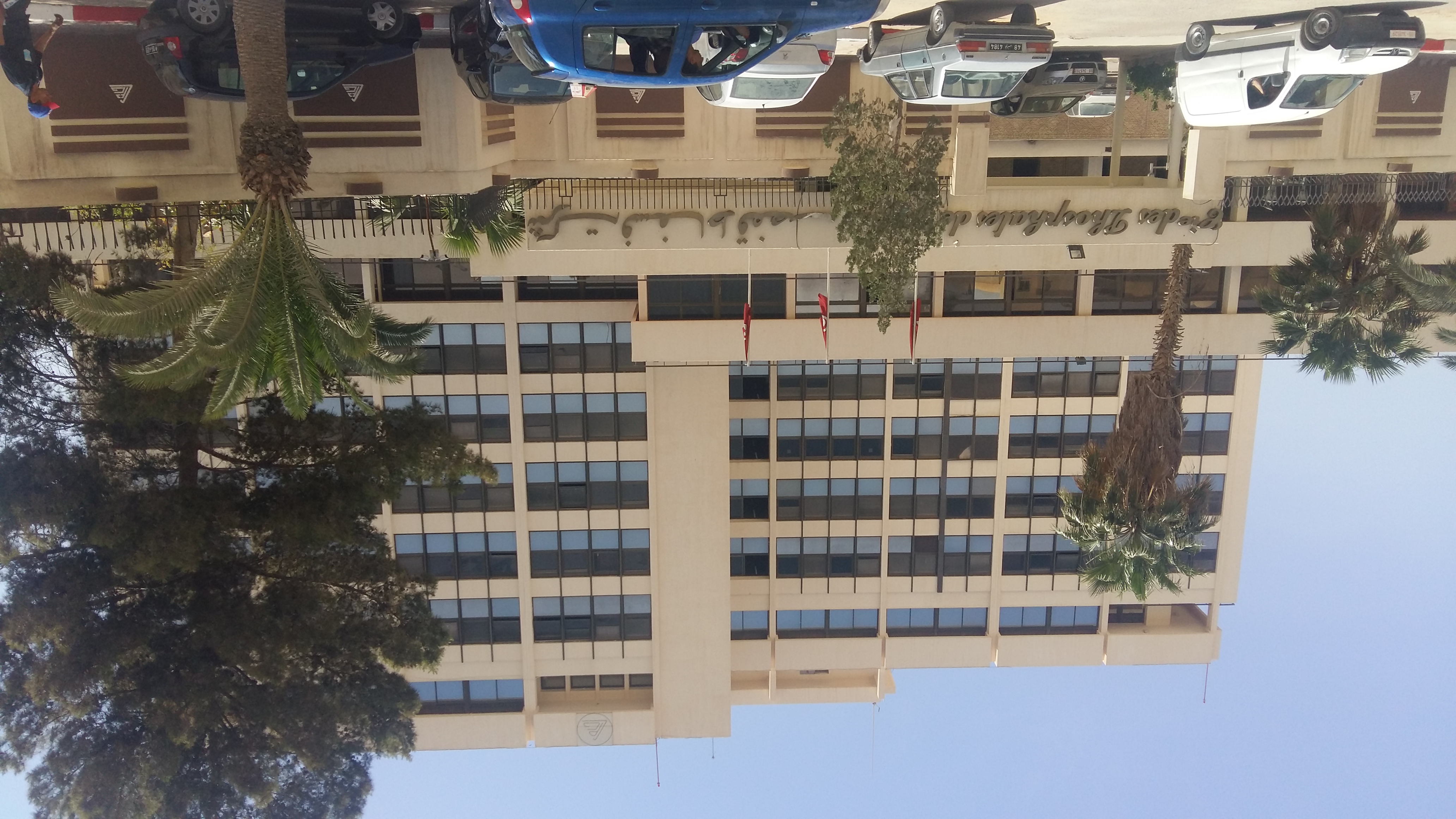
Gafsa
Ancient city with Roman and Byzantine ruins.
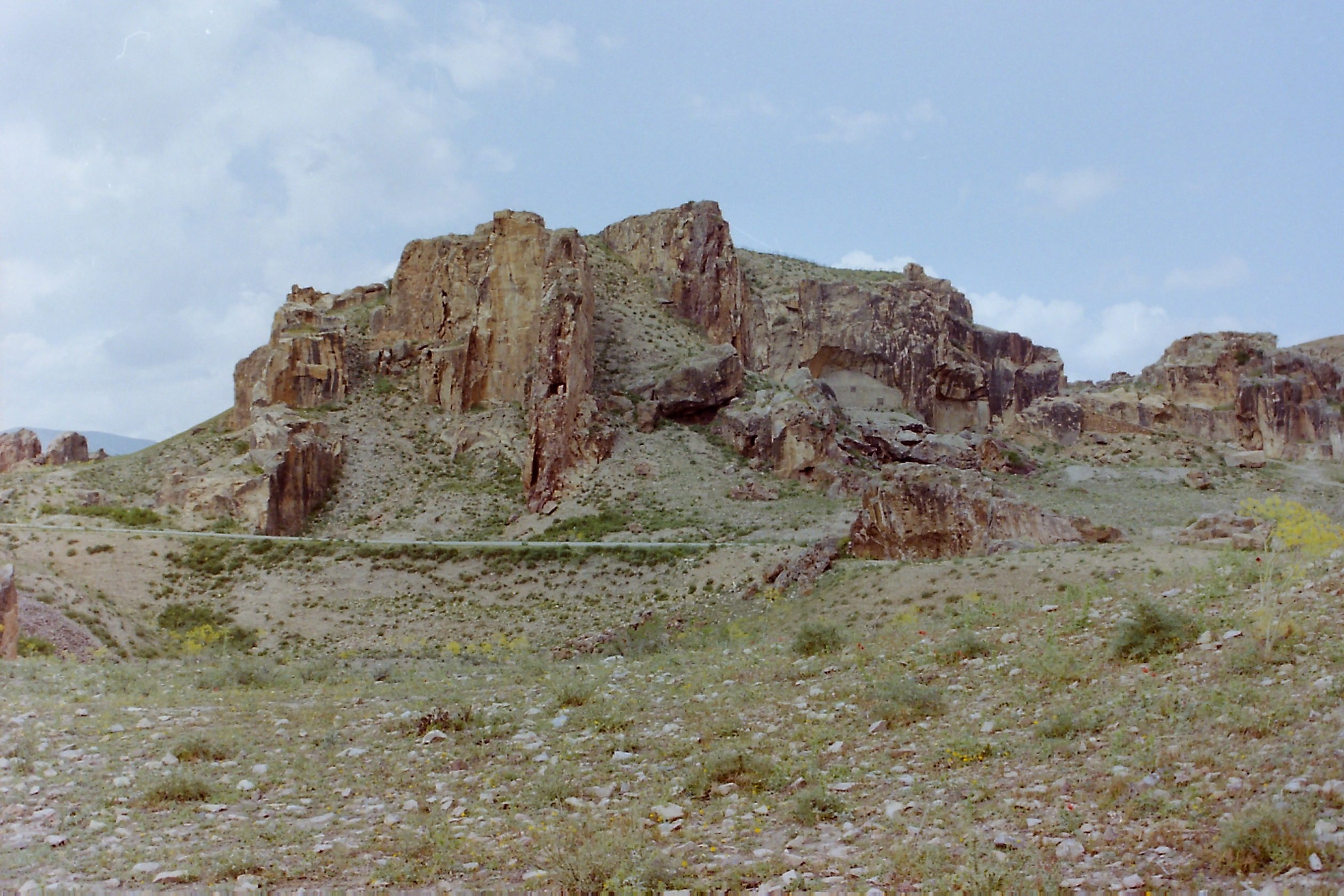
Chemtou
Ancient Roman-Berber town with quarries.
Henchir-Tebel
Roman settlement with religious significance
Sidi El Hani
Roman town with amphitheater remains.
Bir-Abdallah
Roman town with ancient Christian bishopric.
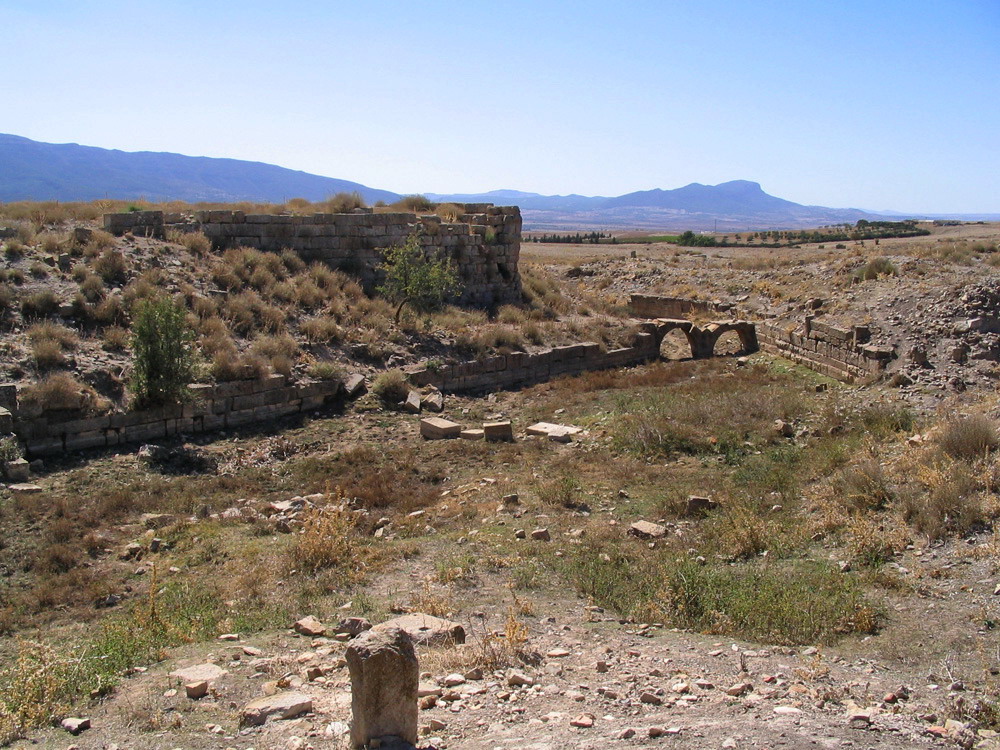
Henchir-Bez
Roman-era ruins with basilica and fort