Explore the Map
Henchir-Tebel
35.3442° N, 10.0514° E
About
Henchir-Tebel, identified with the Roman town of Luperciana, is an archaeological site near Kairouan, Tunisia. The town has a rich history of settlement by Berber, Phoenician, and Greek communities before its establishment by the Romans. Luperciana thrived during the Roman and Byzantine periods as part of the Africa Proconsularis province. The town held religious significance, with a Roman Catholic bishopric established during antiquity, though it ceased to operate with the advent of Islam in the 7th century CE. Notable for its religious diversity, the site is characterized by structures such as churches, mosques, and synagogues, reflecting its historical role as a center of religious activity and learning.
Historical Timeline
Journey through time and discover key events in this site's history
Roman founding of Luperciana
unknown
Decline of bishopric with Islam
unknown
Council of Carthage participation
256 CE
Archaeological Features
Unique architectural and cultural elements found at this historical site
Burial and Funerary Structures
Religious and Ritual Structures
Domestic and Habitation Structures
Plan Your Visit
Tours, travel arrangements, and practical information
More Sites in Tunisia
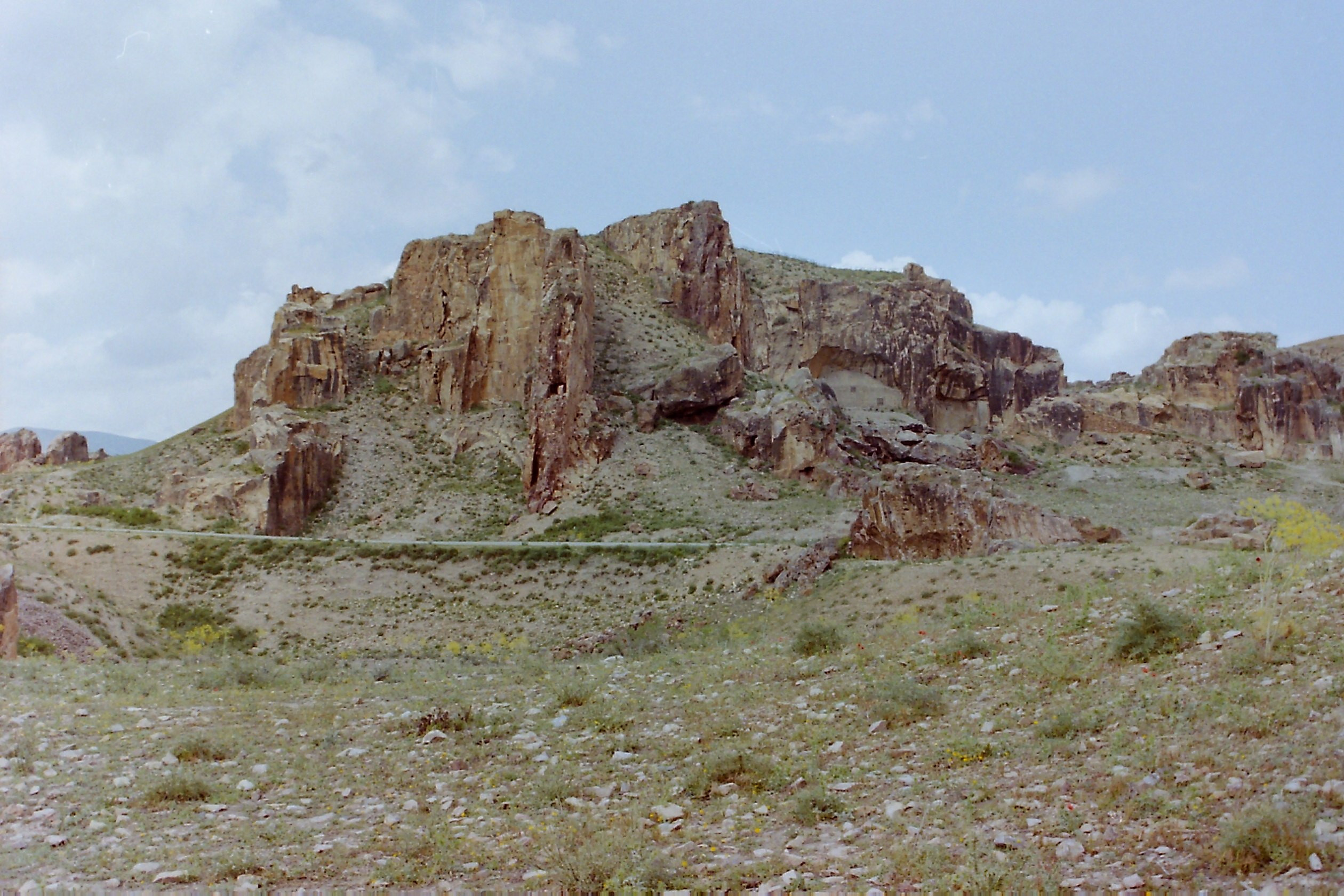
Chemtou
Ancient Roman-Berber town with quarries.
Henchir-Ed-Douamès
Roman-era city ruins in northern Tunisia
Henchir-Khachoum
Roman town with early Christian bishopric
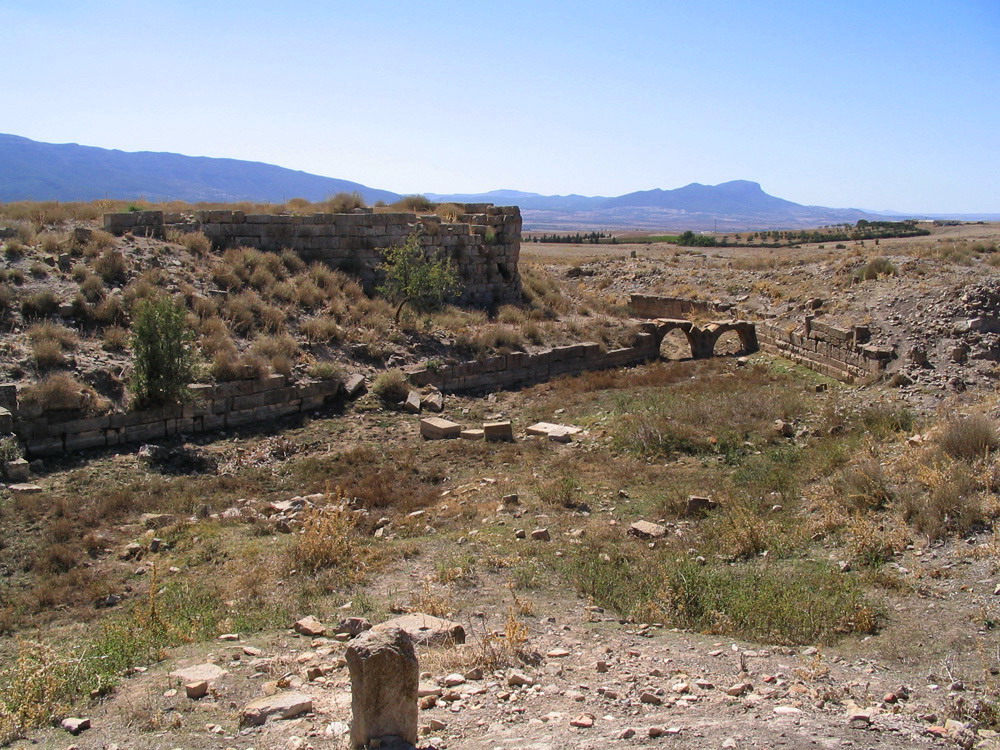
Henchir-Bez
Roman-era ruins with basilica and fort
Bir-Abdallah
Roman town with ancient Christian bishopric.
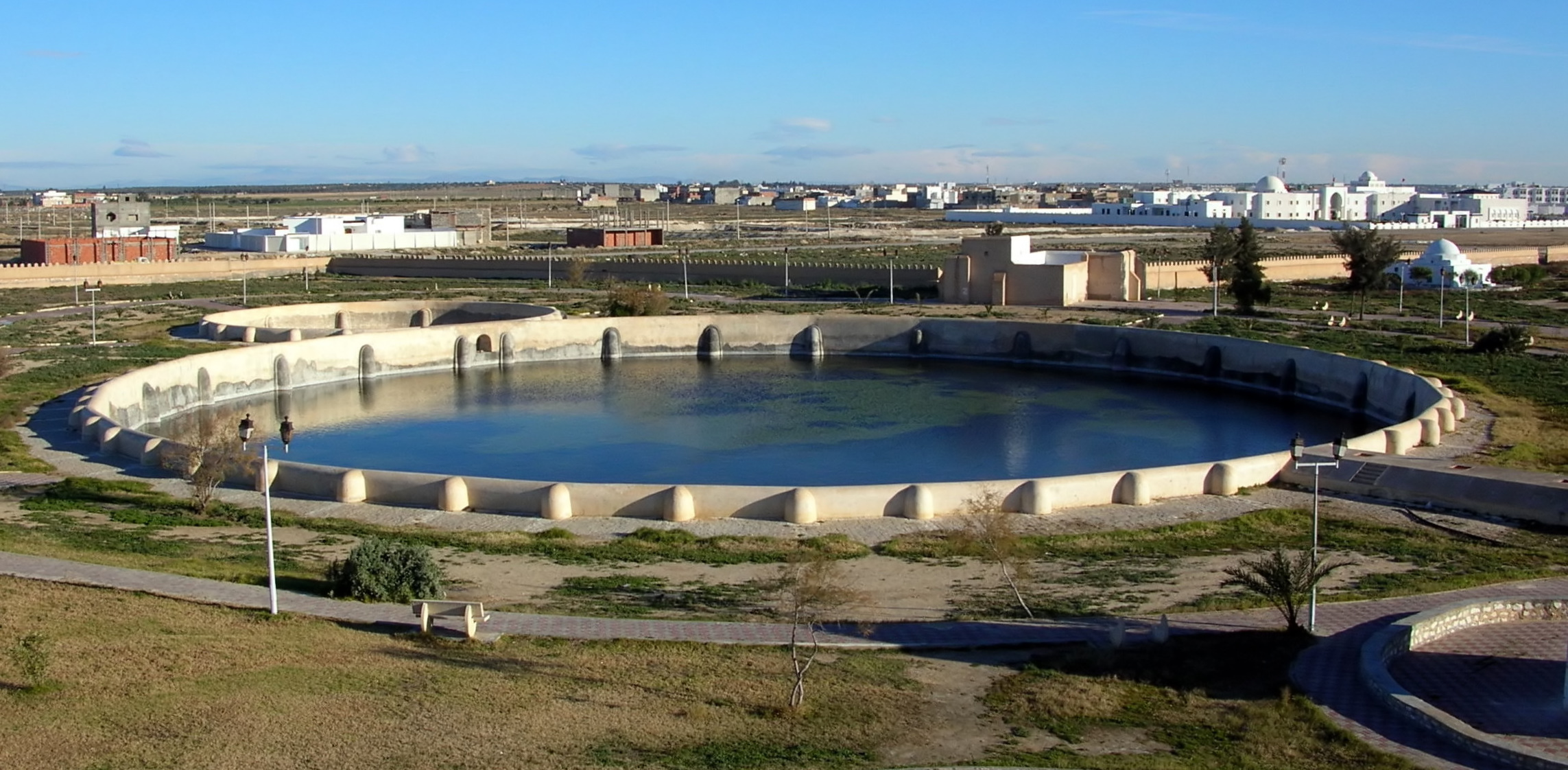
Kairouan
Ancient Islamic city with mosques and basins.