
Explore the Map
Kairouan
35.6772° N, 10.1008° E
About
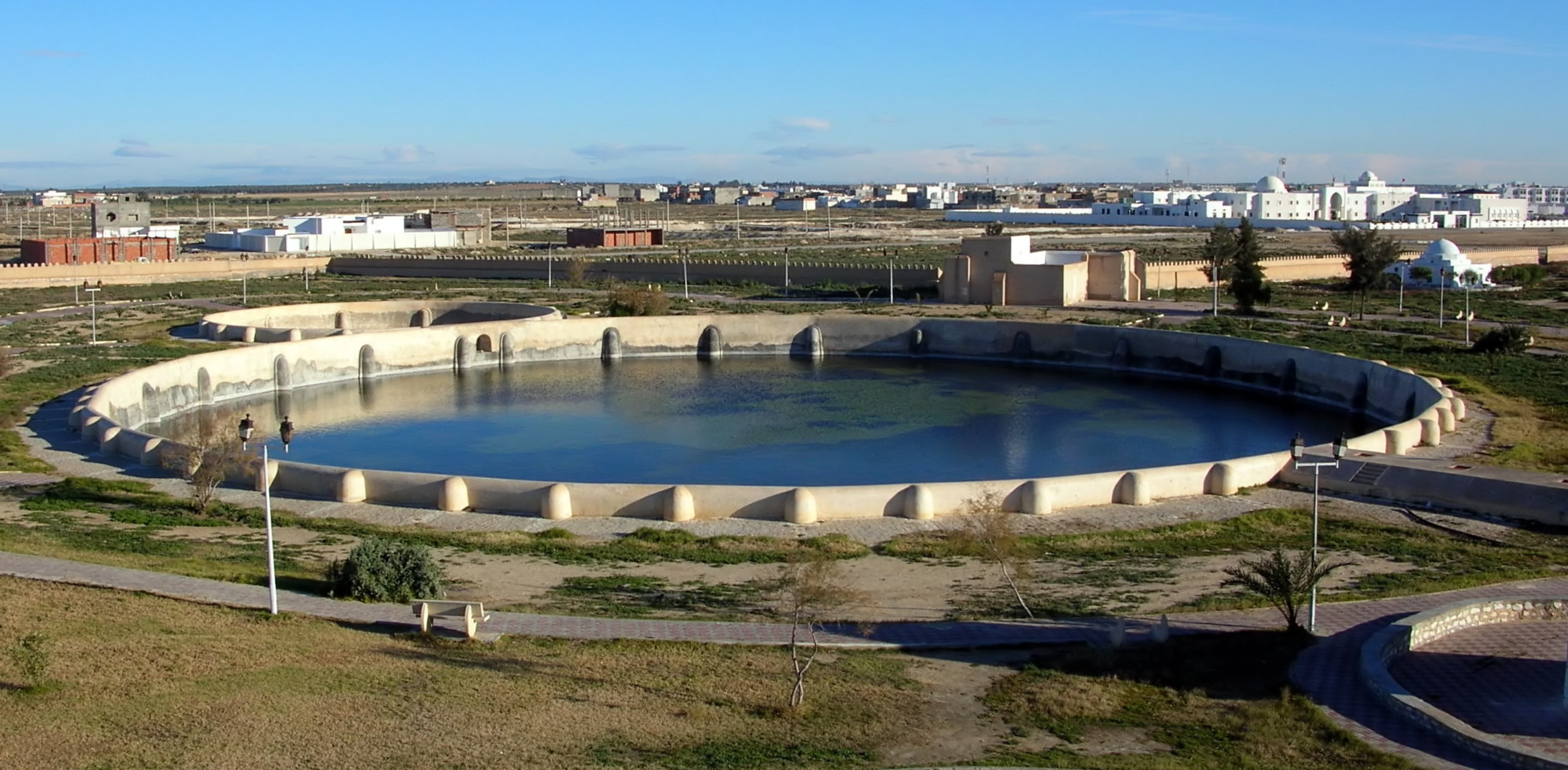
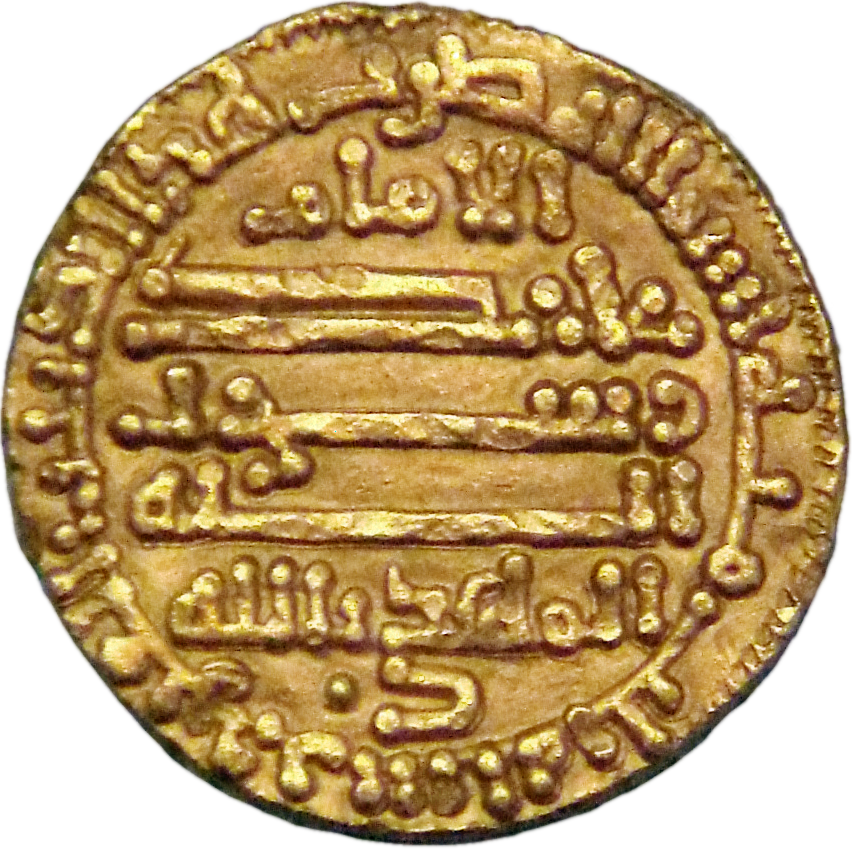
Kairouan is a historically significant city in Tunisia, established around 670 CE by the Arab general Uqba ibn Nafi. It rapidly became a center of Islamic learning and culture, particularly under the Aghlabid dynasty from 800 to 909 CE, which saw the construction of numerous mosques, including the Great Mosque of Kairouan, and significant water management structures like the Aghlabid basins. Despite suffering destruction at the hands of the Banu Hilal in the 11th century, which led to a decline in its prominence, Kairouan remains a crucial archaeological site. It showcases a blend of religious, educational, and civic structures indicative of its vibrant past, now recognized as a UNESCO World Heritage Site.
Gallery
Explore photographs of ancient structures, artifacts, and archaeological excavations
Historical Timeline
Journey through time and discover key events in this site's history
Foundation of Kairouan
670 CE
Great Berber Revolt
741 CE
Aghlabid Dynasty
800 CE
Fatimid Dynasty Establishment
909 CE
Zirid Independence
1045 CE
Banu Hilal Invasion
1057 CE
French Conquest
1881 CE
UNESCO World Heritage
1988 CE
Archaeological Features
Unique architectural and cultural elements found at this historical site
Defensive Structures
Water Management Features
Public and Civic Structures
Religious and Ritual Structures
Domestic and Habitation Structures
Plan Your Visit
Tours, travel arrangements, and practical information
More Sites in Tunisia
Bir-Abdallah
Roman town with ancient Christian bishopric.
Henchir-Ed-Douamès
Roman-era city ruins in northern Tunisia
Henchir-Tebel
Roman settlement with religious significance
Henchir-Khachoum
Roman town with early Christian bishopric
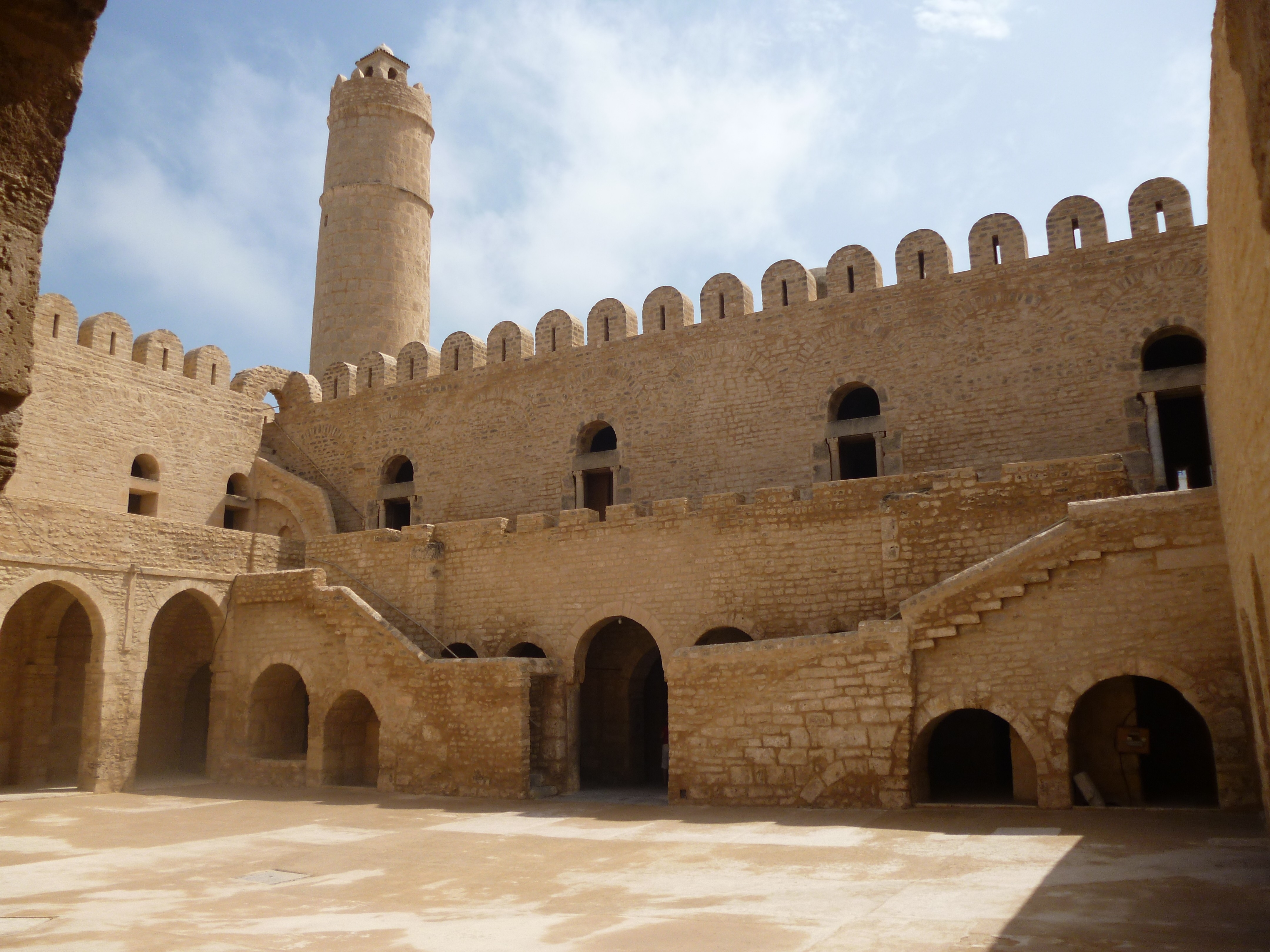
Medina of Sousse
Islamic architectural site with Punic steles
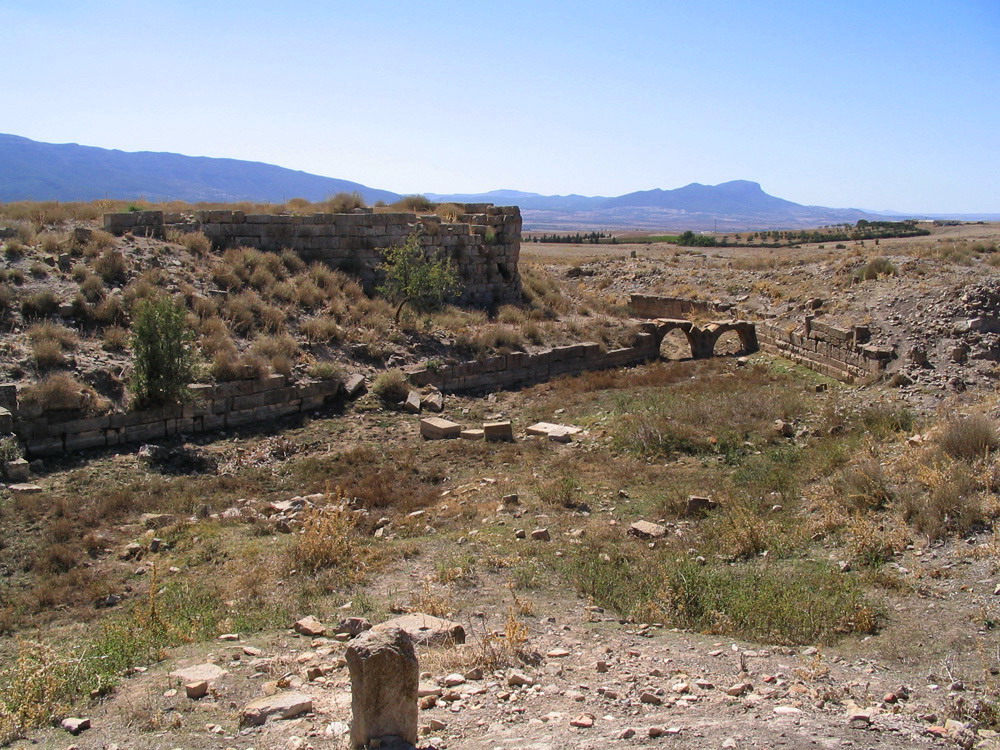
Henchir-Bez
Roman-era ruins with basilica and fort