
Time Periods
Paleolithic
Mesolithic
Neolithic
Chalcolithic
Bronze Age
Iron Age
Classical Period
Post-Classical Period
Early Modern Period
Industrial Period
Contemporary Period
Time Periods
Paleolithic
Mesolithic
Neolithic
Chalcolithic
Bronze Age
Iron Age
Classical Period
Post-Classical Period
Early Modern Period
Industrial Period
Contemporary Period
Location
About
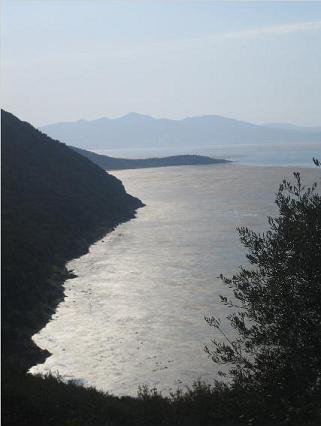
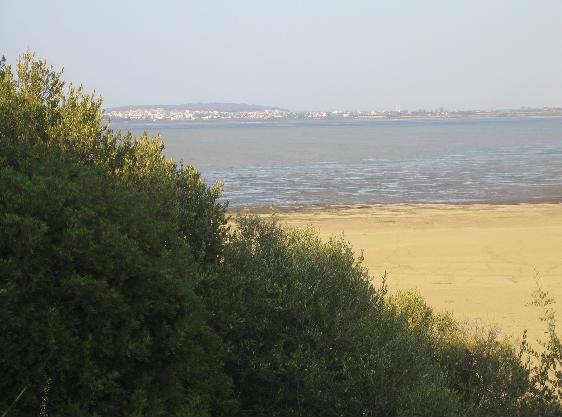
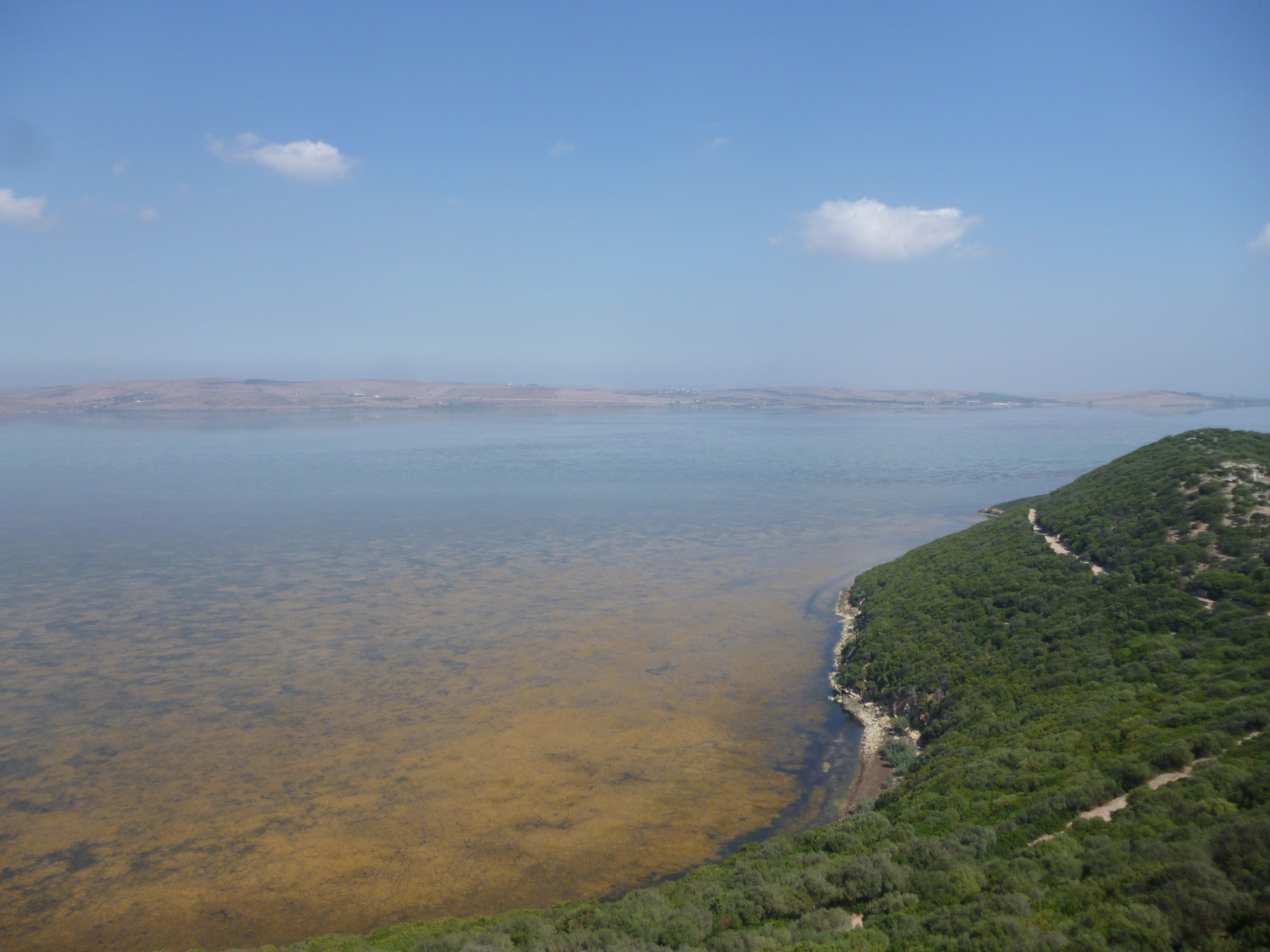
Lake Ichkeul, located in northern Tunisia, is an essential ecological site recognized for its wetland and lake ecosystem. It has been a significant habitat for migratory birds such as ducks, geese, storks, and flamingoes. Over the centuries, notable events have shaped the area; it served as a reserve during the Hafsid dynasty in the 13th century and became public domain under French colonial rule in the early 20th century. Since 1980, it has been acknowledged as a UNESCO World Heritage Site, though it faced ecological challenges due to dam constructions that altered its freshwater inflow, leading to increased salinity levels. Conservation efforts have been made to mitigate these issues, evidenced by its removal from the UNESCO Danger list in 2006.
Gallery
Explore photographs of ancient structures, artifacts, and archaeological excavations at Lake Ichkeul
Archaeological Features
Explore the unique architectural and cultural elements found at this historical site
Water Management Features
Historical Timeline
Journey through time and discover key events in this site's archaeological history
Plan Your Visit
Details
- Country
- Tunisia
- Source
- Wikipedia
More Sites in Tunisia
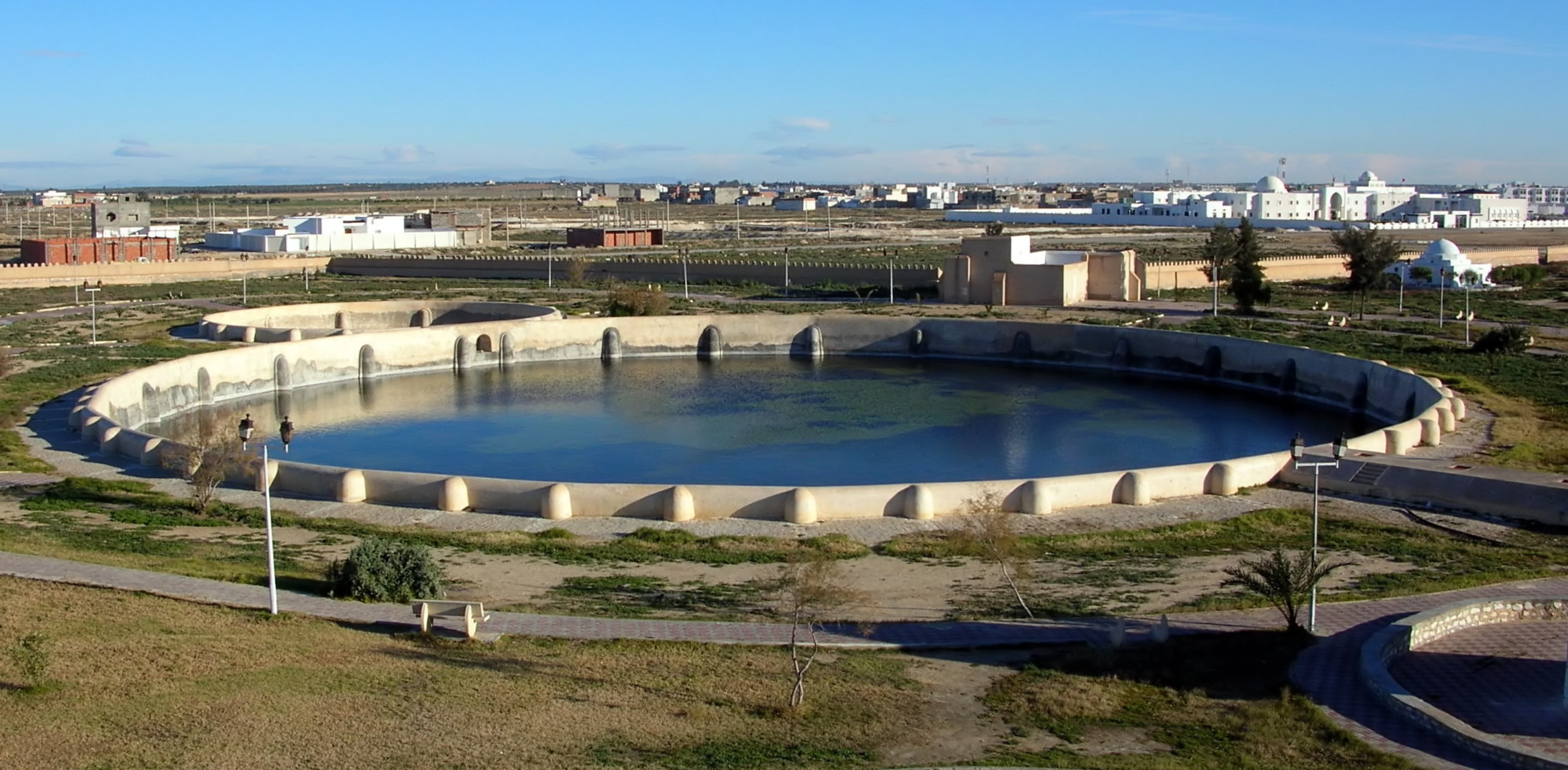
Kairouan
Ancient Islamic city with mosques and basins.
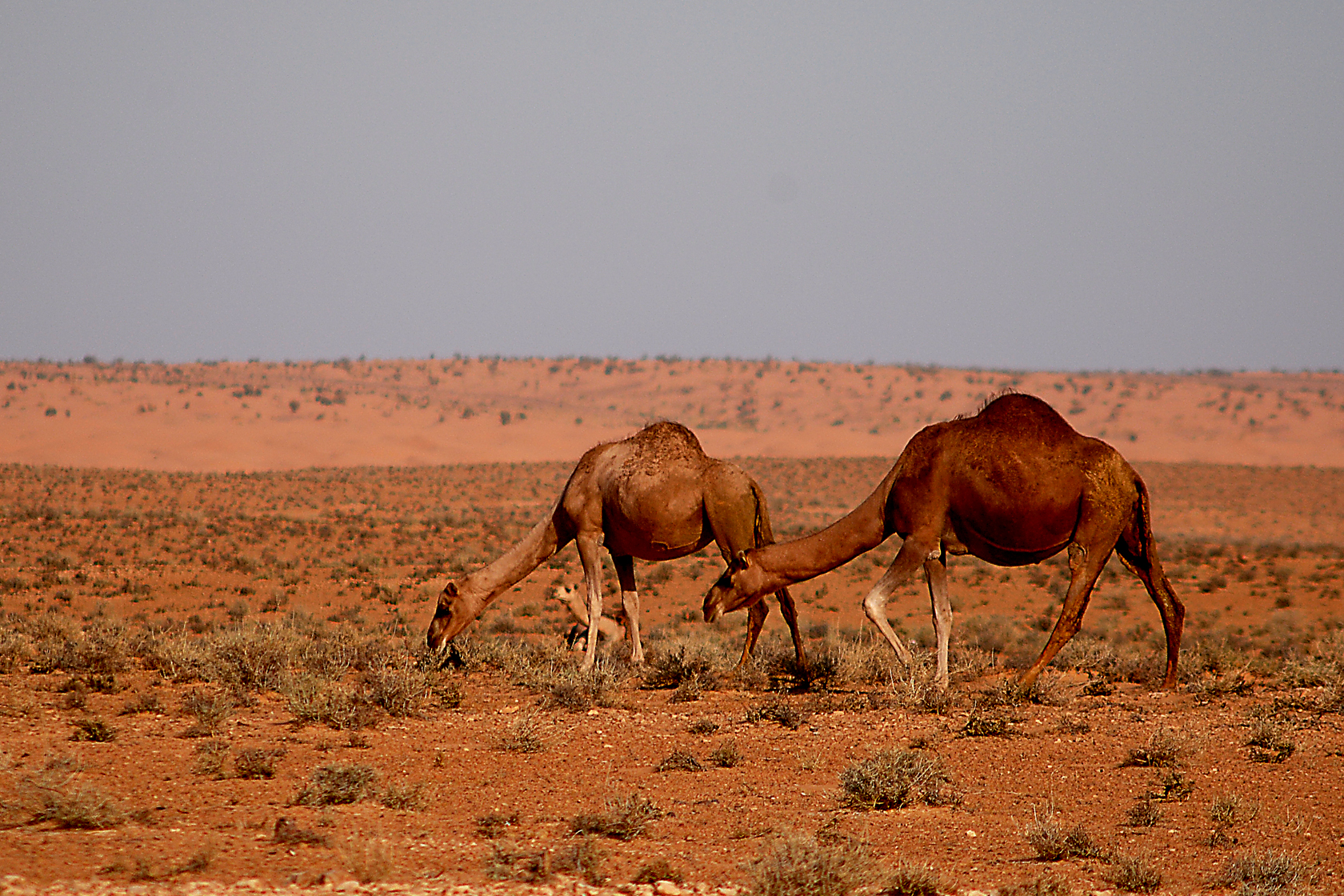
Jebil National Park
Desert park with prehistoric artifacts.
Sidi El Hani
Roman town with amphitheater remains.
Mahjouba, Morocco
Ancient Christian bishopric in Mahjouba town
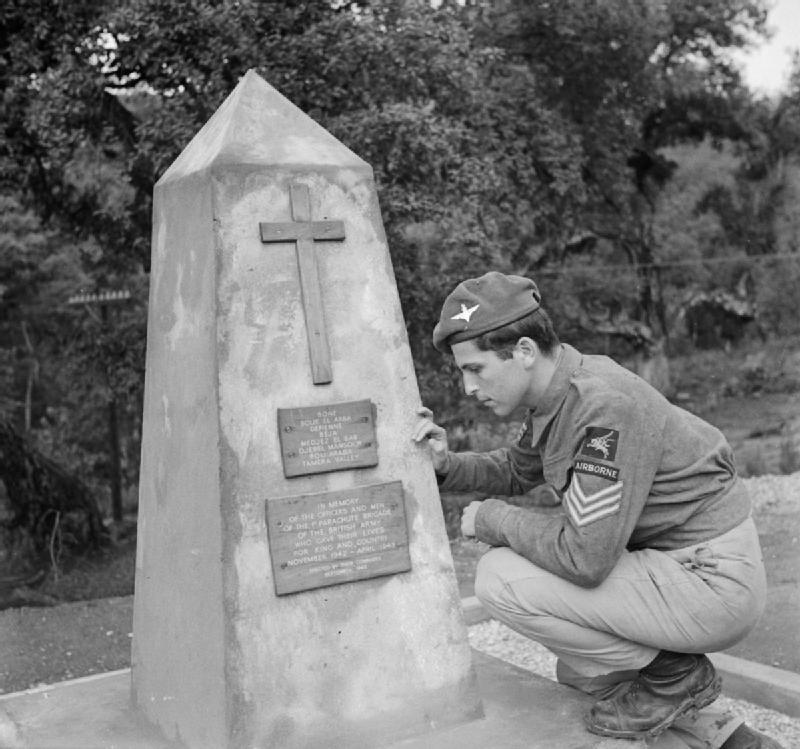
Tamera, Tunisia
Roman ruins in northern Tunisia valley
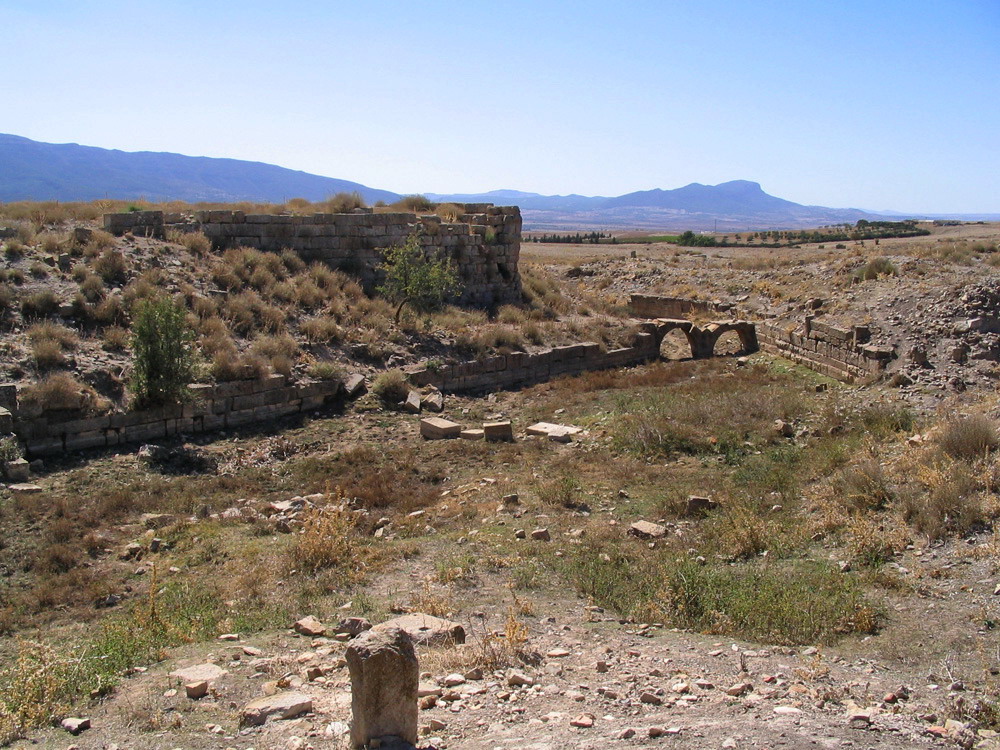
Henchir-Bez
Roman-era ruins with basilica and fort