Time Periods
Paleolithic
Mesolithic
Neolithic
Chalcolithic
Bronze Age
Iron Age
Classical Period
Post-Classical Period
Early Modern Period
Industrial Period
Contemporary Period
Time Periods
Paleolithic
Mesolithic
Neolithic
Chalcolithic
Bronze Age
Iron Age
Classical Period
Post-Classical Period
Early Modern Period
Industrial Period
Contemporary Period
Location
About
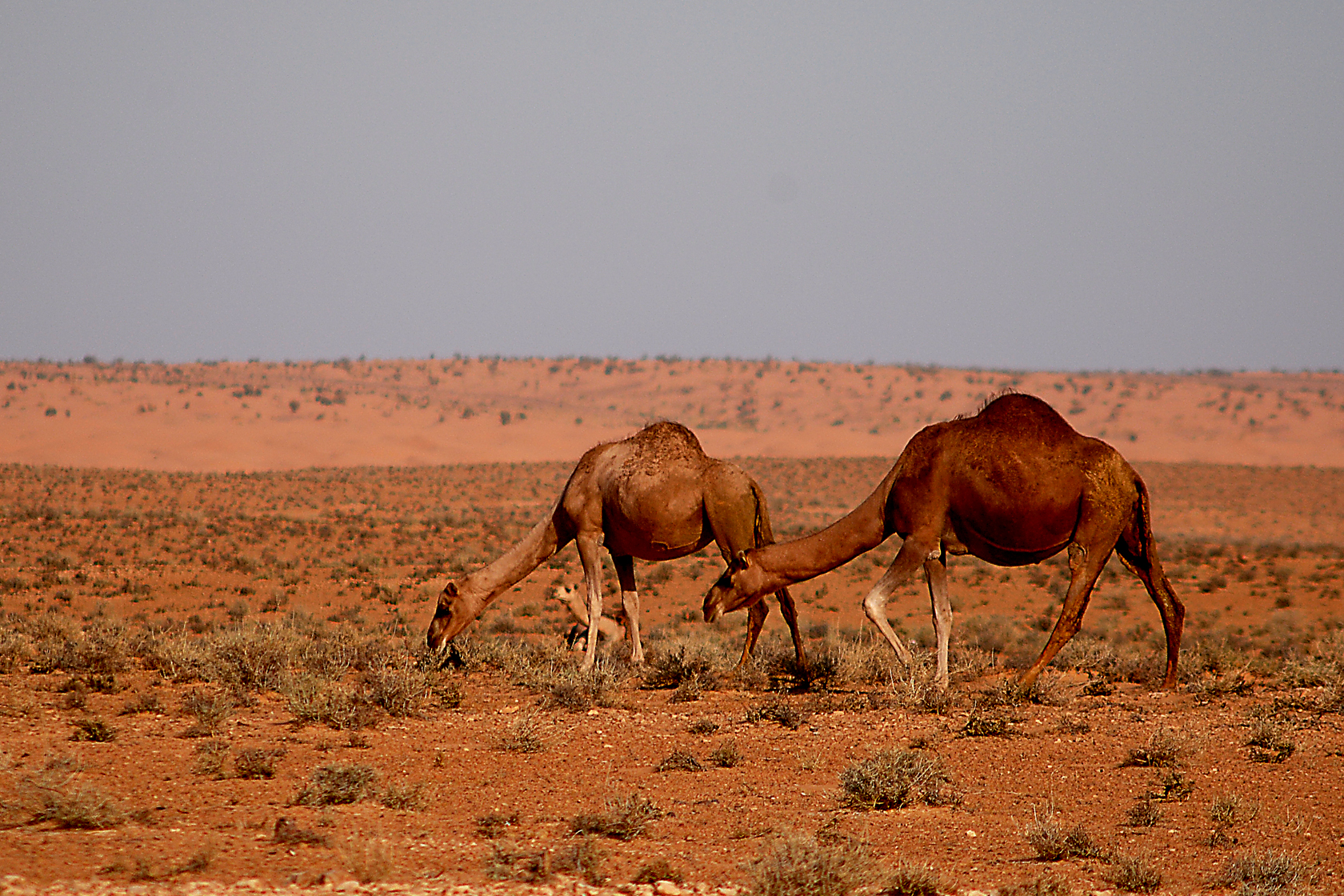
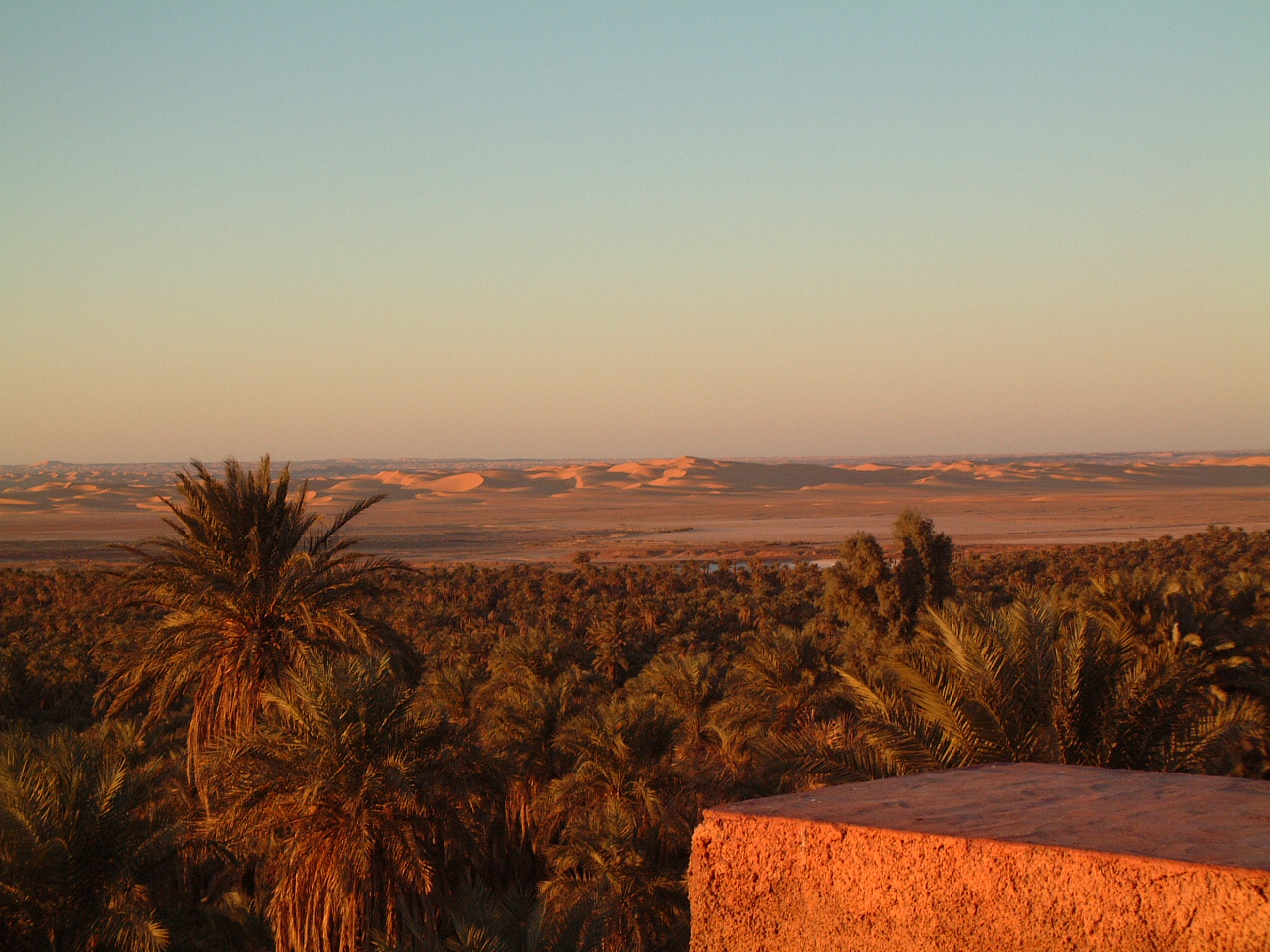
Jebil National Park, located in the Sahara desert of Tunisia, spans 150,000 hectares and is a significant archaeological site due to its prehistoric artifacts. These artifacts provide insight into human history from the Holocene up to the Industrial Period. The park's unique ecosystem, with desert shrubs, flowering grasses, and various wildlife, supports ongoing research and conservation efforts. Additionally, the presence of 'gigantic boulders' formed from weathered plutonic rocks adds to the park's geological significance. As the only national park within Tunisia's Sahara desert proper until the declaration of Senghar-Jebbes, Jebil plays a crucial role in the protection and study of the region's natural and historical heritage.
Gallery
Explore photographs of ancient structures, artifacts, and archaeological excavations at Jebil National Park
Archaeological Features
Explore the unique architectural and cultural elements found at this historical site
Environmental and Natural Features
Historical Timeline
Journey through time and discover key events in this site's archaeological history
Plan Your Visit
Details
- Country
- Tunisia
- Source
- Wikipedia
More Sites in Tunisia
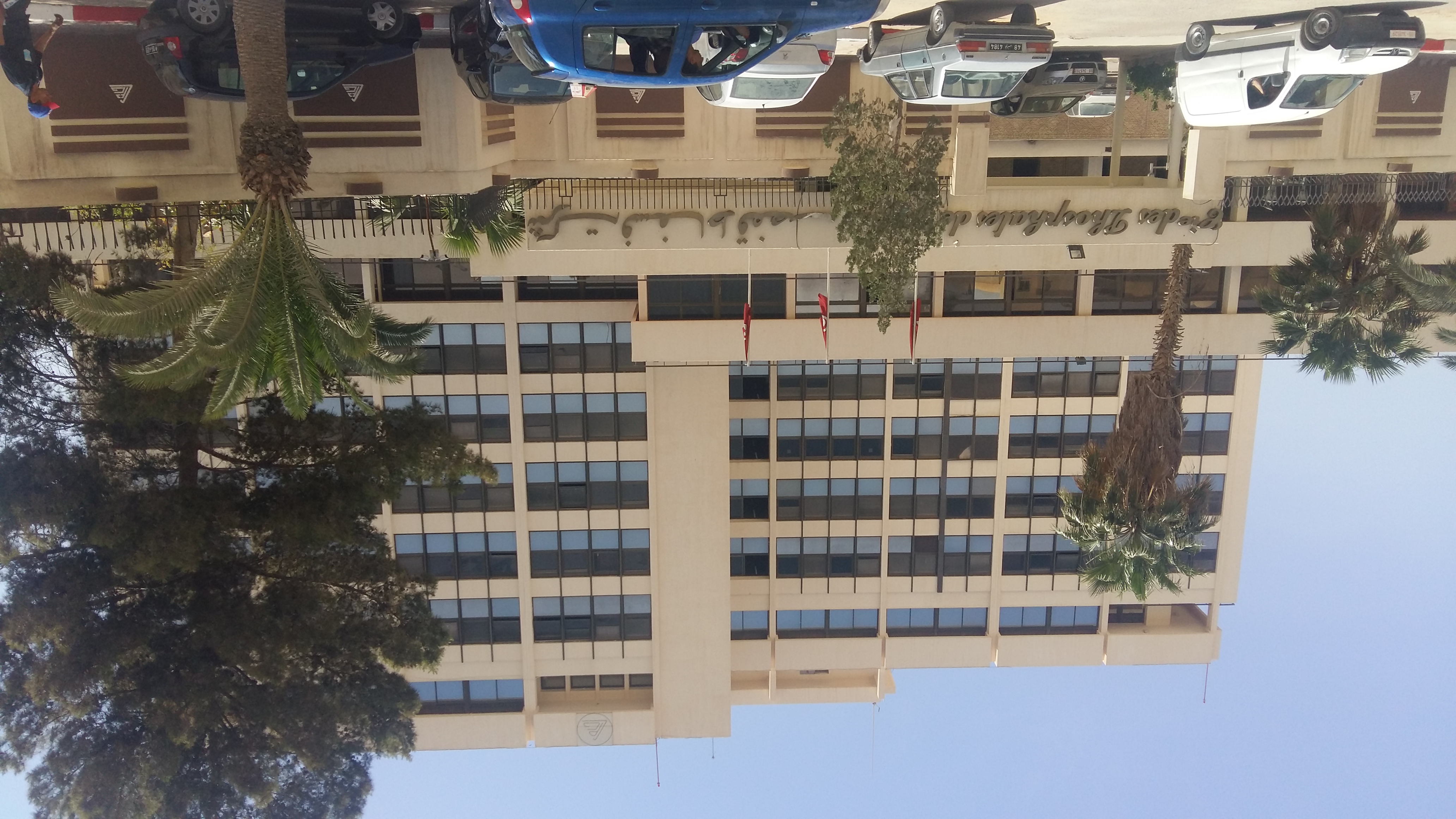
Gafsa
Ancient city with Roman and Byzantine ruins.
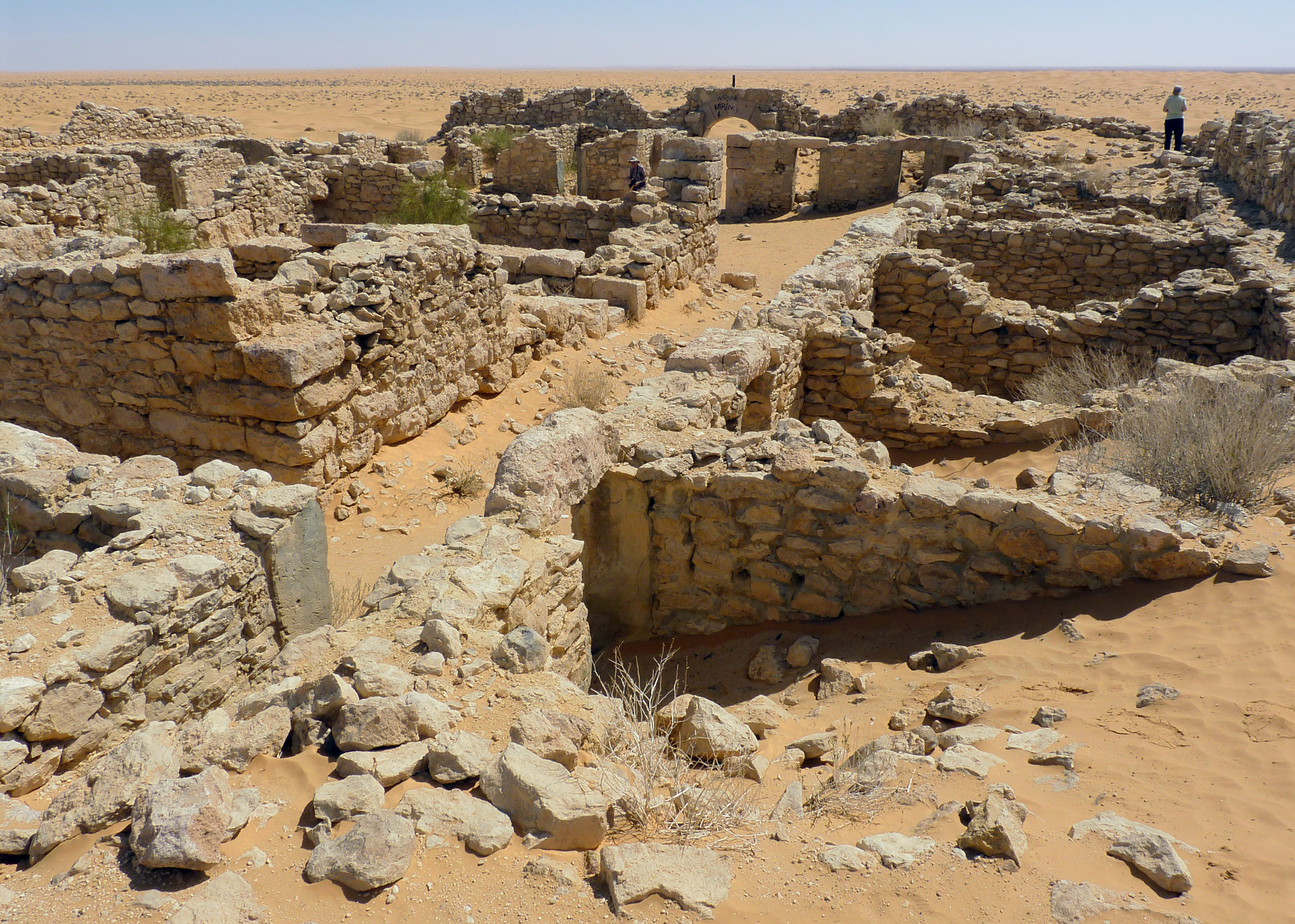
Ksar Ghilane
Ruins of Roman fortress in Tunisian oasis
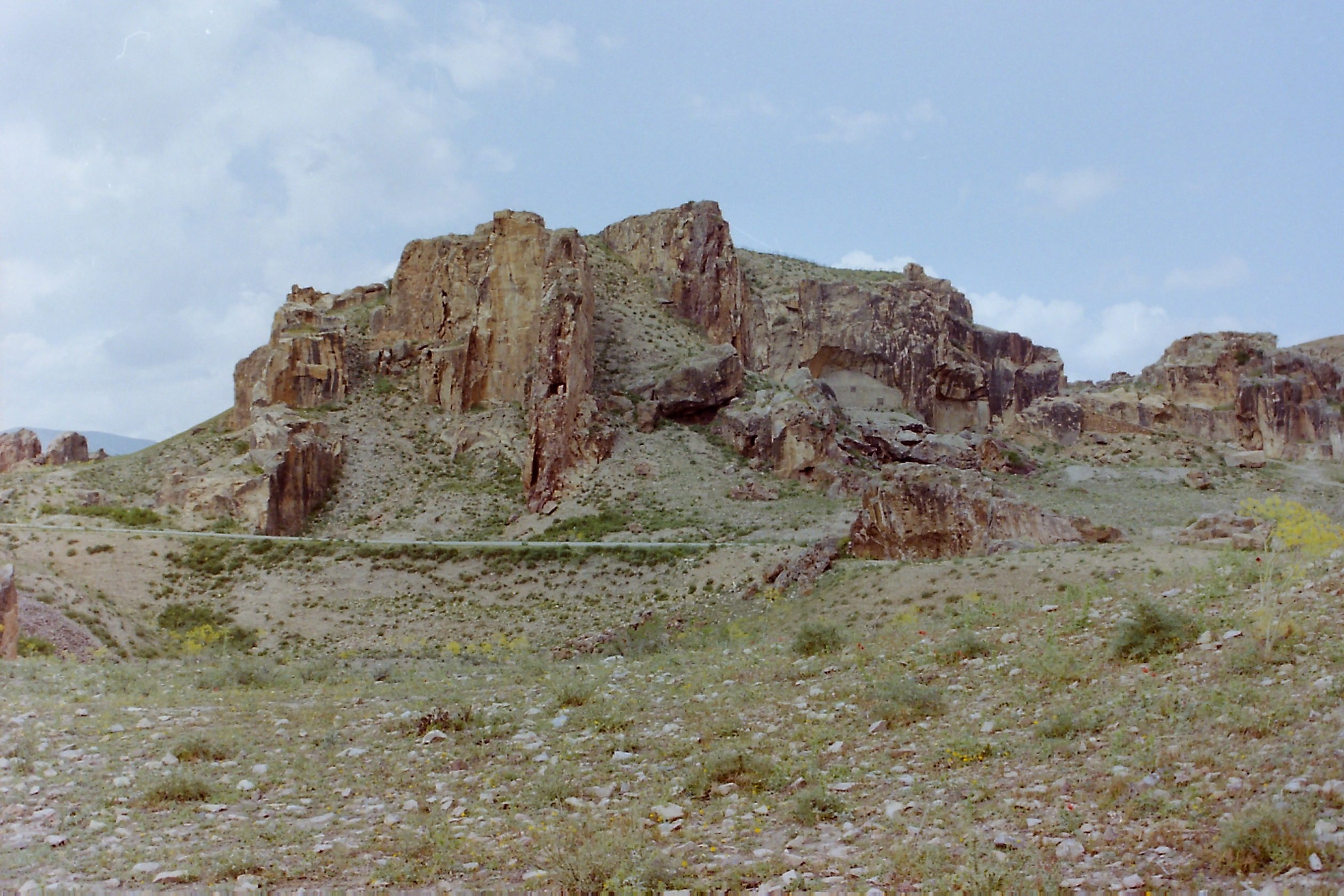
Chemtou
Ancient Roman-Berber town with quarries.
Henchir-Khachoum
Roman town with early Christian bishopric
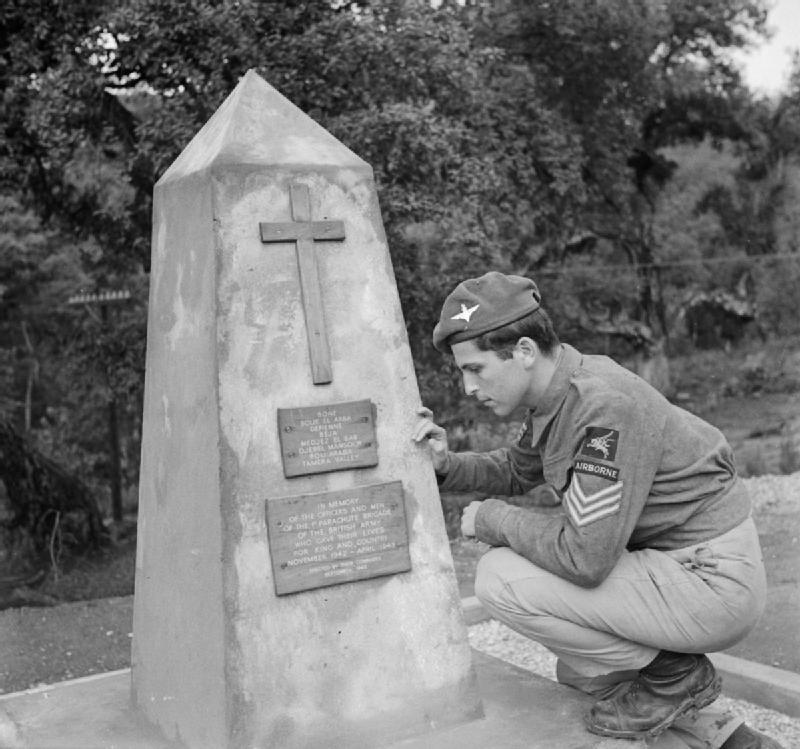
Tamera, Tunisia
Roman ruins in northern Tunisia valley
Mahjouba, Morocco
Ancient Christian bishopric in Mahjouba town