
Time Periods
Paleolithic
Mesolithic
Neolithic
Chalcolithic
Bronze Age
Iron Age
Classical Period
Post-Classical Period
Early Modern Period
Industrial Period
Contemporary Period
Time Periods
Paleolithic
Mesolithic
Neolithic
Chalcolithic
Bronze Age
Iron Age
Classical Period
Post-Classical Period
Early Modern Period
Industrial Period
Contemporary Period
Location
About
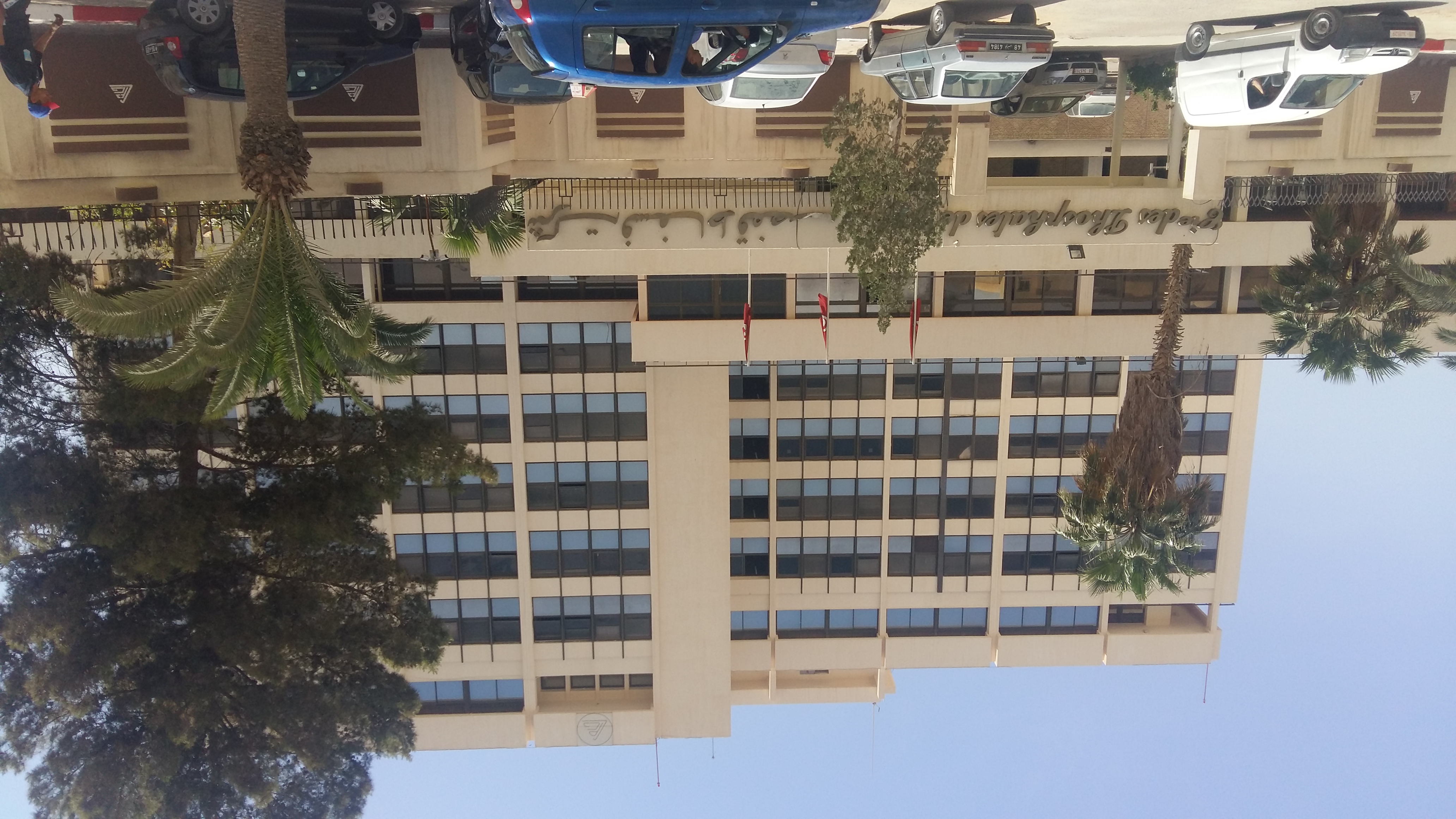
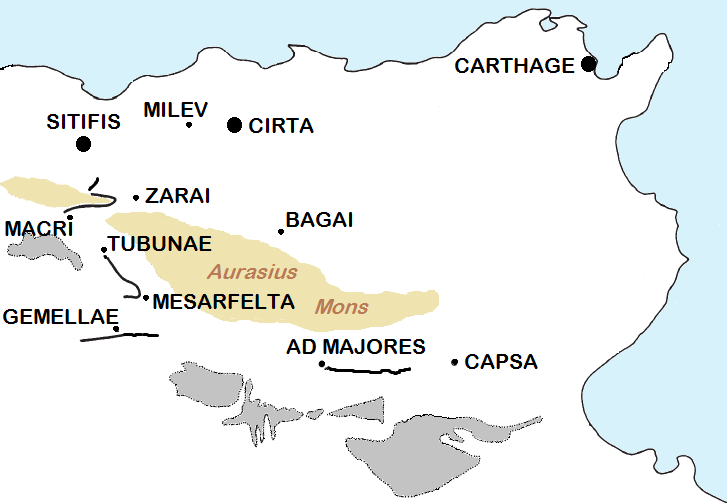
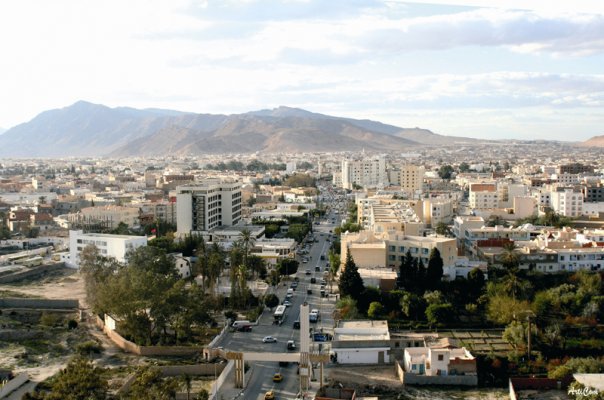
Gafsa, formerly known as Capsa, serves as an archaeological gem with a history spanning from prehistoric Mesolithic times to the Byzantine era. The site is renowned for its association with the Capsian culture, dating back to 10,000 to 6,000 BCE, characterized by significant middens of snail shells. In the classical period, it was a thriving Roman city captured by Gaius Marius in 106 BCE and later integrated into the Byzantine Empire under Justinian I, who fortified it with new city walls. The Arab conquest in 688 CE marked a decline in its importance. The city retains archaeological features such as Roman cisterns and Byzantine walls, reflecting its historical significance as a Roman colonia, a Byzantine capital, and a site of continuous habitation and cultural transformation.
Gallery
Explore photographs of ancient structures, artifacts, and archaeological excavations at Gafsa
Archaeological Features
Explore the unique architectural and cultural elements found at this historical site
Defensive Structures
Water Management Features
Religious and Ritual Structures
Domestic and Habitation Structures
Historical Timeline
Journey through time and discover key events in this site's archaeological history
Plan Your Visit
Details
- Country
- Tunisia
- Source
- Wikipedia
More Sites in Tunisia
Jebil National Park
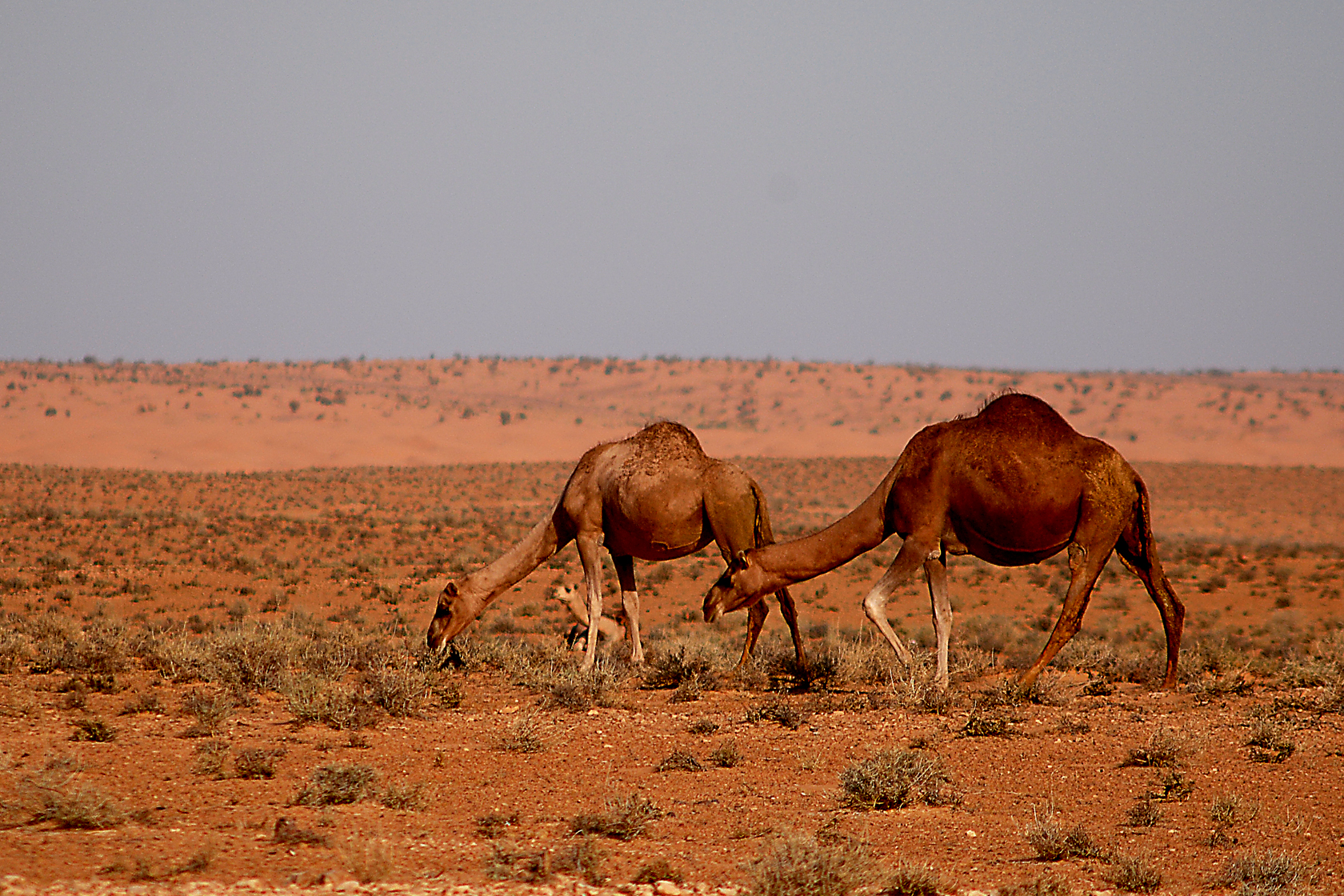
Desert park with prehistoric artifacts.
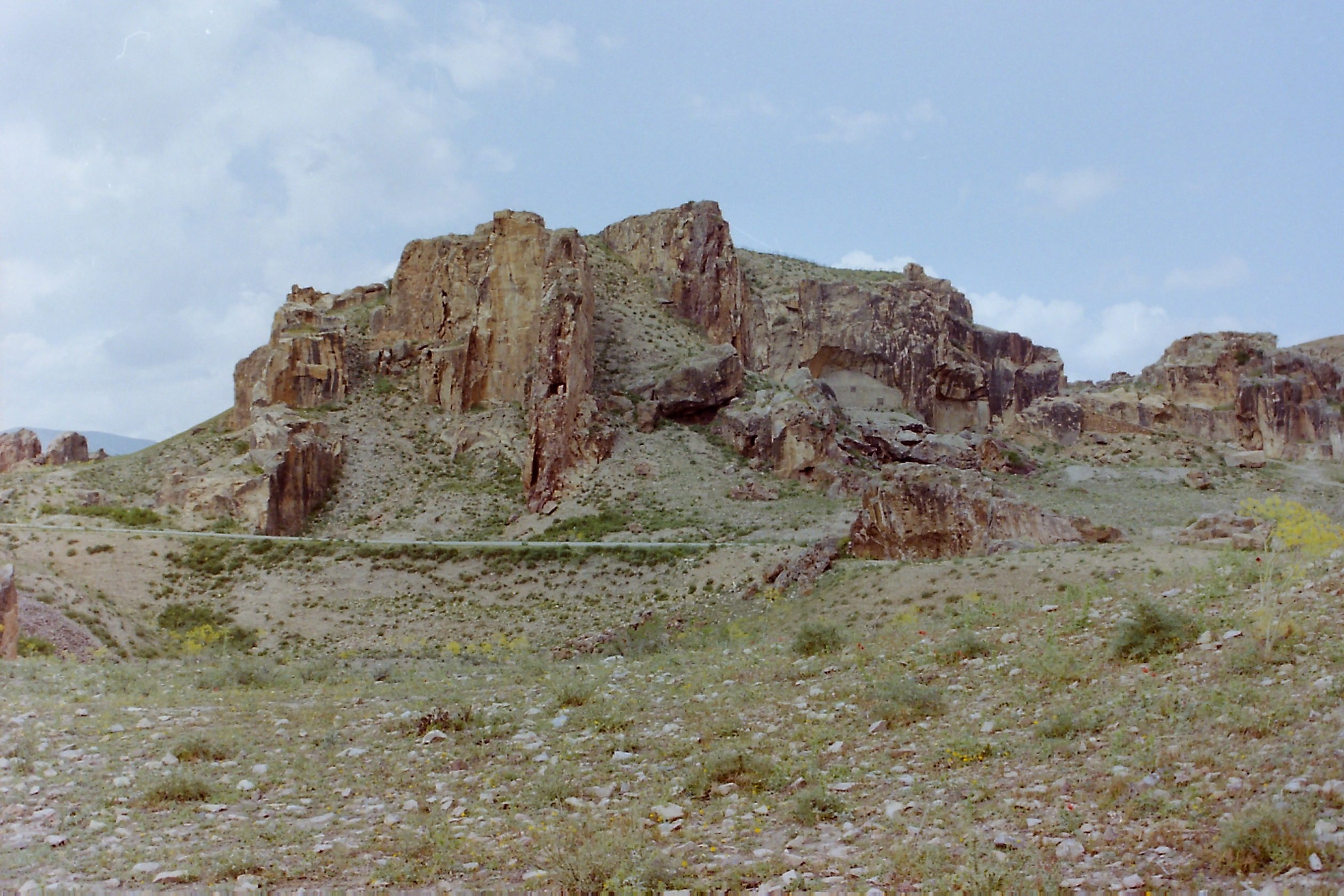
Chemtou
Ancient Roman-Berber town with quarries.
Bir-Abdallah
Roman town with ancient Christian bishopric.
Sidi El Hani
Roman town with amphitheater remains.
Sidi Daoud, Tunisia
Roman town with Christian bishopric remains.
Henchir-Khachoum
Roman town with early Christian bishopric