Explore the Map
Raqqada
35.5962° N, 10.0569° E
About
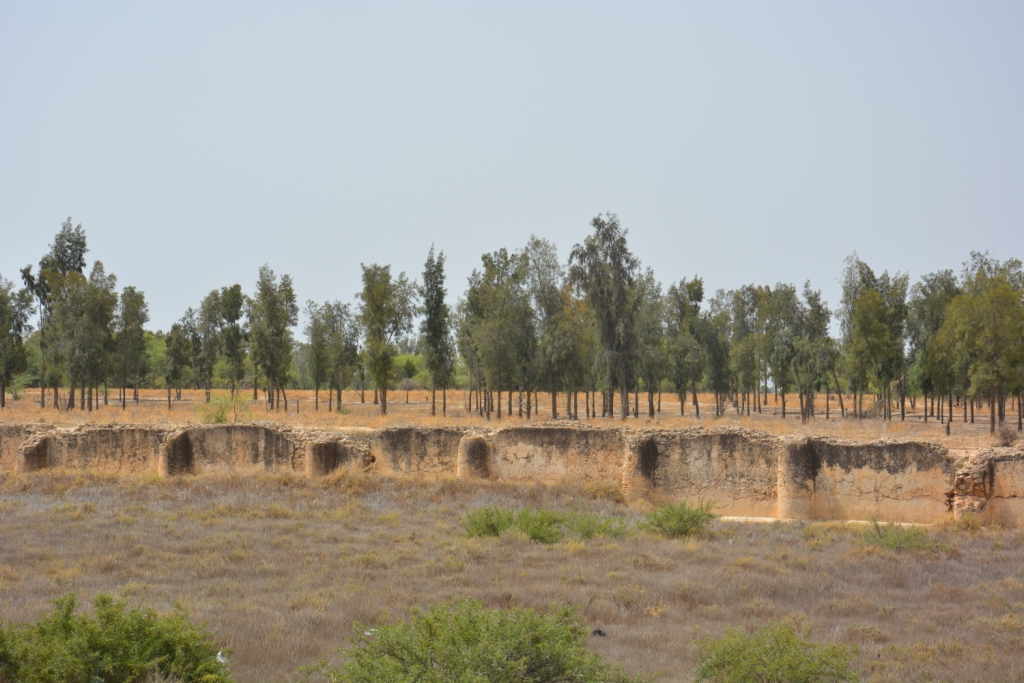
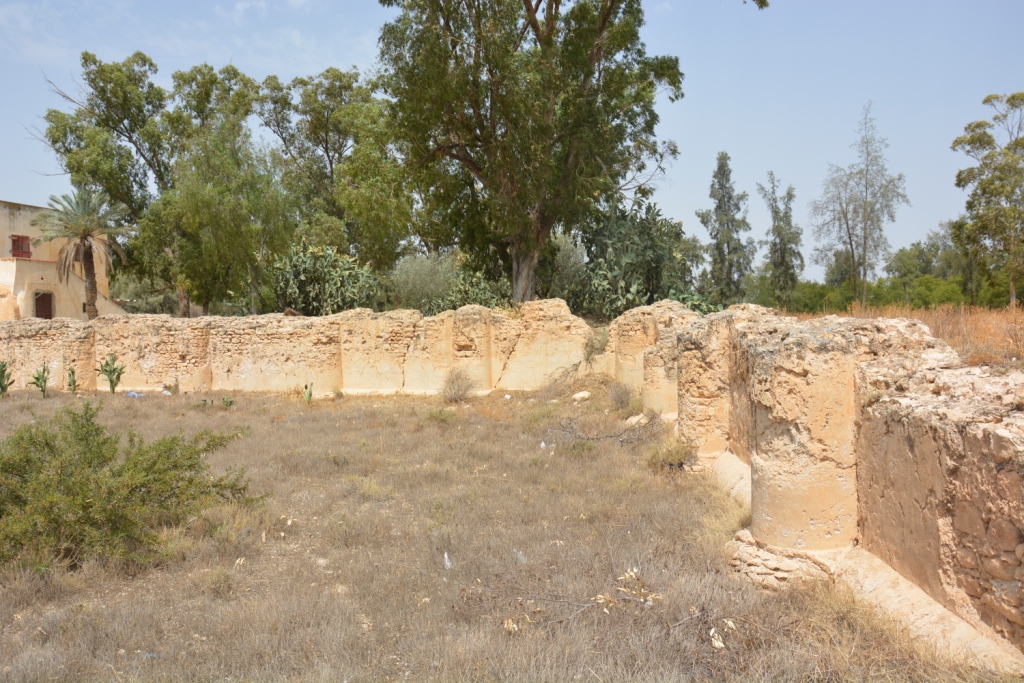
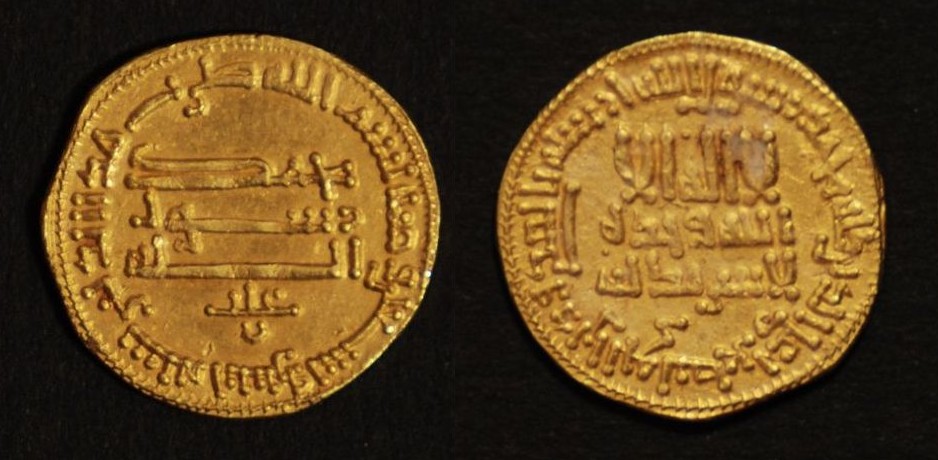
Raqqada, located near Kairouan, Tunisia, is an archaeological site of significant importance dating back to the 9th-century Aghlabid dynasty. Originally established by Ibrahim II as a capital city, Raqqada boasted intricate palatial structures, defensive towers, and a mosque. The city's layout included a central courtyard palace with distinct architectural features such as mudbrick walls and a bent entrance, common in Abbasid architecture. Noteworthy is the water management system, featuring a large reservoir that served both functional and aesthetic purposes. The site also contains fragments of carved stucco decoration, reminiscent of Abbasid Samarra. Raqqada was briefly the seat of Abdullah al-Mahdi Billah of the Fatimid dynasty before Cairo's establishment as the capital. Today, the site holds remnants of its past grandeur, offering insights into medieval Islamic urban planning and architecture.
Gallery
Explore photographs of ancient structures, artifacts, and archaeological excavations
Historical Timeline
Journey through time and discover key events in this site's history
Construction of Raqqada
876 CE
Fatimid Occupation
909 CE
Cairo Becomes Capital
969 CE
Archaeological Features
Unique architectural and cultural elements found at this historical site
Defensive Structures
Water Management Features
Religious and Ritual Structures
Artistic and Decorative Features
Domestic and Habitation Structures
Frequently Asked Questions
Plan Your Visit
Tours, travel arrangements, and practical information
More Sites in Tunisia
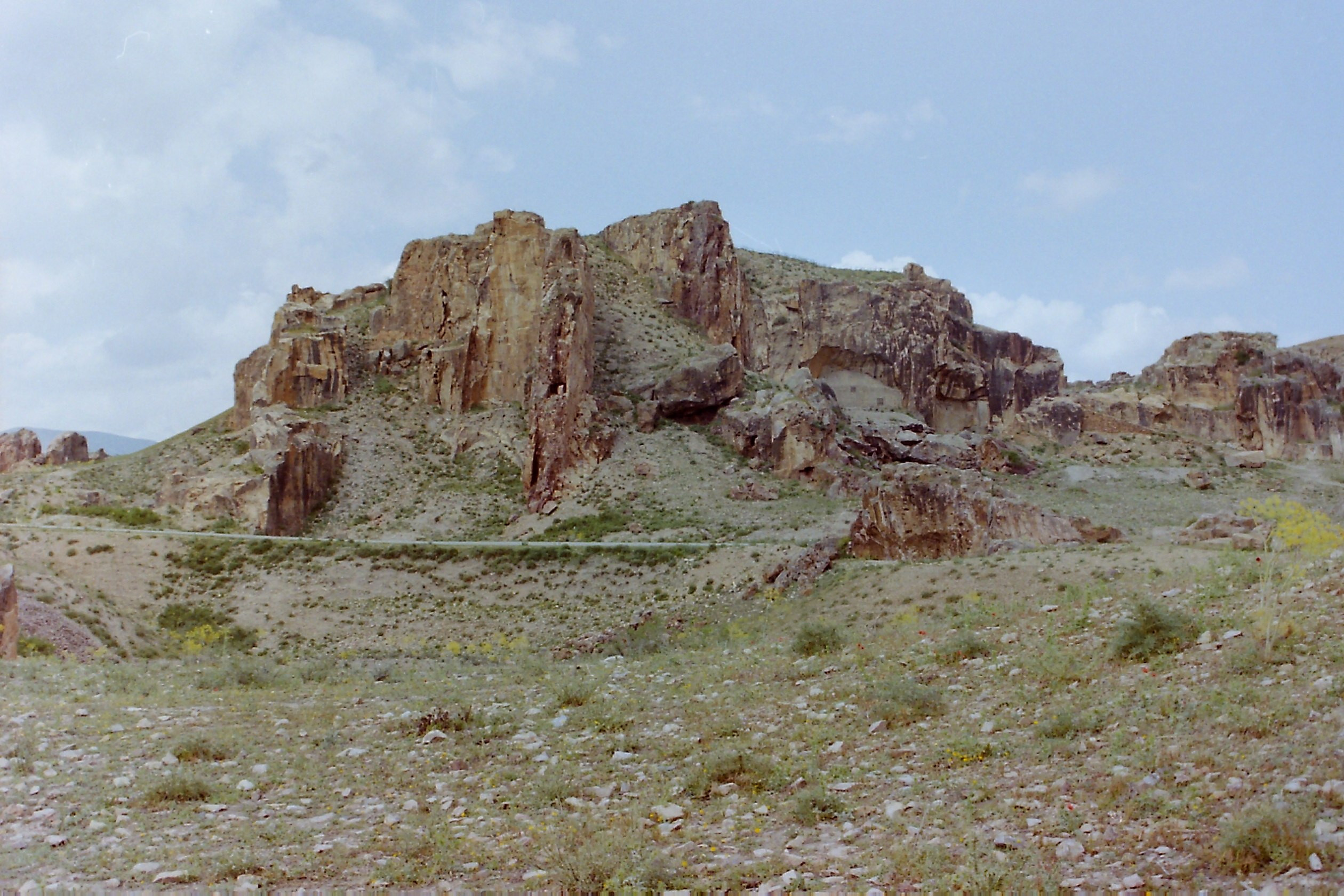
Chemtou
Ancient Roman-Berber town with quarries.
Bir-Abdallah
Roman town with ancient Christian bishopric.
Henchir-Ed-Douamès
Roman-era city ruins in northern Tunisia
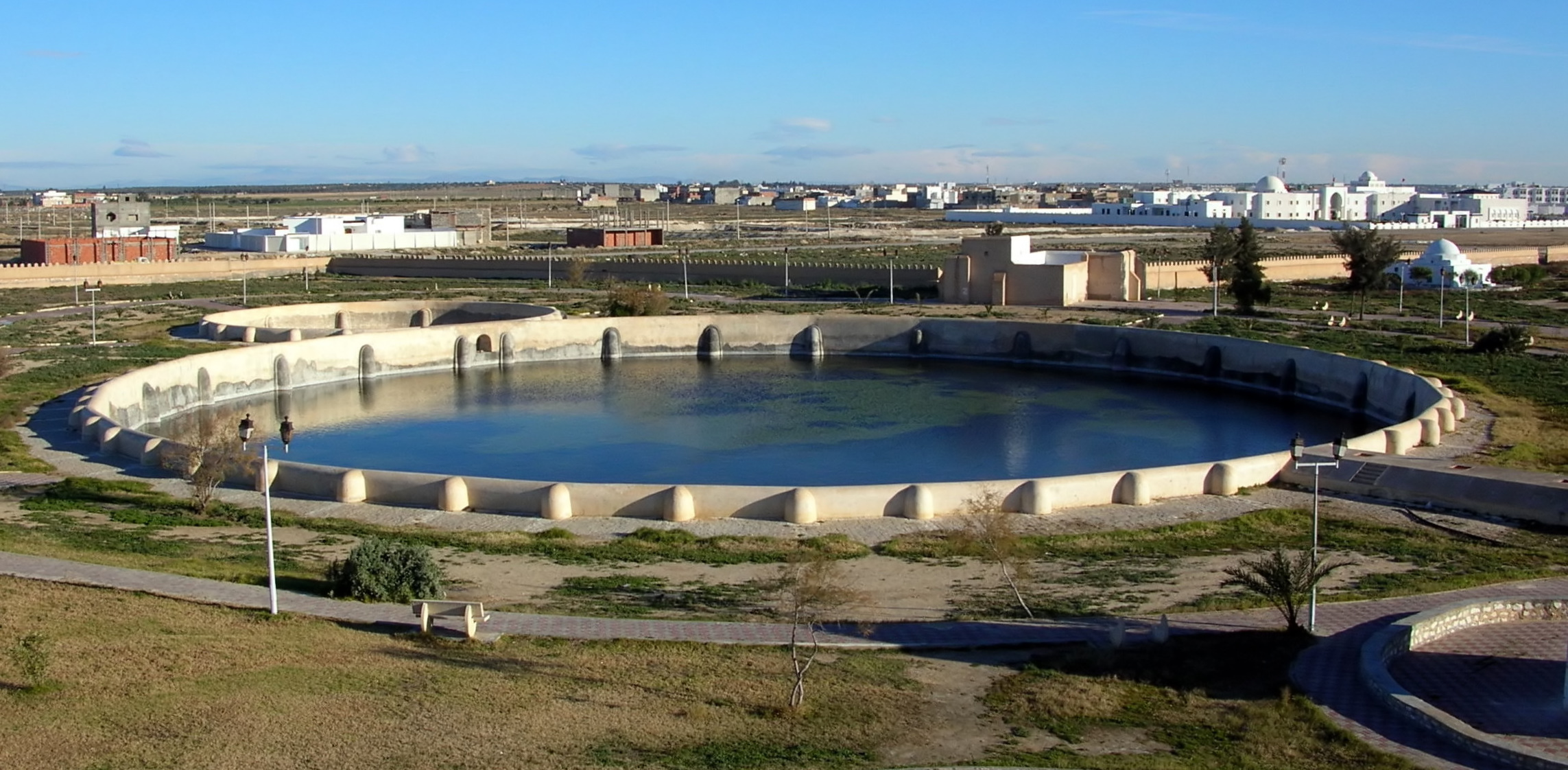
Kairouan
Ancient Islamic city with mosques and basins.
Henchir-Khachoum
Roman town with early Christian bishopric
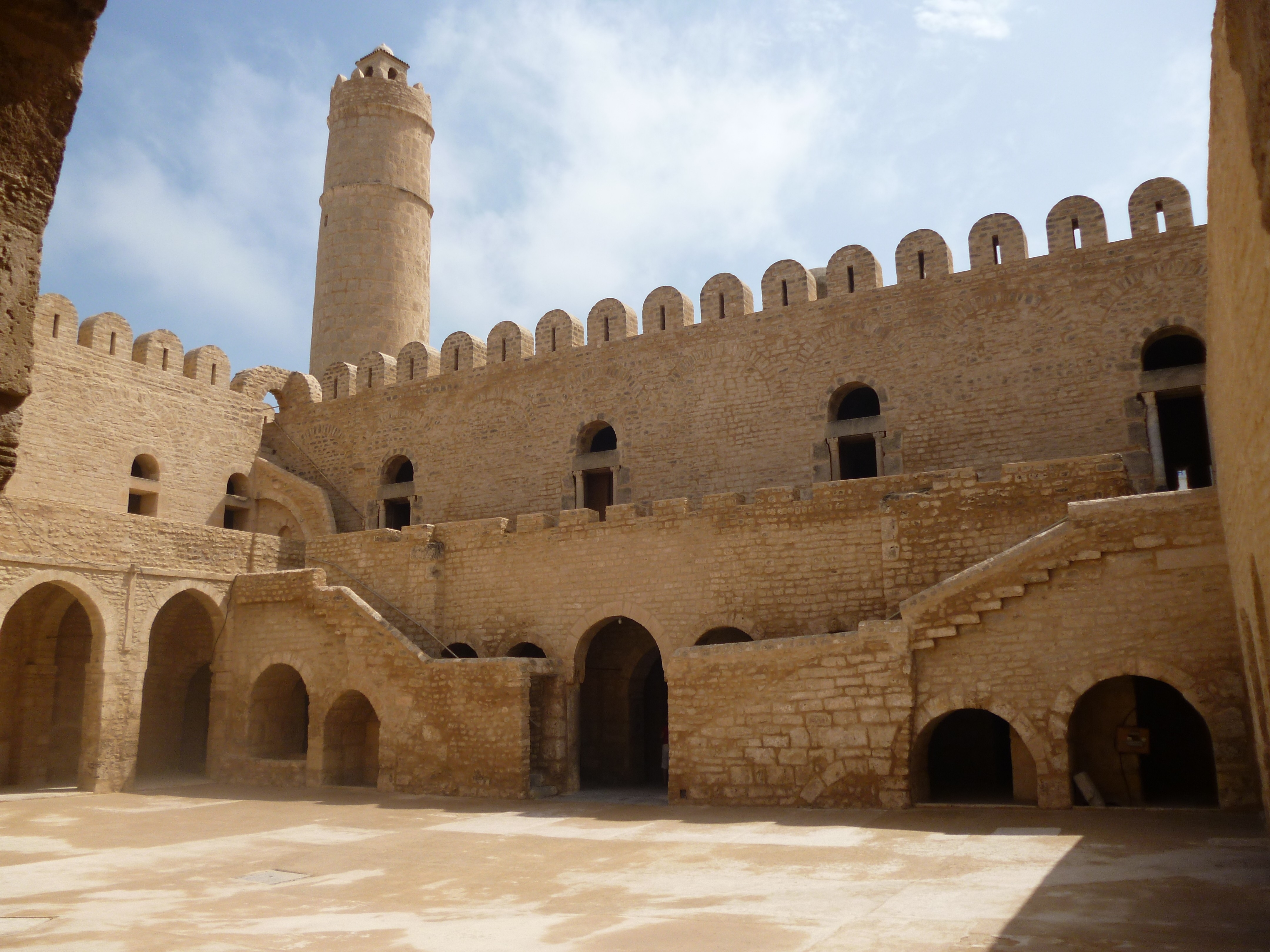
Medina of Sousse
Islamic architectural site with Punic steles