
Explore the Map
Medina of Sousse
35.8278° N, 10.6386° E
About
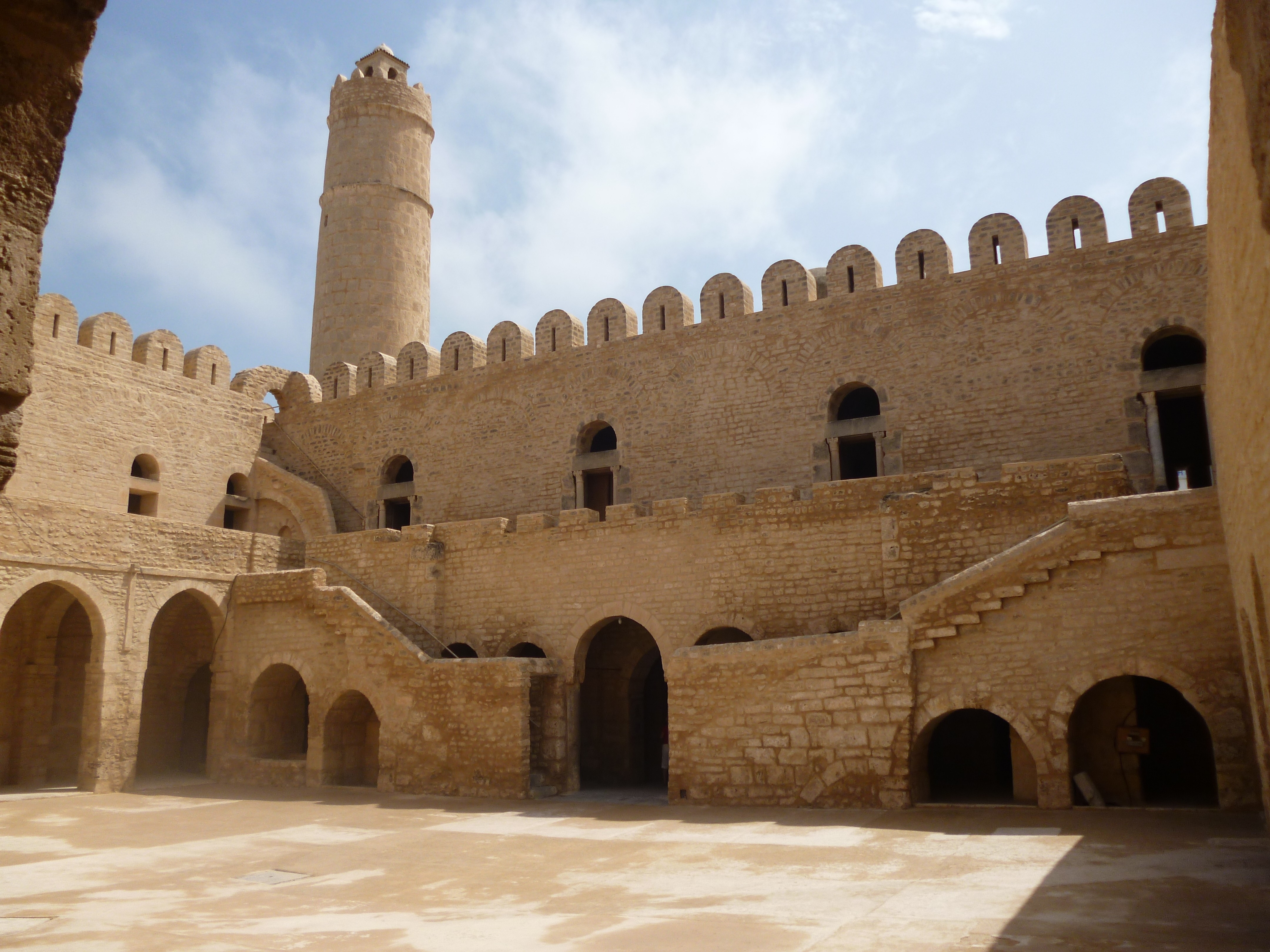
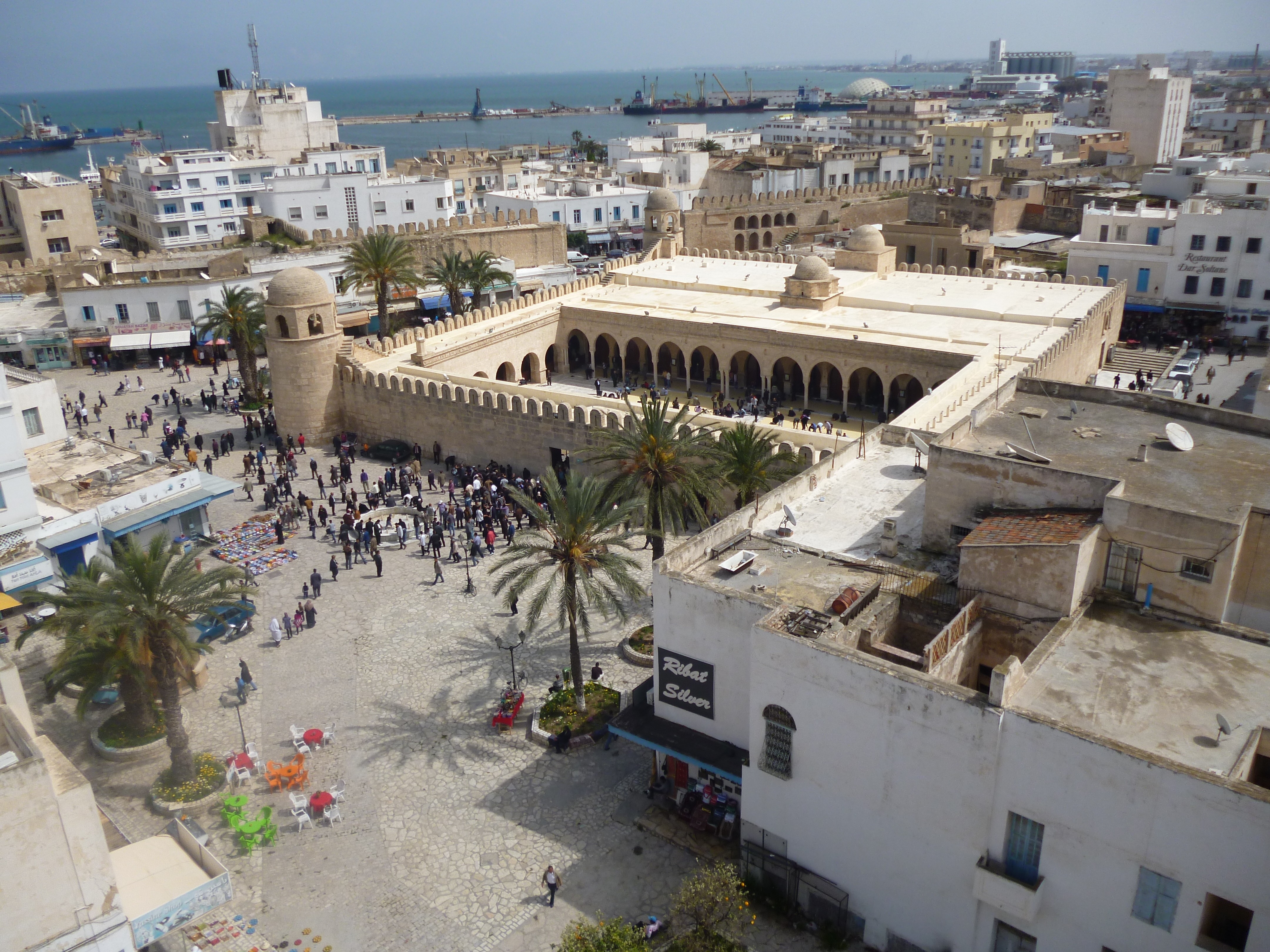
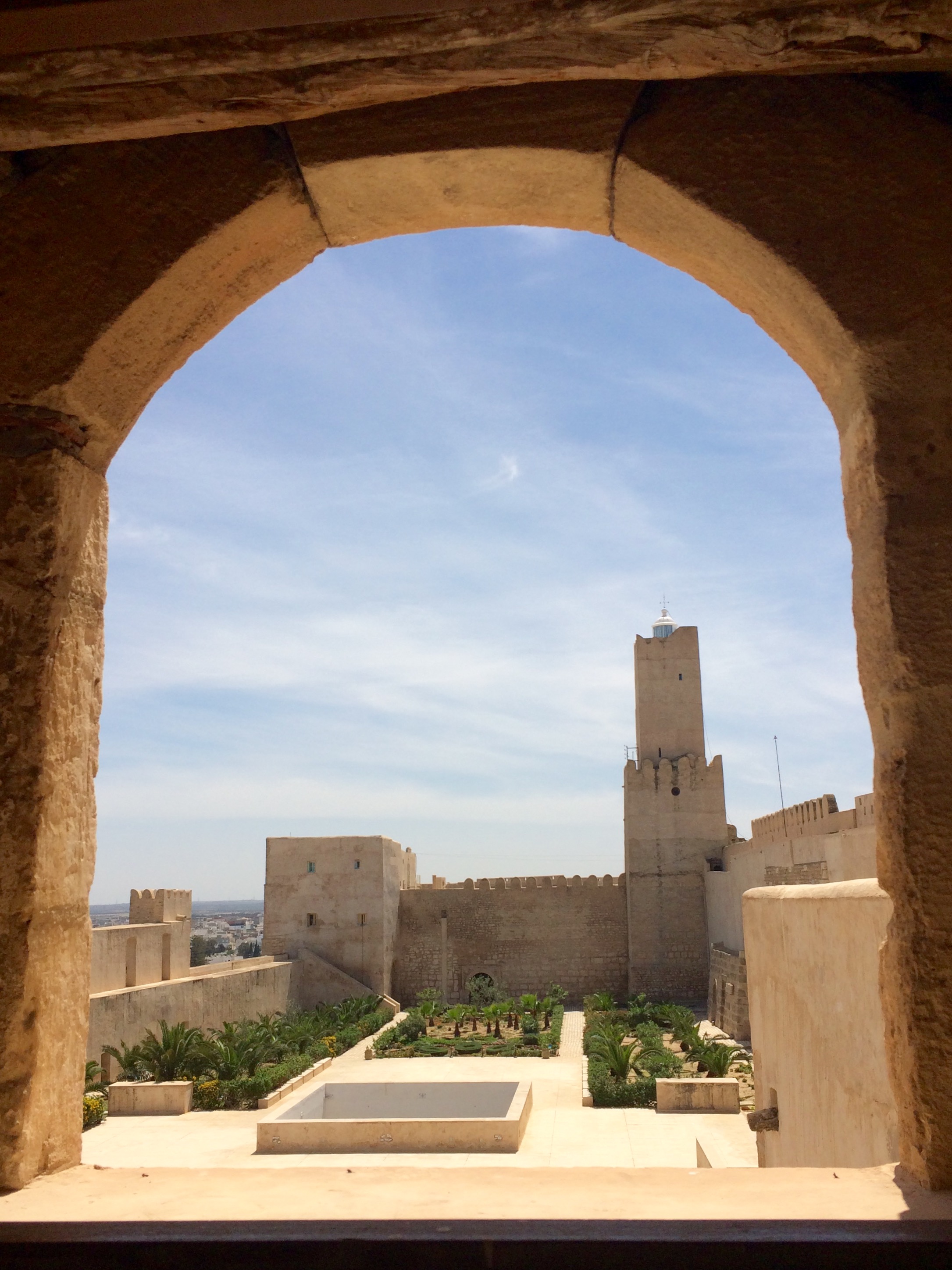
The Medina of Sousse in Tunisia is an exemplary early Islamic architectural site characterized by its fortifications and religious structures, including the Great Mosque of Sousse. Designated a UNESCO World Heritage Site in 1988, it represents the architectural style of the Aghlabid era, marked by stout military constructions aimed at protection against piracy and plunder. Archaeologically significant, the site also contains Punic steles, indicating earlier occupation during the Late Iron Age. Its strategic coastal location underscores its historical role in the post-Islamic conquest of the Maghreb. However, the site is currently threatened by potential climate change impacts, particularly sea level rise and coastal erosion.
Gallery
Explore photographs of ancient structures, artifacts, and archaeological excavations
Historical Timeline
Journey through time and discover key events in this site's history
Punic steles period
Late Iron Age
Early Islamic construction
8th century CE
Archaeological Features
Unique architectural and cultural elements found at this historical site
Defensive Structures
Religious and Ritual Structures
Frequently Asked Questions
Plan Your Visit
Tours, travel arrangements, and practical information

More Sites in Tunisia
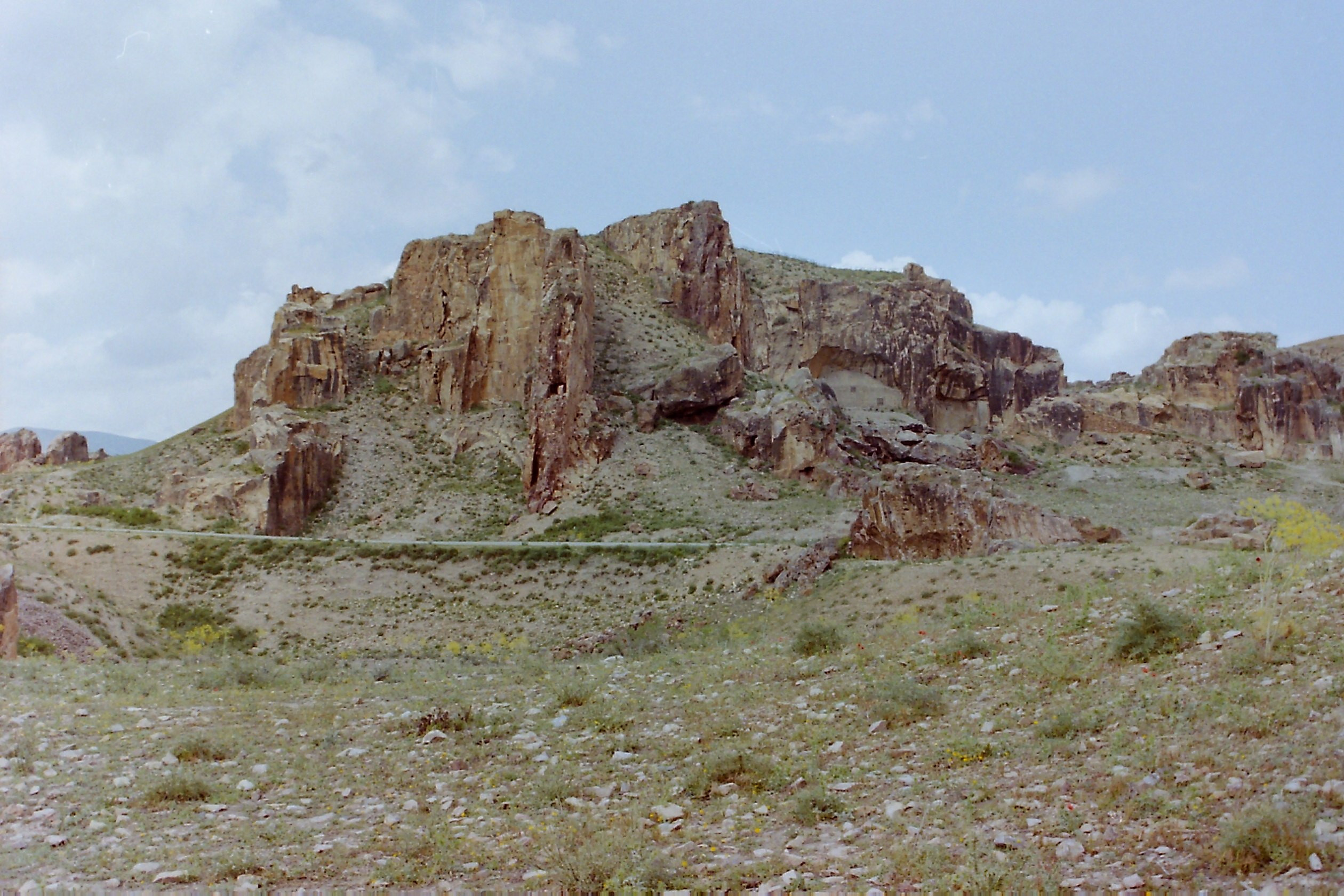
Chemtou
Ancient Roman-Berber town with quarries.
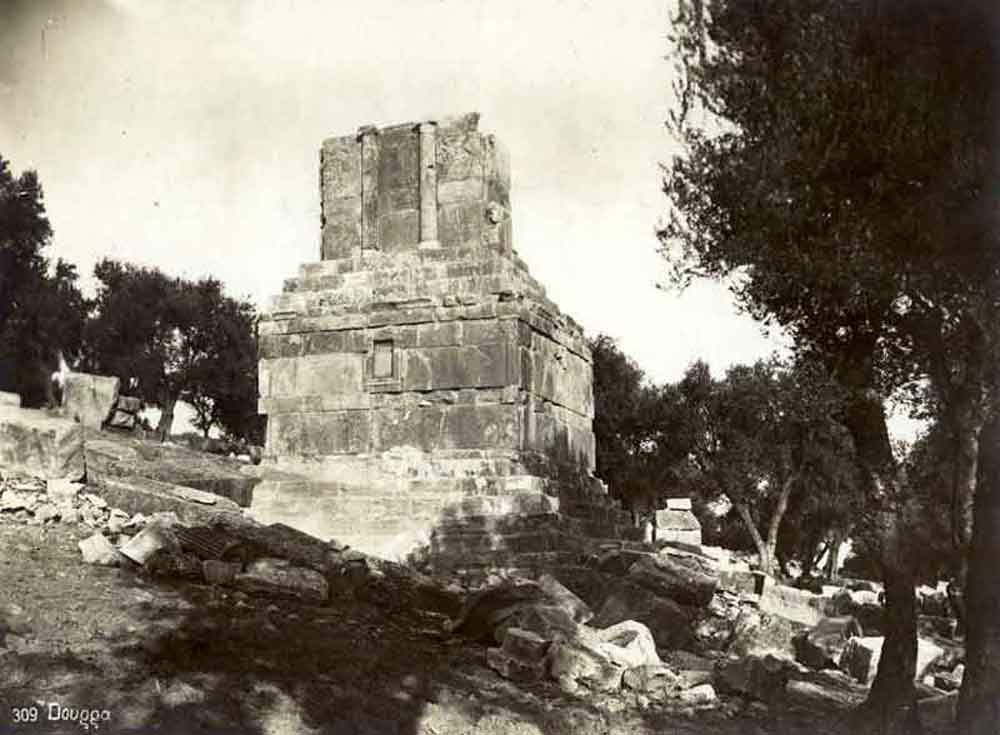
Libyco-Punic Mausoleum of Dougga
Ancient Numidian mausoleum with intricate decorations
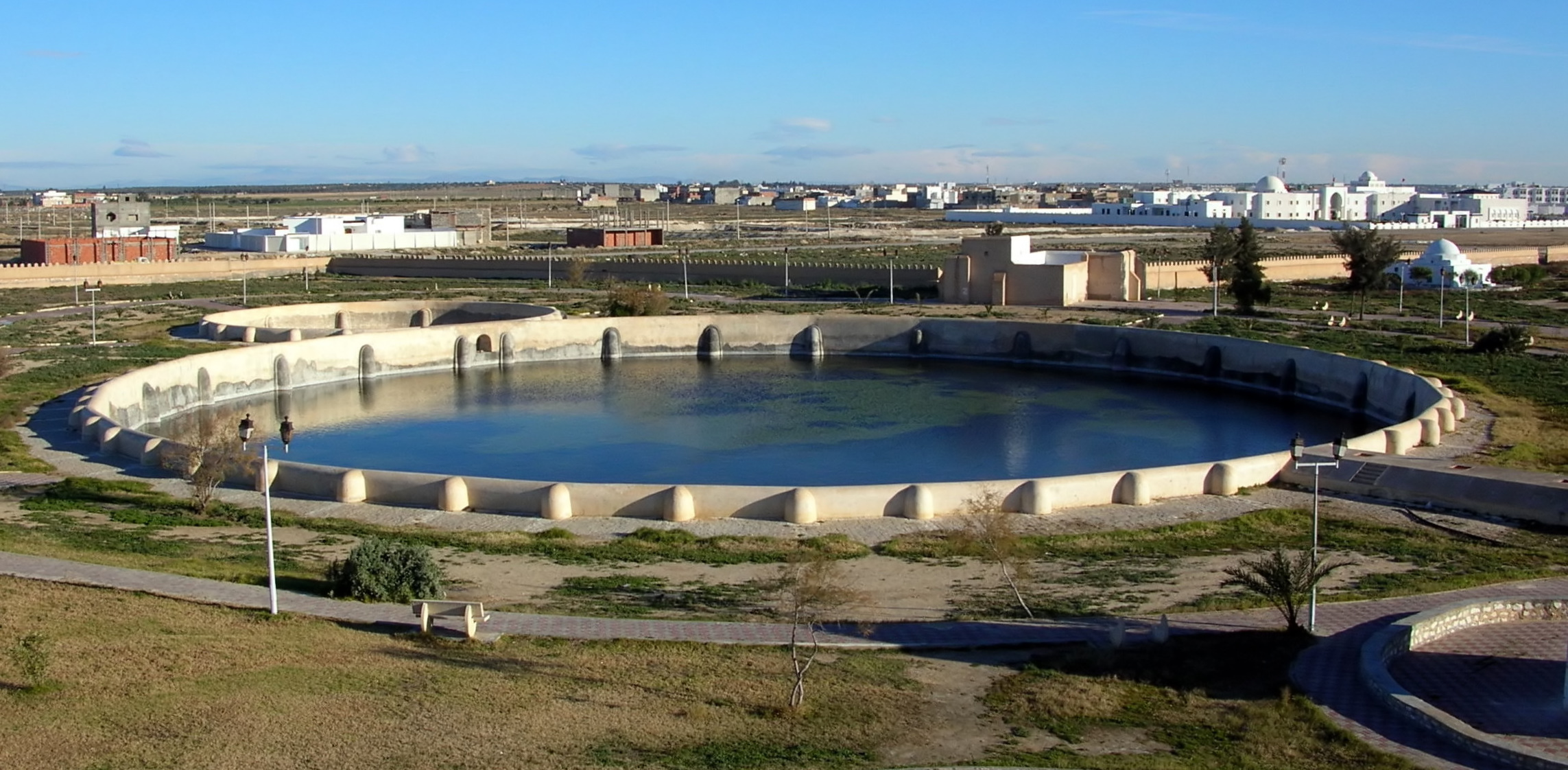
Kairouan
Ancient Islamic city with mosques and basins.
Henchir-Ed-Douamès
Roman-era city ruins in northern Tunisia
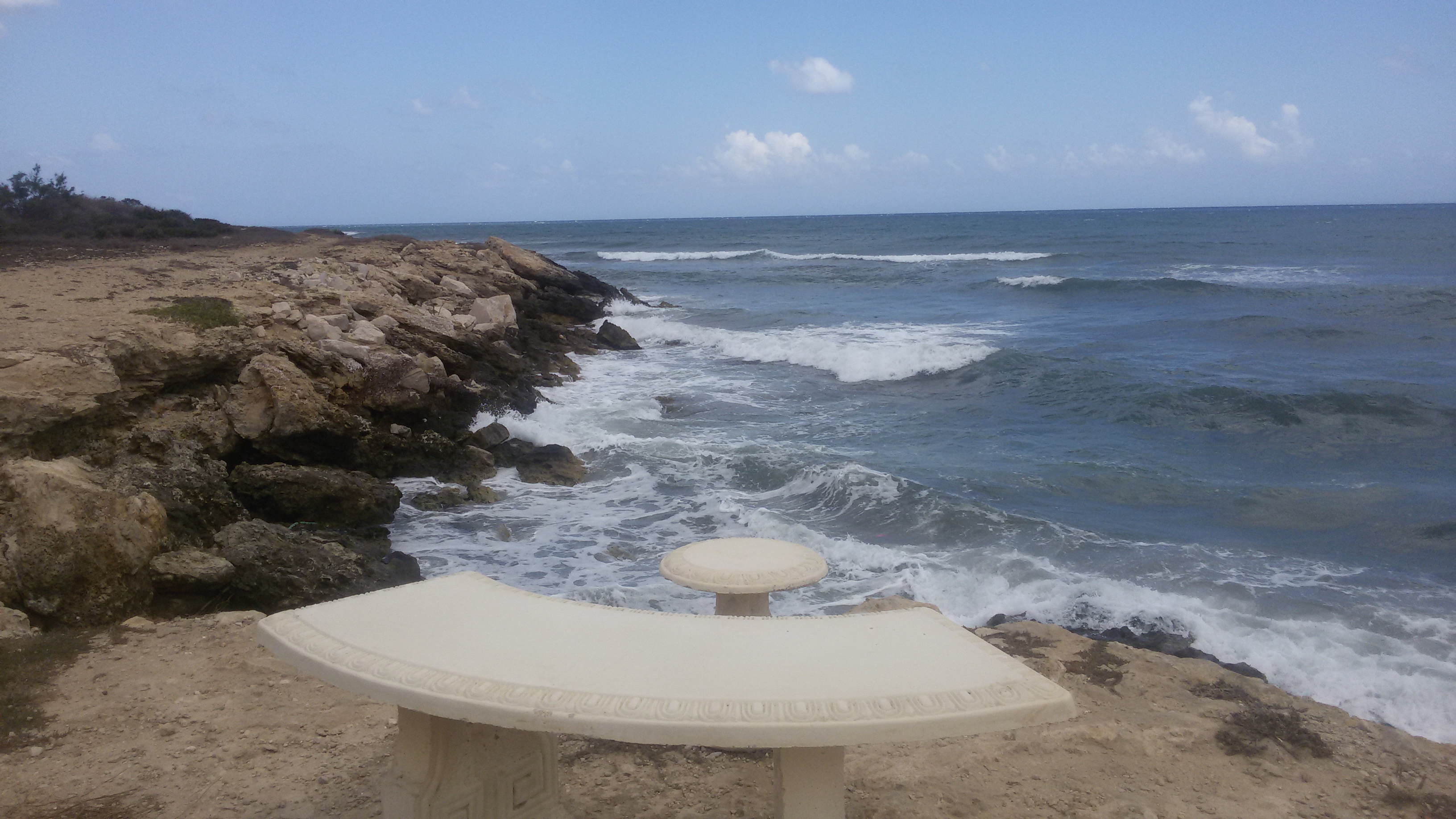
Kerkouane
Ancient Punic city with unique ruins
Bir-Abdallah
Roman town with ancient Christian bishopric.