
Explore the Map
Libyco-Punic Mausoleum of Dougga
36.4202° N, 9.2201° E
About
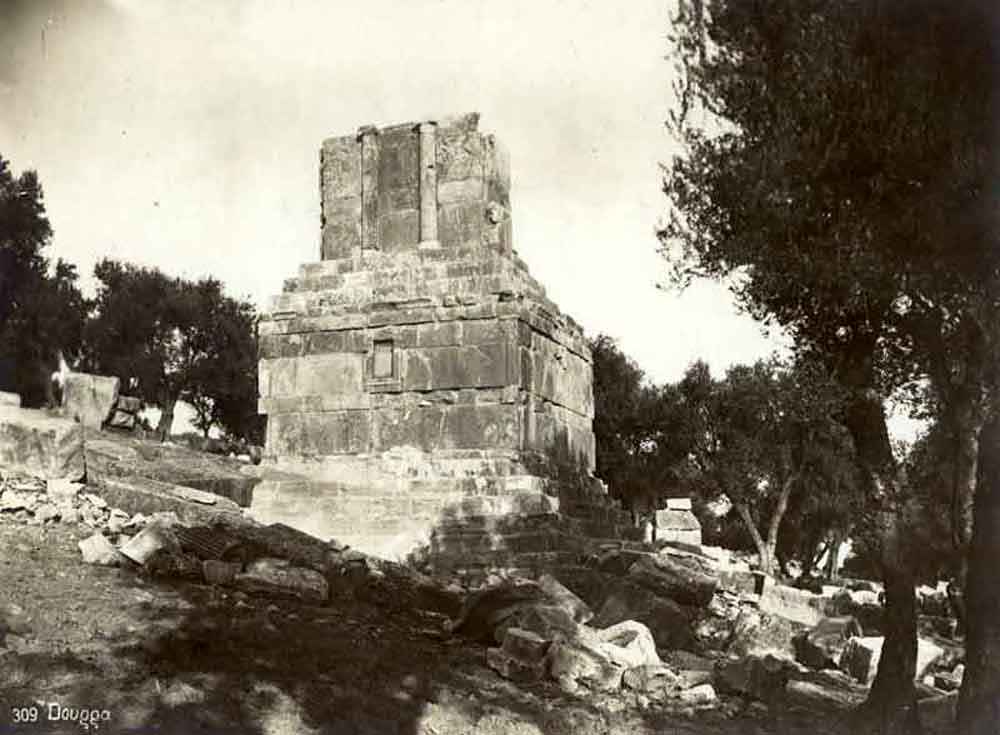
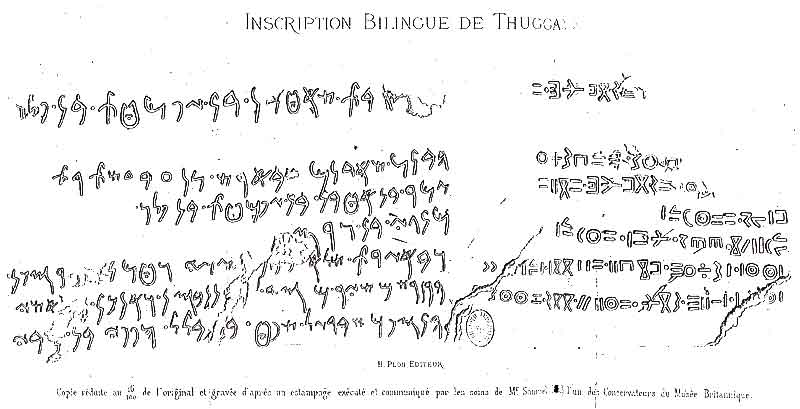
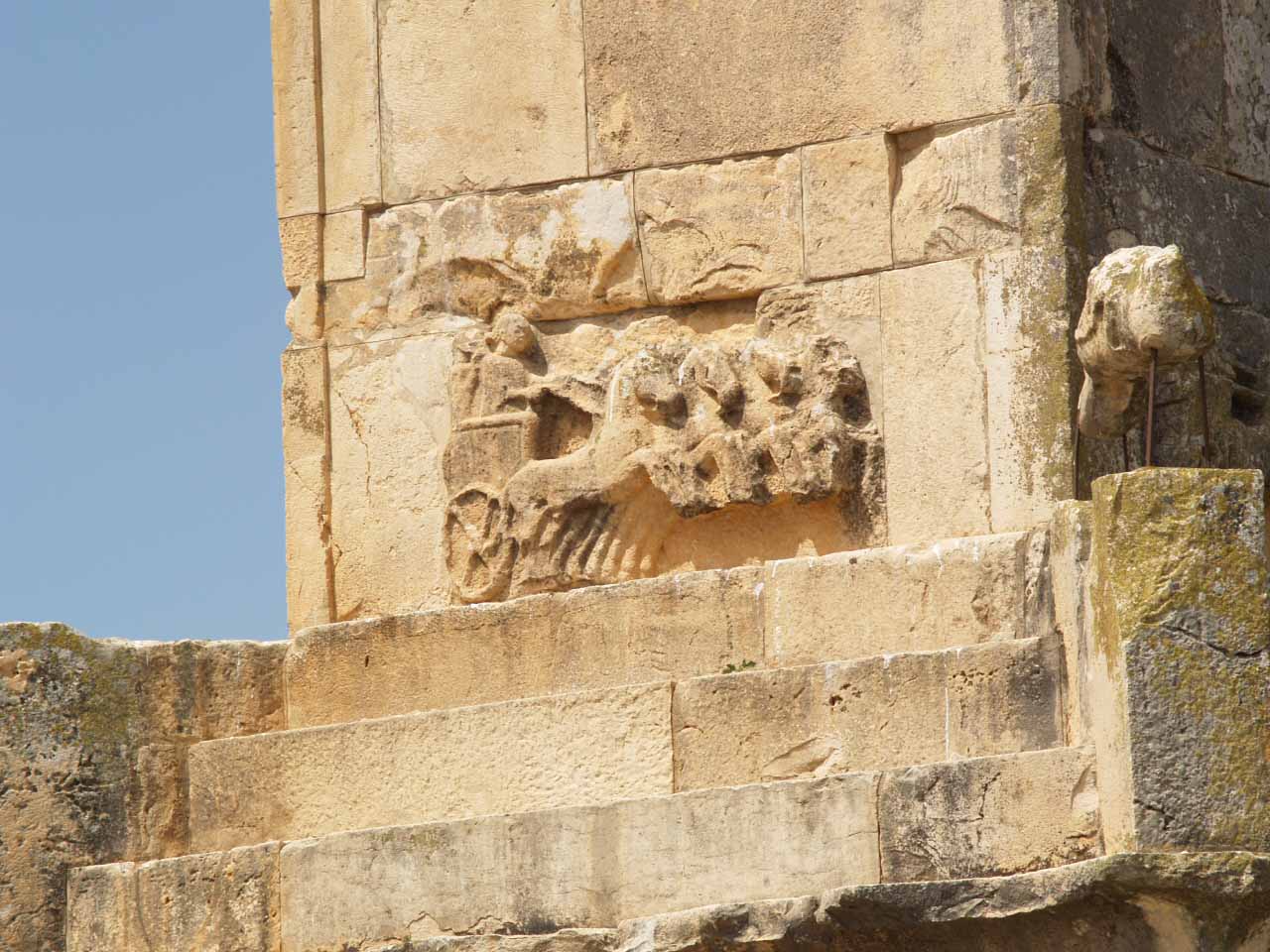
The Libyco-Punic Mausoleum of Dougga, also known as the Mausoleum of Atban, is a remarkably preserved ancient structure located in Dougga, Tunisia. Dating back to the 2nd century BCE during the Middle to Late Iron Age, it stands as a prominent example of royal Numidian architecture. The mausoleum is characterized by its three-tiered design, crowned with a pyramid and adorned with decorative elements such as Aeolic pilasters, ionic columns, griffons, and a quadriga. A significant feature of the site is the bilingual Punic and Libyan inscription, which was instrumental in the decipherment of the Numidian alphabet. This inscription not only highlights the craftsmanship of the builders but also suggests a connection to Numidian royalty, possibly serving as a tomb or cenotaph for a Numidian prince like Massinissa. The site's historical and architectural significance is recognized by its designation as a UNESCO World Heritage Site.
Gallery
Explore photographs of ancient structures, artifacts, and archaeological excavations
Historical Timeline
Journey through time and discover key events in this site's history
Construction of the Mausoleum
2nd century BCE
Archaeological Features
Unique architectural and cultural elements found at this historical site
Burial and Funerary Structures
Artistic and Decorative Features
Frequently Asked Questions
Plan Your Visit
Tours, travel arrangements, and practical information


More Sites in Tunisia
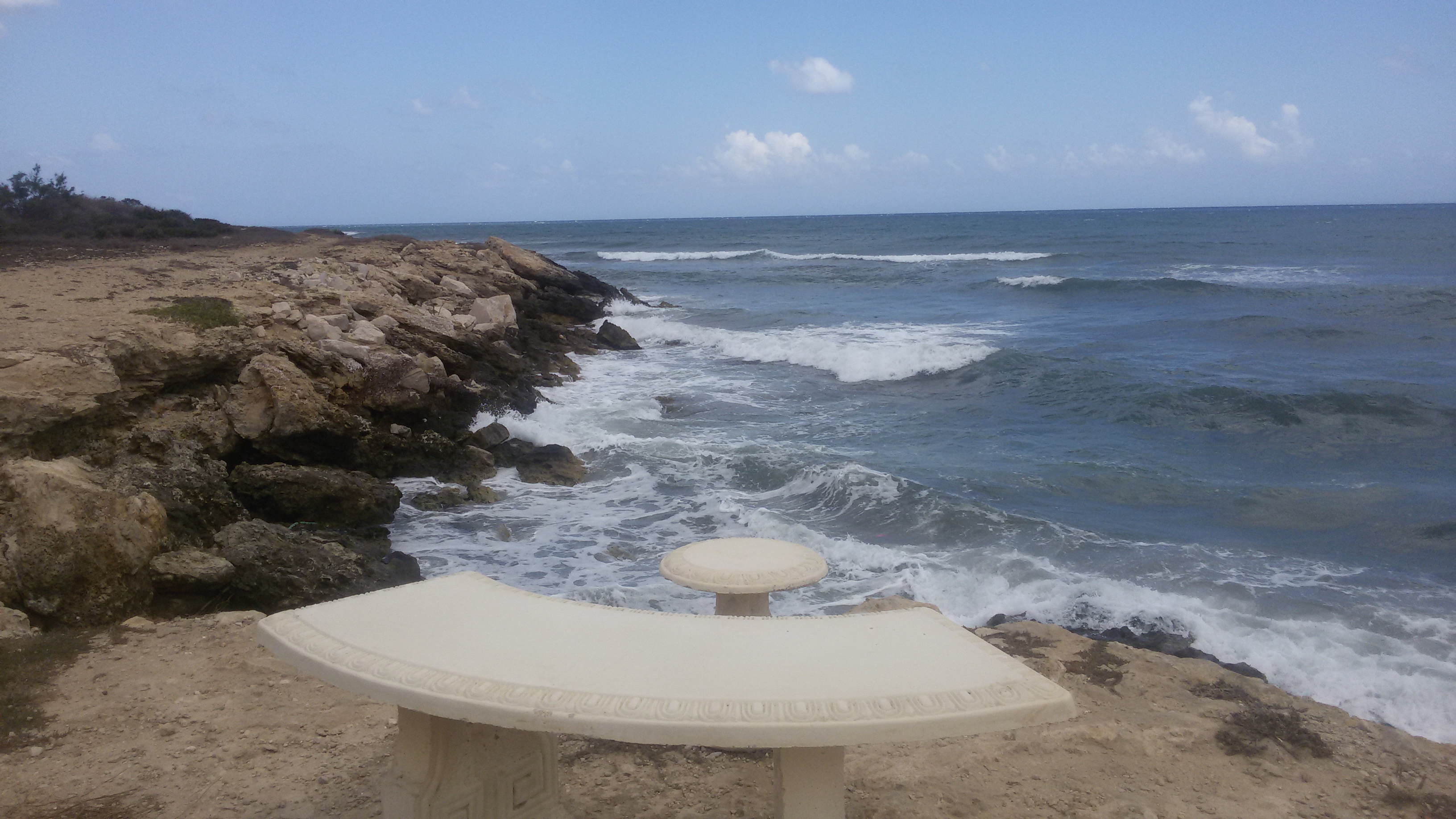
Thenae
Ancient Carthaginian and Roman town ruins.
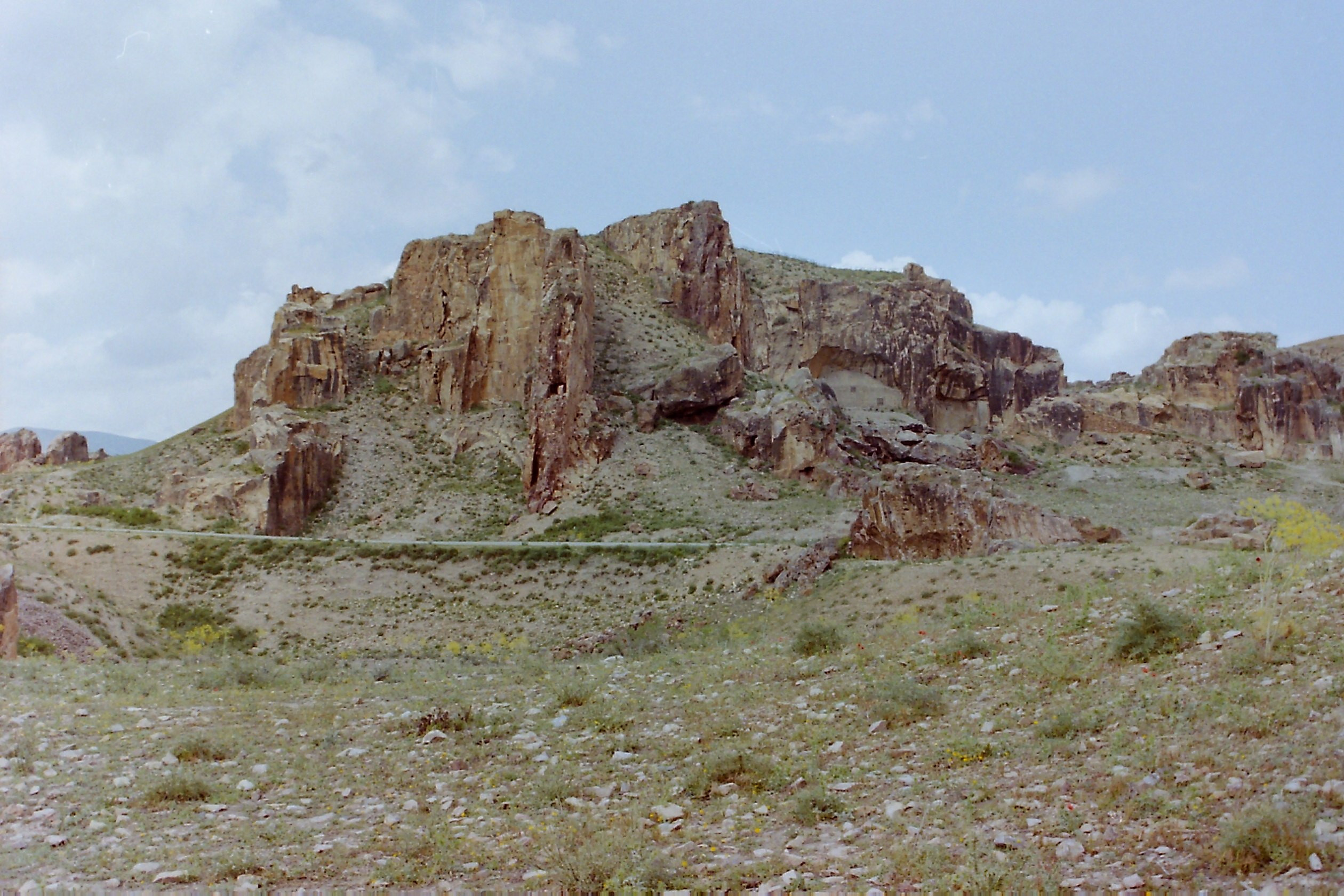
Chemtou
Ancient Roman-Berber town with quarries.
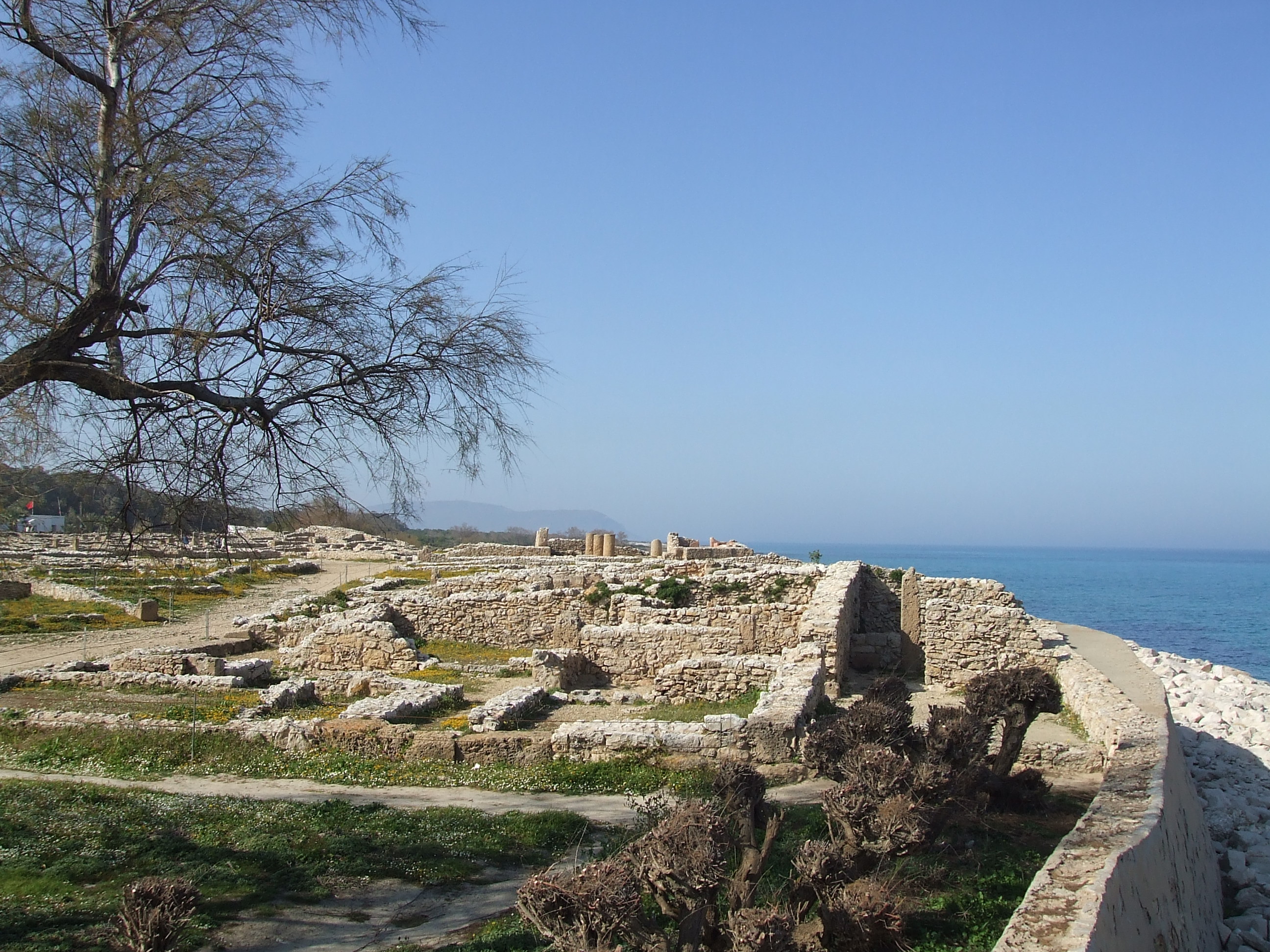
Kerkouane
Ancient Punic city with unique ruins
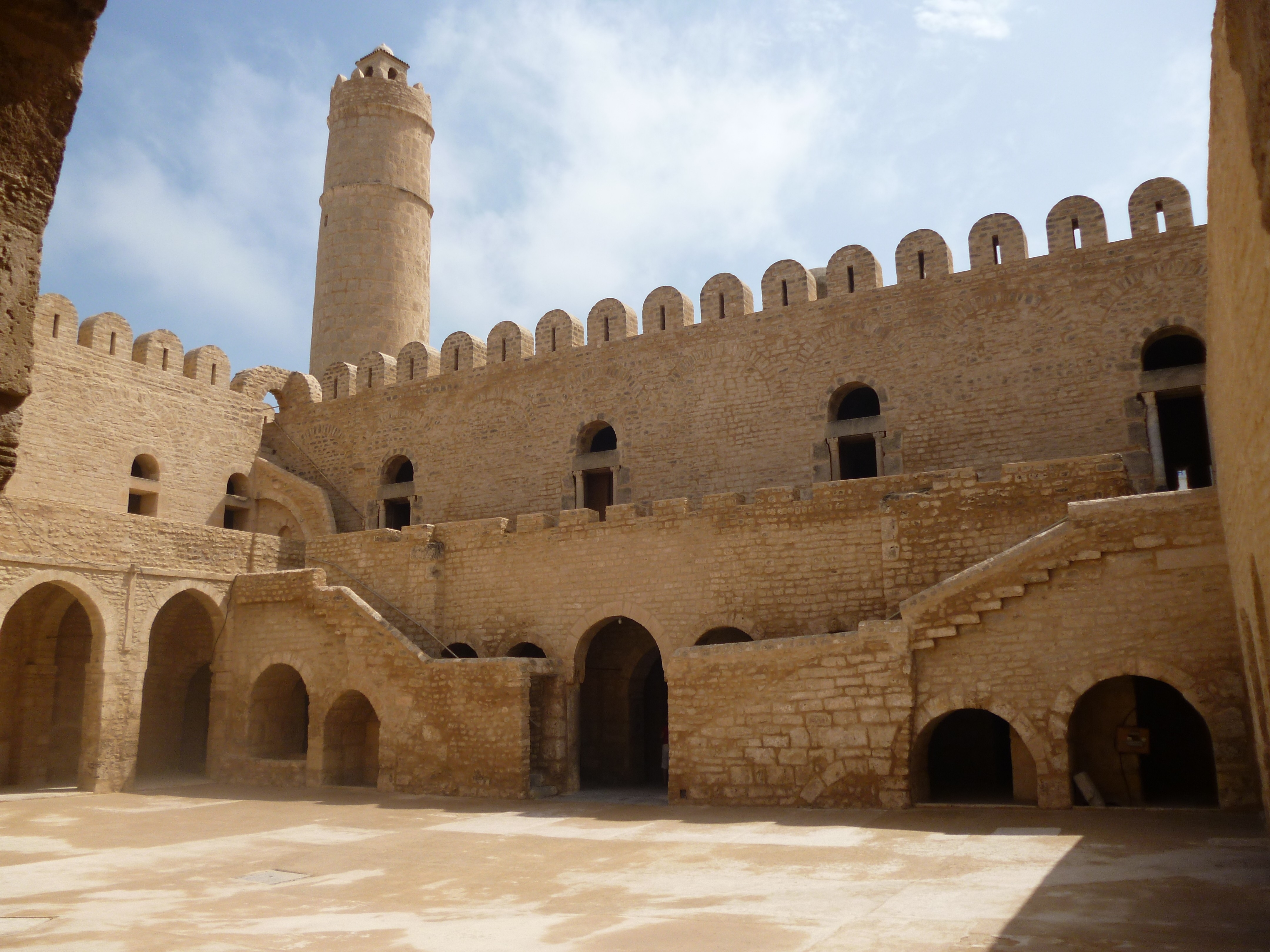
Medina of Sousse
Islamic architectural site with Punic steles
Necropolis of Kerkouane
Ancient Punic necropolis with chamber-tombs.
Archaeological Site of Carthage
<p>Carthage was founded in the 9th century B.C. on the Gulf of Tunis. From the 6th century onwards, it developed into a great trading empire covering much…